We initially intended Adam’s birthday hike on North Fork Mountain (West Virginia) to be the subject of a standard blog post. However, once we finished the hike, reviewed a couple maps and discussed the post, we decided that we’re going to hike it again in the next month or so with a different (and better!) route in mind. To tide everyone over for the time being, please enjoy a couple photos of the views along the hike. Trust us… these are just the tip of the iceberg when it comes to scenery!
Adam enjoys his birthday view!Tuscarora quartzite makes up the cliffs along the crest of North Fork Mountain.
This 8.3 mile hike takes you past two nice overlooks and gorgeous Emerald Pond. After some significant climbing early in the hike, most of the terrain is pleasant and easy ridge walking.
Christine enjoys the view along the Bird Knob hike. Below: The trail started out from the defunct Massanutten Visitors Center; Some damage from the derecho wind storm was still evident along the trail; After an early climb, this hike had lots of easy ridge walking.
Christine Says…
I don’t think anyone will argue – this has been a tough summer weather-wise. It’s been hotter, stormier, muggier and buggier than usual. There really haven’t been many weekend days that I would label ‘nice hiking weather.’ So when we finally had a day that was a little less hot and humid, we took full advantage of the opportunity and headed out to hike Bird Knob.
Bird Knob, like our last hike – Little Devils Stairs – had been on our list for quite a while. The trailhead is relatively close to our home. The distance and terrain – slightly over 8 miles and around 1600 feet of climbing – fall right in the ‘perfect hike’ range by our standards. Still, it wasn’t a hike I was looking forward to with a lot of excitement and anticipation. This was mostly due to middling/negative reviews I saw on another hiking site we read. People complained that the views weren’t that great, that part of the hike looked like a construction site, that it was too easy and that it was nothing but circling under the trees. None of the descriptions made the hike sound particularly appealing. Even the photos posted from the hike led me to believe that it would be rather mundane and lacking in scenery.
But – wow… when we got out there, we were pleasantly surprised by how nice the hike turned out to be. The trail started off from the defunct Massanutten Visitors Center on Route 211. We descended from the parking lot along the Wildflower Trail until its junction with the Massanutten Ridge Trail. The first mile and a half had some steep climbing. We hiked past and over lots of large and interesting rock formations. Once we gained the ridge, we were treated to two magnificent views overlooking the valley to the west. We had both of the rocky outcroppings all to ourselves, so we spent some time goofing off and taking silly photos. I’m definitely a more graceful leaper. 🙂 Also, after several years of struggling with chronic vertigo, my balance seems to finally be returning to normal.
Adam and Christine enjoyed goofing off and taking silly photos on the rocky outcropping. Below: Upon leaving the parking area, the hike begins on the Wildflower Trail; The first junction with the Massanutten Ridge Trail is nondescript; Adam checks out a large boulder along the trail; Christine climbed the boulder; More steep uphill hiking; Then the steep uphill also became rocky.
After leaving the second overlook, the trail followed the ridge for a while. Eventually we came to a large clearing in the woods. The trail wasn’t clearly marked, so we explored the open meadow and eventually found that the trail continued on the near-side, downhill corner. Shortly after passing the clearing, the trail branched in a couple directions. Right at one of the junctions, we saw an odd animal that looked like a goat leap across the trail and dive into the woods. I’m 100% certain it wasn’t a deer, raccoon, possum or bobcat – so we’re sticking with goat. We never saw it again.
We followed the first spur trail off to the left so we could explore the swimming hold that we had read about. It was a very pretty spot – much more inviting than we had been led to believe. Mountain ponds are a rarity in Virginia, so visiting this one was a nice treat. There was a heavily used campsite next to the water, and despite a sign imploring people to ‘Enjoy the Place, Leave No Trace’, we found the area was thoroughly trashed. We had brought an empty garbage bag in one of our packs, so we spent some time picking up cans, bottles, food packaging and cigarette boxes. People can be so gross!
After leaving the pond, we had a short climb to where the trail met up with a forest service road. We turned left and hiked uphill along the road for about half a mile. At a hairpin turn near the top of the mountain, a locked gate marked the spot where we got off the road, and hopped back onto the Massanutten Ridge Trail. This was the only spot along the hike that we saw other people – one truck passed us on the road and we caught a glimpse of two trail runners headed downhill. Honestly, this trail offered more solitude than I’ve seen anywhere lately. It was really nice.
Christine enjoys the pond view. Below: Adam consults the map at the junction of the Bird Knob and Massanutten Ridge Trails; Adam descends through the clearing; Picking up garbage at the campsite near the pond.
Once we were back on the ridge trail, the hiking was flat again. The trail made a nice, wide corridor through the woods. We passed some HUGE anthills. When I stopped to take a closer look, I found myself bitten by ants almost immediately. We also saw lots of ripening blueberries. I enjoyed popping handfuls into my mouth as we walked along. I love wild blueberries!
Eventually, we came back to the junction of the Bird Knob and the Massanutten Ridge trails. At this point, we retraced our steps past the overlooks. We stopped to take in the view once again. A lot of the haze had cleared off and the view was much better.
After the overlooks, we climbed steeply downhill back to the junction with the Wildflower Trail and then back to our car. It was a fantastic hike, and definitely worth doing!
Adam Says…
About a year ago, I had someone that I was talking to during a workday that recommended that we needed to hike up Bird Knob. They said the views were absolutely gorgeous and it wasn’t too long of a hike. Since that point, I’ve been wanting to try this hike out.
We made this hike into a longer stretch to include the swimming hole, but you can make this about a 3 mile out-and-back if you just wanted to get to the views. The hike starts off from the Massanutten Visitor Center parking lot. The Visitor Center has been closed for a while, but access to the hiking trails is still open. There is also plenty of parking. Towards the entrance of the parking lot, you will take the white-blazed Wildflower Trail that leads downhill. You will come across several interpretive signs along the way that describe some of the flora around you. Continue down .3 miles until you reach a bench.
Uphill to the right, the orange-blazed Massanutten Ridge Trail climbs steeply. Take the Massanutten Ridge Trail and begin your climb. This is the steepest part of the entire hike and you will be climbing without many switchbacks and gaining about 800 feet through a large field of boulders until you reach the top of the ridge at 1.0 miles. Continue along the ridge climbing slightly. At 1.5 miles, you reach the first viewpoint and the second viewpoint is only about 200 feet away from the first one. On a clear day, you should be able to see magnificent views of the valley for miles to the west from both points. Take some time to enjoy the views and then continue your hike along the ridge.
The trail continues to be relatively flat as you are continuing along the ridgeline, but then begins to descend slightly. At 2.3 miles, you will reach an intersection with a sign for the Bird Knob Trail. Take the white-blazed Bird Knob Trail to the right. You will pass a few unmarked trails along the way, but continue on the main trail as it slowly descends. At mile 4.2, the trail reaches an open field. Take a left, heading downhill, when you come to the field. You will join an old fire road that will continue to descend. When the road begins to ascend, you will see a branch of the fire road head off to the left. Take this fire road just .1 mile which dead-ends as you reach the large swimming hole. After hanging out at the swimming hole or taking a dip if you dare, rejoin the fire road and continue up.
In about 350 feet you reach a gate, leading you to a gravel forest service road at 4.7 miles. This is also marked as orange-blazed as it is part of the Massanutten Ridge Trail. Take a left here and head up the steep road. At 5.1 miles, you will see another gate, but the road continues to the right sharply. Go through this gate to stay on the orange-blazed Massanutten Ridge Trail. At 5.5 miles you reach another intersection, taking a right to stay on the orange-blazed trail and continue to ascend. At 6 miles, you reach the junction again with the Bird Knob Trail. This time, take a right to retrace your steps and you should reach your car at 8.3 miles.
The hike involved about a half mile of walking along a forest service road. Below: After you pass the locked gate, you’re back on the Massanutten Ridge Trail through the woods; Giant ant hills.
For most people, they will do this as a 3.2 mile out-and-back to the nice views. On a beautiful, clear day you may spot some people enjoying the views at the top. The rest of the hike, we saw very few people. The Massanutten Ridge Trail is very popular with long-distance trail runners and we did see a pair of guys running by when we were near the swimming hole. I have a co-worker that does some of those insane 100 mile trail runs with some friends and I know this is a popular spot for them. I’m sure this ridge trail is great for covering long distances and there are plenty of views along the entire ridge trail. There are a few of these ultra-marathons that are held here each year, most famously the Massanutten Mountain Trails 100 run.
The view was clearer on the return leg of the hike. Below: The other viewpoint; It was a great hike!
Christine and I enjoyed jumping around for the cameras at the vistas. We did some jumping mid-air photos, yoga poses, and I even tried my hand at the old Karate Kid crane technique. After making one of the pictures my facebook profile picture, one of my friends said it reminded them of the old Toyota commercials (Oh, what a feeling!). While the photos do look a little scary, we were about 8 feet from the edge. Please watch over any younger children as there is a sharp drop.
This hike was a pleasant surprise. I didn’t know the views would be so remarkable after reading reviews, but I know we will plan to make a return trip here sometime in the future.
Difficulty – 3. The initial climb is steep and challenging, but most of the hike is easy ridge walking.
Trail Conditions – 3.5. The trail is in good condition. There were some overgrown parts, but it was obvious people had been out working recently to clear blowdowns and trim back brush.
Views– 4.5. The two views early in the hike are beautiful!
Streams/Waterfalls –2.5. No streams or waterfalls, but we’ll give this a better score because of the pretty pond.
Wildlife – 3. We saw plenty of deer, a goat (?) and bear scat.
Ease to Navigate – 2. Trails are not consistently blazed and marked. Some areas have lots of blazes and are easy to follow. Other spots you may have to guess, or better yet… consult a map!
Solitude – 5. We only saw a couple people on the forest service road. We didn’t see another soul on the trail. Our car was alone in the parking lot both before and after the hike.
Directions to trailhead: The trailhead starts at the Massanutten Visitor Center. This is located on US-211, 5 miles east of New Market and west of the town of Luray and the intersection with 340-S. Park in the gravel lot. The Wildflower Trail is marked by a sign near the entrance to the parking lot.
* MapMyHike is not necessarily accurate, as the GPS signal fades in and out – but it still provides some fun and interesting information.
On Wednesday and Saturday mornings from May through late September, the eleven-mile Cades Cove Loop Road is closed to vehicles until 10:00 a.m. Don’t miss the opportunity to rent a bike and tour this scenic area without the nuisance of heavy car traffic!
Biking the Cades Cove Loop is a popular activity on Wednesday and Saturday morning when the road is closed to vehicle traffic. Below: The Cades Cove visitor center; Horses heading from the paddocks back to the barn; A distant view of a homestead.
Christine Says…
On the Saturday we were due to drive home from vacation, we woke up a few minutes before 5:00 a.m. I was comfortable – the room was pleasantly cool, the bed was soft and I felt relaxed and still pretty sleepy. Adam rolled over and asked me ‘So… are we going or not?’ The issue at hand was whether we should sleep in, have a leisurely breakfast and then drive home or if we should get up, grab something quick to eat and make the hour long drive into Cades Cove to rent bikes and ride the eleven-mile scenic loop on one of the mornings it’s closed to vehicle traffic. My inner dialogue went something like this…
‘Stay in bed, Christine! You can go to Pancake Pantry again! You love crepes!’
‘Nooo… this is your last day in the Smokies – you must pack in more fun activities.’
‘If you go biking, you’ll have to ride in the car for almost seven hours all sweaty and dirty. You can come back to the Smokies another year and ride the loop then.’
‘But Adam already bought a collectible patch that says we biked the Cades Cove Loop. You can’t have a patch for something you didn’t do. That would make you a liar!’
‘But I’m tired. We’ve already been on six hikes! I just want to take a shower and eat breakfast’
‘Get your butt out of bed and onto that bike! It will be fun and I bet you’ll see cool stuff. Eleven miles of biking is nothing!’
‘Alright… let’s go do this thing!’
With that discussion done, we got up, packed the rest of the stuff in our room, checked out and headed toward Cades Cove. As I mentioned before, Gatlinburg starts breakfast late – even our hotel didn’t put the complimentary breakfast out until 7:00 a.m. The only choice we found for breakfast (other than gas station food) was ‘The Donut Friar.’ That turned out to be quite fortuitous! I’ve never eaten such delicious donuts. Even now… the thought of those donuts makes me feel a wistful sense of longing. I could write an entire post about those donuts, but I’ll move on to the biking.
Cades Cove offers beautiful mountain and meadow views. Below: One horse (Ted) got loose and walked outside the fenceline; Christine coasting along; Three does make a run for it!
When we had initially inquired about bike rentals, the attendant told us that the rental shop opened at 7:00, but that we should plan on getting there about 15 minutes early. Since it was Memorial Day weekend and the campground was full, they expected rentals to sell out quickly. For almost three quarters of the drive into Cades Cove, we didn’t see a single car. But at the junction with incoming cars from Townsend, we started seeing many. It was a line of moderate traffic rolling toward the cove. We were anxious enough that we didn’t even stop when we spotted a bear climbing a tree alongside the road. No way was I going to miss the chance to rent a bike after giving up my leisurely morning!
Ironically, we ended up first in line at the bike rental shop. They opened promptly at 7:00 and we were on our way with bikes and helmets by 7:15.
The one-way road through Cades Cove is normally a real log jam of cars. It can be maddening to go so slowly. So, breezing along on a bike was a true treat. While there aren’t bike jams, do be prepared to share the road with lots of other bikes. Biking the loop is very popular!
When we first entered the Cove, it was a beautiful misty morning. A thin veil of low fog was floating across the open meadow. The rising sun made everything look golden and shimmery. One of the first stops we made was to watch all the horses being herded from the field up to the barn for the day. One horse, a big draft-cross named Ted, decided to take an alternate route. Instead of following his buddies through the field, he walked right out the gate and headed up the road. One of the volunteers who help keep the road safe radioed back to let others know a horse was on the loose. Ted didn’t look like much trouble though. I’m sure someone caught him and ushered him back to where he belonged. I sort of gathered from the conversation that this was not Ted’s first foray out onto the road.
Along the way, we passed old churches, old homesteads, and old barns. Normally, I’m pretty interested in history and park-lore, but on this particular morning I was in the mood to keep biking. I was having fun coasting down the steeper hills. It felt great to pick up some speed and feel the wind against my face.
There are lots of old homesteads in the Cove. Below: There are also lots of churches; And evidently, lots of invasive wild hogs!
We also saw lots of turkeys and deer. The turkeys were especially impressive putting on their mating displays. Most of the time, turkeys aren’t what you would call ‘beautiful’, but a Tom turkey all puffed up and putting on a show is truly something to behold. You can almost understand why Benjamin Franklin put the turkey forth as a candidate for our national bird. (Though, I think the bald eagle was still probably the better choice.)
We had hoped to see more bears on this ride around Cades Cove, but we struck out. Thankfully, we had already seen seven bears during our week, so we didn’t feel too disappointed.
The one thing that surprised me about biking through Cades Cove was that some of the hills were actually pretty challenging. When you drive around the cove, it seems mostly flat or perhaps ‘rolling’. While none of the hills are long, there are a number that are quite steep and require some power-pedaling. The rental bike I used didn’t have quite as many gears as my normal bike, so that made things a bit tougher. We biked most of the hills without stopping or getting off, but there were two hills near the end where it just seemed more efficient to dismount and walk our bikes up the hill. When you can’t shift your gears anymore, and people are walking by while you valiantly pedal, it’s time to revisit your pride! Besides, it seems that the majority of people walk their bikes a little bit in Cades Cove, so I didn’t feel too bad.
The whole loop took us less than two hours to bike – even with plentiful stops for scenery and wildlife. It was really a nice way to spend our final morning in the park, and I’m glad we made time to do it! Although, I was too exhausted to help with the drive home. I ended up sleeping in the car about half the way home – which is very unusual for me!
Adam Says…
Some of you may have thought we were done with our Smokies Edition posts and based on Christine’s inner-dialogue you can see that was almost true. But, we thought this opportunity was too good to pass up. We have always treated our vacations as days that we should run ourselves ragged. You can always be exhausted when you’re sitting behind your desk at work.
At 7:15 when we started off, there were already plenty of bikes on the road. Since we didn’t have the foresight to bring our own bikes along, we had to rent them. The bike shop opened promptly and was very well-organized. The shop requires you to either put down a $50 cash deposit or leave your car keys. You pay for the first hour in advance and then pay the rest when you check back in. We ended up paying less than $30 for less than two hours, so it is quite affordable.
We left the campstore and biked up to the Orientation shelter to start our loop ride. The road starts off fairly flat with large views of open farms. At 1.1 miles shortly after passing the intersection with Sparks Lane , you come across the John Oliver cabin on the right. Built in the early 1820s, this is the oldest building along the loop. The road becomes more like rolling hills at this point and some of the hills can be steep going up or down. Around the 2 mile marker, you come to the Primitive Baptist Church on your left, shortly followed by the Methodist Church on your right. The Primitive Baptist Church was first established in 1827 as a log building, but the building that is there now replaced it in 1887. During the Civil War, this church closed since the church officials were Union supporters amidst a land filled with Confederate supporters. The Methodist Church was established in the 1820s as log building but was replaced by this building in 1902. Baptists outnumbered the Methodists in this area, but the populations were enough to keep many churches around. At 2.75 miles, you reach an intersection with Hyatt Lane, which does allow you to shorten the loop. A short distance later, you come to the Missionary Baptist Church on the left. Continuing on, the road begins to lead out of the woods again into more open areas. At 4.25 miles, you do reach a trailhead on the right of the road that leads to the Elijah Oliver Place. Elijah Oliver was the son of John Oliver, whose cabin you saw first. At 5.0 miles, you reach a junction with a road that leads down to the parking lot for the Abrams Falls trail.
This solo buck enjoyed grazing in a misty meadow. Below: Some of the downhills are steep and curvy, so warnings are posted; Old cabins are abundant in the cove.
Within another half mile, you reach the large Cable Mill Historic Area and Visitor Center. You can take a while to walk around the many buildings that are here including the Visitor Center, Gregg Cable House, grist mill, and LeQuire Cantilever Barn. Leaving the Visitor Center and rejoining the road, the trail becomes much steeper for a good portion of the remaining ride. At 7.0 miles, you will pass the Dan Lawson Place. At 7.5 miles, you reach the Tipton Place, a home built by a colonel in the Mexican War that housed his two daughters and was later rented out to others. At 8.25 miles, you will see the Carter Shield cabin on your right, one of my favorite buildings to see on the ride. This cabin was built by George Washington Shields, who was wounded at the Battle of Shiloh. Continue your ride which re-enters the forest for the remaining trip until you reach the junction that leads back to the campstore at 11.0 miles.
The male turkeys were putting on quite a show! Below: Bikers are treated to many open views – perfect for wildlife watching; Christine and her rented bike after the ride.
One thing that makes this part of Great Smoky Mountain National Park so popular is the ability to see wildlife. Due to the large open areas here, wildlife viewing is prime. We had driven through the area an earlier day and we did see lots of deer, a few bears, and wild turkeys. When the road is open to cars, you should expect a slow drive around the loop. We even had people in a truck in front of us sitting in lawn chairs in the back creeping along to try and spot wildlife.
I would strongly recommend if you want to avoid some crowds on the road normally, get up early and get here to bike the loop. You’ll be able to take in all the beauty and hopefully see some wildlife along the way before the crowds descend. When we were leaving, we were already seeing cars lining up to get ready to drive the loop.
After we left the loop, we headed back to Virginia passing through Townsend and Pigeon Forge, TN. It is amazing that such a commercialized area is so close to such a gorgeous national park. I’m just glad that the National Park Service protected this land before it became overrun with visitors. Like Shenandoah National Park, some of the people in Cades Cove were displaced by the national park service as they bought their land. Some were given the option to stay in their houses until they died, but their offspring were not allowed to live there.
Trail Notes
Distance – 11 miles
Elevation Change – lots of rolling terrain
Difficulty – 3.5. There are many flat sections and downhills. The uphill sections are short, but quite steep.
Trail Conditions – 5. The road is paved and in great condition.
Views– 4. Lot of open meadows and views looking up to the mountains.
Streams/Waterfalls – 1. There are a few small streams along the route. Nothing amazing or photo-worthy, though.
Wildlife – 5. This is a great place to see all kinds of Smokies wildlife.
Ease to Navigate – 5. Very simple – just follow the road and all the other bikers!
Solitude – 0. Expect to see lots of other folks.
Directions to trailhead: The Cades Cove loop is located on Laurel Creek road, 7.5 miles west of the junction of Little River Road and Tennessee Route 73 (leading to Townsend). Once you approach the main entrance, you will see a road leading to the campstore if you are renting bikes. Start the loop at the main entrance, near the Orientation shelter.
This paved, easy 2.6 mile (round-trip) walk leads to Laurel Falls. The 80-foot tall cascade is one of the Smokies most popular waterfalls.
Laurel Falls is easily accessed and one of the park’s prettiest waterfalls.
Christine Says…
If there is a trail most everyone does when visiting the Smokies, it’s Laurel Falls. This hike is popular for a number of reasons: 1) the falls are gorgeous 2) the trail is short, paved and not very steep and 3) the trailhead is close and easily accessed from Gatlinburg.
Adam and I always enjoy solitude when we hike, so we cooked up a plan to eat breakfast early and get to the falls before the crowds. However, it turns out it’s very hard to find breakfast in Gatlinburg that starts serving before 7:00 a.m. Even the free breakfast at our hotel wasn’t put out until 7:00.
We decided we would have to go with the flow and hope that most people would have a 9:00 a.m. breakfast and take their time starting their activities for the day. It turned out to be a great decision because we had an amazing breakfast at the Pancake Pantry. Let’s just say, I was still very full on strawberry crepes and bacon when we got to the Laurel Falls trailhead.
I guess most people do prefer a more leisurely start to their day, because there were only a few cars in the lot when we arrived. The trail climbs several hundred feet over the course of 1.3 miles. The entire path is paved, making this trail ideal for families with children in strollers. A person might be able to get a wheelchair up the trail, but the paving is not smooth and while the grade is gentle, it’s still all uphill until the very end.
The hike begins with distance markers, interpretive brochures and bear warnings. Below: These Pancake Pantry pancakes are too yummy not to share, and they made a perfect pre-hike breakfast!
There really isn’t much to say about the actual hike to the falls. It was typical Smoky Mountain forest with a few glimpses of bigger mountains through the trees. I imagine most people would be able to cover the distance in about 30 minutes.
The falls are spectacular and tumble down over several rocky tiers. The upper falls are accessed directly by the trail. Viewing the lower half of the falls requires a short boulder hop downhill off the trail. Both parts of the falls are well worth visiting up close, so if you feel confident doing a little rock scrambling, do take the time to climb down.
We were lucky enough to have the falls mostly to ourselves. A few people came by while we were there, but no one stayed long. The heavier traffic started rolling in on our walk back down. We passed so many people – dozens and dozens – making their way up the trail by 9:00 a.m.
In short, Laurel Falls is definitely worth a visit, but I recommend arriving early. If you’re a photographer and want to take long exposures on the waterfall, the area is completely in the shade in the early morning, but I’m pretty sure sun would hit the falls by mid-day.
Adam Says…
We have just started to purchase art prints from all of the national parks we have visited. The ones we have been buying are produced by Lantern Press and are for sale in the national park visitors centers. We are hoping to one day frame and hang them in an area of our house. When we were deciding which one we would get to represent the Smokies, we decided on the Laurel Falls print. So, we definitely had to hike this one since we had the iconic image.
Christine hikes along the paved path to Laurel Falls. She carried her big, heavy-duty tripod on this outing. Below: Christine jumped in the photo to add a sense of scale to Laurel Falls.
As Christine said, the hike just to the waterfall stays on the concrete path and it is uphill almost all of the way. We saw several families on the way back that were not in the best of shape that were huffing and puffing their way to the falls and asking how much further. However, I do think that most people should be able to make the hike.
If you are interested in making this a longer hike, you can continue past the falls to the top of Cove Mountain, making it a 8.0 mile out-and-back hike. The trail after the falls isn’t paved and you would be looking at 2300 feet of elevation gain in the remaining 2.7 miles. At the top of the mountain is a tower, but from what I have read part of the tower has been blocked off for a weather station and the views are not that remarkable.
Accessing the lower falls requires a short, simple scramble from the trail.
There is a reason that this waterfall is so popular – it is one of the prettiest you will see. The upper falls drop down 75 feet over three tiers. The water running down is the Laurel Branch that is coming down from Cove Mountain and it will eventually feed into Little River. I would encourage you to go after some rain has hit the Smokies to get the most water flowing through. The lower part of the falls does take careful navigation to get down to the bottom, but if you want to venture down below, backtrack about 50 feet and you will see a common path to reach the bottom. We witnessed a couple that tried to hike down to the bottom another way and the man fell hard on his way back up.
We had the falls for a few minutes by ourselves (it does pay to start early), but we soon met a newlywed couple. Christine showed the wife how to do some long exposure pictures and then we went on our way. We saw the hoards of visitors coming up the path and I could tell it was going to be a busy day at this popular spot.
Trail Notes
Distance – 2.6 miles
Elevation Change – about 300 feet
Difficulty – 1. This is a short, easy hike with not much elevation change.
Trail Conditions – 5. The trail is paved and is suitable for strollers.
Views– 1. A couple peeks through the trees.
Streams/Waterfalls – 5. The falls are gorgeous!
Wildlife – 2. Because of the popularity of this hike, I would guess a lot of animals are scared away. Although… bear warnings are posted in the area.
Ease to Navigate – 5. Very simple – just follow the path and you can’t get lost. The trail continues past the falls, but we didn’t go that far.
Solitude – 0. Expect to see masses of people!
Directions to trailhead: Past the Sugarlands Visitor Center, take the Little River Road for 3.5 miles until you see signs for the falls. Parking was available on both sides of the road.
This popular five mile hike follows a beautiful stream for most of the route and ends with a visit to lovely Abrams Falls.
Abrams Falls pours out into a large, rock-surrounded pool. Below: Beautiful stream scenery was abundant on this hike.
Christine Says…
Tuesday morning dawned thick with clouds and fog… a perfect day for a waterfall hike. Although there were plenty of waterfalls near the Cherokee side of the Smokies, we decided to take a ride over to Cades Cove to hike the exceedingly popular Abrams Falls trail.
The easy five-mile hike is one of the top five trafficked trails in the park. Since we had an early start on the day, we decided we could probably beat the worst of the crowds and enjoy seeing the falls with some semblance of solitude.
Getting to the trailhead took longer than we expected. The drive along the Little River into Cades Cove was so pretty, I had to stop and take lots of photos. Once we got into the cove, grazing horses, wild turkeys showing off their plumage, and abundant whitetail deer distracted us. I wanted to stop at a few of the old cabins, churches and farms, but we decided that would have to wait for another day.
Adam enjoys the green vista along the Abrams Falls Trail. Below: Trail marker at the start; Bridges cross the stream multiple times along the trail. This was the only full bridge. The rest were hewn logs with rails on one side; Trail conditions were mostly smooth and gentle.
The Abrams Falls trailhead was at the end of an unpaved, muddy road. (restroom facilities were available) The trail marker at the beginning indicated that the trail was moderately strenuous and would take 4-5 hours. The sign also warned that no water or restrooms would be found at the falls. I suppose this is a clear indicator that hikers of all experience levels and abilities use the trail. And indeed this turned out to be true – I even saw a hiker wearing black pantyhose under a pair of denim shorts. That was a first for me!
The hike began by crossing a bridge over Abrams Creek. All along the river, we saw fly fishermen. The stream looked ideal for brook trout. The trail runs parallel to the creek for much of the hike – sometimes at stream level, sometimes high above.
The trail is mostly flat with several short, but steep, climbs. It mostly passes through thick green forest, with one exception. Near the top of the steepest climb, the trail becomes rocky and almost barren, with many dead and toppled trees. Maybe a fire or storm damaged the trail in this area, because it was nothing else like the rest of the hike.
A steep downhill climb and a walk across two log bridges empties you out into a grotto with Abrams Falls at the end. When we visited, the falls were gushing! The water was so powerful; I couldn’t take a long exposure of the waterfall without the water turning into a solid wave of white.
As expected, many people were enjoying the falls. Families picnicked, couples posed for photos and kids caught tadpoles in the pools of water between the rocks. One of the notable features near the waterfall was a large glacial pothole. It looked really similar to features I’ve seen in New Hampshire.
Christine crosses a log bridge. Below: A perfect round ‘pothole’ formed by the forces of nature; Blooming rhododendron.
We didn’t spend long at the falls because we wanted to get back before it started raining. The return leg of the hike just retraced our steps. On the way back, we passed even more people on their way to the falls. This is definitely one of the Smokies most popular spots. Understandably – such beautiful falls, and so easily reached (by most)!
Adam Says…
When we were thinking of some hikes we wanted to accomplish in the Smokies, we wanted to hike to a bald, a nice hike with views, and some waterfalls. After accomplishing the first two items the first two days, it was time to do a waterfall. We started fairly early in the morning knowing that we would have a longer drive to get to Cades Cove from our takeoff point of Bryson City. When we had been driving on 441 to Newfound Gap, we had heard about construction but had never quite reached it. When we crossed over Newfound Gap, we quickly ran into some construction as they were working on repaving the road. Bringing the two-way road to a one-way road required us to wait about 20 minutes before the lead car allowed us to go further. We finally got through the construction and made our way towards Cades Cove. When driving on the one-way Cades Cove road, you should also expect to go very slow on this 11 mile road. Cars creep along, hoping to see wildlife. We were shocked to see so many cars stopped to a halt to take a picture of a deer. I guess we feel a little spoiled in Virginia with all the deer we see regularly. We typically have a yard full of deer every morning.
The hike to Abrams Falls starts off with an informational sign. Soon you will cross a bridge and begin to see fly fisherman in Abrams Creek. Abrams Creek is a great spot for fishing brook trout. Rainbow trout tend to be found in higher elevations in the Smokies. The trail has a slight incline with a few areas of steep climbs. At .8 miles, you cross over the Arbutus Ridge, which changes the hike from being largely uphill to being more downhill. At 2.25 miles, the trail then begins to take a steeper descent until you reach Abrams Falls at 2.5 miles.
Adam enjoys Abrams Falls. Below: More lovely views of the stream along the trail; Adam crosses another log bridge. There were probably four or five like this on the trail.
Abrams Creek and Abrams Falls were named after Chief Abram (previously known as Chief Oskuah and also known as Old Abraham), the Cherokee Chief of Chilhowie nearby. Chief Abram and a war chief known as Dragging Canoe were aligned with the British during the outbreak of the Revolutionary War and led an attack on Fort Watauga. In 1788, Chief Abram was killed by tomahawks by the son of John Kirk, seeking vengeance for his family that had been massacred by Cherokees on Nine Mile Creek.
This hike was a little humbling to me. As I was hiking early on uphill, I started feeling very weak and hot. I was carrying Christine’s heavy tripod for a while, but I was surprised if this was the reason I was feeling so fatigued. I had to stop for about 15 minutes and ate several hand-fulls of trail mix. My blood sugar was quite low from not eating a huge breakfast before hiking. As we rested, I felt lame for having to take a break and let other people pass us, but I know we made the right decision. Within about 25 minutes, I felt more like myself as we continued hiking.
There are a number of log bridges on the trail, which have handrails around thigh or waist level on one side. I’m not a big fan of heights or water (since I can’t swim), so these log bridges can feel a little unnerving for people like me.
As soon as we reached the falls, we set up the tripod and took some nice photos of the falls. You should expect to see a lot of people at the falls and you will likely have to wait to get pictures of the falls that don’t have strangers in them. The water does come out in a powerful force as it plunges about 20 feet into the pool below. We spotted some crayfish moving from rock to rock near the shoreline. We refueled with some very disappointing Kashi granola bars to make our hike up the steep section and returned to our car.
Trail Notes
Distance – 5.0 miles
Elevation Change – about 600 feet
Difficulty – 2. There is a little bit of climbing on this hike, but most people will find the terrain fairly easy.
Trail Conditions – 4. The trail is well maintained and easy to walk. It’s much less rocky and rooty than other trails in the Smokies.
Views– 0. None on this hike.
Streams/Waterfalls – 5. The stream and the falls are both spectacularly pretty!
Wildlife – 2. Because of the popularity of this hike, don’t expect to see too many animals hanging out. Although… we did see a turkey and a deer. Otters have been spotted in Abrams Creek.
Ease to Navigate – 5. Very simple – just follow the path and you can’t get lost. There is one trail junction near the falls, but if you read the trail marker, you’ll stay the course.
Solitude – 0. Lots of hikers, lots of fly fishermen.
Directions to trailhead: Past the Sugarlands Visitor Center, take the Little River Road until you reach the Cades Cove Loop Road. The Cades Cove Loop Road is closed until 10AM on Wednesdays and Saturdays to car traffic. Follow the Cades Cove Loop Road 4.9 miles. Take a right on the gravel road that leads to the Abrams Falls parking lot. The trail starts at the end of the lot.
The 4.8 mile Andrews Bald and Clingmans Dome hike leads to a grassy bald and offers 360-degree views from an observation tower on the tallest mountain in the Great Smoky Mountains National Park.
The view was nice from Andrew’s Bald, but the weather changed fast. Below: Adam checks out the trail marker at the beginning of the hike; Rhododendron were not yet blooming, but the buds were evident; The view from the Clingman’s Dome Observatory before the hike.
Adam Says…
One of the things that we wanted to accomplish on our trip to the Smokies was a hike to one of the many balds in the park. After a long day of hiking the day before to Charlies Bunion and The Jumpoff, we decided on a shorter hike to a bald, but we also wanted to include a visit to the famous viewpoint, Clingmans Dome.
We started off early in the morning and it looked like decent weather. On our way down Clingmans Dome Road, we saw that clouds were beginning to roll in. When we arrived in the parking lot, there wasn’t a lot of nearby views as clouds were beginning to roll in. During the early part of this week, I kept thinking of the Mark Twain quote about New England – “If you don’t like the weather in New England, wait a minute.” I felt the same about the Smoky Mountains. The clouds rolled away during our trip to Charlies Bunion, so I was hoping the same would hold true at Clingmans Dome.
We made a quick trip to the top of Clingmans Dome first and the views were completely covered in clouds. There were a couple of Appalachian Trail thru-hikers that were actually camped overnight at the top of the dome. We were surprised to see hikers that had just started a few weeks ago, compared to March or April when most will get started. I wondered if they would make it to the northern terminus of Mount Katahdin in Maine before it closed off due to winter snow. The weather looked like it may change, so we headed down to decide if we should attempt the hike to Andrews Bald.
We talked to a few park rangers about what they thought the weather would do based on their experience up here and if we should expect rain. They said that it was expected to clear up later in the morning, but we would probably have some storms in the afternoon. We gathered our gear and decided to hit the trails.
Potentially muddy areas on the Forney Ridge trail were traversed by boardwalks. Below: Adam hikes down the Forney Ridge Trail. Extensive work has been done on this trail in recent years; Trail marker on Andrews Bald; Another view of the mountains from the bald.
The trail to Andrews Bald starts from the large Clingmans Dome parking lot. As you’re walking past the bathrooms and towards the paved trail to Clingmans Dome, you will see a sign to the left marking a few trails. You head down a few stairs and start the hike to Andrews Bald. The trail starts off as a steep downhill. At .2 miles, you reach the junction with the Forney Ridge Trail. Bear left continue your descent on the Forney Ridge Trail. The trail is quite rocky in the beginning and can be slick if there has been recent rain, but the trail is well-constructed through this area. At 1.1 miles, the trail reaches another junction with the Forney Creek Trail, branching off to the right. Just stay on the Forney Ridge Trail and follow the sign towards Andrews Bald. The trail begins to be through dense forest and there are a series of strategically-placed, wooden planks that help provide footing on a sometimes-muddy trail. At 1.8 miles, the forest opens up and you reach the Andrews Bald area. Enjoy the views and then head back the way you came.
When you reach the first junction at 3.4 miles with the trail back to the parking lot, just stay straight on the Forney Ridge Trail. You will immediately begin to see the difference in how the trail is maintained as this is a steady uphill through some loose rocky areas. The trail continues to climb for another half mile; at 3.9 miles, you reach the junction with the Appalachian Trail. Take a right on the white-blazed AT heading North. You will be walking along the ridge which will open up views on both sides almost instantly. At 4.2 miles, you will come out to the paved trail for Clingmans Dome. Head to the left and climb up the winding path of the observation tower at Clingmans Dome. Once reaching the top, wind back down but take the paved path down which leads past a gift shop and then to the parking lot which should bring your trip total to 4.8 miles.
When we reached the top of the tower the second time, the clouds were covering most of the area again. We were able to get a few views, but I can only imagine how beautiful this could be on a clear day. This is the highest point in the Smokies (and also the entire state of Tennessee), reaching 6643 feet. Since this area is home to the Cherokee, this mountain is known to this Native American tribe as Kuwahii, meaning “Mulberry Place” and is considered sacred. Cherokee legend believes this mountaintop to be a place where the bears danced before hibernation. The clouds that often lie in the valleys between the mountains were seen as lakes where sick bears would go to heal themselves.
The trip to Clingmans Dome is a must when you visit the park. You can do this as a short but steep .5 mile walk up the paved path to Clingmans Dome, but I’m glad we did a hike that made you feel like you earned the views. While this hike did meet our goal to visit one of the balds, I’ve heard that Andrews Bald pales in comparison to Gregory Bald or Silers Bald. On our next trip, we definitely plan to visit one of those.
Christine watches storm clouds roll in. Below: After leaving the bald, the trail goes back into the forest; This area branches off into many other trails.
Christine Says…
We got up on Monday morning, still undecided about what hike we wanted to do that day. We knew we wanted to see one of the Smokies’ famous balds, we just weren’t sure which one would fit best into our plans for the week. We also knew we wanted to visit the observatory atop Clingmans Dome, so we narrowed it down to two balds – Silers or Andrews.
Andrews was a significantly shorter hike – 3.6 miles (4.8 with the Clingmans Dome add-on) compared to 10. But, Silers was larger and had a more interesting ridge hike with most of the hike staying about 6,000 ft. In the end, the weather made the decision for us. When we arrived at Clingmans Dome – the starting point for both hikes – the clouds were thick and dark. In the end, we decided to go for the shorter hike to Andrews Bald. Balds and high ridges are not where you want to be stuck when a thunderstorm rolls through!
A nice view from the Appalachian Trail near Clingmans Dome. Below: Adam makes his way up to meet the AT; The ridge leading to Clingmans Dome is very rocky.
The hike to the bald was mostly downhill. It followed an elaborately constructed trail of stone slabs, timber-blocked steps, water bars, and plank board walks. It passed through dense, mossy forests – thick with rhododendrons, ferns and fir trees. Again, it was so breathtakingly beautiful and different from hiking in Virginia. As we walked, the sun made an effort to burn through the clouds and fog.
The trail passed a couple junctions to other trails, but to reach Andrews Bald, we just stayed on the Forney Ridge trail. Eventually, the trail passed through a thick tunnel of rhododendron and opened out onto the bald.
Andrews Bald is not very large. It consists of a small grassy/shrubby field, peppered with rhododendron, azalea and other low-lying plants. When we visited, the rhododendrons were just about to open. There were lots of bright pink buds on the branches, but no open flowers. I bet the scene will be even prettier in early to mid June when everything is flowering.
The view from the bald was lovely and expansive – though the sky was quite hazy. We sat for a few minutes and had a quick snack. While we relaxed, we noticed darker clouds were rolling in again, so we decided to make our way back.
The return trip retraced our steps most of the way. However, about .1 miles from the Clingman’s Dome parking area, we decided to skip the spur trail to the car and continue uphill along Forney Ridge to its junction with the Appalachian Trail. This half mile segment was steep and rocky and passed through a stand of huge dead fir trees.
The walkway to the Clingmans Dome Observatory. Below: Another view from the observatory; The tower looks like a spaceship; The summit is covered with many dead fir trees destroyed by an insect called the wooly adelgid; The walkway down to the parking area was covered with fog; A view opened up from the parking lot.
Once we gained the ridge, we took a right and headed north for .3 miles along the Appalachian Trail. There were a couple nice views along the way and even a glimpse of the parking area through the trees.
The trail came out close to the base of the observatory. We made a second climb up the tower to see if the view was any clearer. It wasn’t – in fact; within a few moments a giant bank of fog rolled in and covered the view completely. We ate some lunch on the bench in the tower and did a little people watching. Eavesdropping on conversation, I was amazed to hear so many people had never heard of the Appalachian Trail. They were stunned, upon reading the plaque at the summit, that there was an actual walking trail from Georgia to Maine.
After we finished eating, we walked the half-mile paved trail back down to the parking area. Several people stopped us to ask if we were thru-hikers or if we were ‘headed to Maine.’ I guess trekking poles and wicking shirts make us look very serious about the outdoors. We politely replied that we were mere dayhikers, but it would have been funny to tell people that we expect to be in Maine by mid-August. Technically… that is true – only we’ll be arriving by car for a week-long vacation in Acadia. 🙂
After wrapping up our hike, we drove into Cherokee and visited the Museum of the Cherokee Indian and the Qualla Arts & Crafts Mutual. Both places were beautiful, fascinating and informative. And, by the time we came out of the museum, it was thundering, lightning and pouring down rain. We definitely made the right choice, but next time we’ll visit Silers Bald!
Trail Notes
Distance – 4.8 miles
Elevation Change – about 1200 feet
Difficulty – 3. The trail from Andrews Bald to the AT is mostly uphill with a few steep sections.
Trail Conditions –3.5. The upper part of the Forney Ridge Trail has loose rock, but the trail is generally well-maintained. The hike down from Clingmans Dome is paved, but steep.
Views– 5. Expansive views from Andrews Bald and 360-degree views from Clingmans Dome. On a very clear day, you could see for 100 miles in all directions.
Streams/Waterfalls – 0. Non-existent.
Wildlife – 1.5 Other than birds and maybe an occasional squirrel, I wouldn’t expect a lot of wildlife here due to the popularity of the trail.
Ease to Navigate – 4. Signs at junctions are well-labeled and stand out, but make sure you stay on the correct trail.
Solitude –1. The hike to Andrews Bald is one of the most-traveled trails in the park, and expect crowds at Clingmans Dome most days.
Directions to trailhead: From December 1st through March 31st (and some other days based on weather), the road to Clingmans Dome is closed. From Newfound Gap Road/441 take the Clingmans Dome road (south of the Newfound Gap parking area). The road continues for seven miles until it reaches the large parking area. Past the bathrooms and to the left of the paved path up to the gift shop and Clingmans Dome, take the marked trail down the steps that leads to Andrews Bald.
This 9.5 mile hike, mostly along the Appalachian Trail, starts out from Newfound Gap. The route offers several places to take in magnificent vistas of the Smoky Mountains.
Adam enjoys the view from Charlies Bunion. Below: The trail starts out from Newfound Gap. The area has the Rockefeller Memorial (pictured), plenty of parking and restrooms; Christine at the start of the hike; The forests in the Smokies are so dense and green.
Christine Says…
We knew this hike was one of the most popular in the Smokies, so we got off to an early start – breakfast at the hotel, in the car by 7:15 and on the trail around 8:00. We were one of the first cars in the Newfound Gap parking lot, which is always very busy.
We headed north along the Appalachian Trail. Immediately, we began to marvel at how different the Smokies are from Shenandoah. I’ll admit, I sort of expected this park to be similar to Shenandoah – kind of like an older sister – bigger and taller, but still similar in looks and personality. But, the trail was strikingly different – more evergreens, wetter, mossier, greener, more rugged – I might even say ‘more alive’.
I’d heard and read plenty about the extensive biodiversity of the Smokies before, but wasn’t really prepared by how awestruck the park would make me feel. This park has dramatically more plant and animal species than almost any other place on earth. During the last ice age, plants and animals were pushed into the Southern Appalachians as glaciers advanced. When the glaciers retreated, species were left behind – almost stranded in the Smokies.
The trail climbed gradually uphill over the first couple miles, climbing over rocks and roots and mud. Little rivulets of water were running down the mountainside all over the place and filling the woods with the sound of dripping and trickling. Every now and then, we got a view of mountains in the distance. Everything was still partly cloaked with fog and clouds, but it was evident that the sun was making a full effort to burn through.
Christine makes her way up the trail. Below: One of the first nice views came at the junction of the AT and the Sweat Heifer Creek trail; Trail junctions were well-marked; There were plenty of wildflowers along the trail. We even spotted a few fading trillium, but they were all pretty tattered and not photo-worthy.
At the junction of the AT and the Sweat Heifer Creek Trail (isn’t that a funny name?), we diverted a short distance off the AT to take in the view. Almost immediately after turning onto Sweat Heifer, there is a bench and a marvelous open view of the mountains. After a few minutes, we proceeded along the trail which had become more level as it followed a ridgeline. We saw a couple trillium still in bloom – one bright purple and one white, but most were far past their peak.
Eventually we reached the junction with the Boulevard trail. This is the spot where you can take a detour to another viewpoint – the Jumpoff. We decided to press on toward Charlies Bunion, in hopes of having the spot to ourselves a while before the crowds materialized. About .3 of a mile past the junction, we reached the Icewater Shelter. It was still full of weekend backpackers, some making breakfast and some still in their sleeping bags. We didn’t want to disturb them, so after a brief hello, we moved on. Shortly after leaving the shelter, we stepped over Icewater Spring, which is the water source for this area. The piped spring seemed to be running nicely.
The trail climbed steeply downward over slick, wet trail. The forest around us was extremely dense evergreen. It was quite beautiful and different! As we made our way along, thick, cottony fog started to roll in. We passed one hiker marching south – tripod in hand and a disgusted look on his face. I can only gather that he went to Charlies Bunion for the view and saw nothing. The next hiker we encountered pretty much confirmed the sky conditions. We asked how the view looked and he said ‘No view – unless you like fog, but it looks pretty cool blowing up the sides of the mountains.’
I felt a little disappointed about the prospect of missing out on the view, but we stayed optimistic and hoped that the fog would burn off within the next fifteen minutes. When we first spotted Charlies Bunion from a distance, the fog was swirling around and covering the rocky outcropping almost completely. But, by the time we reached the bunion, conditions were clearly improving.
What a spectacular place! The mountains are so craggy and ragged and sharp around the bunion. The rocks were covered with sand myrtle and a few rhododendron were about to bloom. The fog was whipping by, rolling up the sides of the mountains in giant waves. Every now and then, a thin spot would give us a glimpse of distant mountains and not even a hint of civilization. We sat on the rocks, enjoying the solitude. We were absolutely thrilled to enjoy this special place without the company of other park visitors. As the minutes passed, the view became more and more clear. It was everything I imagined the Smokies would be!
Christine checks out the view from the Bunion. Below: Adam walks through the cool, dense evergreen forest as we cover the last mile toward Charlies Bunion; Some sections of trail were covered with this smooth, slate-like rock; Many high, rocky places in the Smokies (including Charlies Bunion) are covered with sand myrtle.
Shortly before we were ready to head back, another couple from Michigan joined us at the rock. We chatted a while and took photos for one another. We decided to head on out and let them enjoy a bit of solitude, too.
On the hike back, we planned on eating lunch at the Icewater Shelter, but found it still loaded with people – and not very friendly ones at that. So we pressed on, with plans to eat lunch at our next stop – a viewpoint called ‘The Jumpoff.’
The side trip to the Jumpoff required about an extra ¾ mile of hiking along the Boulevard Trail and a small side spur trail. The climb up to this view was our toughest climbing of the day. It was steep and very slippery and root-covered. Once we got to the view, it was quite evident why the spot garnered the name ‘jump off’. It has an extremely precipitous drop from the edge! We ate lunch on the rocks and enjoyed the view.
On the hike back down to the junction, we passed a huge hiking party and were thankful that we had once again dodged sharing a nice viewpoint with crowds.
The rest of the hike back down went quickly and was mostly downhill. We saw dozens and dozens of backpackers and dayhikers making their way up the trail. When we got back to the parking lot, it was full of people taking in the view from Newfound Gap. Most of them will probably never set foot on the trail, and maybe with so many people already out there… that’s just fine!
Adam Says…
This was a great first hike in the Smokies for us. We had driven up to Newfound Gap the previous day and saw a ton of cars. We knew it would be a great idea to start off on this trail as early as possible. The view from Newfound Gap is absolutely gorgeous, but you’re in for a treat if you continue on to Charlies Bunion and The Jumpoff.
When you park in the large lot, you will see a terraced memorial for Laura Spelman Rockefeller, the wife of John D. Rockefeller. It is amazing the impact that Rockefeller family’s philanthropy has had on our national parks. In addition to the Great Smoky Mountain National Park, the Rockefeller family’s donations have given land and money to help establish Acadia, Grand Teton, Yosemite, and Shenandoah national parks.
The origin of the rock outcropping being called Charlies Bunion is amusing. A mountain guide named Charlie Conner had a large bunion on his foot and Horace Kephart named it in honor of him and his foot affliction stating “That sticks out like Charlie’s bunion”. Horace Kephart was one of the people that helped get the Great Smoky National Park established and plotted the Appalachian Trail path through the Smokies.
This rock outcropping was created through a combination of logging, fire, and flooding. This area was heavily logged in the early 20th century, leaving behind lots of dried debris. A large forest fire came through this area known as The Sawteeth in 1925, destroying much of the vegetation and sterilizing the soil. A torrential cloudburst in 1929 washed away the soil and left this as a rocky outcropping.
A view through the ‘smoke’ at Charlies Bunion. Below: The quickly changing clouds and fog opened up new views depending on how the wind blew; The Icewater Shelter.
For trail directions, the hike started with an uphill climb just right of the memorial (there is also a small bathroom to the right of the trail) on the white-blazed Appalachian Trail. At 1.7 miles, you will reach the junction with the Sweat Heifer Creek Trail. Continue straight on the AT. At 2.7 miles, you will reach another junction with the Boulevard Trail to the left. You will use this trail to get to The Jumpoff, but we continued straight on the AT. At mile 3.0, we reached the Icewater Spring cabin, which serves as an overnight cabin for any backpackers. On the trail shortly after the shelter, you will see a pipe that serves as a water source if you need water, but you should treat any water before drinking. The trail then begins to go downhill steeply at this point as you make your way to Charlies Bunion. You will reach Charlies Bunion at mile 4.4. After visiting the Bunion, go back the way that you came. At mile 6.1, you will reach the junction with the Boulevard Trail again. Take a right on this trail and after a very short distance, you will see a wooden sign that points up to The Jumpoff. This trail was definitely the most strenuous of the entire hike. The trail is about .4 miles to reach the end at 6.5 miles. Take a minute to enjoy the view and then head back down the way you came to rejoin the Boulevard Trail and take a right at the junction to rejoin the Appalachian Trail. You should reach the parking lot at 9.5 miles.
The Appalachian Trail is relatively smooth up to the junction with the Boulevard Trail, but gets rougher, rockier and more slippery as you descend down to Charlies Bunion. The trail up The Jumpoff is the toughest climbing of the day – quite steep and treacherous, so it will take a while to reach the viewpoint.
The view from the Jumpoff was pretty impressive! Below: To reach the Jumpoff, follow a short spur from the Boulevard Trail; Adam gets ready to eat lunch with a view; By the time we passed back by early spots on the trail, the view had cleared up significantly.
When Christine and I were hiking up past the junction with the Sweat Heifer Creek Trail, the strangest thing happened. We both felt that we had a drumming noise inside our heads that was beating rapidly for a few seconds. I said to Christine, “That was weird” and she asked what I felt. It turns out that she had the same sensation happen at the exact same spot. I’m not sure if it was an adjustment to the altitude, a pulse increase, or an alien scanning us, but it was quite odd.
The highlight of this hike is definitely the views. From the Bunion, you can see steep, mountain peaks all around. We were so glad that we stayed around a while to be able to watch the “smoke” rise up and blow over the Smokies. We really felt like we were up in the clouds as the wind blew the fog around quickly. We stayed around at this viewpoint for longer than we normally stay because it was so entertaining to get different glimpses of the mountains. The Jumpoff trail gives you similar views, but you can also see Charlies Bunyon from afar. The Jumpoff did seem a lot more treacherous. The soil is eroding off this viewpoint and you just think if you take a wrong step you could plummet. When we were leaving the area, a large group of older adults were on their way to The Jumpoff. There is not a lot of room at the viewpoint, which made us both wonder how they were going to be able to take the views in. We found someone’s driver’s license at the top of this point and we were just hoping that he has survived. We took it to mail it off to him, but we did check the news to see if anyone was missing.
Trail Notes
Distance – 9.5 miles if you go to The Jumpoff, 8.2 miles if you just do Charlies Bunion
Elevation Change – about 1600 feet for the complete hike
Difficulty – 3. There are several moderate climbs on this hike. The only truly steep climbing is the short spur trail to The Jumpoff
Trail Conditions – 3. The trail is in good condition, but you can expect to hike over lots of mud, loose rocks and roots. It’s just the way the Smokies are made.
Views– 5. Spectacular!
Streams/Waterfalls – 0. There are no streams or waterfalls along this trail, as it follows mostly ridgeline.
Wildlife – 1. Lots of juncos darting underfoot from low-lying plants. We didn’t see anything else, but the Icewater Shelter was closed during fall 2011 for an aggressive bear, so there is undoubtedly other wildlife in the area.
Ease to Navigate – 4. Trails are well-marked and blazed. There are several turns, but it would be tough to get lost on this trail.
Solitude – 2. This trail is one of the top five most popular hikes in the Smokies. Hike early if you want to avoid crowds.
Directions to trailhead: Take 441 through Great Smoky National Park to reach the large Newfound Gap parking lot. Park in the lot and head towards the memorial. The trail starts off just to the right of the memorial.
This 8.1 mile hike passes an impressive boulder field then climbs along the Gunter Ridge trail for some nice (but obstructed) views.
Adam scrambles around the Marbleyard. Below: The hike begins on the Belfast Trail; Entrance to the National Forest is marked by a placard. The two stone pillars mark an old Boy Scout camp that used to be located in this area. You can still see the footprint of the swimming pool and a few building foundations along the Belfast Trail. The camp was named after Chief Powhatan; Catawba Rhododendron were in bloom everywhere!
Christine Says…
We keep a list of hikes we want to do stuck with a magnet to the side of our refrigerator. The Devil’s Marbleyard hike had been on that list for nearly three years. It kept getting delayed for closer hikes or hikes with better views or taller waterfalls. We finally decided it was time to knock it off the list.
We got up early Sunday morning, grabbed donuts, bagels and coffee en route and made our way down the Blue Ridge Parkway. We got to the trailhead parking area around 10:00 and thankfully found only a couple other cars there. Evidently, cars that overflow the official parking lot are frequently towed. So, if you hike this trail, make sure your car is in the lot or that all four wheels are off the road and not on private property.
The beginning of the trail takes you over Belfast Creek. Below: The bridge over the creek; Adam crossing a small stream early in the hike; All the recent rainy weather made conditions ideal for snails.
After crossing a small bridge over a stream, the trail passes through an old stone gateway that used to mark entry to a Boy Scout camp called ‘Camp Powhatan’. You immediately come to a National Forest/Wilderness placard. At this point, you’re only a little over a mile from the Devil’s Marbleyard. (The sign says one mile, but our GPS and most trail guides seem to say it’s about 1.4 miles to reach the Marbleyard). The trail meanders through the woods, crossing shallow spots on the creek a couple times.
I really enjoyed seeing the blooming azaleas, Catawba rhododendron and mountain laurel. The laurel bloomed so early this year! What I did not enjoy were the locusts! The Blue Ridge Brood of the seventeen-year cicada is currently emerging in our area, and they were everywhere along the Belfast Creek trail. They were screaming overhead in the trees — I likened the sound to the one made by a failing belt tensioner on our SUV a few years ago. It’s a squeal mixed with an undertone of hiss. Not only are the locusts noisy – they’re CREEPY! Sometimes they fly into you. They have red eyes. And worst of all, they leave yellowish-clear, crunchy, empty husks everywhere when they molt. I will be very glad when locust season is over and I can have seventeen years of peace again!
So much stuff was blooming along the trail. Below: Christine checks out the large boulders that make up the Devil’s Marbleyard; Adam climbs back down the Marbleyard to rejoin the trail; A creepy locust husk.
As we came upon the Marbleyard, we crossed paths with the hikers from the two other cars we had seen in the lot. The first was a nice guy from Virginia Beach who was at the tail end of a week-long hiking vacation along the Blue Ridge Parkway. We enjoyed chatting with him and sharing information and tips about favorite hikes. The second was a pair of local kids who warned us of muddy/slippery conditions on the trail ahead. Adam had a little incident there, but I’ll let him share that tale in his portion of the post.
Before proceeding up the trail, we took some time to explore the Marbleyard. Basically, it looks like an immense stone mountain exploded and collapsed into thousands of boulders of every shape and size. If you want to climb to the top of the Marbleyard, you have to do so by scrambling up the rocks. It looks like the trail alongside the Marbleyard reaches the top, but in reality the trail turns slightly away from the boulder field and climbs upward to the Gunter Ridge trail. I imagine most hikers visit the Marbleyard and then head back to their car, making this a short 2.8 out and back. We considered doing this, but since we had already driven so far, we decided to do the full 8.3 mile loop.
After playing on the rocks for a while, we headed along… climbing uphill for a while until we reached the junction of the Belfast trail and the Gunter Ridge trail. At this spot there is a spacious (but dry) campsite.
Christine climbs the steep trail that runs alongside the Marbleyard. Below: The junction of the Belfast and Gunter Ridge trails; Adam spotted a black widow spider along the trail; Christine walks past an especially pretty stand of mountain laurel.
The Gunter Ridge trail was easy walking, but was quite overgrown. Because of the heat and humidity, I had decided to hike in shorts and a t-shirt, so I started to worry about ticks climbing onto my legs from the tall grass. Adam, on the other hand, hiked in long pants tucked into his socks. I’m getting ahead of myself, but guess who came home with six ticks crawling on his clothes – and guess who came home with none crawling on her. I always joke that my husband is a real ‘tick magnet’.
The trail along this section really opens up and provides some nice, but slightly obstructed, views. A forest fire that swept through this area about a decade ago is still very evident. There are no tall trees and charred stumps can be seen peeking up through the brushy vegetation in many places.
After walking along the ridge for a while, you come to a seemingly endless series of switchbacks climbing down the mountain. Eventually you reach a wooden horse gate, and cross out of designated wilderness into standard National Forest. Almost immediately after passing through the gate, you will encounter a stream. We stopped here for lunch. I had been wanting to eat for almost an hour, but this was the first place that really had an opening to sit and eat since the campsite at the junction of the Gunter Ridge and Belfast trails.
A hazy mountain view from the Gunter Ridge Trail. Below: Damage from a forest fire about ten years ago is still very evident; A view of mountains and clouds along the trail.
After lunch, we still had a couple miles of walking along the Glenmont Horse trail. It was easy hiking, but also really boring. It’s the part of the hike where you know you’ve seen all the cool stuff, but you still have several miles of walking along a featureless road/path. It reminded me a lot of all the fire road/paved road walking at the end of the Old Rag hike.
All in all, the hike to Devil’s Marbleyard made for a pleasant day. But, if I were to recommend the hike to others, I’d suggest just hiking to the Marbleyard as an out-and-back. If the rhododendron, laurel and azaleas hadn’t been blooming, I don’t think there was much to see on the rest of the loop.
Adam Says…
It has been about 20 years since I last hiked the Devil’s Marbleyard trail. Those that know me personally or have read this blog for a while know I grew up in Lynchburg. Some of the hikes that are most popular with people around there are Sharp Top, Flat Top, and Devil’s Marbleyard. The first two have great views and are close to Peaks of Otter, a popular picnic area. The last time I did this hike I was with with a group of friends from home. I remember the boulder field seemed so impressive. While there are similar slopes of rock along Furnace Mountain and Hawksbill summit (among others), these boulders are much larger. My friends and I climbed up the boulders from the bottom of the field. One of my friends almost stepped on a rattlesnake that was sunning itself on the rocks. I’m sure a number of rattlesnakes make their home in the cracks between the rocks, so be careful. The climb up to the top takes longer than you would expect and requires a lot of energy to navigate the scramble. Since we planned on hiking a long loop, we opted to just climb around a while on the bottom.
Beautiful mountain laurel along the ridge hike. Below: Stopping to enjoy the mountain laurel; Passing out of the designated wilderness area; Lunch by the stream.
With every interesting geological feature, there seems to be a legend that has been passed down over the years and Devil’s Marbleyard is no different. In the local tale, this area was occupied by Native Americans and the land was supposedly very green and lush. There was a large stone altar at the top of this hill that was used for worship on full-moon nights. A white couple met the Native Americans and they were thought to be spirits since they looked so different than the local tribes. The couple said they were not spirits but they worshiped a higher power. They converted the Native Americans to Christianity. However, the next year brought about a great drought and the Native Americans felt the new God and the missionaries were to be held responsible. They burned the couple alive on the altar. As the flames reached high into the sky, a storm formed. Lightning struck down upon the altar and exploded the rock over the mountainside.
Christine and I talked about this legend on the hike. I guess there can be a few different morals to the story depending on your perspective. From the perspective of the white missionaries, it may be best to not spread your religion to others if you want to stay alive. From the perspective of the Native Americans, it may be to either believe your own gods or keep faith in your new God. It is an interesting thing to think about on this hike, even if there may not be much truth to the origin of the boulder slope.
Walking along the Glenmont Horse Trail gets tedious.
To complete the full loop hike, begin in the parking lot and cross the bridge and take the blue-blazed Belfast Trail. At .2 miles, the trail splits. Bear right to stay on the blue-blazed trail. The trail is a rocky, uphill climb that leads to the Devil’s Marbleyard boulder field at 1.4 miles. Continue up the trail which follows parallel to the right of the boulders up a steep section (which can also be very slippery if there has been recent rain – as I found out with a hard fall onto slick rock). After you near the summit of the boulder field, the steepness of the trail lessens. At 2.5 miles, you reach a junction with the Gunter Ridge Trail and a small campsite. The Gunter Ridge Trail heads off to the left heading down the mountain slightly, but you are mostly following along a ridge line. Eventually, this trail begins to open up to some obstructed but nice views on the ridge. The trail then descends quickly through a series of switchbacks. At 5.8 miles, you will exit the James River Face Wilderness boundary through a gate and cross Little Hellgate Creek. At the 6.0 mile mark, you will reach the orange-blazed Glenwood Horse Trail, a large fire road. Follow this to the left and make your way along this trail that does go slightly uphill until reaching the junction with the Belfast Trail at 7.9 miles. Take a right on the Belfast Trail to reach the parking lot at 8.1 miles.
If you are interested in geocaching, there is one geocache that can be found on the scramble up the boulders at the Devil’s Marbleyard – Devils Marble Yard Cache.
Like Christine, I would probably recommend that if you were coming here to see the best features of the trail, I would just do this as a 2.8 mile out-and-back to the Marbleyard and back. The views from the top of the Gunter Ridge Trail are more obstructed and doesn’t seem necessary when there are many other nice view hikes nearby on the Blue Ridge Parkway.
Trail Notes
Distance – 8.1 miles
Elevation Change – 1510 feet
Difficulty – 3. The climb up past the Marbleyard to the Gunter Ridge trail is steep, but once you gain the ridge it’s most level or downhill. The Glenmont horse trail is wide open and slightly uphill.
Trail Conditions – 3. The trail is in decent shape in most places. It was very slick, steep and muddy climbing alongside the Marbleyard. The Gunter Ridge trail was easy to follow, but very overgrown with tall grasses and brush.
Views– 2. There are plenty of obstructed views on the Gunter Ridge Trail, but nothing spectacular.
Streams/Waterfalls – 2.5. The stream running along the Belfast Trail is small but lovely.
Wildlife – 2. We saw a ton of fence lizards but not much else (unless you want to count the seventeen year locusts)
Ease to Navigate – 3. There are a few turns and trails here are not as well marked as trails in the national park, but if you pay attention, finding your way should be easy.
Solitude – 3 You will likely share the Marbleyard with other hikers, but the rest of the loop does not seem heavily traveled.
Directions to trailhead: From the Blue Ridge Parkway at mile 71, you will see a small road (FSR 35) that is on the western side of the road at a curve. Take this road which leads past the Petites Gap AT parking area. At 4.2 miles, you will see the parking area on the right (just after you start seeing more houses on the road). Make sure you either park in the lot or make sure you park completely off the road or your vehicle may be towed.
This short 2.4 mile loop takes you along the Appalachian Trail, the Neighbor Mountain Trail and the Hull School fire road. The highlight of the loop is a visit to the Byrd’s Nest Day Shelter.
Byrd’s Nest #4 sits in a lovely opening off the Neighbor Mountain trail. Below: Parking is available at the Beahm’s Gap Overlook; the trail begins after crossing the railing; Blooming azaleas along the trail.
Christine Says…
We were supposed to go backpacking, but when we heard terms like ‘flooding rains’, Nor’easter and ‘wash out’, we decided to delay the trip. When Saturday morning dawned, it was sunny and warm and beautiful! I made a trip into town, worked on a photography project in the arboretum, bought a bunch of veggies and strawberries (yay!) at the farmers’ market and got a haircut, figuring that the rain had to be on its way. When I got home, it was still sunny and gorgeous with no sign of the coming deluge. Adam suggested we hop in the car, go for a short hike and then have lunch in the park. It sounded like a great idea to me, so off we went.
We decided on the short Byrd’s Nest #4 loop, starting from the Beahms Gap Overlook. The trail started with a hop over the retaining rail at the overlook – a cement trail marker post will show the spot to cross the rail. The trail goes slightly downhill along a short spur to the Appalachian Trail. Follow the AT north until the junction with the Neighbor Mountain trail. Take a right onto the Neighbor Mountain trail and follow it uphill until you reach a clearing and the Byrd’s Nest shelter. For the return trip, follow the grassy path in front of the shelter downhill. The path quickly widens to the Hull School fire road. After a few tenths of a mile, you’ll come back out on Skyline Drive. Follow the drive south for about a tenth of a mile back to your car.
Adam hikes along a rocky section of the Appalachian Trail.
Although there are no sweeping views or rocky outcroppings, this hike is a lovely leg-stretcher. The Byrd’s Nest shelter is a perfect place to enjoy a picnic lunch. We had planned to relax at the shelter for a while, but when we arrived we found it already occupied by a picnicking couple. Not wanting to infringe on their space, we took a few photos and headed back on the return arm of the hike pretty quickly.
We decided to have lunch at the Big Meadows Wayside. It was packed – more crowded than we’ve ever seen it! They had some new selections on the menu, which was a pleasant surprise. The menu has been pretty much the same for years! I got a grilled chicken sandwich with roasted red peppers, provolone cheese and aioli. It was surprisingly juicy and delicious. You don’t expect amazing food from park concessionaires – but this was actually one of the best grilled chicken sandwiches I’ve ever eaten. Go figure!
It was still beautiful and sunny when we left the park around 2:00 p.m. – but by 4:00 heavy thunderstorms had moved in and it rained pretty much non-stop the next 48 hours. I was glad that we had decided to postpone our backpacking trip.
Adam Says…
I was originally thinking that we would just take a drive on Skyline Drive when I whisked Christine away. But, I decided to bring our Shenandoah National Park Falcon Guide hiking book and had Christine thumb through to find this hike we hadn’t completed yet. We had done the majority of this trail before on our Appalachian Trail hike from Elkwallow to Thornton Gap. The last time we had been on this trail, we saw the post that showed this side trail, but we decided to avoid more hiking. The Falcon Guide book actually mentioned another trail that should have looped back to the AT, but that trail no longer exists (at least the posts have been removed).
A front view of Byrd’s Nest. Below: Adam walking along the Neighbor Mountain trail; A few dark clouds rolled over on the short section of road walking at the end of the hike. They quickly passed and blue skies returned.
The cabin is named for Senator Harry Byrd Sr., who donated four of these shelters for the national park (the other three are at Old Rag, between the Pinnacle and Meadow Spring Trail, and Hawksbill mountains). His name also graces the Visitor’s Center near Big Meadows and he hiked Old Rag annually into his 70s. It appears that the cabin up here must have had a few other buildings or other things nearby since you can see some nearby foundations. I’m not sure if this area once served as someone’s home or if it was an overnight shelter with a spring and a privy. It is listed as a day-use shelter only.
Once we descended from the shelter down the fire road, we both thought we saw a bear dash off into the woods. We saw a black shape and a big crashing through the brush, so we are convinced it was a bear.
The cabin is definitely the highlight of the trail, but we were disappointed that others had taken it completely over to eat lunch. So, we quickly got on our way to not interrupt them. Overall, there are definitely more interesting trails in Shenandoah National Park. But if you want a quick hike with a possible place to eat a packed lunch, this could be one for you.
Trail Notes
Distance – 2.4 miles
Elevation Change –850 feet
Difficulty – 2. There is a substantial amount of uphill climbing, but the overall distance is short.
Trail Conditions – 5. The trail is in excellent shape, like most of the AT through Shenandoah.
Views– 1.5. There is a partially obscured view at the Byrd’s Nest Shelter. It was probably much more panoramic and open when the shelter was originally built.
Streams/Waterfalls –0. There are no streams or waterfalls, but you will pass a spring-fed water source.
Wildlife –3. We heard lots of birds, and *think* we saw a bear.
Ease to Navigate – 2. After leaving the AT and Neighbor Mountain trails, it was all guesswork. Nothing was marked and the description of the trail in our Falcon Guide was inaccurate.
Solitude – 3. This is a fairly popular family hike.
Directions to trailhead: Park at the Beahms Gap Overlook parking lot around mile 28.5 on Skyline Drive. From the lot, you should see a cement post marking the start of the trail on the other side of the log barrier.
The Edith J. Carrier Arboretum is a 125-acre botanical preserve located within the city limits of Harrisonburg on the campus of James Madison University. There are between three and four miles of interconnecting trails through the arboretum. (Maps) Spring is a fabulous time to visit this special spot and witness flowers opening and the forest coming back to life again!
Spring is a gorgeous time of year to visit the Edith J. Carrier Arboretum. Below: The paths in the arboretum are all well-maintained; Adam hunts down a geocache; Enjoying the labyrinth.
Christine Says…
What do you do on a morning you want to get out into nature, but you don’t have time for a longer hike in the national forest or Shenandoah National Park? If you’re anywhere near Harrisonburg… you go to the Arboretum. It’s a beautiful, lush, wooded spot in the middle of Harrisonburg. Trails covered with wood chips or gravel wind their way through the forest. There are two ponds where you can spot ducks — usually mallards, but sometimes wood ducks if you’re lucky. Squirrels crunch through the understory, woodchucks duck into holes when they hear approaching footsteps and birds sing in the trees overhead. There are even a few hawks that call the Arboretum home, so be on the lookout for them!
Beyond the wildlife, the Arboretum has abundant plant life – both wild natives and cultivated species. In the spring, flowering trees – redbuds, dogwoods and magnolias – burst with color. One section of the trail passes through an area populated by hundreds of daffodils. Bleeding hearts bloom in quiet corners. Trillium, Virginia bluebells, snowdrops, hellebore and even some yellow lady slippers can be found along the paths. There is always something new and different blooming, so it’s a place we visit time and time again.
Daffodils are abundant and impressive at their peak! Below: Adam checks out the arboretum map.
On this particular morning, Adam and I hiked the path along the perimeter of the arboretum. We walked through the daffodils, passed the quiet, smaller pond near the greenhouse and then climbed into the natural wooded section. On the return half of the walk, we stopped at the labyrinth and spent a little time walking the maze. All in all, we walked about two miles. We could have walked more if we had taken all of the side paths and connectors, but on this morning, two miles was enough. It was a beautiful morning!
This should probably be listed as a “hike” with the quotation marks since it is more of a walk through a nice arboretum. We do like to cover hikes for all different types of abilities and this should be one that most people can do. There is even a wheelchair-access ramp down to the pond, so anyone can enjoy this. You will likely see several families here on pretty days by the lake or perhaps see some wedding or family photos taking place nearby. This is a place to stroll through and enjoy the scenery.
Turtles can usually be spotted basking in the sun. Below: A mallard swims in the pond.
One thing that is exceptional here is all the beautiful flowers. At this time of year, everywhere you turn your head you’ll be greeted with vibrant colors from the blooming trees and flowers. You can read more about the history and flora on their website. There are probably a few key highlights of the arboretum. The most prominent is the pond. You will most likely see mallards floating on top and a coin-operated machine to purchase feed for the ducks. At certain times of the year, there is also a poet-tree where the Arboretum hangs a wicker basket. People are invited to write a poem and leave it there for others to read. Another highlight is the rock labyrinth that is located off a trail. While it is not a labyrinth created to the level that you may have seen in The Shining, it is a path made with rocks in the ground that produces a zen-like rock garden feel.
We started from the northern parking lot and made the large loop around the perimeter of the park, starting near the picnic pavilion. The end of the perimeter loop brought us by the education center, to the lake, and back to the parking lot. We then walked around the upper terrace Caroline Sinclair Memorial Garden. With everything blooming typically in April-June this is a great place to visit in the spring!

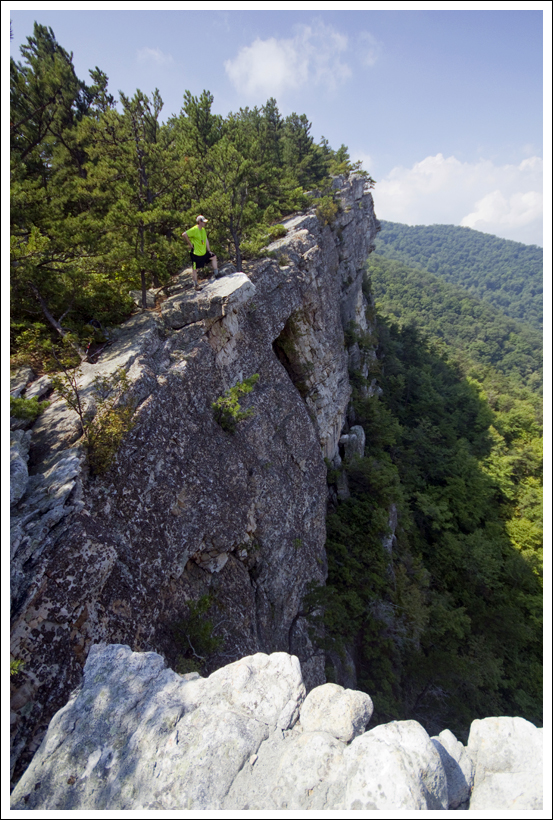


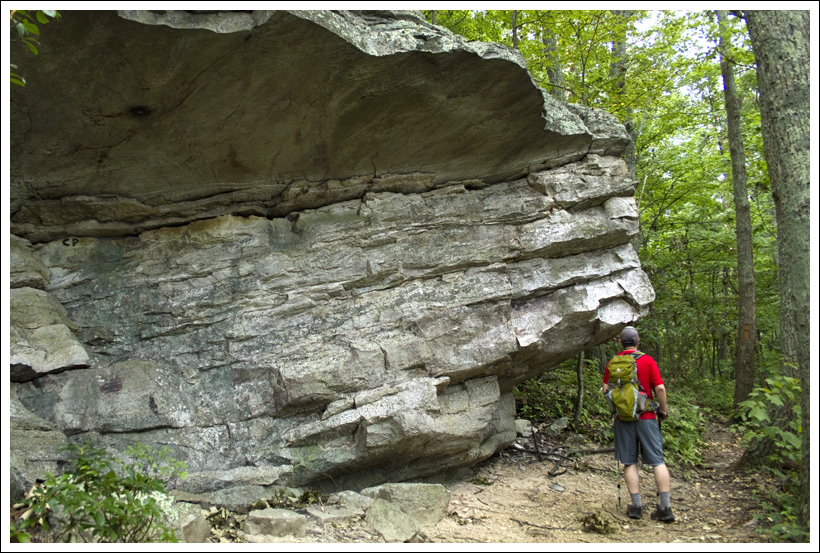


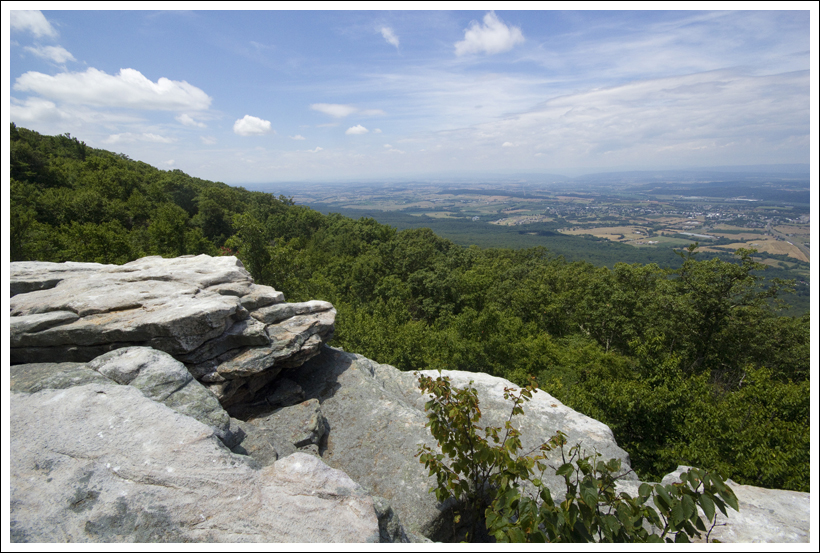

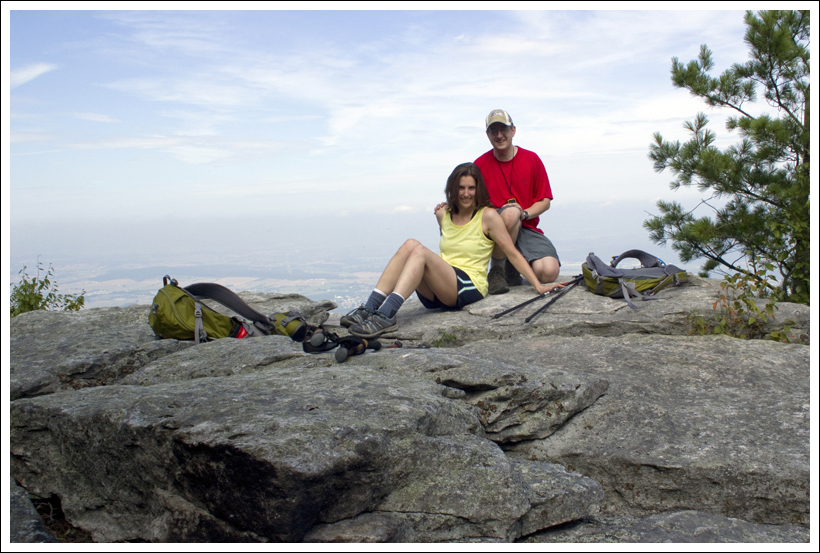



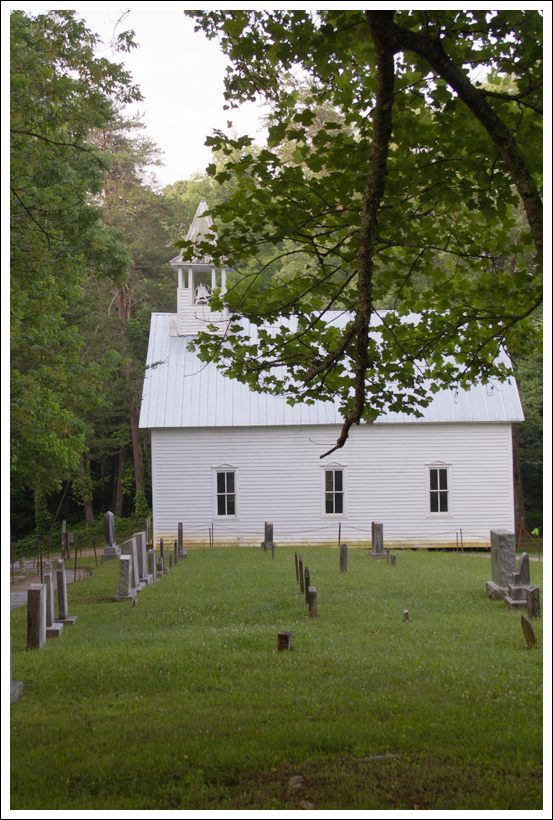
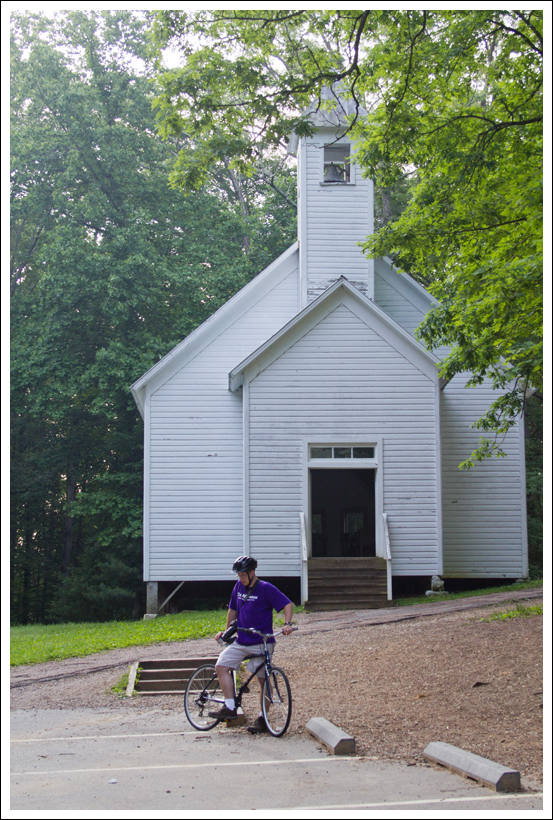

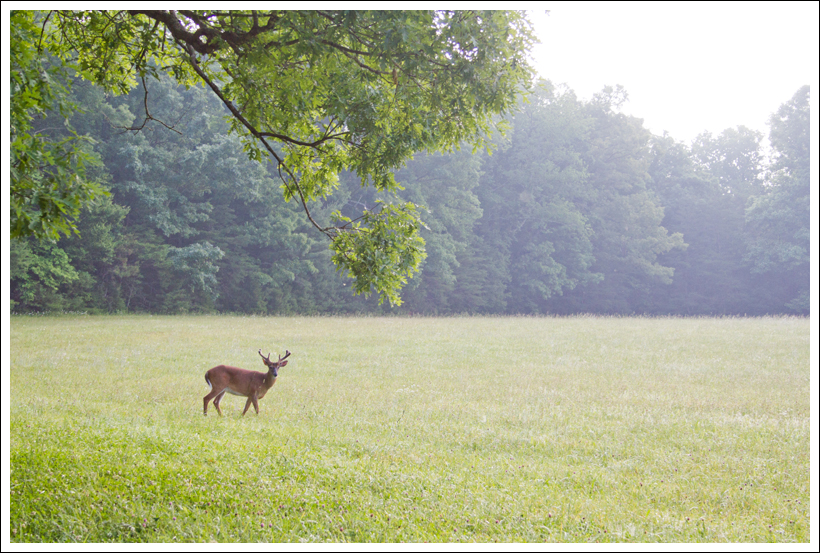
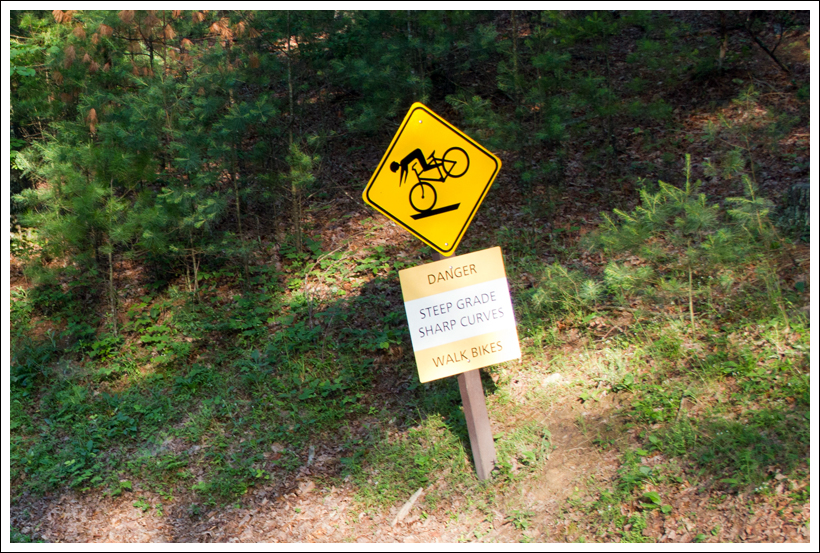


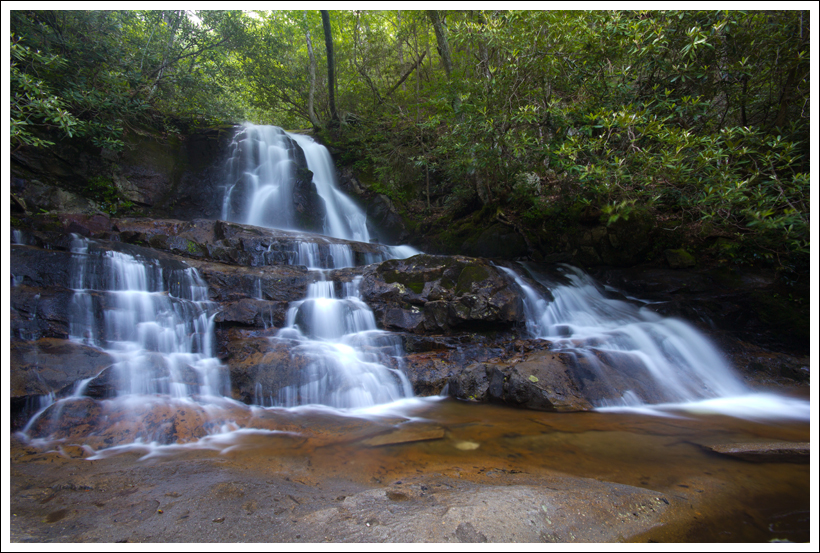
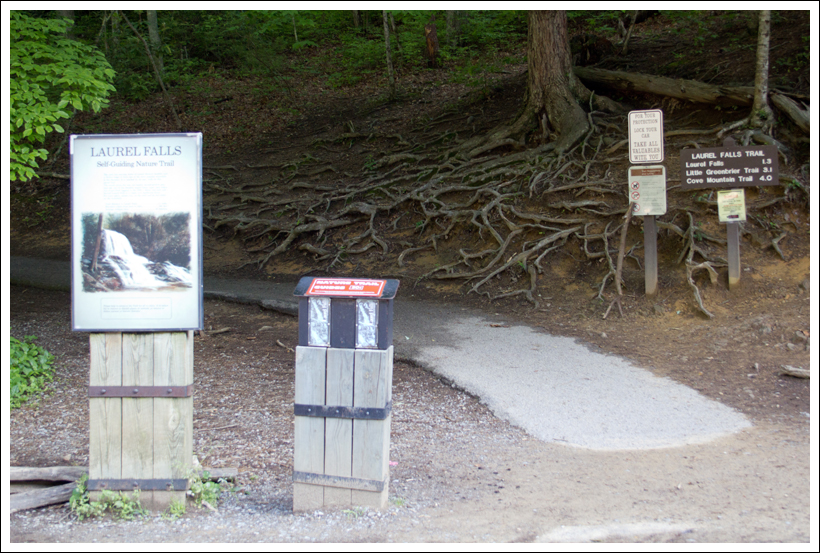

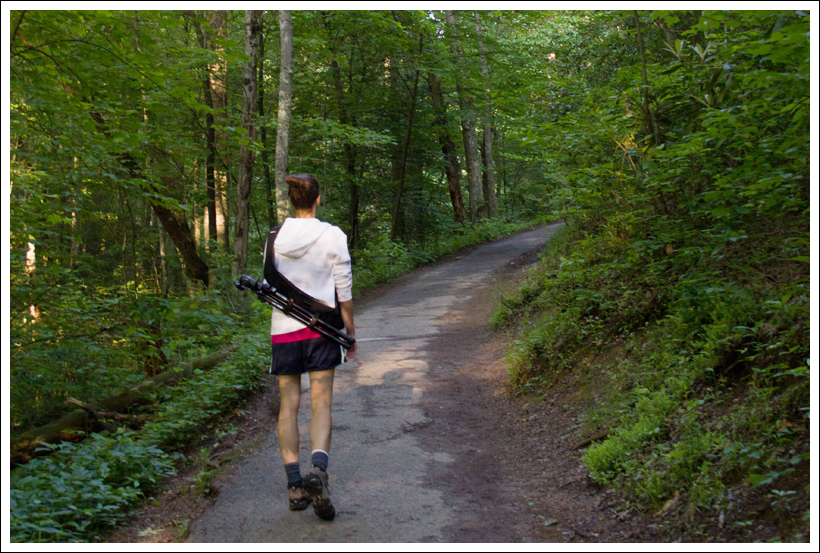


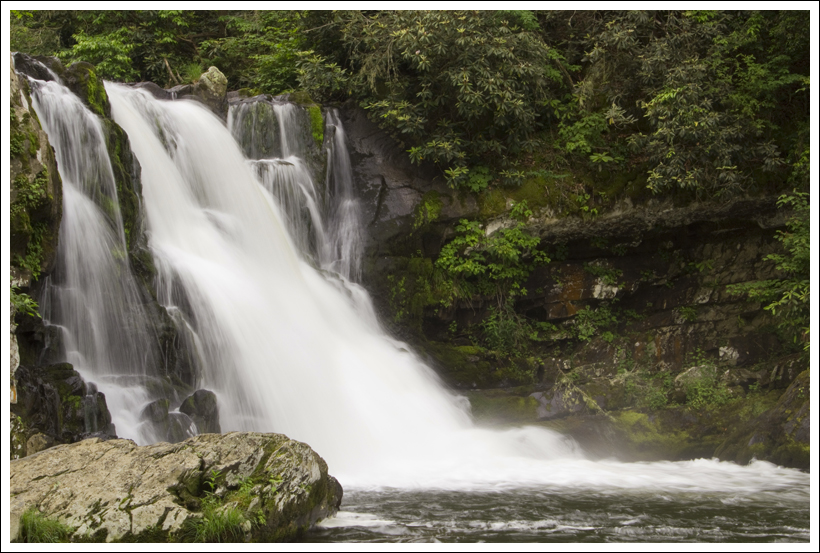
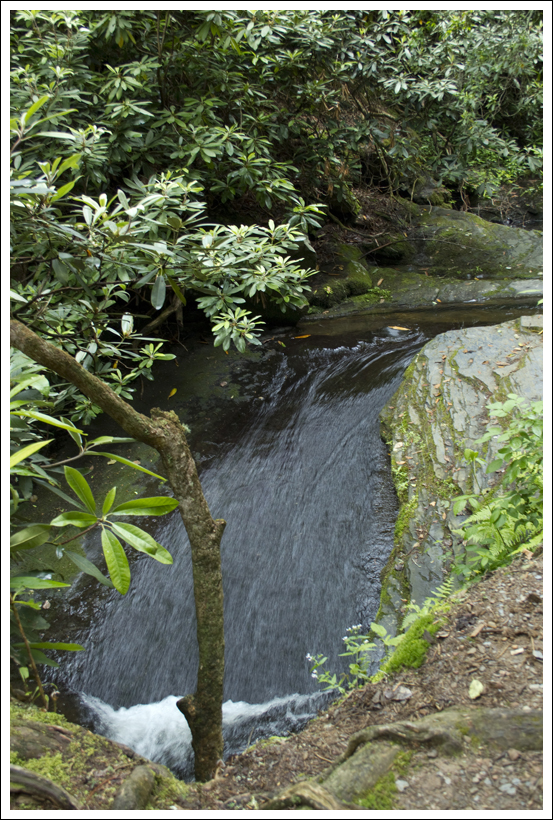

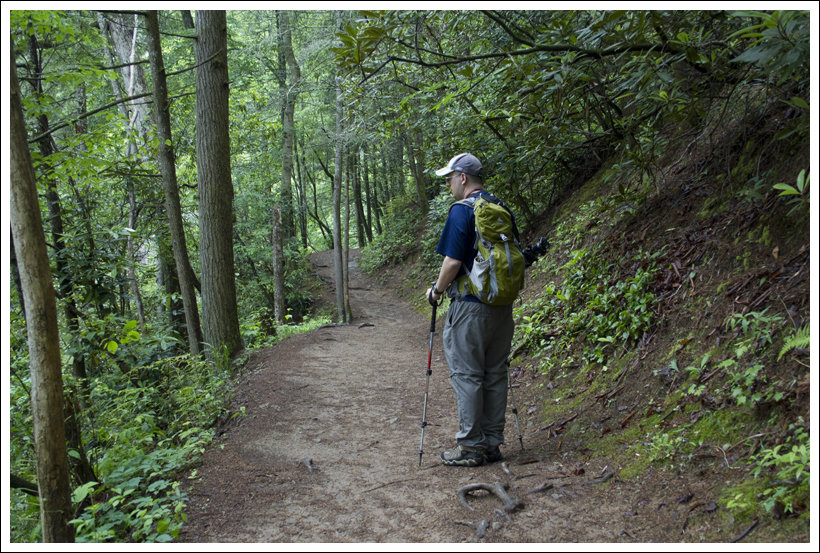
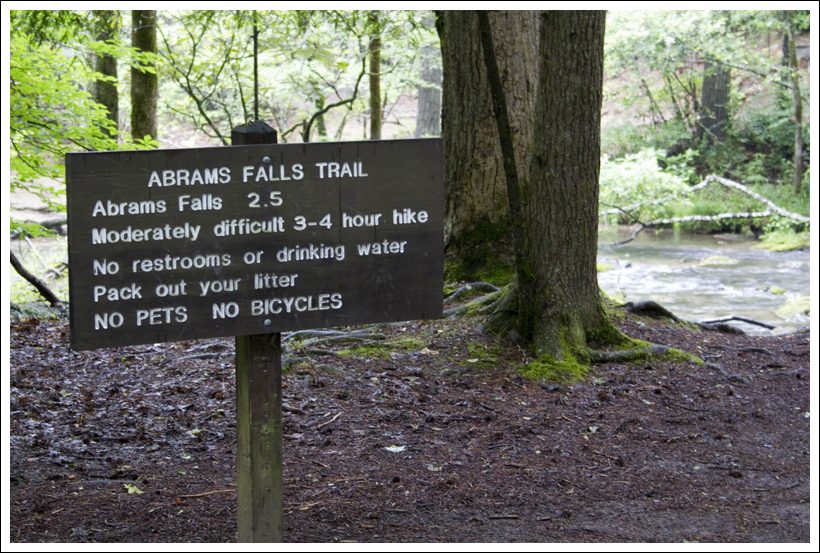
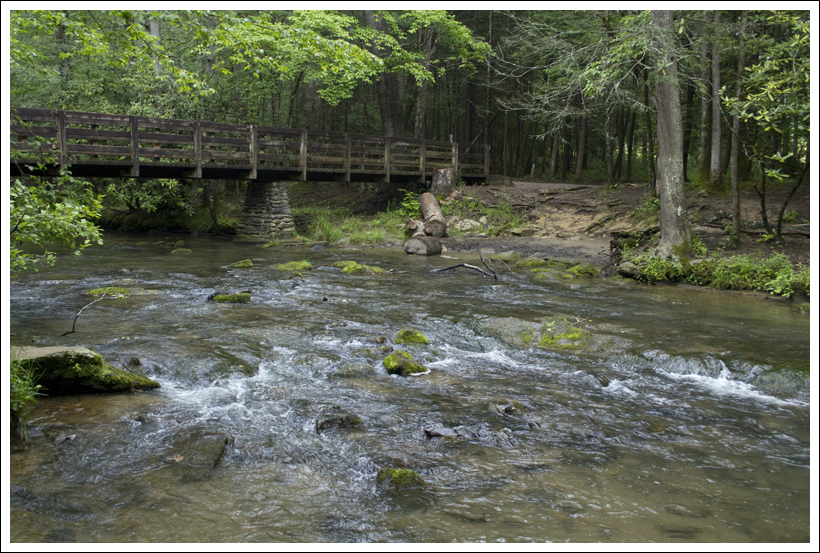
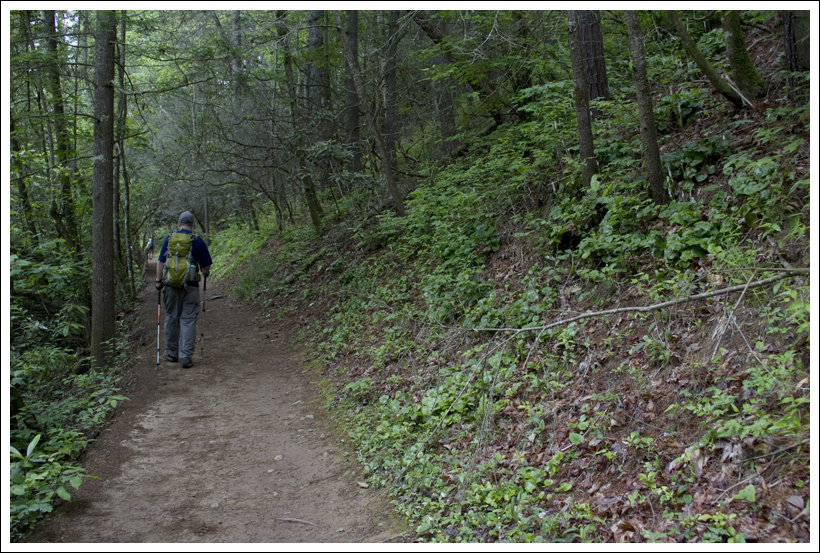
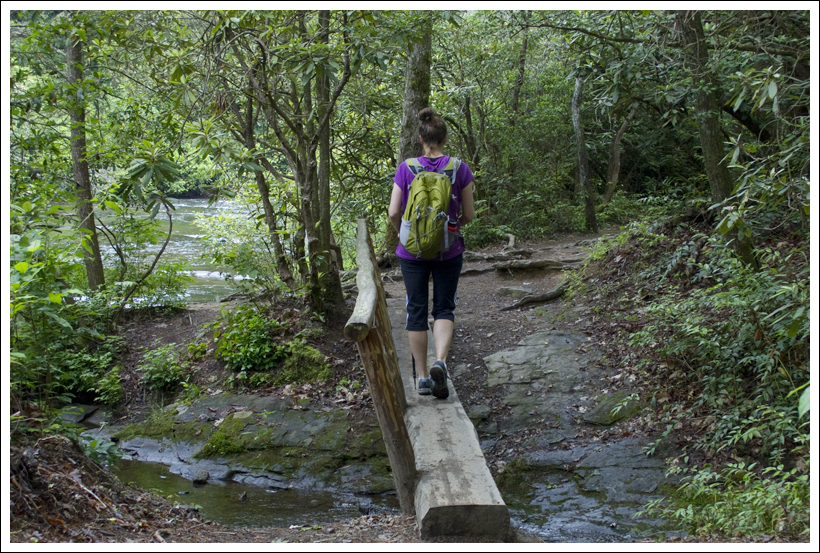
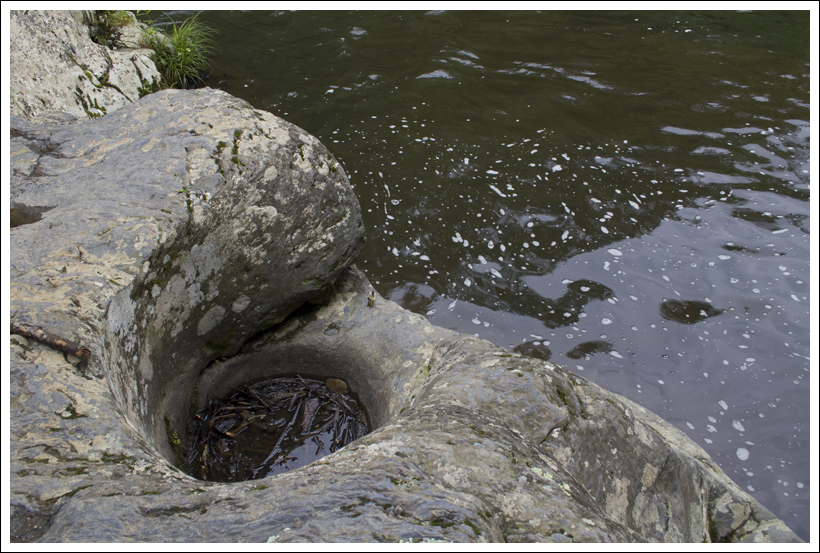
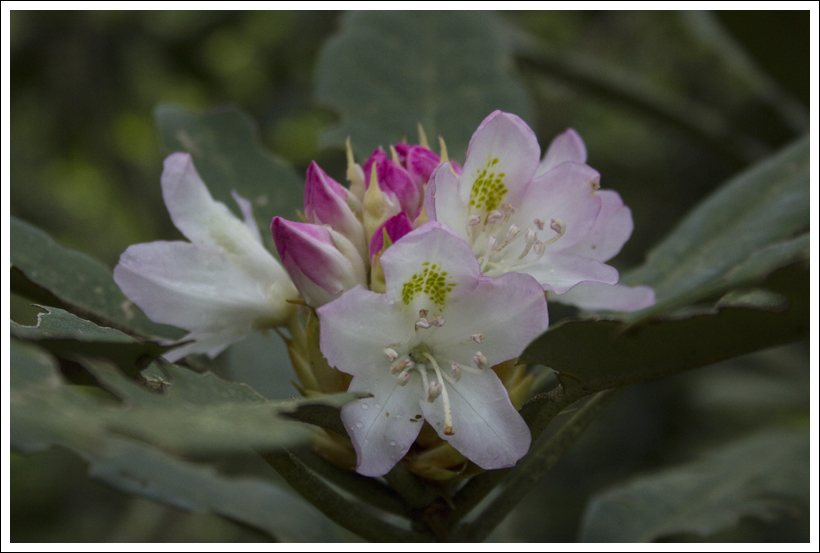
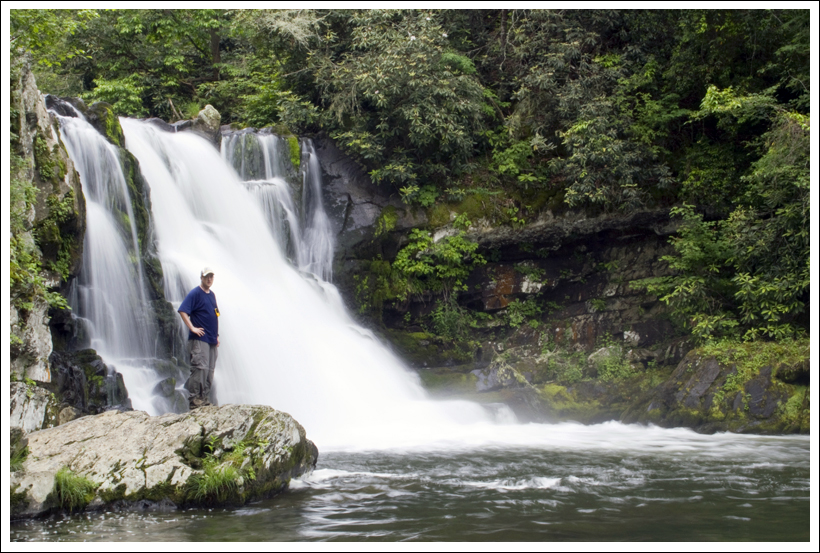

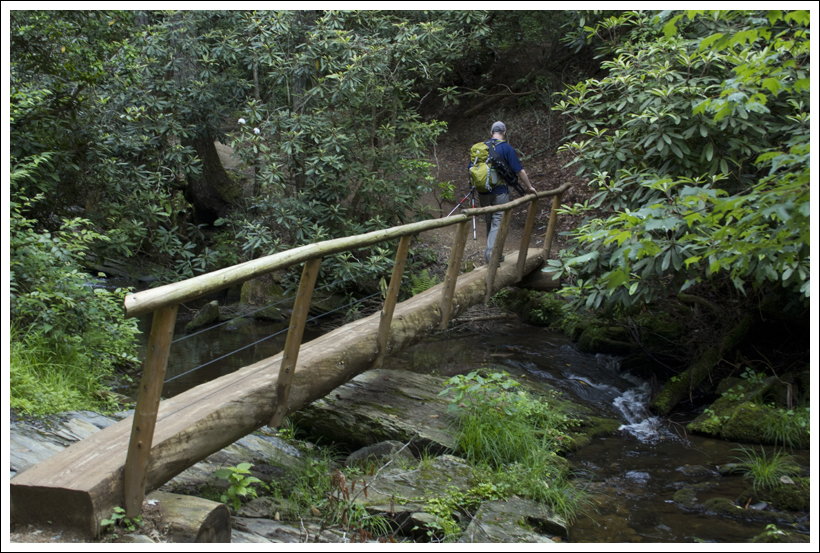

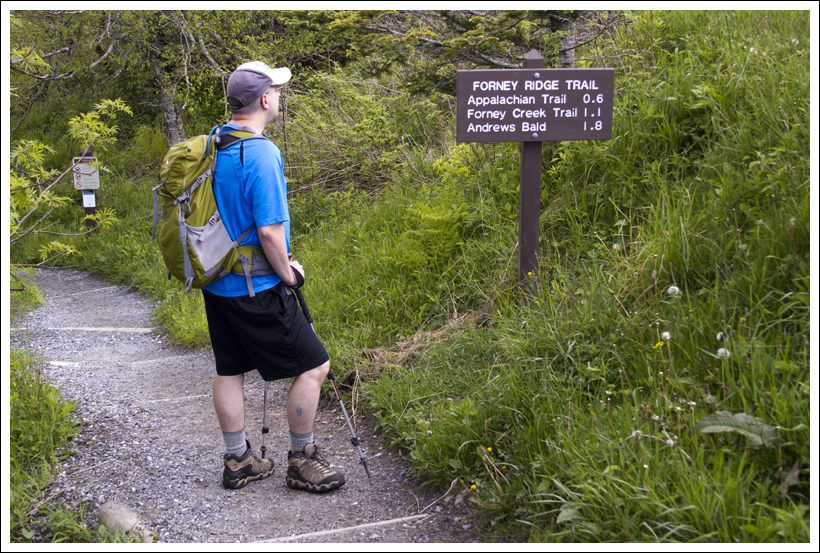

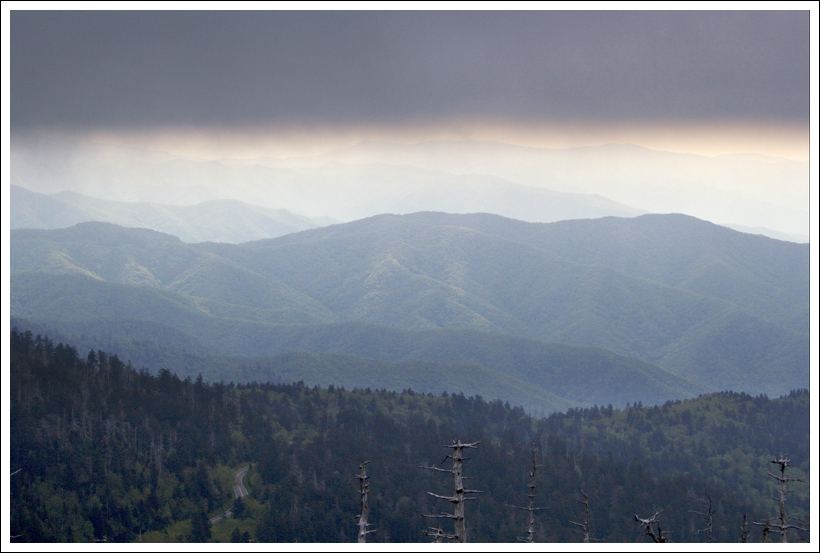
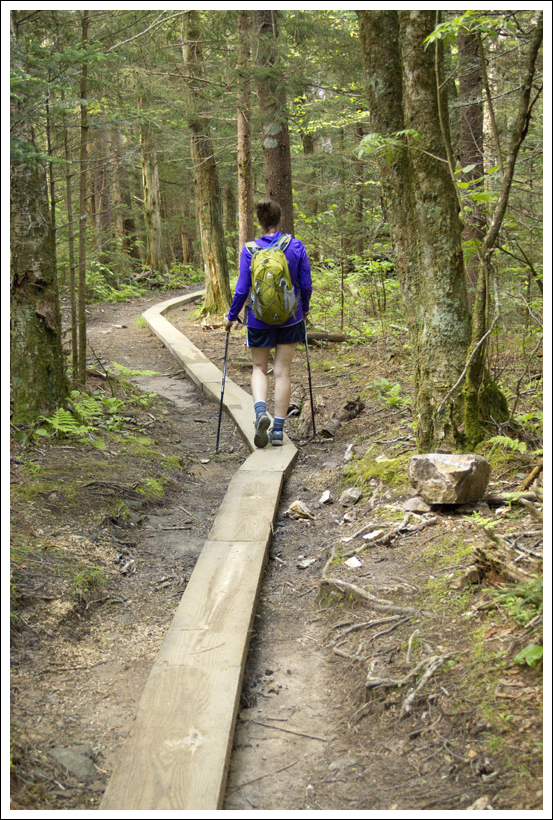

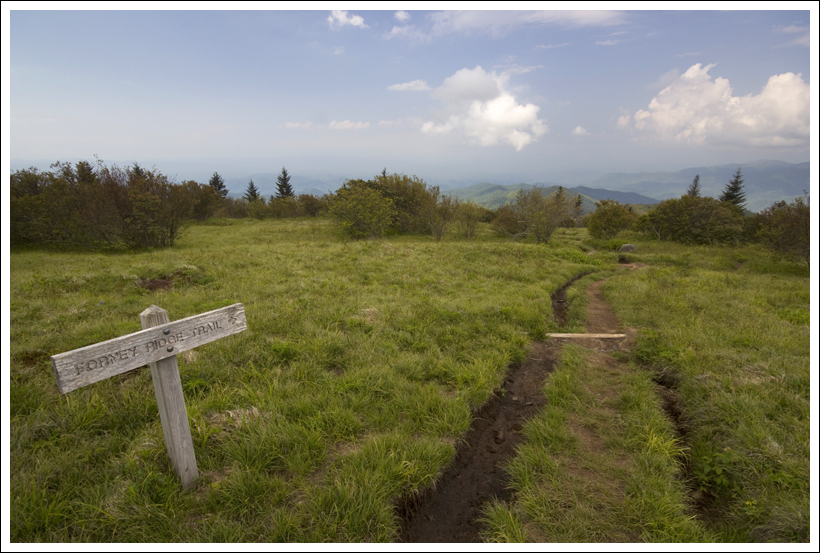

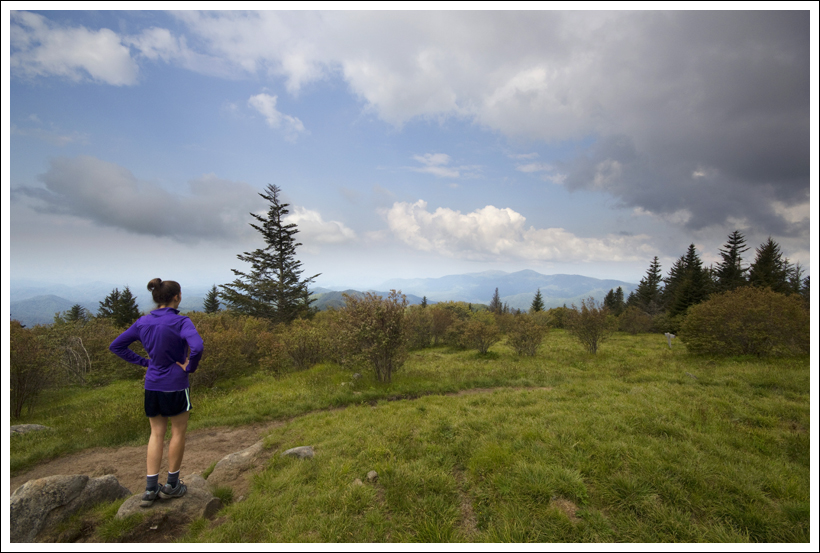
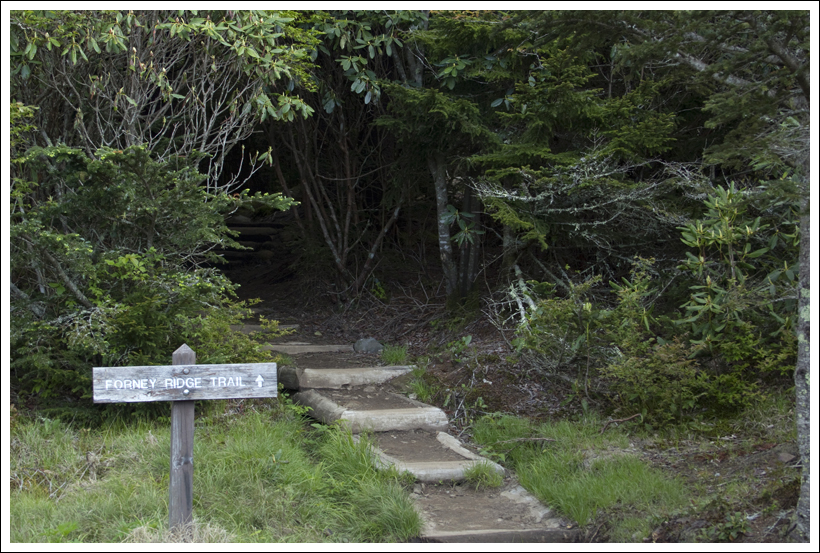


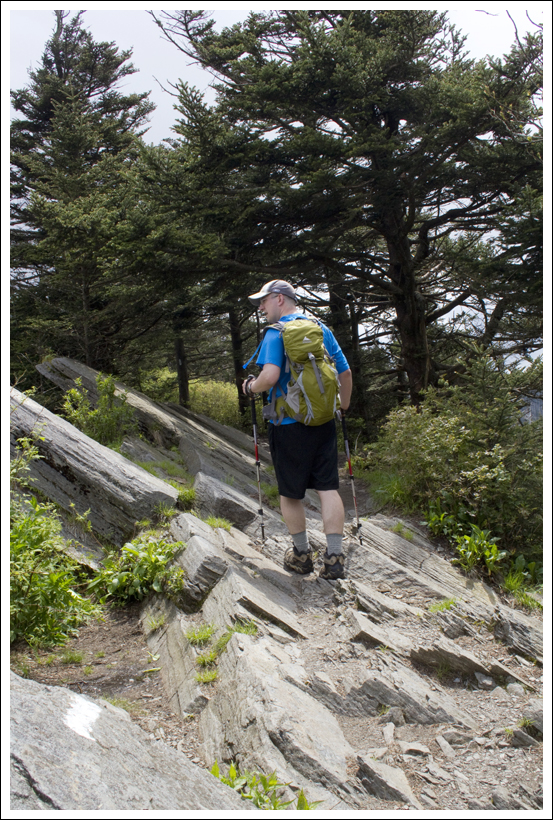

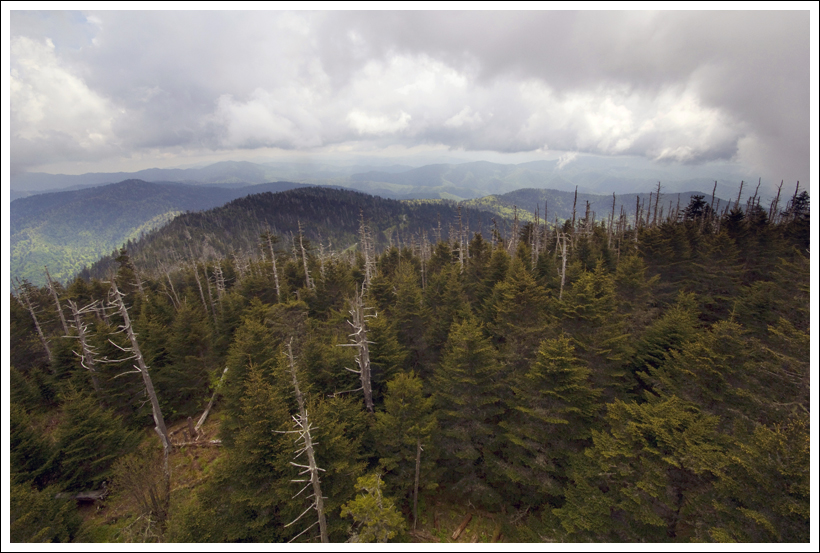
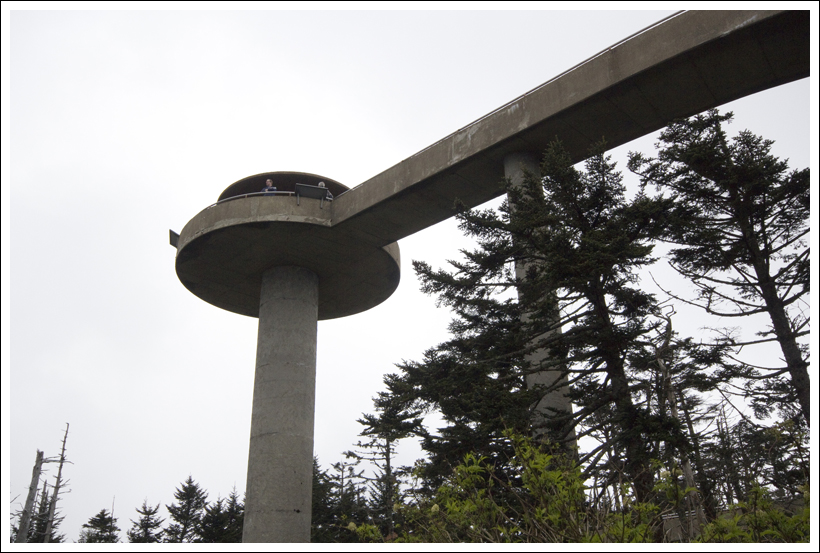
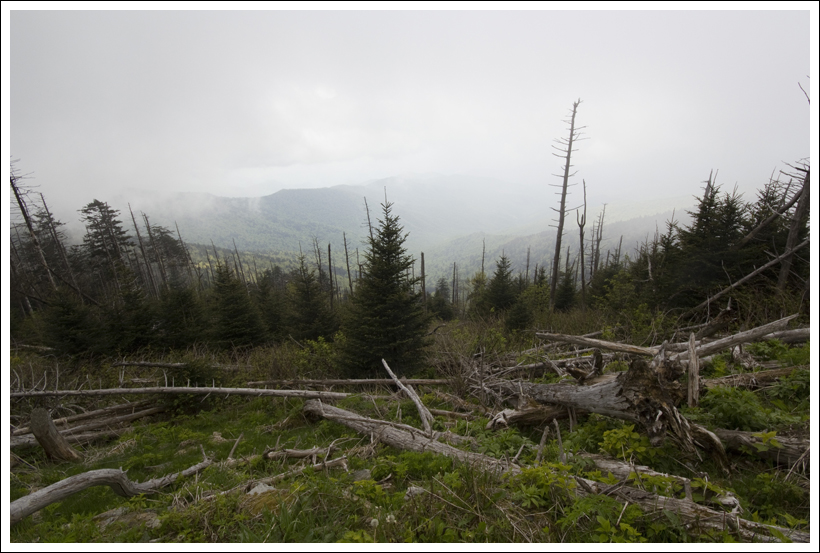
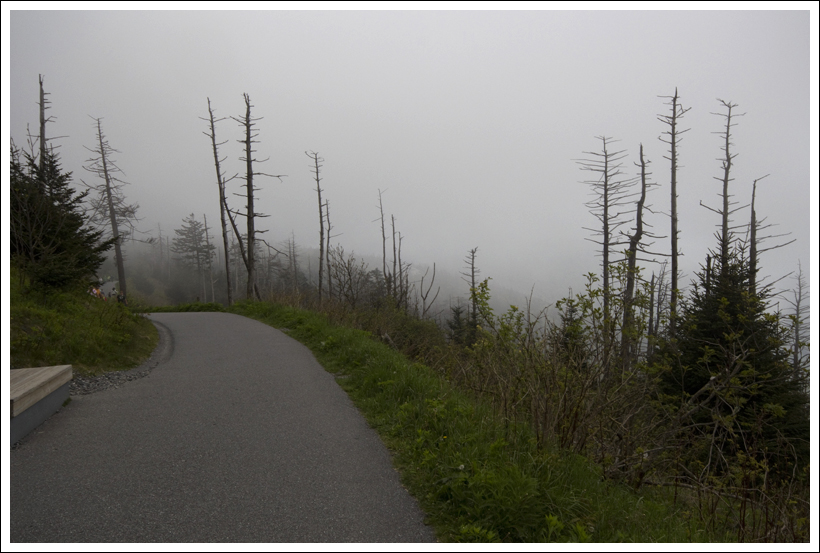


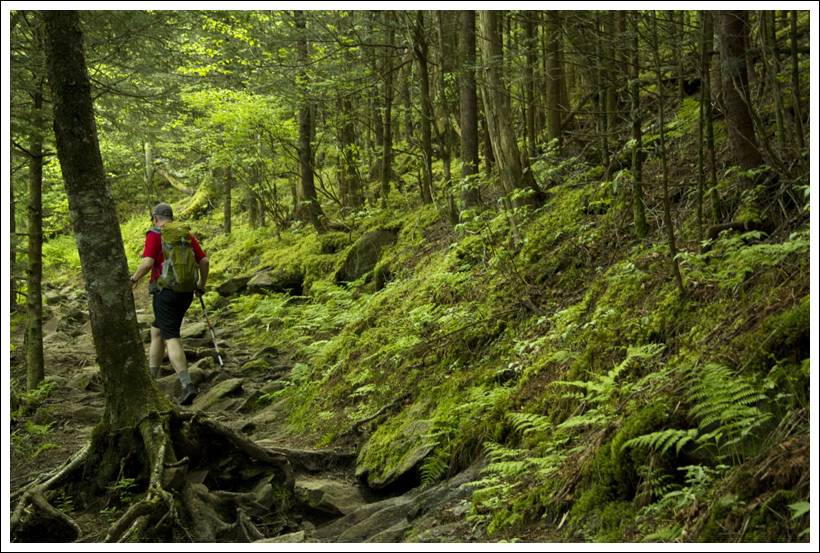


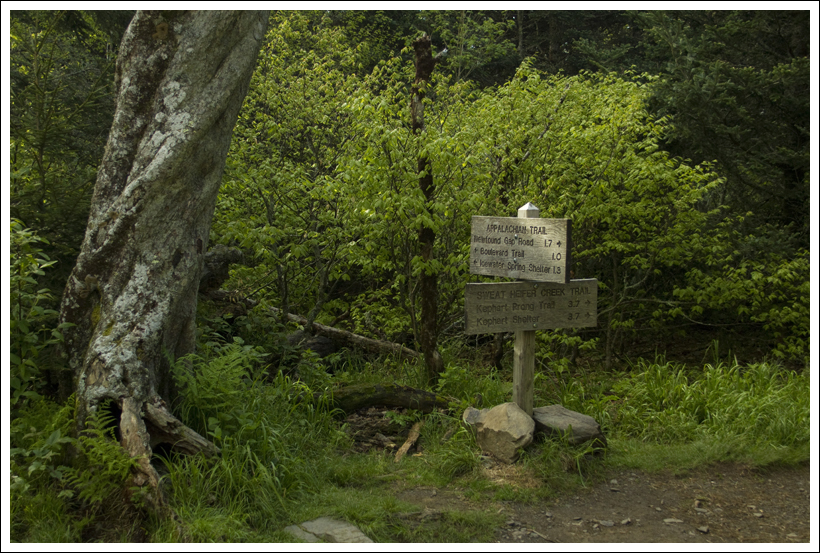

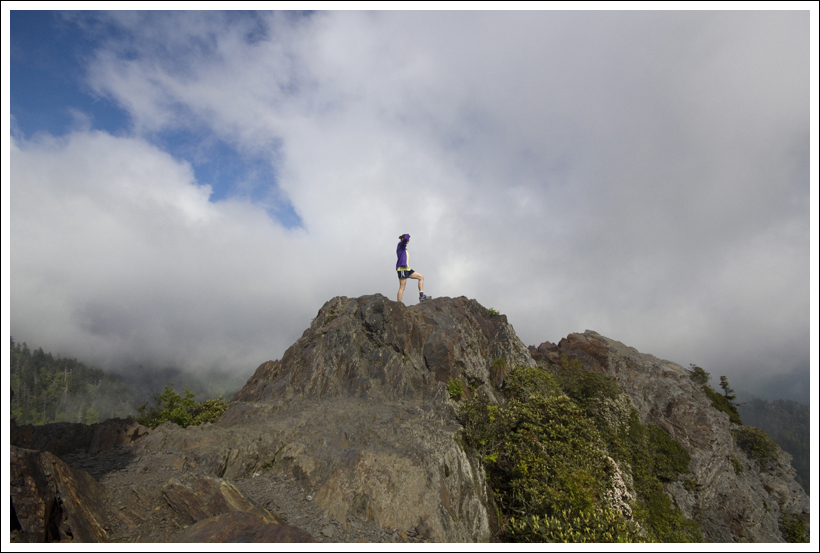


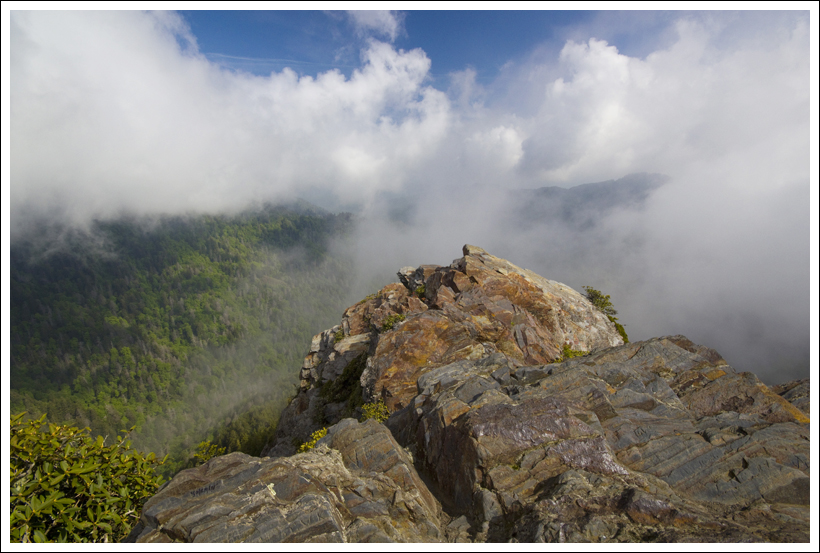
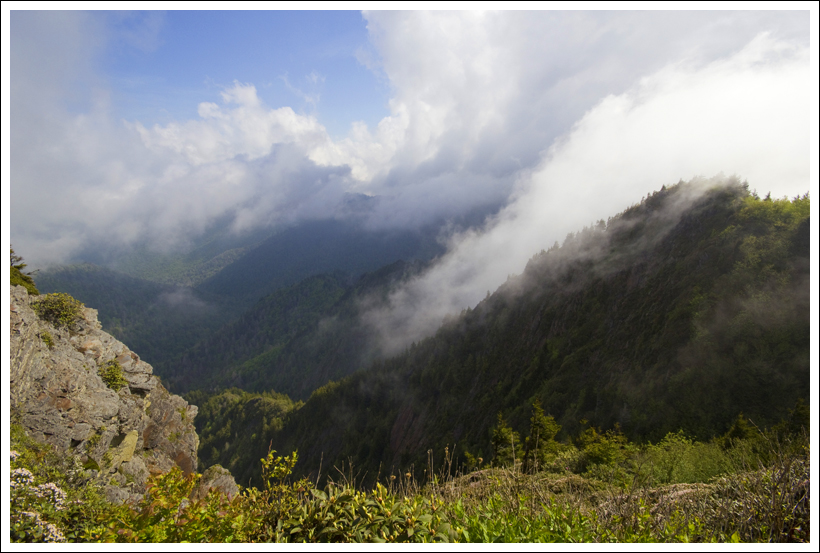
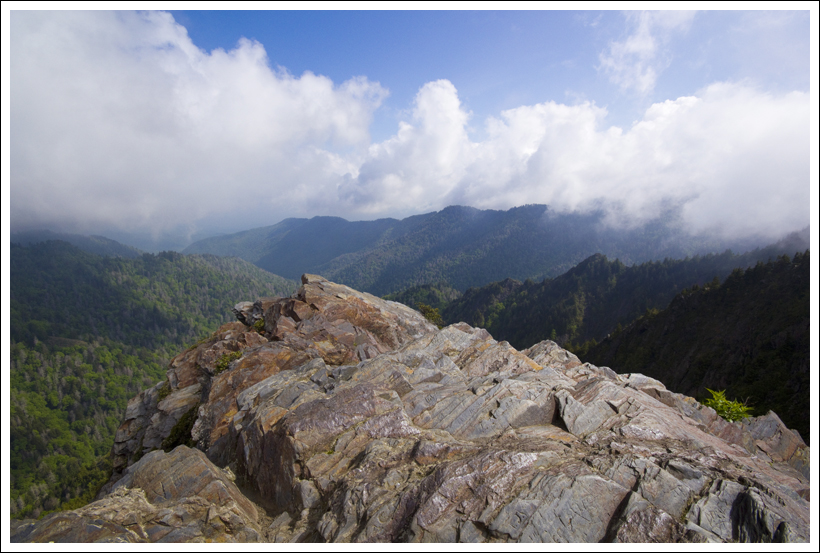

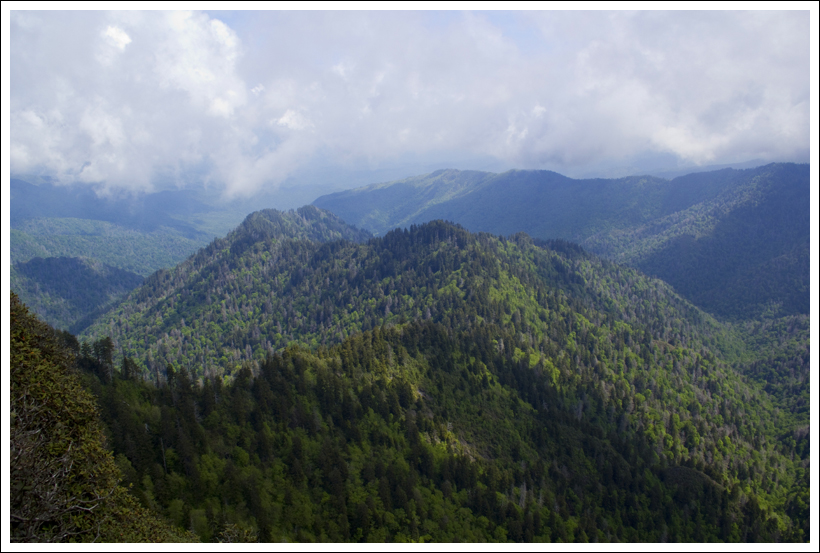

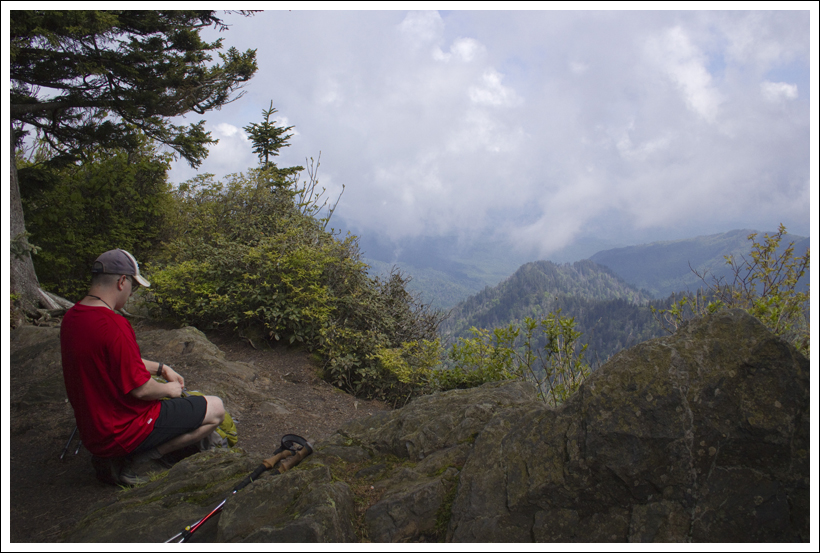
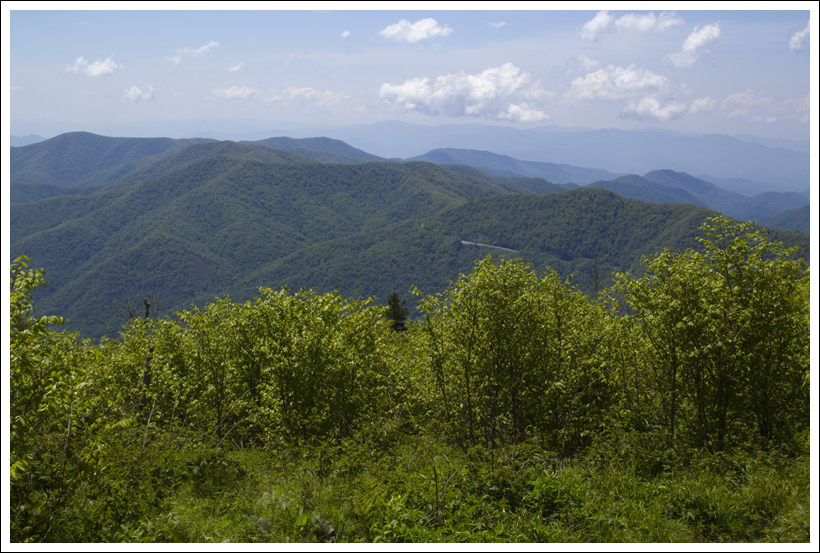


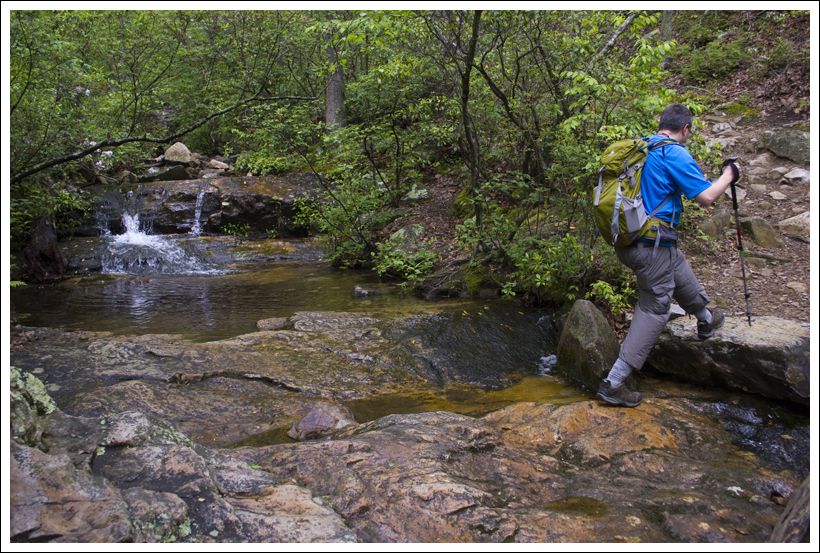





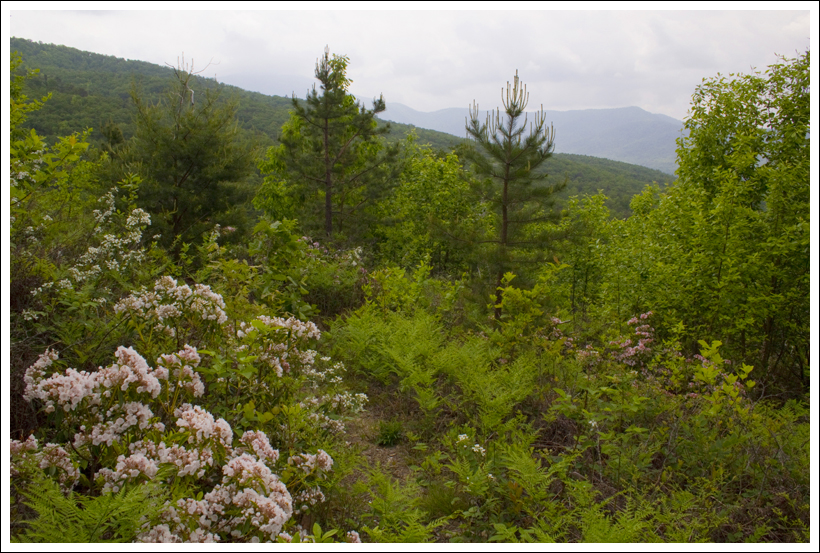

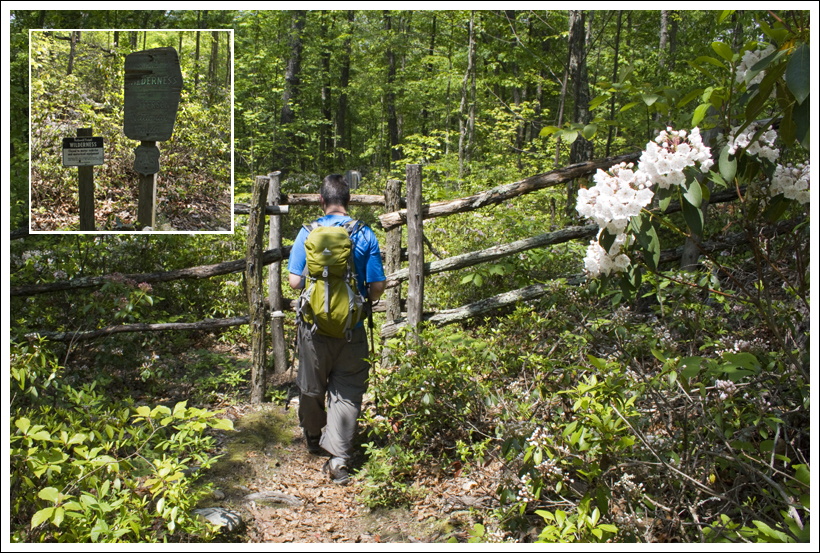

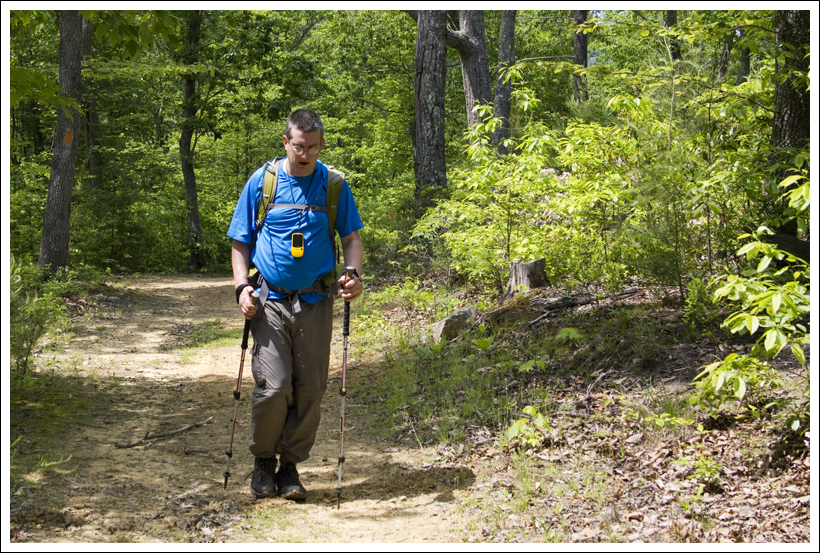









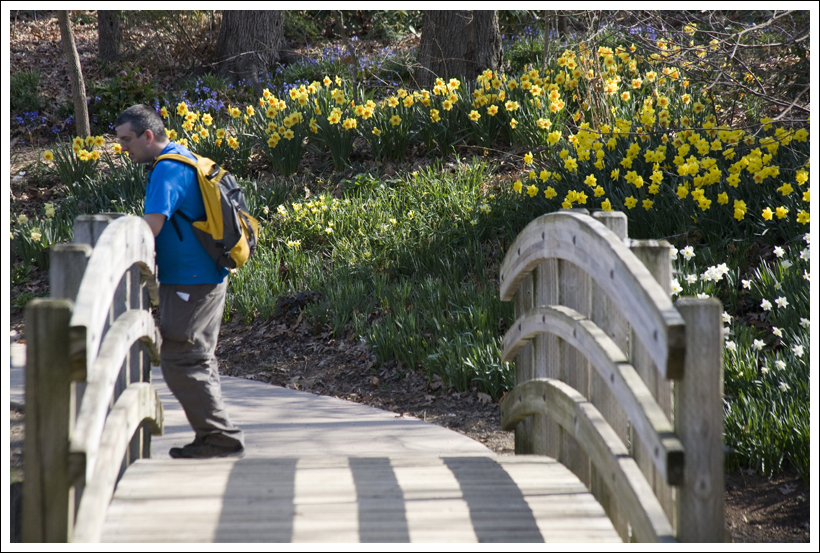
 Virginia Trail Guide