The Virginia Creeper Trail is a picturesque rails-to-trails path that winds its way for thirty-four miles through the Mount Rogers recreational area. The trail starts in Whitetop and ends in Abingdon, with Damascus sitting right in the middle.
We biked the Creeper section from Whitetop to Damascus on a rainy day many years ago. We planned to do the whole thing that day, but the rain became a heavy downpour and it was too muddy to enjoy biking. We tried to come back a couple times to bike the second half, but were foiled by more rain and tornado damage. Last summer, we finally made it back to officially finish the remaining 16 miles between Abingdon and Damascus.
We have our own bikes, but they were badly in need of tune ups, so we left them home and rented from Blue Blaze Bike and Shuttle in Damascus, Va. Adam rented a mountain bike and I decided on a cool, purple cruiser. The trail’s terrain is generally smooth and covered with small gravel, so I decided to go with plush comfort rather than more rugged equipment. The rental shop was affordable and their bikes were impeccably maintained.
We booked seats on their first shuttle van of the day, and ended up being the only riders. Our driver was fun to talk to and was a regular hiker and biker. The shuttle took us from the shop back to mile zero in Abingdon, Va. From there, it was a mostly flat 16 mile ride back to their shop.
The section from Whitetop to Damascus is far more popular than the section we did this time – it’s a little more scenic and it’s all downhill, so it requires very little exertion. Our ride was still very easy, but we did have to pedal! The nice thing about biking the less popular half on a weekday was that we practically had the whole trail to ourselves. We saw just a handful of other runners and cyclists. The Creeper can get very crowded and congested, so this was a treat!
The main things to see along the Creeper Trail are beautiful waterways and railroad trestle bridges. The section we rode passed mostly through farmland, whereas the other half is more wooded. It was still really pretty, and the breeze from riding the bike made the heat bearable.
We stopped for a short snack and drink break at Alvarado Station about 8.5 miles into our ride. The station was once a railroad stop halfway between Abingdon and Damascus. It is the only stop for snacks and restrooms on this half of the trail. Across from the restroom building, there was a nice trailside park with a pavilion and porch swings. We sat by the river and enjoyed the view. We even saw a heron!
After our break we pedaled the remaining seven-ish miles into Damascus. The last mile or so follows the main road into town, so there are more road crossings and car noise. The nicest thing about trails like this is that the mostly keep car and bike traffic separated, so you always feel safe riding.
We got back into town, returned our rentals, got some lunch at Wicked Chicken Winghouse – another decent lunch stop in Damascus. Afterwards, we drove back to our AirBnB and picked up the dogs and took them for a two mile walk along the Creeper. After we got them nice and tired, we headed to Abingdon Vineyards to try some wine. The winery is dog friendly and has lots of outdoor tables along the stream. The day finished up with desserts from Anthony’s Desserts in Abingdon. If you’re in the area, this place has the most amazing sweets – don’t miss it!
More Photos
Trestle #1 on the Virginia Creeper
Biking on the Creeper
Crossing railroad trestles
Trestle #2 – they are all numbered and there are over 35!
Pretty farmland
Adam biking along
Taking a break in the shade
Alvarado Station park
Horses are welcome and common on the Creeper
My sweet purple cruiser
Some small rapids near Damascus
Pretty blooms along the trail
Bike selfie back in Damascus
Pugs on the Creeper!
Abingdon Vineyard
Wine flight
Don’t miss Anthony’s Desserts in Abingdon
Seriously – don’t miss Anthony’s Desserts! This is just half the case!
This 56-mile backpacking trip traverses some of Virginia’s very best Appalachian Trail scenery! There are panoramic vistas, windswept balds, meadows full of wildflowers, pretty streams, and even wild ponies. We were lucky enough to have six days of nearly perfect weather and not a single drop of rain!
We hiked across an open pasture full of cattle. Below: Mt. Rogers Outfitters provided safe parking and shuttle service for our trip; Crossing the footbridge over the South Fork of the Holston River; Signing the log book as we begin our hike.
Day One – South Fork Holston River to Hurricane Creek Campground (9 miles) – Christine
Bright and early on Monday, May 20, we piled into our car and made the three and a half hour trip down to Damascus, Virginia. Town was busy with many thru-hikers still lingering after Trail Days (the huge, annual hiker festival and party hosted by the town.) Knowing we had six days of oatmeal and trail mix ahead of us, we enjoyed a fresh lunch at Mojo’s Trailside Cafe. Their food is excellent and the place has such a cool hiker vibe. After eating, we drove over to Mt. Rogers Outfitters to meet our ride. Our shuttle driver turned out to be a local woodworking artist named Matthew Newman (he has a gallery in town.) He was right on time and the trip to our start point flew by as he shared stories about the area’s history and geology. The Appalachian Trail crossing of the South Fork of the Holston River is in the middle of nowhere – just a tiny one-car pullout along a lonesome back road. We crawled out of his van, made sure we had all our stuff, and hit the trail. It was already 1:30 and we had nine miles to go before we reached our first camp stop.
We signed the wilderness-area logbook and crossed the wooden footbridge over the Holston River. We immediately started a gentle climb uphill through the woods. Eventually we reached a gravel road that paralleled a farm field. We climbed over a stile into a livestock pasture. The cows were completely indifferent to us, grazing and swinging their tails to swat flies away. The trail climbed steadily across the open terrain. We had some nice views of mountains behind us, but the sun felt hot and strong. We were glad to get to the stile on the south end of the pasture and duck back into the shade. After leaving the pasture, we had almost four miles of non-stop climbing. It wasn’t terrible uphill, but it was steady. Kris and I took a detour and visited Trimpi Shelter about a mile into the climb. It was a cute shelter with a center aisle, indoor stone fireplace, and abundant flat space for tenting around the shelter. Even though it was only a bit after 2:00, there were already a few hikers stopped for the day.
Comer Creek Falls was small but pretty. Below: Blooming Catawba Rhododendron; Abundant ferns along the trail; The AT is like a ribbon through the woods.
We climbed for another three miles. At the end of the ascent, we had a gorgeous, flat ridgewalk through lush fern. We trekked along until we reached the junction with a blue-blazed side trail that leads down to the forest service campground at Raccoon Branch. We stopped at the junction for a snack and gave Kris a chance to check on her feet. She was feeling a few hot spots in her new hiking boots and was dismayed to find several big blisters already forming just several miles into our hike! From there, we had a long meandering downhill to Dickey Gap. We passed lots of blooming flame azaleas and Catawba rhododendrons – and even a few early mountain laurels. We got to Dickey Gap a bit after 4:30. We chatted with a couple thru-hikers sitting in the shade under kiosk at the road crossing. They asked about the terrain headed north and indicated that they were going to try and make it to Marion (which was still 14 miles away!) You really have to admire thru-hikers’ ability to crush big miles like that.
The trail sign on the other side of the road said we had about 2.5 miles to go to reach our first campsite of the trip. About a mile later, we found ourselves at the base of Comer Creek Falls. The bridge across the creek was partially sealed off with yellow hazard tape. A sign indicated that the bridge was closed and hikers should backtrack and follow the detour indicated on the map. Well… we were all tired, Kris’s blisters were excruciating, and Adam was having back spasms. We just wanted to get to camp. We made a joint judgment that the bridge looked sturdy enough and decided to cross it one by one. Clearly, since I’m now writing this post — we lived! It really wasn’t all that dangerous. And, I guess sometimes you have to break the rules and live on the edge.
It’s nice to have a private campsite with your own picnic table. Then you’re free to spill your food and gear out everywhere and take up the whole table. When you’re at a shelter with others, you have to be nice and share space. Below: The bath-house at Hurricane Creek; One of many beautiful campsites at the campground.
A mile later, we found the spur trail down to Hurricane Creek Campground – one of the USFS campgrounds in the area. We had already paid for a site ahead of time, but found the entire campground pretty much empty. We easily could have claimed any of the walk-in, first-come-first-served sites. I chatted briefly with the campground host. He handed me a pamphlet and told me a bear had been opening car doors and stealing food. He recommended we store our food in the locked trunk of our vehicle. Hmmm… I guess he didn’t really notice that we all showed up on foot!
One of the perks of staying at the campground instead of an AT shelter was the fact that the campground had hot showers. I don’t need a shower every day on the trail, but any time I can get one, it’s a nice morale boost. It feels good to be clean when I crawl into my sleeping bag at night. We made a campfire, cooked dinner, and did our best to dodge the thick clouds of mosquitoes swarming around. Adam wrote a hilarious rap tune for our section hike, and each night during the trip he added and performed a new verse about our adventures for the day. After discussing the bear issues in the area, we ended up storing our food inside the vault toilet building across from our campsite. The door to the bathroom latched securely and the campground was empty, so it seemed like the best option. We ended up staying up until almost 10:00 – way past typical hiker midnight. Eventually, we headed to our tents and drifted off to sleep.
Download DAY ONE Maps and Elevation Profiles
Day Two – Hurricane Creek Campground to Old Orchard Shelter (8.7 miles) – Adam
Day two was completely in the green tunnel – no views. If you look closely, you can see Adam making his way uphill. Below: Hurricane Mountain Shelter; Taking a break from the heat and the strain of carrying packs; More trail scenery from the second day.
We started off day two from the campground, following the spur trail for about .7 mile back to the junction with the Appalachian Trail. Most of the day consisted of uphill climbing, but fortunately there were many water sources, so we didn’t have to carry a large (and heavy) amount of water.
About 1.5 miles into our walk, we passed through a beautiful section of trail surrounded by blooming rhododendron and azaleas. For a while, the trail was rolling and easy, but at the junction with the Hurricane Creek Trail, the trail took a turn steeply uphill along a wide, road-like section. Around the 3.9 mile mark, we took the .1 mile side trail on the right that led us to Hurricane Mountain Shelter. It was a nice place to eat a snack and stretch out our legs and backs (and tend to our feet). After the shelter, we had just over a mile more of steep climbing to reach an area known as Chestnut Flats. We had climbed about 1400 feet already; this wasn’t that bad over a long stretch, but there were some short steep sections along the way. At this top bump, the AT also reaches a junction with the Iron Mountain trail. We passed lots of hikers sitting trailside, using their phones. This was one of the few spots on the hike that actually had cell reception. Lots of people were catching up with texts, calls, and social media. We also came across a thru-hiker that told us there was some great trail magic ahead. That is always a motivator to any backpacker – you want to move quickly so you don’t miss out.
Trail Magic provided by Greybeard and Been There. Christine is eating a hot dog and Kris is using some of the first aid supplies to fix her feet. Below: The footbridge over Fox Creek; Our last climb of the day; Dropping packs at our selected campsite for the night.
It was a steep downhill for the next mile and a half, but we soon reached Fox Creek, VA 603. As soon as I crossed the road and parking lot, I saw a sign in the tree pointing to Trail Magic. When I walked into the area, I was blown away by the setup. There were two guys, Greybeard and Been There, that had set up a large trail magic area. They said all hikers – thru and section – were welcome. They had grilled hot dogs, marinated chicken, a tub of fruit, homemade pie, cold sodas, and tons of snacks to take with you. They had a table filled with medical supplies for the taking and a handwashing station. They even had camp chairs (with backrests – a true luxury) and a campfire. Greybeard has been setting up here for years on the week after Trail Days. He runs a GoFundMe page for contributions to buy all of the food and supplies. Been There was helping out with cooking and making sure everyone was in good health and spirits. It truly restores your faith in humanity to see people out there caring for other hikers and it was great to relax and talk trail with everyone there. Greybeard left camp while we were there because he found a stuff sack of food that one of the thru-hikers had left behind. He went further up the trail to leave it at a shelter the hiker would find – it would stink to leave days worth of food behind. They also told us the previous night they had a bear come into camp. After not getting food near the tents and campfire, he ambled over to the nearby parking area and broke into a trailer. Apparently, he made off with a full case of hot cocoa packets before moving on to steal feed from the horse camp across the road.
The nice people we shared a campfire with at Old Orchard. Below: Our lovely campsite under the shady tree canopy; Old Orchard Shelter; The privy at this shelter was huge and airy.
While it was tempting to stay near the trail magic camp, we pressed forward to our planned stop. We had another steep climb to reach our endpoint, but we felt renewed from our brief respite. At 8.7 miles, we reached Old Orchard Shelter. We were one of the first groups to arrive for the day, so we staked out a prime spot on in a flat grassy area – taking care to avoid the abundant poison ivy. Over the course of the evening, more than 20 people arrived and set up their own tent sites. The water source was a bit of a walk from the right side of the shelter, but was flowing nicely. We set up camp and then began to make some dinner – PackIt Gourmet Kickin’ Chicken Wraps. There was an odd-acting person at the shelter, so we ended up having about 14 people come sit at our campfire. We joked that we felt like the “cool kids” since everyone came to hang out with us. You always meet interesting people on these hikes. We met a Texas acupuncture doctor (who I discovered knew a mutual friend), a woman that was flying home to get married in just a few days, a woman from Germany out with a guide, a college professor hiking with her niece, and a couple of fire fighters from New York that drove down to do a section. It’s crazy how so many different people can come together over a fire that all share a passion for hiking. We had a great night talking with everyone and were excited about the next couple of days on the trail.
Download DAY TWO Maps and Elevation Profiles
Day Three – Old Orchard Shelter to Massie Gap (8.7 miles) – Christine
Adam climbs the Appalachian Trail leaving Old Orchard Shelter. Below: The gate at the top of Pine Mountain; Sunshine on Pine Mountain; Descending toward Scales Livestock Corral.
Our miles for the day started with a thousand foot climb to the summit of Pine Mountain. At the top of the mountain, we passed through a gate and followed the edge of a sunny meadow for a short distance before going through another gate where the trail went back into the woods. We descended through pretty forest for about a mile – there were pine roots, ferns, and abundant yellow flowers. As the trail leveled out, we found ourselves walking in a cloud. The sunshine we’d had back at the top of Pine Mountain had given way to low clouds settling between mountains. Through the mist, we could see a small building on a hillside off in the distance. At first I thought we were coming up on Wise Shelter, but I soon figured out the shelter was still miles away. What I actually saw was the vault toilet building at Scales Livestock corral. It has to be the most scenic privy in Virginia!
Adam hikes toward Scales Livestock Corral. Below: The prettiest pit toilet in Virginia; Fog on Stone Mountain; Flame Azalea.
After Scales, we had a short but steep uphill to the top of Stone Mountain – the four mile mark for our day. The long, pleasant ridge-walk should have offered beautiful views, but we were still socked in by heavy clouds. It was cold and windy along the summit walk. After a gradual descent of Stone Mountain, we entered Little Wilson Creek Wilderness. It was lovely and green. At 6.2 miles, we reached Big Wilson Creek and the junction with the horse trail. We crossed the stream on a wooden footbridge and went over another stile. I was paying close attention to my footing as I crossed a rocky area. Adam looked back at me from ahead and nonchalantly said, “Hey… I’m going to stop here and take photos of some ponies.” PONIES! I thought he was kidding at first. I didn’t expect to see ponies until day four. But sure enough… there was a band of six ponies grazing in marshland along the trail. Adam stepped slightly off trail to get a better view when suddenly a tiny black foal popped out of the deep grass. He couldn’t have been more than a week old and he was beautiful! The three of us all greatly enjoyed spending time watching these wonderful animals. The ponies eventually wandered deeper into the marsh, and we continued another .2 mile to Wise Shelter – our lunch stop for the day.
Our first Highlands ponies of the trip. We loved the tiny foal. Below: Little Wilson Creek Wilderness; Watching the rocky footing right before seeing ponies; What a gorgeous pony; Wise Shelter – our lunch stop.
We decided to take a long break and enjoy a hot lunch. We had some extra food to use up since we had a trail magic lunch the day before. Kris made a salmon pesto meal and Adam and I shared a package of Good To Go Mushroom Risotto (one of our favorites!). We had delightful lunch companions – two women from Sweden, a man from Kentucky, and a British guy – all thru-hikers. After they hiked on, we were joined by a man who was less-than-pleasant company, so we packed up and made our way into Grayson Highlands State Park. The park’s boundary is just south of the shelter.
From the shelter, we just had about 1.5 miles of climbing to reach the spur trail to the parking area at Massie Gap – our end point for day three. That 1.5 miles was incredibly scenic. The area is covered with only low shrubs and small pine trees, so the views are open in every direction. There are rock formations, wide meadows, ponies grazing, and (if you’re lucky like we were) blooming rhododendrons. We took tons of photos, watched ponies frolic, and enjoyed the magnificent views. It was everything we hoped the trip would be!
Approaching Grayson Highlands. Below: Adam is on top of the world; Blooming rhododendron; More beautiful ponies.
Around 2:30, we made our way down to Massie Gap where we were meeting the owner of the Grayson Highlands General Store and Inn. We had called him from the junction of the AT and the spur trail down to parking. After about 15 minutes of waiting, Dennis came along in a truck and whisked us away for a night of hiker-luxury. We had reserved the inn suite for the three of us. We also sent a resupply box with food for the second half of our trip. Carrying a full week of food is very heavy (backpackers typically carry 1 – 1.5 pounds of food per day), so it’s a treat to be able to resupply every 3-4 days. At the inn, we enjoyed pizza, beer/wine, and ice cream! Our suite had two bedrooms, a kitchen, a bathroom, and even a washer/dryer. We were all able to shower and wash our sweaty clothes. We spent most of the evening relaxing and repacking our bear canisters. It was nice to sleep in a queen size bed – so spacious compared to the floor space in our tiny tent! I would highly recommend the Grayson Highlands General Store for anyone who wants a night off-trail in the area. The accommodations are simple, but they’re very clean, affordable, and comfortable. Also, the staff at the inn takes great care of hikers! We really enjoyed our stay.
Waiting for our shuttle Below: Grayson Highlands General Store and Inn; Great hiker supplies; Cheers with a Wolf Hills ‘White Blaze Honey Cream Ale’!
Download DAY THREE Maps and Elevation Profiles
Day Four – Massie Gap to Whitetop (10 miles) – Adam
Day four was the highlight of the entire trip. It turned out to be the toughest day physically, but everything we saw helped make the pain bearable. We started off our morning with breakfast at the inn. Kris and I had french toast with bacon and Christine had a grilled bacon and cheese sandwich. We also got some deli sandwiches to pack for lunch on the trail. Dennis, the inn’s owner, gave us a shuttle ride back to Massie Gap parking. We had about a mile walk back up to where we rejoined the Appalachian Trail.
We started day four of our hike in Grayson Highlands State Park. Below: Massie Gap in Grayson Highlands State Park; The rocky trail through Grayson Highlands; Storm clouds and windswept terrain.
We took a left and headed south on the AT. The climb was steep and slow going at the beginning, but we were soon greeted with expansive views all around. It was quite easy to just say that you were stopping to take photos when you really needed to catch your breath. The terrain was relentlessly rocky and rugged. The clouds that were hanging above the mountains added to the visual drama. We thought we were going to get stormed on, but luckily the rain held off all day. The one thing that amazes me about this area is how fitting the word “Highlands” is to describe the terrain – in this area you may feel like you are walking in Scottish Highlands.
The Grayson Highlands are like no other place in Virginia. Below: Kris scales a steep rocky section; Christine scrambles along the trail; The Fat Man Squeeze.
At about the 1.5 mile mark, we reached the southern edge of Grayson Highlands State Park, marked by a turnstile to an open field. From here we went back onto national forest land. The trail climbs up steeply and we reached a spot called ‘Fatman Squeeze’ at 2.2 miles. It is an interesting rock formation that you can climb through. It wasn’t that much of a squeeze, but if you don’t want to risk humiliation or don’t like the claustrophobic feel there is a path that loops around the feature.
After the Squeeze, we reached Wilburn Ridge at 2.5 miles. As we crossed over the bump, we spotted another band of ponies lounging next to the trail. While they call these “wild” ponies, they are accustomed to people and may try to grab some food from an unattended backpack. The ponies all have such interesting markings and we talked about which one was our favorite. The trail had another short uphill bump before we came to Rhododendron Gap and a junction with the Pine Mountain Trail. On the ground, someone had arranged rocks into “500” noting the 500 mile mark of the Appalachian Trail for northbound hikers. There is another bit of fairly easy walking on this ridgeline – and the views keep coming if you’re lucky to visit on a clear day.
This area is known as the crest zone. The views are open and the ponies like to hang out in this area. Below: PONIES, PONIES, PONIES!
At 4 miles, we reached the Thomas Knob shelter. As I approached the shelter, I paused to take a photo and startled a retired police officer eating lunch there. Just a minute before I arrived, a bear had come right up to the shelter where she was sitting. She thought I was the returning bear. We stopped to eat lunch and heard more from the woman about the bear. The shelter log said that at night, gleaming bear eyes can be seen in the nearby trees, watching the open shelter.
Adam hiking in one of Virginia’s most scenic places. Below: The crest zone is the open area all along the ridge leading to Mt. Rogers; Christine enjoys the majestic views; Thomas Knob Shelter.
The area has been extremely problematic for aggressive bears over the last couple years. In 2018, several miles of AT in this area were closed to camping after tents were shredded and over 70 hikers’ food bags were taken by a bear. Now, there are bear lockers installed near the shelter, so be sure to store food and other ‘smellables’ securely if you decide to stay near Thomas Knob. Despite the addition of bear lockers, some hikers are still continuing to sleep with food in their tents and in the shelter, so bear problems have persisted into the 2019 season. After lunch, we continued on and just a short distance along the trail we reached a junction with a spur trail that leads to the summit of Mt. Rogers (we wrote about this in another post – no views but something worth doing if you want to bag the highest peak in Virginia).
It was sad to leave the beautiful Mt. Rogers and Grayson Highlands. Below: This spur trail leads to the summit of Mt. Rogers – Virginia’s highest peak; As you descend from the Highlands, the forest changes quickly to pines; The descent from the crest zone was very rocky.
After the Mt. Rogers junction, the trail descends steeply over rocky terrain until you reach Deep Gap at 6 miles. We saw dozens and dozens of northbound thruhikers coming the opposite direction as we descended from Grayson Highlands. More than a few mentioned that they were not enjoying the big climb and asked if the scenery ahead was as amazing as reputed. We assured everyone that the big climb was totally worth the payoff at the summit.
We took off our packs for a break, but we knew we still had more miles to cover. Continuing on, we kept descending and reached the beautiful mustard fields of Elk Garden. It was hot in the open sun. We crossed VA 600 at 8 miles and ran into a grandfather that was hoping to meet his thru-hiking granddaughter along the trail. We hadn’t seen her yet (we would the next day), but we rested again for a bit as we reentered the woods.
Elk Garden was a meadow of golden flowers. Below: Christine and Adam pose for a photo in the meadow; The climb up Whitetop Mountain; The last uphill of the day.
The day had already been tough and we had a big climb ahead of us. We debated stopping there for the night, but decided to camp where we had originally planned. We summoned what little strength we had left and pressed on to the end. We had 2.4 miles of an uphill climb to make it to the end of our day and it was all fairly steep. We hiked separately, setting our own paces, with Christine in the lead.
When we got to the high point on Whitetop Mountain, almost all the campsites had been taken, but Christine managed to grab the last decent one when she arrived. It was probably the worst of the campsites that we had for the trip, but it was still fine. Lots of other hikers ended up squeezed into tilted rocky sites that couldn’t have been comfortable.
This soft glowy light was a true reward at the end of the day. Below: This sign made us all thankful because we knew the climb was ending; Kris filtering water at camp; More beautiful evening scenery.
Water was quite a distance from camp, but on our way to the source we enjoyed great views along an open ridge. The water source was a piped spring that came out of the mountainside. It gushed ice cold water and might be one of the nicest water sources we’ve ever seen. Christine and I both doused our heads and splashed our faces and rinsed away a lot of the day’s salty sweat. We made PackIt Gourmet All American Cheeseburger Wraps for dinner – maybe our new favorite backpacking meal. They were delicious! After brushing our teeth and finding a good place to wedge our bear canisters, we watched sunset from the open ridge, and then went to bed before 9:00. We were all exhausted. It had been an amazing, but tiring, day.
Download DAY FOUR Maps and Elevation Profiles
Day Five – Whitetop to the Virginia Creeper Junction (8.5 miles) – Christine
Day five dawned with our high-elevation campsite blanketed in fog. We hoped enough of the mist would lift to allow us to enjoy the views from Buzzard Rock, but with only a mile to cover, we were at the vista about twenty minutes after hiking out of camp. At the viewpoint, we found ourselves still standing in the middle of a cloud. Luckily, we could still make out faint views of the valley below. Even veiled, Buzzard Rock is a gorgeous spot – and also our last opportunity to enjoy the highlands on this trip. Shortly after the viewpoint, the trail takes a steady 3.8 mile downhill drop from 5,080′ all the way down to 3,160′. At the beginning of the descent, we saw the fading final red trillium of spring and at the bottom of the descent, we saw abundant pink lady’s slippers. The drop in elevation let us see both early and later bloomers on the same day!
Adam climbs through the fog to Buzzard Rock. Below: Buzzard Rock outcropping, Faint views into the valley below; Adam and Kris leave the Virginia high country for lower altitudes.
At the bottom of the descent, we crossed Route 58 and made our way back uphill for a mile to reach Lost Mountain Shelter. The lower elevation brought on the extra heat and humidity. Paired with the exertion of climbing, we were all pretty hot and tired when we arrived at the shelter for lunch. The area was crowded with a crew of volunteer maintainers from the local trail club and about ten thru-hikers in for a mid-day break. The trail club kindly carried out everyone’s garbage! It’s such a small thing, but to have a day hiker offer to take your trash out is true trail magic! We collected water and decided to make our PackIt Gourmet cheese spread for lunch. It’s a really delicious meal, but I think everyone was too hot to really be hungry. We couldn’t finish everything, so we passed our leftovers on to a thru-hiker from Colorado.
The terrain and trees changed vastly over the course of the day. Below: Lush green forest; A fading red trillium near the top of the day; Pink lady’s slippers near the low point of the day; Lost Mountain shelter; Descending toward camp; The trail followed a pretty stream at the end of the day.
After lunch, we had a tiny bit more uphill climbing before the trail switchbacked downhill for 1.8 miles to its junction with the Virginia Creeper Trail. The Creeper is and old railroad grade converted to a multi-use trail. It’s most heavily used by bikers, but also by equestrians, hikers, runners, and even the occasional dog-sledder in the winter! Kris was about fifteen minutes behind us, so Adam and I sat on the Luther Hassinger Memorial Bridge and waited for her to catch up. While we waited, we noticed that there were several really nice streamside campsites under the bridge.
When Kris caught up, we had a team meeting and decided to camp under the bridge instead of hiking another 2.3 (mostly uphill) miles to our planned campsite. We were all hot and tired, and the campsite ahead sounded not-so-great (stagnant, mosquito-laden pond nearby) according to accounts in our Guthooks AT App. We set up camp, waded in the stream, played cards, and had a relaxing evening at camp. We even met a couple guys fishing nearby, and they kindly shared a couple cold beers with us.
The Luther Hassinger Bridge is where the AT and Virginia Creeper meet and share course for a while. Below: Our campsite for night five; Our water source was a lovely stream; We used the trestle bridge to bear hang a bag of garbage.
Over dinner, we discussed altering our plan for days six and seven. We tossed around the idea of finishing in one day instead of two and following the Creeper Trail instead of the AT. We agreed to sleep on the plan and make a decision in the morning. It was really a fantastic campsite and everyone slept so well with the sound of rushing water nearby.
Download DAY FIVE Maps and Elevation Profiles
Day Six – Virginia Creeper Junction to Damascus (11 miles) – Adam
We woke up early and discussed our plan for the day. Kris’ feet were in pain and we knew the elevation gain and rough terrain were going to be hard on her blisters. The initial thought was that I would stay on the AT, while Christine and Kris would walk back along the Creeper Trail, but meet up along a spur between the two trails to camp together. After looking at our AWOL guide and the Guthooks app, there was no solid information on how the spur trail would connect or how far it would be. I ultimately made the call to stick together and finish in one day via the Creeper Trail back to Damascus. I am probably more of an AT purest and want to hit every blaze, but Christine was fine just getting to Damascus another way. But, she promised to come back together and do the AT miles to appease my desire to see every white blaze. Sticking together was definitely the best call for everyone’s safety and peace of mind.
We started the final day of our trip on both the Appalachian Trail and the Virginia Creeper Trail. Below: Adam crosses the Hassinger bridge; A beautiful cascade on Whitetop Laurel Creek; Easy terrain on the Virginia Creeper Trail.
The AT parallels the Creeper Trail for a good portion, but it is much higher in elevation and there aren’t really any easy access points between the two trails. Going back the way of the Creeper Trail also meant that the entire hike was either flat or downhill and the footing for trail conditions was much easier on injured feet (the AT section would have added about 1800 feet of climbing and a couple more miles).
We packed up camp and were on our way. We crossed the Hassinger bridge, where the AT and Creeper begin to share trail for about .7 miles until the AT takes a hard right up the mountainside. We stayed on the Creeper Trail, crossing 21 trestle bridges and enjoying gorgeous stream scenery along the way. When we biked this section many years ago, it was raining which forced us to rush along the trail, so it was nice to take in the sights at a leisurely pace. Much of the Creeper Trail follows Whitetop Laurel Creek – one of Virginia’s largest and most pristine trout streams.
There were a good number of bikers out for the Memorial Day weekend, so we got used to hearing “ON THE LEFT” as they sped past. A few cyclists paused and gawked at us carrying our gear. For some of these casual family bikers I guess we seemed like hardcore professional athletes. People randomly applauded and one woman said she was ‘in awe of us.’ It was funny!
Whitetop Laurel Creek is one of the best trout streams in Virginia. Below: One of the many bridges over the stream; Crossing open farmland; Rock walls along the stream.
Overall the Creeper Trail is fairly shady, but we also passed by farm houses and through wide pastures. The sun was quite hot in open areas. After finishing a long sunny stretch, we stopped in the shade along a roadside. A father and son were fishing nearby. When they saw us, they offered us a cold Mountain Dews and homemade cookies from their truck. We never stop being amazed by the kindness of strangers. We eventually managed to motivate ourselves to get back up and shoulder our heavy packs.
As we drew closer to town, there were billboards on the side of the trail advertising places to eat and drink in Damascus – they helped motivate us to finish. We ended up crossing US-58 on the outskirts of Damascus. The Appalachian Trail comes down a steep set of stairs on the right and rejoins the Creeper Trail again as it passes through town. We finished our hike walking alongside the road in the blazing sun. Kris had a near brush with danger as a kid on a bike carelessly ran her off the side of the trail. That was a real issue near the congested town section, since many bikers may not be as well-trained on etiquette or skilled enough to avoid others. We talked to another couple that had been hit twice by inexperienced cyclists on their run.
After eleven miles of hiking we made it back to Damascus. Below: Blooming mountain laurel along the trail; Billboards advertising food and drink along the trail; The Appalachian Trail rejoins the Creeper Trail just north of town; Our lunch stop and hike’s end… cheers!
We made it back into town and ate at Wicked Chicken Winghouse & Tavern. There was a guy outside singing and playing guitar and a ton of people enjoying the music, food, and ice cream. We ate inside the air-conditioned restaurant and had some great wings and beers from Damascus Brewery. When we were finished eating, I walked a few tenths of a mile back into town (following the Creeper Trail further into town and then going down Shady Ave to get back to Mount Rogers Outfitters) to pick up our car. Christine and Kris stayed at the restaurant and finished their beers before I picked them up. Before we headed home, we stopped and got some souvenirs from Sun Dog Outfitter.
We had an amazing trip and shared a lot of good memories together while covering a bunch of miles. Everything isn’t always easy when you do a longer section of trail like this, but we felt very accomplished and glad to have each other to help us get through.
Download DAY SIX Maps and Elevation Profiles
Trail Notes
Distance – 56 miles
Elevation Change – 11,095 ft. (daily gain is included on each profile download)
Difficulty – 3. Most of the terrain is moderate and uncomplicated.
Trail Conditions – 4. The trail was clear and easy to follow. Bridges and footing were mostly in passable condition. The bridge at Comer Creek Falls was technically closed when we hiked. We had one tough blowdown to negotiate in Little Wilson Creek Wilderness.
Views – 5. We had spectacular views on three of the six days of the trip.
Streams/Waterfalls – 4. There were many beautiful cascading streams along the route. Comer Creek Falls was small, but lovely.
Wildlife – 5. High chances of seeing bears along this section. Even though the ponies aren’t technically wild, we count them as wildlife.
Ease to Navigate – 5. The trail is well marked and easy to follow.
Solitude – 0. This is a very popular section of Appalachian Trail. We maximized crowds by 1)Joining the thru-hiker bubble 2) Starting the day Trail Days ended 3) Hiking over a holiday weekend. If you choose a different time of year, you might have significantly more solitude.
Directions to trailhead: We left a car in Damascus at Mt. Rogers Outfitters. We used their shuttle service to drop us off at the Appalachian Trail Crossing at the South Fork of the Holston River. GPS coordinates for our start point are: 36.7631, -81.4939.
Mt. Kearsarge is located in state park land in Central New Hampshire with 360-degree spectacular views from the summit. On a clear day you can see Mount Washington, the White Mountain range, Merrimac Valley, and Vermont’s Green Mountains.
The summit of Kearsarge is marked by a large cairn.
Adam Says…
Mt. Kearsarge kept popping up on lists of hikes we had not done in New Hampshire that had amazing views, so we decided to tackle it on a day where we could capitalize on the views. The hike starts off in Winslow State Park, reached by driving up Kearsarge Mountain Road and then taking a right on Winslow House Road to the top. The area at the top of the road is a large picnic area, with shelters and outdoor grills that would be perfect for a family gathering before or after the hike. The trail starts through an opening in the trees, near the southern back corner of the parking lot.
You quickly reach a large kiosk that shows the split of the loop trail. We took the Winslow Trail up and returned via the Barlow Trail. The Winslow Trail was quite steep and led through a lot of trail that was filled with lots of roots and rocks. If you do this hike after a lot of rain, expect it to be quite slick in some spots. The trail had us going a bit slow since it was a steep trail that required you to watch your foot placement in order to not twist your ankle.
The Winslow Trail is a steep one mile climb to the summit. Below: The Winslow and Barlow trails make a loop over the summit of Kearsarge; A little mud; Lots of rocks and roots.
The trail then passed a large split boulder on the left around .8 miles. We were able to climb up to the top of this rock and then look behind us which opened up some views that were getting near the top of the tree line. At .9 miles, we reached the top junction with the Barlow Trail and we pushed on from here to reach the top shortly after at the one mile mark. The tower was in the middle of the huge rock expanse, but there were views all around. We took some time to enjoy the views all around. Fairly soon, we were joined by a few other hikers that had approached the summit via Rollins State Park – this is a shorter hike to the top of Mt. Kearsarge. We first talked to a woman with her great niece. The niece was probably about 11 years old and was not a fan of the hike or views. She didn’t want to even look at the views. She just wanted to know if she could touch the rock and leave immediately. I could tell the great aunt was disappointed that her niece didn’t enjoy nature like she did, which was disappointing to witness. The next person was a young woman from New Jersey that came here to do a quick day hike. She had also approached from the Rollins State Park side, but she was hoping to make a larger loop and ended up adding the Winslow and Barlow trails to her day.
We then went to the fire tower. Christine decided to climb to the top, but when I felt the rickety nature of the structure and was nearly hit by squirrel droppings from a squirrel that Christine had upset, I decided to just wait at the bottom. Some men soon arrived to do some maintenance work on the dishes and they were talking about some of the mountain ranges around us. While I am sure they are doing some hard work, I was envious wishing I had an office view like this one.
New Hampshire is called The Granite State with good reason.
We made our way back to the junction at the edge of the treeline with the Barlow Trail and followed the yellow blazes for this way back down. We continued along the top as we walked by an alpine bog and then to some other views. Dragonflies were everywhere at the top and it was neat to see so many of them at this high elevation. We were glad we did the loop the way we did since we had views ahead of us on the way down. The trail had some steep sections going down but weren’t nearly as treacherous as the way up. Most of the trail was deep in the woods, but it was pretty scenery all around us. We eventually made our way back to the lower junction between the Winslow and Barlow trails at 2.6 miles and then took a quick turn to the parking lot and we were done. While the trail was a shorter one at 2.7 miles, the hike up took longer than we would have normally taken and the views at the top will make you want to take a large break to take it all in.
The books we had read and internet research we had done in advance probably didn’t give this hike enough credit. This is definitely one to hit while in New Hampshire. The length of the hike may also make it suitable for a lot of families and there is a wonderful picnic spot where you park to make this a memorable experience for the entire family.
The first views from Kearsarge on the ascent. Below: We had to crossed some slab granite. Fortunately, it was dry; Cairns mark the way over granite; Cell phone tower and an old fire tower on the summit.
Christine Says…
Mt. Kearsarge was our first new hike in New Hampshire during our summer 2018 trip. The small, but prominent, mountain is located in the Dartmouth-Sunapee region. Geologically, the mountain is what is known as a monadnock – a mountain that rises steeply and abruptly from relatively flat land. This type of mountain always looks taller and more imposing than it is in reality. It was a fantastic choice for an easy morning hike – great views, fun terrain, and not too lengthy. We chose to ascend on the Winslow Trail and then come back down on the Barlow Trail, making a 2.7 mile loop.
The Winslow Trail is shorter and quite a bit steeper than the Barlow Trail. I always think it’s nice to tackle the tougher terrain when my legs are fresh. I also appreciate the challenge of a tough climb. Upon entering the woods, the trail is soft and covered with pine needles. However, the trail footing soon becomes rooty and rocky. Red blazes will help you navigate across jumbles of boulders and granite slabs.
The summit view from Kearsarge is fantastic. Below: Adam at the summit cairn; There is an elevation sign and a couple picnic tables next to the tower; Christine enjoys the views.
Your first views from the mountain come from atop a huge split boulder right before you break the treeline. This is also where the junction with the Barlow trail is located. You’ll pass the junction at this point and make your way toward the summit. In the bald, open area, cairns are used to guide hikers to the top. The park has posted several signs imploring hikers NOT to build new cairns. Moving rocks disrupts nature and building new cairns can make wayfinding confusing for hikers.
The summit of Kearsarge is marked by a big rockpile. From the top, the view rolls out in every direction. It’s GORGEOUS! When sky conditions are clear you can see the imposing White Mountains and Mt. Cardigan to the north, the Merrimack valley to the south, and to the west are Vermont’s Green Mountains. Just below the summit, the vista is interrupted by an old fire lookout and a communications tower. There is also a picnic area and a sandwich-board sign noting Kearsarge’s elevation (2,937’).
We followed the longer Barlow Trail for our descent. Below: A small alpine bog; The descent on the Barlow trail had lots of nice views; Blueberries – some of the only ones we saw on this year’s New Hampshire trip.
While the towers aren’t pretty, they barely detract from the magnificent views in every direction. I climbed the tower while Adam hung out below. On my way up the stairs, I encountered a very angry red squirrel. I thought he was going to dive-bomb my face, but he settled for loud chattering. The view from the tower wasn’t really any better than the view from the summit, so I made my way back down and found a nice rock to sit on.
After taking in summit views, we made our way downhill to where the Winslow and Barlow trails meet. The yellow blazed Barlow Trail passes across open areas with more stunning vistas. We saw blueberry bushes and a small alpine bog on our way down. When we visited, dragonflies were swarming the mountain. If you look closely at our photos, you’ll see loads of them!
Eventually, the trail will traverse some slab granite and dip back into an evergreen forest. The trail continues downhill over roots and pine needles. There is one small footbridge over a swampy area near the end. The trail ends at the initial Winslow-Barlow junction near the picnic area at Winslow State Park.
Pretty evergreen forests of New Hampshire. Below: Scenes of the descent along the Barlow Trail.
Trail Notes
Distance – 2.7 miles
Elevation Change – 1224 feet
Difficulty – 3. The trail was steeper than we would have expected, but take your time.
Trail Conditions – 3. Due to the steepness and the abundance of roots and rocks, this could make for a more difficult hike after heavy rainfall.
Views – 5. 360-degree views all around from the summit. There is a fire tower that obstructs some of the view but you can rotate around it to take it all in.
Waterfalls/streams – 0. Non-existent.
Wildlife – 2.5 A decent spot for bird-watching and squirrels.
Ease to Navigate – 4. The trail was fairly well-blazed. The junctions may make things a bit tricky, but follow our map.
Solitude– 2. This is a popular spot and with two approaches to the summit, you may not realize how many people you may see at the top. You should be able to carve out your own solitude at the top since there are views all around.
Trail Map
Click to download full size map.
Elevation Profile:
Click to download full size elevation profile.
Directions to trailhead:
Coordinates for this hike are 43.390281, -71.868260. The trailhead is located in New Hampshire’s Winslow State Park in Wilmot, NH. There is a fee to enter the park.
We did this 27-mile Appalachian Trail section over three days at the tail end of summer 2017. The trail was beautiful and quiet with lots of interesting things to see along the way. We camped one night and spent the other luxuriating at Woods Hole Hostel. This may have been one of Christine’s favorite sections yet!
Kimberling Creek is beautiful, but not safe to drink from. There is a lot of cattle farming along the stream. Below: Some rocky slopes along the trail; The spur trail to Dismal Falls is well worth the detour; Shallow pools and flat rocks leading up to the falls.
We decided to celebrate Christine’s birthday by completing a section of the Appalachian Trail over a few days. I had a couple of surprises for her along the way which hopefully made it an even better trip for her. I arranged a shuttle driver to meet us at a parking lot off Narrows Road near Pearisburg, VA. We loaded up and he drove us on some beautiful back roads until we got to our dropoff point at Kimberling Creek. There was a small parking lot here and a suspension bridge that spanned the creek. We took a few pictures, crossed the road, and then started our trip north on the white-blazed Appalachian Trail on a two day trip back to our car. The trail started off with a bit of a steep climb, which is always a quick reminder of the weight you decided to pack in your backpack.
The water level was very low, but Dismal Falls was still beautiful. Below: Another angle on the falls; This area has tons of rhododendron tunnels; Walking through beautiful open forest.
The climb was short-lived and after about a mile, the trail started to slope back downhill. At 1.8 miles, we reached a side trail that showed that Dismal Falls was just .3 miles away. Since it was early in the day, we decided to check it out and we were so glad we did. Dismal Falls was one of the more picturesque waterfalls I have seen and the setting just invites you to waste some time there. Even with low amounts of water falling, it is a great swimming hole area with great places to perch above and watch the water. We ate some snacks, explored the nearby area, and took many pictures before deciding to head on. While we were there, we only had a few other people that came by and they all approached it from the roadside that we could see in the distance behind the waterfall. We were glad we put the effort to see such a beautiful place. We grabbed our stuff and then headed back to rejoin the AT, bringing our mileage to 2.4 miles.
This pond was a scenic spot along the trail. Below: While the trail was very dry when we hiked, this stretch has lots of bridges and planks to cross wet areas; The Waipiti Shelter used to be along this fire road. It was demolished after a couple hikers were murdered. A new shelter was built a little ways north; More beautiful forest.
Continuing on, most of the hiking for this day was rather pleasant – there was a slight uphill climb but overall was not too tough. There were lots of footbridges and water crossings along the way, so this was not a day where we felt like we needed to carry much water since we weren’t terribly far from a water source. Eventually, we hiked next to a large, scenic pond that joined up to a dirt road at about 8.4 miles. From here, it was just a couple of tenths of a mile to our first stop on our trip, Wapiti Shelter.
Our camp stop for the first night was the Waipiti Shelter. Below: The turn-off from the AT; Lots of entries in the log make mention of murders and hauntings, but this is not where the crime happened; Our tent site behind the shelter.
Wapiti Shelter has some dark history to it. Christine had already heard the story before, but she waited to tell me about it until we got there. The old Wapiti shelter was the place where a couple of murders had taken place in 1981. A man named Randall Lee Smith befriended a couple of hikers and then murdered them in their sleeping bags that night. Smith was captured and imprisoned, and then met parole to be released in 1996. In 2008, Smith returned just a few miles away and tried to kill two fisherman but wrecked his truck in the getaway and died from the injuries he sustained when he was taken to prison. If you want to read more about this story, check it out here. Keep in mind, that the shelter today is located a couple miles away from where the murder happened, so ghost stories that the trail journals would like you to believe are simply not true.
As we were setting up camp, I surprised Christine with an additional camp pillow for a birthday present. She had been complaining recently about how she wish she had multiple pillows when backpacking, because one inflatable pillow just wasn’t enough. She was thrilled when I brought the extra one out of my pack. We set up our tent not far from the shelter and a bit later, we were eventually joined by other hikers, including two from Australia and one from Germany. The best water source at this campsite was back the way we came at the bottom of the hill. We told the other campers about the murder story but only after they asked specifically about it after reading logbook entries. I think everyone slept well that night despite the ghost tale.
Christine Says: Day Two – Wapiti Shelter to Woods Hole Hostel (7.8 miles)
This section of Appalachian Trail had so many long, dark rhododendron tunnels. Below: Even when the rhododendron wasn’t a full tunnel, it was still very dense; The footbed was almost paved with flat, shale-like rock; I love trees with ‘arms’
Brrr – that was a cold night! I was glad to have spent it bundled up in my warmer sleeping bag with two pillows. Eventually we got moving, packed up, ate breakfast, and started our hiking for the day. We had all day to go eight miles, so we set out at a leisurely pace. We had about three straight miles of moderate uphill to our first view of the day. The trail was all green tunnel. We passed through thickets of mountain laurel and rhododendron and traversed lush beds of ferns.
At 2.7 miles in we reached a pretty outcropping of rocks with a great view of the valley below. We stopped briefly to enjoy the vista, but weren’t ready for a snack or a long break. The next 2.3 miles covered rolling terrain with lots of small ups and downs. The trail was pretty, but not remarkable. At five miles into our day, we reached the radio tower on Flat Top mountain. The tower viewpoint is about .1 miles off the trail and worth making the small detour. Behind the tower, there is a series of small cliffs with a commanding view. It’s the perfect place to take a lunch break.
There were several nice views near between Waipiti and Woods Hole. Below: Views from the trail.
The day had warmed up a bit and we were both running really low on water. Thankfully, we had enough to make Pack-It Gourmet cheese spread for lunch. We had cheese and crackers with candy and dried fruit for our mid-day meal. We also took a good long break and rested atop the rocks. It was peaceful to watch hawks and buzzards soaring on the breeze.
After a full hour of resting, we packed back up and set out to cover our final 2.8 miles of the day. The rest of the route was mostly downhill with only a few brief bumps to climb. In about .7 miles, we crossed the Ribble Trail. The sign indicated that supplies (like propane) were available somewhere down the Ribble Trail, but I would think most people would just continue on to Woods Hole or even Pearisburg if they needed something. Apparently, there is also a nice AT-Ribble Trail loop that is popular with locals. If we were to have followed the Ribble Trail, it would have rejoined the AT near Waipiti shelter, where we spent the prior night. Maybe one day, we’ll go back and explore the area more.
As long as you don’t look behind you, the view is pretty and pristine. Below: Descending toward Sugar Run Gap.
After crossing the junction with the Ribble Trail, we continued downhill; crossing Big Horse Gap/USFS 103 just a tenth of a mile later. In another 1.2 mile, we crossed another forest road. From this point, the last .5 miles of hiking went steeply downhill. The trail was a bit rocky and overgrown. At this point, I was starting to hit a wall. I was out of water and feeling really parched. We hadn’t passed a spring since first thing in the morning and the sun had been beating down on us all day. I told Adam I wanted to rest at the road crossing before we hiked down to Woods Hole Hostel – our destination for the evening. He said to me ‘But wouldn’t a massage be way more relaxing?’ It turned out he booked an hour long massage for me at the hostel. Say no more – I was up and ready to cover that last .5 miles of road walking to get to Woods Hole.
Normally, we wouldn’t stay at a hostel on a two-night backpacking trip, but Woods Hole is special. Family-run for decades, the quaint, old farmhouse is an Appalachian Trail legend and a beloved tradition for many hikers. The old farmhouse opened its doors to hikers in the 1980s. The hostel was originally run by Tillie and Roy Wood, but was taken over by their granddaughter Neville in 2007. Since then, she and her husband Michael have expanded on the hostel’s offerings, creating a mountain oasis that is simultaneously rugged and luxurious. There’s no television or cell phone signal, but there is beautiful organic food (that you get to help prepare!), massage services, and group yoga.
What a welcome site! Woods Hole Hostel was a luxurious stop on our backpacking trip. Below: Woods Hole scenes.
We arrived at the hostel around 2:00 p.m. Neville was still working on cleaning the house, so we bought a couple soda’s from the bunkhouse fridge, and settled into the swing on the front porch. We played with the dogs, said hello to the roaming duck, and peeked into the goat and pig sheds. The garden was still beautiful and abundant in late summer – tons of peppers, tomatoes, and squash. If you stay at the hostel, you can camp, stay in the bunkhouse, or stay in a private room inside the farmhouse. We chose to stay in ‘Tillie’s Room.’ It had a comfortable queen bed, private sink/vanity, and shared full bath. It was quite luxurious for trail accommodations. Even if you choose the more humble bunkhouse, it is still comfortable and neat as a pin. There are beds with fresh linens provided, a big common area with a couch, and a nice offering of snacks and supplies available for purchase. There are also shower and laundry facilities available for those staying in the bunkhouse.
We visited during a really quiet time of year. There was a smattering of SoBo thru-hikers on the trail, but in mid-September we had the entire house to ourselves. Once we got checked in, I decided to shower and spend some time in the farmhouse’s library. It was full of all kinds of books and mementos. I especially enjoyed looking through scrapbooks chronicling the hostel’s history over the years. Around 5:00, Neville said she was ready to do my massage. It was a wonderful treat and felt fantastic on my tired shoulders and calves.
Aumakua – one of Woods Hole’s sweet dogs. Below: Our comfortable lodging.
After the massage, we started to think about dinner! In the meantime, one southbound thruhiker arrived and booked a bed in the bunkhouse. Neville’s husband had errands to run, so it was just four of us for dinner. Neville and Michael typically prepare community meals with the help of hikers staying for the night. Everyone has a task and chips in to prepare and clean up after the meal. We had an amazing tomato-pepper-cucumber salad, homemade bread with aioli, locally raised pork, and a flavorful yellow Thai vegetarian curry for dinner. Everything was delicious, but the salad was a favorite and is something I’ve made at home ever since. Dessert was Neville’s homemade vanilla ice cream.
After dinner, Adam and I relaxed in the library and read until it was time for bed. It was lovely being lulled to sleep by the sound of a breeze in the trees outside. We both slept great!
Adam Says: Day Three – Woods Hole Hostel to Narrows (11.8 miles)
Our last day of hiking started in a blanket of fog. Below: Hiking up Sugar Run Road; The Appalachian Trail; Foggy views
We had our longest day on the trail ahead of us with the third day. We got up, packed up our gear, and enjoyed a wonderful breakfast prepared by Neville. We had asked if we could leave most of our gear there during the day to be able to “slackpack” without the weight. We carried water, some lunch, and a few layers of clothes but we were able to dump out so much of the weight. With this extra added comfort, we started on our hike for the day. We climbed up the steep gravel road and we quickly were so thankful we had dropped off our weight. We rejoined the AT at .5 miles and began our hike.
As we climbed higher the view opened and the fog lifted. Below: Docs Knob Shelter; Views from the trail; Thick overgrowth.
The morning started off foggy and cold and the section of AT started off uphill. At 1.9 miles, we reached a viewpoint, but it was completely socked in the fog so there was no point staying. The trail then took a descent and at 2.8 miles, we came upon Docs Knob Shelter. It was a nice shelter, but we were glad we had luxurious accommodations at Woods Hole Hostel the night before. The trail was up and down for a bit, before rising a bit to a nice viewpoint at 6.5 miles. The fog had lifted so we enjoyed nice views of the river cutting through a scenic mountain view. We stopped and ate some lunch here, but had to eat a bit away from the viewpoint since there were strong, cold winds. We pushed on as the trail became to climb very slowly and at 8.6 miles we reached another viewpoint. This was probably the nicest one in our opinion of the trip, since you had panoramic views of farmlands and mountains around you.
We had miles of easy walking along a ridge. Below: Late summer vegetation; Views from the trail; Descending to Angels Rest.
We continued the pleasant ridge walking and eventually the trail began to descend through an area that cut a path between very large rock boulders. We reached a sign that pointed to Angels Rest (a short .1 mile sidetrail) at 9.2 miles. Angels Rest is a large boulder that requires you to scale up it to get the view. We climbed up and the view is being combated by growing trees. The view in the distance is nice, but in my opinion the eyesore of looking down on a town (and correctional facility to boot) isn’t one that I particularly enjoy. I know lots of people hike up to this point from Pearisburg and return, but the better view would be if people would just continue a bit further. We climbed down disappointed this was the last view and then rejoined the trail.
Angels Rest and a view into Pearisburg. Below: New signage around Angels Rest; The rock at Angels Rest; Descending into Pearisburg.
The hike down from Angels Rest was extremely steep. We made the downward trip the rest of the way fairly quickly. At 11 miles we crossed over Cross Avenue, VA 634. We then crossed over Lane Street at 11.4 miles and then made it to Narrows Road and our car at 11.8 miles. When we got back to our car, we drove back to pick up our gear at Woods Hole Hostel (and also bought a nice soup bowl crafted by the owner) and then made our way to Ballast Point for some post-hike dinner and flight of beers. It was such a great birthday celebration and we had a wonderful experience!
The road to Pearisburg. Below: The trail between Pearisburg and Narrows; Parking.
Trail Notes
Distance – 27 miles (plus a couple extra miles to access views, shelters, and Woods Hole Hostel) (Check out the stats from Map My Hike* [Day One] [Day Two][Day Three])
Elevation Change – 4,885 feet
Difficulty – 3.5. The second day was the toughest climbing. Overall, it wasn’t very tough, but it was 27 miles.
Trail Conditions – 3.5. Some of the trail was overgrown in parts, but overall was fairly maintained and footing was reliable through most of the hike.
Views – 4. The view leading up to Angels Rest was the best.
Streams/Waterfalls – 4. Lots of stream crossings, but the highlight was early in the hike with Dismal Falls.
Wildlife – 2. We didn’t run into many signs of wildlife on the trail, but did see an occasional deer.
Ease to Navigate – 4. Sticking to the AT, you just look for white blazes. The side trails we took were well marked.
Solitude – 4. We had most of the trail to ourselves. Expect people at Dismal Falls and Angels Rest and not much in between.
* MapMyHike is not necessarily accurate, as the GPS signal fades in and out – but it still provides some fun and interesting information.
Directions to trailhead: Coordinates to drop off car and meet shuttle: 37.3341, -80.7553 (Narrows AT Parking Lot Off road, room for quite a few cars.) Shuttle drop-off/hike start coordinates: 37.1757, -80.9083 (Kimberling Creek Suspension Bridge has a a small parking area along VA606)
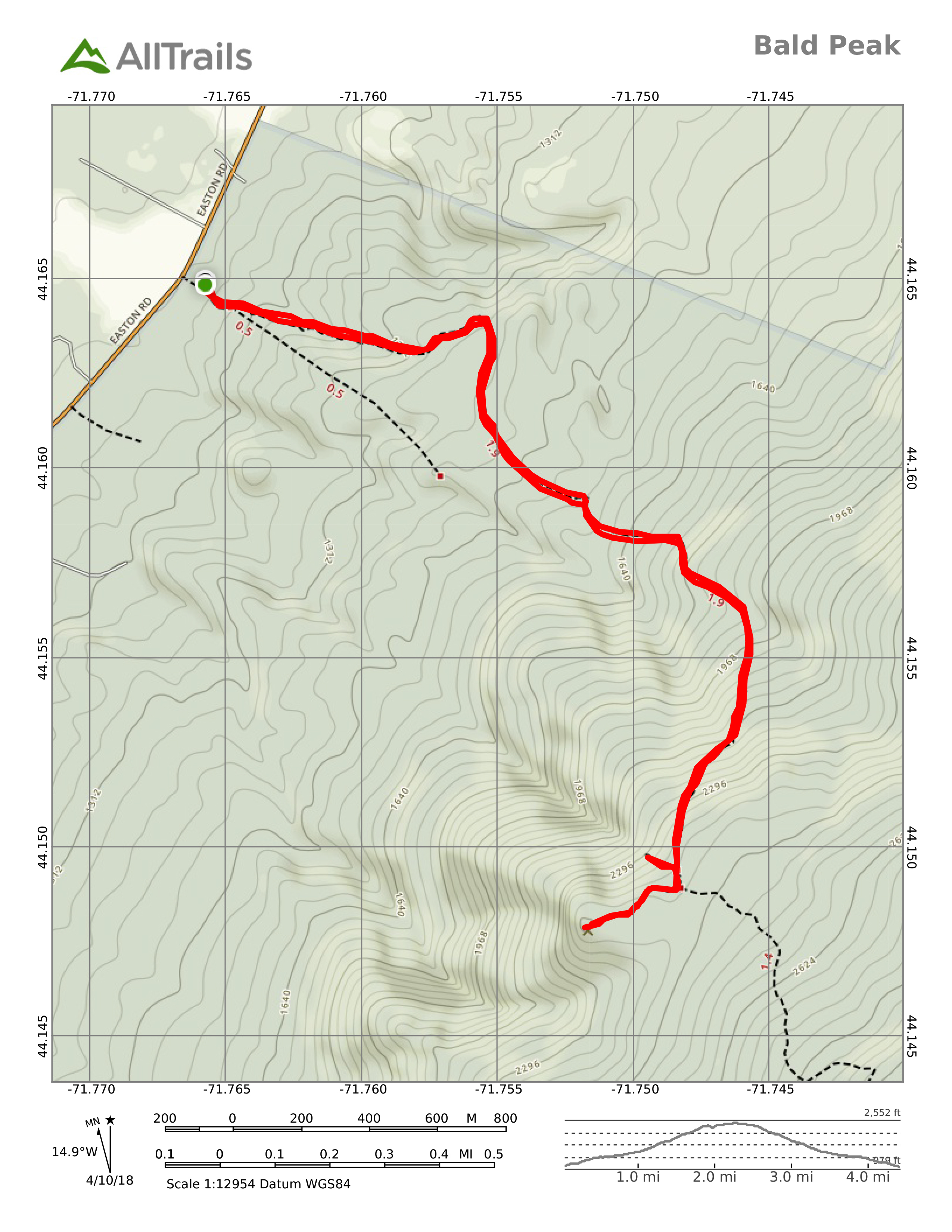
We did this 4.6 mile hike on an especially beautiful, misty summer morning. It was a moderate climb with lots of interesting things to see along the way – from an old sugar house to the headwaters of a flume gorge, to the lovely viewpoint.
Beautiful misty sunshine on the Kinsman Trail. Below: Trailhead sign; Early parts of the trail.
Christine Says…
This was the last hike of our 2017 trip up north. By the end of two weeks that involved five different dayhikes and a three-day overnight backpacking trip, we were both sore, bruised, and covered with bug bites and scratches. We were both pretty tired, but the weather was nice and we felt we should squeeze one more quick hike in before the long 12-hour drive home. The hike up the Kinsman Trail to Bald Peak was close to my parents’ house and didn’t look too grueling, so we decided it would be the perfect grace note on our wonderful summer vacation.
We parked in the lot for the Kinsman Trail on Route 116. We arrived early and there were plenty of open spots, however it was overflowing by the time we got back to the car around 11:00 a.m. The trailhead is popular as it provides access to the 4,000 footer, Mount Kinsman. Bald Peak isn’t a true summit, it’s a rocky outcropping on the shoulder of a mountain. While it might not be the pinnacle, it provides nice views and is well worth doing.
The first half mile of the hike meanders along single-track trail through the forest. The terrain is rolling and there are abundant ferns and shady hemlocks along the way. At .5 miles in, the trail will arrive a a junction with a wider, road-like trail. Take a right onto the wide trail. In a tenth of a mile, you’ll pass a neat, but overgrown, sugar house. It didn’t look like it had been used in many years. Follow the road/trail for another half mile before coming to another junction. Bear to the right, continuing to follow the steepening blue-blazed Kinsman Trail. Keep an eye out for the blue blazes to keep yourself on track.
This rundown, old sugar house is right along the trail. Below: Scenes along the Kinsman Trail
About .35 miles later, you’ll make your first stream crossing – there are several on this hike, along with several lovely (albeit small) waterfalls. The waterfall pictured below was at the second stream crossing. Continue following the Kinsman Trail for .65 miles to your third stream. This is Flume Brook. Once you cross the water, look for a small sign pointing to the right. Follow a spur trail steeply downhill along the gorge. The rock walls that make the flume are steep and deep, but you will hear water rushing in the gorge below. Be careful looking down into the gorge – the terrain around it is extremely steep and slippery. A fall here would necessitate a dangerous rescue operation if you even survived the initial plunge.
After enjoying the flume, backtrack up to the main Kinsman Trail. Hike a couple more short tenths of a mile uphill, and you’ll reach the next junction. Bearing to the left will take you up the Kinsmans, so stay to the right and head along the Bald Peak spur. The trail is blazed yellow and follows a short series of ups and downs for about a quarter mile. The spur was a beautiful mix of evergreens, moss, and granite. At the end of the spur, you’ll come out onto a wide rocky ledge. From the viewpoint, you should be able to see Mount Kinsman, Mount Moosilauke, and a great peek into Vermont. Once you’ve enjoyed the view, return to your car the same way you hiked up for a round trip of 4.6 miles.
Small waterfall on the Kinsman Trail to Bald Peak. Below: Mist in the forest; Small cascades; A look into the gorge.
Adam Says…
The Bald Peak hike had a lot of things that made us pick it – close by to where we were staying, waterfalls, plunging gorge, and view. This hike doesn’t get a lot of traffic except by locals since people will opt for bigger, grander views, but this one has a nice sampling of things to see.
The trail always seemed more of a gradual uphill and never felt too tough for us. In that first half mile, we came across the sugar house on the side of the trail. I peaked through the spaces in between the boards and saw some of the old materials used to collect maple sap inside.
Mosses on the Kinsman Trail. Below: The spur to Bald Peak; Hiking along the spur
We had picked a morning to hike this right after rain the previous day. The morning mist rising up through the trees caught the morning sunlight and the beams of light cast a mystical picture across the forest. The rain also made the hike slippery over some of the roots and rocks that you always have to step on in a hike in New Hampshire.
As Christine mentioned, when you pass over Flume Brook there is a small sign to view the gorge. We both started down this side trail, but it was incredibly slick. Christine stopped, but I decided I wanted to go further to see if I could actually be able to look down into the gorge. Christine was freaking out a bit that I was pushing on, but I did want to see if I could get some pictures. I went a bit further and actually slipped, sliding about 10 feet before I caught myself on the trail. One false step here could mean your death. The gorge was located just a few feet away from the trail and all I could see was that it went down quite a bit. There was never a good place to actually be able to see down into the gorge, so I would recommend skipping this feature – it’s too dangerous, anyway.
Bald Peak views. Below: More perspectives on the viewpoint.
When we reached the view at the top, I was impressed. It was a fairly clear morning so we could see all around us and far off to Vermont. We talked with a couple of women that loved to hike together that lived locally. They had been working on the 48 peaks above 4000 feet and had a lot of advice on places to hike in the future. We love picking the brains of local people for hiking suggestions. Many people that you may come across use this trail to go all the way to Mt. Kinsman without taking this spur trail to Bald Peak for an extra view. You will likely have solitude on this peak during most days. This was a nice final spot to take in some views of New England before heading back to Virginia.
Trail Notes
Distance – 4.6 miles
(Check out the stats from Map My Hike)*
Elevation Change – 1400 ft.
Difficulty – 3. Moderate and well-graded.
Trail Conditions – 3.5. The trail was nice, with some rocks and roots typical to the area.
Views – 4. Very nice, but not quite 360.
Waterfalls/streams – 4. The headwaters of the flume are pretty cool and there are several small waterfalls along the trail.
Wildlife – 3. Typical squirrels and birds.
Ease to Navigate – 4. The route was well-blazed/marked and easy to follow.
Solitude– 4. We only saw a handful of others along the way. This trail gets far less traffic than more popular hikes in the area.
This was a pleasant hike to a pretty waterfall located near a scenic backcountry campsite. At just under five miles with only 1100 feet of climbing, it’s one of the area’s easier hikes.
The water level was low from dry conditions, but the falls were still pretty. Below: Signage at the parking area; Early parts of the hike followed the road; The hike enters the woods.
Christine Says…
We stumbled across this hike in one of my parents’ hiking guide books. They had never done it, but the description sounded quite appealing for a quick morning hike. Trailhead parking is on Coppermine Road, a private gravel road off NH116. Be careful to park only in the designated area, so you don’t infringe on homeowner’s private property.
The first .4 mile of the hike follows the unpaved road. You’ll pass a number of private cabins as you walk. Look for yellow blazes and a hiker sign on the left side of the road. Follow the path into shady woods. The trees are a mix of evergreens, maples, and white birches. It’s a peaceful setting and a gentle uphill. At 1 mile in, Coppermine Brook meets the trail’s right side.
The remainder of the hike stays close to the brook’s path, so this is a great hike if you enjoy the sound of bubbling water. There are lots of places to leave the trail and explore the boulder-strewn streambed. When we visited, water was running low, so it was easy to hop rocks and stand in the middle of the stream without getting wet.
At 2.2 miles, the trail crosses the stream via a sturdy wooden footbridge. Another .2 miles beyond the bridge, you’ll reach Coppermine Shelter and the base of Bridal Veil Falls. The shelter is a three-sided lean to for overnight campers. The falls are behind the shelter, tucked into a small cliffside. The falls drop several times over granite shelves. To get to the prettiest view of the waterfall, you have to cross the bottom pool and climb up one of the granite shelves.
The Coppermine Trail climbs gently and is only moderately rocky. This small bridge crosses the stream just a couple tenths of a mile before the falls. Below: Typical terrain for this hike; Stream scenery.
When we visited, the granite was really slippery from a brief rain the night before. We scrambled up to a viewpoint and surveyed the area. Adam wanted to climb even further up to another higher pool at the point where the falls take their largest plunge. We discussed the best route, as it looked a bit perilous and tricky.
While we were talking about the scramble to the top, my parent’s hiking guidebook, which I had set next to my backpack, went sliding down the rocks and into the water. It careened down two drops of the stream before settling in a eddy in the pool at the very bottom of the falls. CRAP – the book was full of years’ worth of handwritten hiking notes! Adam scrambled quickly back down to the bottom of the falls and retrieved it. It was completely sodden and I felt awful about not being more careful with it.
Adam eventually made it to the higher pool and took some closer photos of the falls, but worrying about the book kind of took the luster off the rest of the hike. Eventually, we headed back the way we came in. The hike back was quick and all downhill. When we got in the car, I turned the air conditioning on full blast to dry out the book’s pages before they stuck together. It was pretty hopeless, though.
Despite the mishap with the book, we enjoyed the hike and highly recommend it.
Adam Says…
This hike was one of the easiest hikes we have done in the area. The hike to the falls is uphill, but very gradual. We never felt out of breath on this one, so it may be a good one for a family hike. The recent rain had left some of the trail quite slippery, especially near the final climb up to the falls. When Christine mentioned it was slippery, we had to scramble on all fours to be able to make it up, because our feet could not find purchase on the slick rock.
This trail has an interesting, yet mysterious, past to it. After hiking about 1.2 miles on the Coppermine Trail (a couple of tenths after the brook and trail meet), there is a plaque on a large boulder in the streambed. While we didn’t see the plaque on our trip, we read about it later. To find the plaque, look for an area that has a steep slope down to a flat area. The boulder sticks out into the stream about halfway along the flat area and the plaque is facing downstream. The plaque states, “In Memoriam to Arthur Farnsworth ‘The Keeper of Stray Ladies’ Pecketts 1939 Presented by a Grateful One”. According to a 1987 Magnetic North article, there is an answer to the meaning behind this mysterious message. Arthur Farnsworth worked at a resort called Pecketts, located in Sugar Hill. Farnsworth’s job at Pecketts was to make his guests feel most comfortable. The actress, Bette Davis stayed there in 1939 to relax after a tiring filming schedule. Bette Davis fell in love with the beauty and anonymity of this area, feeling she could escape the burden of her fame. The story to be told here is that she strayed away from a hiking party on this trail and Arthur Farnsworth was sent to find her. They fell in love and were married in 1940 and moved to California, but often came back to the White Mountains to visit. In 1943, Farnsworth died from a fall at their Sugar Hill home. Bette Davis continued to visit this area afterwards, but eventually sold her home on Sugar Hill in 1961. This plaque showed up during this time.
The last bit of climbing to the falls can be slippery. Below: Boulders along the trail; The Coppermine Shelter; The pool at the base of the falls.
As Christine mentioned, our hiking book fell into the water. To watch a book slowly go down the rocks and fall into the lower pool pictured above was worrisome. Knowing how long her parents had spent hand writing notes as a journal of all the hikes they had been on, we felt so terrible. Before we returned home with our soggy mess of a book, we stopped by the White Mountains Visitor Center and purchased two copies of the replacement book – AMC’s Best Day Hikes in the White Mountains. We bought two because we thought we would be permanently banned from borrowing books in the future. The book had been updated and now included a few more hikes. To try and make amends, I spent several hours that evening transferring all the notes from their previous book (miraculously still legible despite wet pages). Her parents were not upset, but I wanted to make sure we made it right.
We both highly recommend this hike if you want an easy day hike to do for a nice waterfall view. Just please keep your hiking book (or printouts from this website) in a safe place.
Trail Notes
Distance – 4.8 miles
(Check out the stats from Map My Hike)*
Elevation Change – 1100 ft.
Difficulty – 2. The climbing is gentle the whole way. The only challenge is scaling the rocks up to the base of the falls.
Trail Conditions – 4. This trail is only moderately rocky by New Hampshire standards.
Views – 0. There are no open views on this hike.
Waterfalls/streams – 4. The falls are small, but very pretty, The stream is also gorgeous. I wish we could have visited when there was more water running.
Wildlife – 2. Lots of birds and squirrels.
Ease to Navigate – 4. The trail is well-marked and easy to follow.
Solitude– 3. We saw a handful of people on our hike back, but had the falls to ourselves for almost half an hour.
Directions to trailhead: Parking coordinates are: 44.180903, -71.755717. Make sure you park in the designated parking area and nowhere else. This is a private road.
* MapMyHike is not necessarily accurate, as the GPS signal fades in and out – but it still provides some fun and interesting information.
This 3.6 mile hike takes you over more than 15 water-crossings to see a series of small waterfalls and swimming holes. The main scenic draw of this hike is the visit to the Devils Bathtub – a beautiful sandstone formation in the streambed.
The Devils Bathtub is a perfectly clear, oval pit in the sandstone. It really does look like a bathtub! When we visited the water levels were very low. Normally the striated area above the tub forms an even larger pool. Below: Stairs at the beginning of the hike; First water crossing; Early part of the trail.
Christine Says…
The Devils Bathtub popped up on our radar after getting quite a bit of attention on the internet. Sometime after 2014, it started showing up on Pinterest, on Reddit, on lists of most beautiful places in each state – even the Weather Channel called it Virginia’s hidden gem. As dedicated hikers, we wondered how such an amazing place could have escaped our notice for so long.
As it turned out, this hike has been hiding in our plain sight for years. The route to the Devil’s Bathtub is fully outlined in Bill and Mary Burnham’s ‘Hiking Virginia’ guidebook as part of the larger Devil’s Fork loop. Burnham’s description of the scenery was far less dramatic than accounts we read on the internet. And, we’re rarely in the far southwest corner of Virginia, so we stayed in the dark like most outdoorsy Virginians.
However, on our summer trip to the Abingdon area, we finally had a chance to find out first-hand if the Devil’s Bathtub lived up to its internet hype.
First off, the Devil’s Bathtub is in the middle of nowhere in Scott County, Virginia. There isn’t a nearby gas station to ask for directions or use the restroom. You probably won’t have any cell service, so make sure you have good directions and all your trail information ahead of time. Second, the last bit of road to get to the trailhead parking is quite rugged with mud and deep potholes in the road bed. Our Subaru did fine, but it was a bumpy ride! Third, parking for this hike is extremely limited with room for just a few cars. We visited early in the morning on a quiet, overcast weekday, so there was just one other car when we arrived. We’ve heard parking can be a nightmare for this hike, so time your visit strategically.
We saw dozens and dozens of these efts. Below: Scenery along the stream
Once we got past the logistical challenges – location, road access, and parking, we were all set to see this spectacular beauty spot! The hike started at the top of a staircase at the top of the parking area. At the top of the stairs, follow the trail to the left, passing almost immediately under/around a locked metal gate. In just a quarter mile, you’ll have your first of many stream crossings. The first crossing was the widest and deepest we experienced on the hike – and we visited during drought conditions. During periods of heavier rain or snow melt, this stream crossing could be quite a bit deeper and wider.
Shortly after the first stream crossing, you’ll reach marked split in the trail. You’ll want to bear to the left, following the arrow in the direction of the Devils Bathtub. The sign says it’s 1.8 miles to the Bathtub, but our GPS calculated the hike at almost a full half mile shorter by the end of the round trip. This route is also the most direct way to the scenery and is an out-and-back hike. There is a full 7-mile loop of this area, but all recent accounts say that most of the trail is poorly blazed, covered with blowdowns, and beset by aggressive wasps.
After the junction, we continued along following the yellow blazes. Even though the trail doesn’t climb much in elevation, it still provides challenges with its sporadic blazing and 15+ water crossings. It was really easy to lose the yellow blazes, as the trail is eroded and appears to have been relocated several times. We made our way by carefully looking for yellow blazes any time the trail wasn’t abundantly clear. We were lucky to visit in a time of low water, so all of the water crossings were easily passable. I imagine the way could be really tricky when there is more rain.
We passed a neat cliff-side that looked like it was built out of block. It was set off the trail, about 20 feet into the woods. Shortly after the cliff, the trail dipped down along an eroded bank next to the stream. There was a rope fixed to the uphill side of the trail to make passage a little easier. At the end of the rope, we reached the beautiful sandstone streambed that makes this area so popular.
Rock Formations on the Devils Bathtub Hike. Below: More stream scenery; A rope assist along the eroded trail; Steep eroded bank
The trail crossed the stream one final time at the base of a large pool with a small waterfall. I imagine a lot of people reach this point and think it’s the Bathtub. It’s a pretty spot with deep, clear green water. But, to get to the Bathtub you should continue along the trail up a short but very steep scramble up the bankside.
At the top of the bank, a newer wooden sign indicates that you’ve reached the Devil’s Bathtub. If you follow the footpath down to the stream’s edge, you’ll find the formation at the base of another small waterfall. It’s a gorgeous spot, though smaller than I expected it to be. The water was low on our trip, so I’d say the tub was only about half full!
We explored and photographed the area for a while… dismayed by the enormous amount of garbage left behind by other hikers. We saw dirty diapers, Styrofoam cups, beer cans/bottles, tampon applicators, sodden socks, discarded t-shirts, empty pudding cups, a spent asthma inhaler, and countless cigarette butts. I simply can’t understand how a person can visit such a naturally lovely place, and feel alright about leaving their trash behind. Adam and I ended up carrying out three bags of garbage, and it didn’t even make a dent in what was still left behind.
After a while, a couple more groups of hikers joined us at the Bathtub, so we decided to pack up and make our way back to the car. To exit, we simply retraced our steps. On the way out, I kept thinking about all the litter we saw on our hike. If you choose to do this hike (and we hope you will) please bring a trash bag and help clean up along the way! This is a gorgeous area – but it’s overused and fragile.
Adam Says…
A friend of mine had asked me about a year ago if we had hiked Devil’s Bathtub yet. After checking out pictures online, I knew this is one we had to put on our radar. Living several hours away and the fact this is a short hike made our decision to incorporate this hike into a four-day trip to check out a bunch of hikes in southwest Virginia.
This hike does have some challenges involved – navigating to parking without reliable GPS signal, the bumpy drive on the fire road to get to parking, the often poor blazing on the trail, and the numerous stream crossings. But with a little determination, we found our way to this gorgeous spot.
Adam enjoys the Devils Bathtub. Below: Signage; Terrain around the Bathtub; The Bathtub
From the parking lot, we heading up the short flight of stairs where we met the trail. There are no signs to say which way to go, but we took a left at the top of the stairs and found we were correct. The yellow-blazed trail leads to a gate and passing through, the trail leads down to your first of about 15 stream crossings at .15 miles. When we went, the water was at a low level, so if you are hiking when there has been a lot of rain, expect your feet to get wet and plan to do a lot of rock hopping. At about .2 miles, you reach a junction with the straight fork ridge spur trail. Bear left to stay straight on the trail.
The Devils Pool. Below: Small cascades; Pools along the stream.
At .7 miles, we reached the first of the hard to navigate sections. We approached this larger creek section and saw some blazes straight ahead, but also to the right of us. We went straight ahead and up a steep bank that went down a steep, slick hill back to the creek, only to realize this section had been re-routed. We went back to the original spot to cross, bore right to the larger fire road and found the blaze to continue on the trail.
At .9 miles, at the fifth stream crossing, we had a hard time finding where the blazes continued. We reached the large stream bed and rock-hopped and walked ahead on the creek about 75 yards before finding the yellow blaze going up a steep bank to the other side. Our instincts led us the right way, but the lack of blazes made this an unnecessary challenge. We got back on the trail and just a little over a tenth of a mile, we were standing above a swimming hole, looking down to the left. From the trash and abandoned clothing left behind, we could tell many people have taken a dip in this spot before. Continue on the trail and continue to cross the stream several more times.
A beautiful green, waterfall-fed swimming hole. Below: A sampling of litter; Butterflies
At about 1.5 miles, the trail reaches a large rock formation and you scale the side of it on a narrow path, but with some assistance to an anchored rope that guides you along. You then climb down to a stream crossing and swimming hole before making your way up a very steep bank to continue on the trail. From here, the hike is relatively flat and at 1.7 miles, you reach the sign for Devil’s Bathtub. There is a small lookout over the bathtub from here, but if you want to see it up close, the best thing to do is continue past the sign and stay on the trail. When you reach the stream again, cross it and then navigate along the side (the rocks were very slippery here) until you make your way down to the bathtub at 1.8 miles. The water again was low, so we were expecting a deeper basin of water from what we have seen in some pictures. The rock around the bathtub was covered in algae and very slick, so be careful!!
It took us a while to just remove enough trash around the site to get some decent pictures. As Christine mentioned, please bring a trashbag and help pick up around the area. The devastation of litter here made me quite sad that people would treat such a picturesque spot with such disrespect. We made our way back the way we came and saw a few people on our way back.
The green water plunging over and into the Devil’s Bathtub makes for one of those truly magical places in Virginia. If you are ever down in the southwestern part of Virginia, put this on your must-hike list.
Trail Notes
Distance – 3.6 miles
(Check out the stats from Map My Hike)*
Elevation Change – 580 ft
Difficulty – 3. The climb is easy and very small/gradual. The challenge factor is increased by the number of water crossings you must negotiate.
Trail Conditions – 2.5 The trail is eroded in numerous places and there is a real issue with litter.
Views – 0. None on this hike.
Waterfalls/streams – 5. The stream scenery is gorgeous!
Wildlife – 2. We saw lots of newts.
Ease to Navigate – 2.5 The trail is poorly blazed and hard to follow in several spots.
Solitude– 2. We visited on a quiet weekday, and still saw multiple groups of people.
Directions to trailhead: Parking coordinates: 36.819106, -82.628852. This location is very isolated and not really close to anything. It’s best to use the GPS coordinates and navigate fro=m your home direction.
* MapMyHike is not necessarily accurate, as the GPS signal fades in and out – but it still provides some fun and interesting information.
This 10 mile (round-trip) hike takes you past some of Dolly Sods most beautiful scenery. The dense rhododendron thickets, unblazed trails, and rugged terrain will have you feeling like you’re truly in the wild. Camping along Red Creek is popular and can be crowded with weekend backpackers, but it’s still one of West Virginia’s most spectacular places.
Beautiful Red Creek was our destination for this short overnighter. Below: Our excellent hiking crew (Maia the dog not included in the photo!); Making our way onto the Rohrbaugh Plains Trail; The trail is only lightly maintained so you have to climb blowdowns and navigate without the help of blazes.
Day One…
Back in early June, we were at happy hour with our friends Christy and Brian. Over beers, we cooked up a vague plan for a weekend backpacking trip in late July. In the weeks to come, we added our mutual friend, Kris, into the mix and settled on a route. The plan was to take two cars, and do a trans-navigation of Dolly Sods starting at the picnic area and ending at Bear Rocks. It was about a 16 mile route with tons of camping options along Red Creek.
As it turned out, a heat wave settled over the mid-Atlantic that weekend. It was the hottest, most humid weekend of the summer. We still thought we could make the full 16 miles, so we met at Bear Rocks and shuttled in our car to the start point at the Dolly Sods Picnic area. On the ride, we learned that you really can fit five adults, five big backpacks, and one German Shepherd in a Subaru Forester. It was like a clown car!
We parked at a small pullout near the picnic area, and picked up the Rohrbaugh Plains Trail on the opposite side of the road. The trail meandered through dense rhododendron forest. A lot of the rhododendron was Rosebay near the peak of its bloom. So pretty! The air was thick, still, and heavy with humidity. It felt like walking through the jungle. At one point, Kris said, “I feel like we might see monkeys!’
Walking through meadows. Below: Maia enjoys a shady pool under the rhododendrons; Walking across Rohrbaugh Cliffs; A nice spot for lunch!
The trails in Dolly Sods are well-traveled but very lightly maintained. There are no blazes. The only wayfinding signs are at trail junctions. There are lots of rocks, blowdowns, and mud pits to navigate. Even though the area is complete wilderness, the high traffic through the area keeps the trails apparent and fairly easy to follow.
We walked the Rohrbaugh Plains trail for about 2.5 miles before reaching the spectacular viewpoint off Rohrbaugh Cliffs. The area is near and dear to my heart because it was one of the first places I ever camped in the backcountry. The cliffs offer great views across the valley to the Lions Head (another popular rocky outcropping in Dolly Sods) and down into the Red Creek basin. Just past the cliffs, there is a patch of open forest with space for many tents. It’s still one of the most beautiful campsites I’ve ever had the pleasure of staying at.
We decided to take a lunch break at the cliffs. At first, the breeze across the open terrain felt nice. Maybe the heat wasn’t so bad? But after a few minutes of sitting in the direct sun, we were all pretty hot. I could feel my shoulders starting to burn. After lunch, we packed up and continued another .6 mile down the Rohrbaugh Plains Trail. At 3.1 miles, we passed the junction with the Wildlife Trail. We stayed to the left, continuing on the Rohrbaugh Plains trail.
We passed a small (mostly dry) waterfall and crossed over some extremely rocky footing. At 3.5 miles the Rohrbaugh Trail meets the Fisher Spring Run Trail. We followed the Fisher Spring Trail to the left, beginning to descend for 1.2 miles. At first the descent is smooth a gradual, but it becomes steeper and follows a couple switchbacks down to a rocky crossing of Fisher Spring Run.
We set up camp at a large site along Red Creek. Below: Most of the trails in Dolly Sods are rocky; Crossing Fisher Springs Run before arriving at camp; Our campsite had a private swimming hole nearby.
After the crossing , the trail follows the stream on high ground. There are several nice campsites at the bottom of extremely steep spur trails. A few sections of this trail are quite eroded, leaving the trail narrow and precipitous. Take your time and watch your footing, especially if you’re carrying a heavy pack.
At 4.7 miles the Fisher Spring Run Trail ends at the Red Creek Trail. We took a right, following the trail down toward Red Creek. In about three tenths of a mile, we passed the first of many stellar campsites. At the very first one, I thought to myself, “That’s a really sweet campsite. I wouldn’t mind sleeping here!’
Our group decided to take a break and discuss camping plans and how much of the route we wanted to cover on day one of our trip. We all agreed that we were pretty hot, the campsite was ideal, and Red Creek looked really inviting. We figured on day two, we could either hike 11 miles or hike out the way we came in and make our trip a short 10-mile out-and-back.
Adam and I explored several more campsites along the stream before agreeing that the very first site was the prettiest and most private. There was easily space for four tents. The ground was flat and clear. We had easy access to water. We even had a large fire pit with a stone couch someone had constructed. We all unpacked and set up camp. Maia, our friends’ German Shepherd, supervised the operations. She was on her first backpacking trip ever, and she took to it like a pro!
Red Creek is a beautiful place to camp and swim. Below: Fun in the water and fun at camp!
It was only around 2:30, so most of us spent the entire afternoon swimming and playing in Red Creek. The water was so cold and refreshing. The small rapids and waterfalls felt like hydrotherapy for our hot, tired muscles. Adam opted to restock everyone’s water and read a book at camp, but even he enjoyed splashing in the cold water near camp.
Around 5:00 we decided to get dinner started. Everyone brought their own dinner, but Christy and Brian brought a shared dessert – Rocky Road pudding. Kris contributed a two-bottle capacity bag of wine to the feast. After dinner we played cards and sat around our campfire. Even at 9:00 p.m., it was still 75 degrees. That’s unusually warm for Dolly Sods at night!
Around 10:00 we let the fire die down, and everyone started retreating to their tents. Adam and I opted to leave the rain fly off in hopes that it would keep us cooler. Honestly, it didn’t really cool off until sometime around 3:00 a.m. It was a steamy night and I was very glad to have left my sleeping bag home in favor of a light summer quilt. I enjoyed falling asleep to the sound of the running stream. Any time I woke up during the night, I took a moment to marvel at the brilliance and magnitude of the stars in the sky. It’s such a gift to be able to visit places like this and have good friends to share the experience. I felt so fortunate that night in my tent.
Day Two…
The next morning we awoke at daybreak. We thought Maia would have woken up the group, but she was a perfect camp companion and let us get up when we wanted. We enjoyed some of Christine’s homemade granola with Nido and then made our way back to the car. With a warm night and temperatures climbing quickly in the morning, we decided to get an early start to get back to our cars before the temperatures peaked in the afternoon. It is always uncomfortable when you feel like you never had a chance to cool down, so everyone felt hot within a few minutes back on the trail.
Maia did great on her first backpacking trip. Below: Hiking back out the way we came in!
We climbed back up the steep Red Creek Trail and Fisher Spring Run trail very slowly as we were all quickly drenched with sweat. We got back to the junction with the Rohrbaugh Trail in about 1.5 miles and we knew our toughest work was behind us. In another .4 miles, we reached the junction with the Wildlife Trail and took a right to make our way to the Rohrbaugh Cliffs again. We paused for a snack and some more pictures from Rohrbaugh Cliffs, which is probably my favorite spot in Dolly Sods. Looking over the creek and seeing nothing but mountains around you is a scene that begs you to pause and appreciate nature.
Taking in the view from Rohrbaugh Cliffs. Below: The small waterfall along the Rohrbaugh Trail was running very low; Climbing on the rocks of Rohrbaugh Cliffs; Back to the Forest Road.
With the strong sun beating down, we decided to press on and continue our journey back to the car. We made our way back fairly quickly, passing by a group of about 10 women that were enjoying the weekend as well. We got back to our car just a bit before lunch and carpooled Christy, Brian, and Maia back to their car. We had a great adventure together and we were really glad to share this amazing piece of wilderness. We parted ways with Christy and Brian, and Christine, Kris, and I headed to Lost River Brewing Company in Wardensville, WV for some celebratory beers and food. It was a great trip, but we vowed to return when it isn’t the hottest weekend of the year to do the traverse across Dolly Sods like we originally planned.
If you are looking for a hike or overnight trip that combines majestic views, creeks with a waterfall and swimming possibilities, and great overnight camping, this may be a perfect one to experience.
Trail Notes
Distance – 10 miles (Check out the stats from Map My Hike [Day One] [Day Two])*
Elevation Change – 1480 feet
Difficulty – 3. The elevation gain/loss is moderate, but the rugged nature of the footing adds difficulty to this route.
Trail Conditions – 2. Trails are unblazed. Be prepared for mud, blowdowns, and lots of rocks.
Views – 5. The view from Rohrbaugh Cliffs is pretty spectacular!
Waterfalls/streams – 5. You will want to spend all day enjoying the beautiful rapids and waterfalls along Red Creek. This is some of the best stream swimming in West Virginia.
Wildlife – 2. We saw a white tail doe with two fawns on the drive in, but generally the woods were quiet and we didn’t feel like there was much wildlife in the camping area.
Ease to Navigate – 2. There are no blazes, but junctions were marked, and the trail was generally easy to follow. Navigation gets trickier near Red Creek where you depend on cairns to mark stream crossings.
Solitude– 3. This is tough to call! We saw almost nobody on the trail when we were hiking, but there were many people camped along Red Creek.
* MapMyHike is not necessarily accurate, as the GPS signal fades in and out – but it still provides some fun and interesting information.
Directions to trailhead: GPS Coordinates for Parking are 38.962019, -79.355024.From Seneca Rocks, go North on WV 28 for 12 miles. Take a left on Jordan Run Road. Go one mile up Jordan Run Road and take a left on to Forest Road 19. In 6 miles, Forest Road 19 comes to a T on to Forest Road 75. Take a right, heading north on Forest Road 75. Drive for about eight miles until you reach the Dolly Sods Picnic Area. The Rohrbaugh Plains Trailhead will be across the road from the picnic area.
This 2.5 mile hike passes a small waterfall and two beautiful rock crags. The views are pretty limited, but it’s still a worthwhile hike in the vicinity of Hone Quarry. If you visit in early July, the blooming Rosebay rhododendron is impressive!
Tony and Adam launched a drone from the top of Hidden Rocks. Below: Adam crosses Rocky Run – a small stream on the hike; The trail splits and makes a lariat loop near this pretty small waterfall; Blooming Rosebay Rhododendron.
Adam Says…
Hidden Rocks was truly trying to stay hidden from us. It took a while for us to find the location of this hike from another website, it was steering us about 35 minutes off course. We ultimately arrived at the correct parking area and met up with Tony and Linda from Hiking Upward to start our hike for the day. This hike is relatively easy and if you want to just do a quick, out-and-back hike to the main rock outcropping, you would be looking at around a two mile hike. We decided to make a loop out of this hike and at the time, there wasn’t a lot of information about this hike.
The hike started from the right of the parking area. The yellow-blazed trail starts fairly easily and consists of a few ups and downs, reminiscent of a roller coaster before finally descending down to Rocky Run which you will reach at .65 miles. Crossing the stream, you can see there is a smaller trail that branches to the right, but stick to the left. You will quickly come into a thick tunnel of rhododendron. You cross Rocky Run a couple of more times before reaching a small, scenic waterfall at .9 miles. Here, the trail splits as you will see yellow blazes that go to the left and right of the waterfall. Take the trail to the right of the waterfall (the left trail will be how you return on the loop) that leads steeply above the waterfall area.
A rock climber descending Hidden Rocks. Below: Christine and Adam atop Hidden Rocks; Ripening blueberries at the top of the crag; A sideview of Hidden Rocks.
In a short distance, we arrived at the base of the Hidden Rocks face where we came across a man rock climbing and rappelling off the structure. The trail skirts along the left of the rock base and then climbs steeply up some rocky steps. At the top of the trail, the trail splits. Head up to the right on some wooden steps to reach the top of the Hidden Rocks structure that you saw from the base a few moments ago. There was a campsite at the top and a couple of ledges that you could enjoy the view.
Tony set up his drone to take pictures and video of the area around us. We were hoping to get some shots of the rock climber, but he had just switched spots on where he wanted to climb, so it took him a long time to position ropes to start his rappel. Tony let me even steer the drone a bit which was a blast. Christine and I posed for a high elevation selfie before we packed up the drone and continued our hike.
We went back to where the trail split leading us to the rock outcropping and then continued on the trail. This part of the trail was less-traveled and narrow. After skirting along another large rock face, I found a break between two large rock areas and decided to explore. I had to climb by holding onto rocks and roots, making it not an easily accessible sidetrip that should only be done if you feel capable. I ventured out to the right and left areas of the rock. The rock to the right led to precarious footing and fearing I was going to look for a handhold and upset a timber rattler, I decided to not go any further on that rock. On the left rock, I found a way to climb to the very top and found a very small perch to enjoy some views that I thought were better than those on Hidden Rocks. I called back down to the rest of the group and Tony and Christine decided to climb up also. We then made our way down the steep decline and joined Linda back on the trail.
The trail descends rather steeply after this point, causing us to take our time make sure we had good footing. We reached another stream crossing at 1.4 miles and at 1.6 miles we were back at the small waterfall, completing the small lollipop loop of this hike. We retraced our steps and made it back to our car at 2.5 miles.
Christine Says…
We were thrilled to see Tony and Linda again for the second time in the span of just a few weeks! We were also pleased to have cooler, less humid weather for this hike (compared to the sauna-like conditions we had for our hike at Shrine Mont). The morning started off with a bit of chaos related to bad directions. We originally found the Hidden Rocks hike outlined on the Virginia Wilderness Committee website. Their write-up included GPS coordinates that took us to some random road – in the middle of nowhere – about 30 minutes from the actual trailhead. We arrived at their designated coordinates and found ourselves in the totally wrong place with no cell phone service. Fortunately, Tony and Linda were also running a few minutes late, and we all arrived at the trailhead parking around the same time.
The hike started off over a mini ‘roller coaster’ – with the trail steeply ascending and descending over a series of gullies and washes. Eventually, we descended a gentle hill down to Rocky Run – a shallow, winding stream. The trail was shaded by a tunnel of Rosebay Rhododendron that was just starting to bloom. At about a mile in, the route got a bit confusing when we reached a split in the trail near a small waterfall. The Virginia Wilderness directions said there was a loop trail, but added that the loop route was not on their map (it’s on ours – see below). We took a guess and headed steeply uphill on the trail on the right side of the split. In just a couple tenths of a mile, we arrived at the bottom of a towering rock wall – Hidden Rocks. There was a local guy rock climbing. He had a beautiful Vizsla dog – she barked a lot, but was very friendly and hung out with us the entire time we visited the rock.
The second crag on the hikes is known locally as Hidden Cracks. Below: The view from the top of Hidden Cracks; Christine scrambles down Hidden Cracks; We enjoyed beers and Grillizza Pizza after the hike.
To reach the summit of Hidden Rocks, we followed the trail along the left side of the crag, eventually climbing steeply to the top via a small set of constructed stairs. The top of Hidden Rocks has two outcroppings and a spacious campsite with a fire ring. The views are limited – all you really see is another hillside of trees across the ravine. If you’re looking for expansive views of mountains, distant valleys, or the lake in Hone Quarry – this is not the hike for you! Fortunately, the outcropping still gave Tony enough room to launch his drone. He was able to get a few cool shots looking back at Hidden Rocks.
From Hidden Rocks, we came back down the stairs and continued following the trail across the ridge. We passed another towering cliffside on the right – this one called Hidden Cracks. Adam found a split in the rocks with a jumble of boulders. We were able to climb to the top and get another view – this one included an obstructed peek at some distant mountains. Soon after Hidden Cracks, the trail descended, crossed the stream again. We arrived back to the split in the trail that made the loop, passing the small waterfall once again. From there, we retraced our steps back to the parking area.
After our hike, we headed back into Harrisonburg so that we could take Tony and Linda on a tour of Harrisonburg’s craft beer scene. We started off at Wolfe Street, then proceeded to Billy Jack’s for lunch. The day rounded out with stops at Pale Fire and Brothers (with dinner from the Grillizza food truck). It was a fun day and we really enjoyed exploring this little gem of a hike!
Trail Notes
Distance – 2.5 miles (Check out the stats from Map My Hike)*
Elevation Change – 390 feet
Difficulty – 2. This is doable by most people. If you do the entire loop, be careful climbing up to the top of the other rock outcropping. That short climb feels more like a 4-4.5.
Trail Conditions – 3.5. Overall the trail was in great condition, but the lollipop loop part of the trail was not as maintained.
Views – 2.5. The views were nice, but not as expansive as I would have liked since most of your views are blocked by the mountain directly in front.
Waterfalls/streams –2. Rocky Run was pretty with rhododendron nearby. The small waterfall creates a peaceful setting.
Wildlife – 0. We didn’t see anything.
Ease to Navigate – 2.5. There weren’t any signs for junctions which caused us to get confused about which way to go when we first crossed Rocky Run and again at the waterfall junction.
Solitude– 4. This isn’t heavily used, but you may see some people at the top of Hidden Rocks or rock climbing.
This is an easy 4.25 mile hike that take you to visit two special spots – a beautiful waterfall and one of the most popular swimming holes in the Smokies.
Mouse Creek Falls may not be the largest or most impressive of the waterfalls in the Smokies, but it is still a beautiful spot.
Christine Says…
On our third day of the trip, we decided to head into the national park and explore an area we hadn’t visited before – Big Creek in Cataloochee. This area is known for its population of elk, and for being much quieter than other parts of the park, like Cades Cove or Clingmans Dome.
The drive was a bit further than our previous two hike, but we had heard that Mouse Creek Falls and Midnight Hole were both beautiful, worthwhile destinations. As usual, we got an early start and beat the crowds to the trailhead.
Easy terrain makes this a popular family hike. Below: Trailhead sign for Mouse Creek Falls; Adam standing along the stream; Horse hitch near the falls.
The hike up Big Creek really couldn’t be much simpler or easier. It follows a wide, old road bed the entire way. At first, you can hear the rushing sounds of the creek in the distance, but within several tenths of a mile, the trail begins to closely follow the water.
Like most creeks in the Smokies, Big Creek is a jumble of big boulders that create lots of cascading rapids and small waterfalls – so beautiful! We saw a serious photographer hiking back from the falls with a large pack of gear and a heavy tripod. He visited the falls on a perfect day for waterfall photography. It was overcast and windless, which allows the opportunity for long exposure images. I always love the silky misty effect a slow shutter speed lends to the water, and I was pretty happy with the shots I got on this hike!
On the hike up, we skipped Midnight Hole. We figured we’d see the waterfall first, and then stop at other pretty spots on the hike back. The falls were indeed lovely, though the mosquitoes and biting flies were abundant and aggressive! This was the first and only time on the trip that I had to use bug spray. We took tons of waterfall photos, and then made our way back down the trail.
Christine enjoys Mouse Creek Falls. Below: Pretty stream scenery along Big Creek. Mouse Creek Falls are formed where smaller Mouse Creek pours into Big Creek.
On the way back, there were many more people out and about. Lots of them were dressed in swimsuits and had water-wings and innertubes. Apparently, this creek is one of the areas favorites for mountain swimming. When we reached Midnight Hole, there was a family of five there. The two youngest sons were taking turns plunging off rocks into the pool below. It was a cool, cloudy day, so they squealed each time they hit the icy water. The pool itself is deep and brilliant green – really an idyllic spot for a swim.
After leaving Midnight Hole, we stopped at a couple more pretty rapids along the stream for more photos. When we were on the trail, we jogged to outrun the mosquito assault! It was so buggy!
After this hike, we decided to drive into Asheville (yes… filthy and covered with bug spray) so we could visit a few breweries and get some lunch. We also managed stops at Vortex Donuts and French Broad Chocolates.
Adam Says…
Mouse Creek Falls is an easy family hike that everyone can enjoy. With the distance being only a little over two miles to the waterfall and very little change in elevation, it is a hike that even small kids won’t complain too much to do.
We started off early and had most of the trail to ourselves. We saw there were lots of places to step off the side of the trail to get views of rocky rapids down Mouse Creek, but we decided to make a beeline for the main waterfall. The trail had a slight incline, but never felt like a steep walk. We arrived at Mouse Creek Falls and made a climb down to near the base of the falls to get some photos of the stream and the falls together. If you don’t feel like climbing to the base, you can still get a distant, yet unobstructed view of the falls from the top. When another family arrived, we decided to leave to give them the solitude that we enjoyed, but we were equally pressured by all the mosquitoes at the water. We didn’t feel a ton of mosquitoes on the way up, but the entire trip back we were swarmed.
Midnight Hole is a popular swimming spot in the Smokies. Below: The water in Midnight Hole is clear and reflects the green of the trees around it; There is a picnic area along this lovely spot on Big Creek.
About .5 miles back on our return trip, we stopped to enjoy Midnight Hole. A pond is created here by two small waterfalls that dump water into this serene swimming hole. We lingered a bit at this spot before making our way back to our car, chased by a cloud of mosquitoes who seemed to not mind the bug spray we used. We made it back to our car quickly at a little over four miles and saw many people making their way up. I’m sure this is an extremely popular hike and swimming hole spot for many people. If you want to miss the crowds, go as early as possible.
On our way out, we passed by several buses that were unloading people for whitewater rafting along the Pigeon River. We saw probably a hundred people on the river in rafts and it looked like a great way to spend the day. We headed into Asheville, NC from our hike to sample some beers. It was Asheville Beer Week, so all of the breweries in the area were doing special events. We started off with lunch at Wicked Weed, where we enjoy the food as much as the beverages. From there, we stopped by a few more breweries to try one small sample at each – Green Man, Burial, and Hi-Wire. While we were there, there was a disc golf competition where event organizers moved a portable basket and the competitors threw their discs down the streets and alleyways as they moved from one brewery to the next. Luckily, the competitors were very accurate and I didn’t see any spectators beamed in the head.
Directions to trailhead: GPS coordinates for this trailhead are 35.751094, -83.109993. From Asheville, NC take I-40 West for 46 miles before taking exit 451 toward Waterville Road. Turn left onto Green Corner Road at the end of the exit ramp which merges onto Tobes Creek Road. Take the first left to cross a bridge and stay on Tobes Creek Road. Once you cross the bridge, take the first left onto Waterville Road. Follow this for two miles and you will then enter the Big Creek Entrance Road. Follow this for about a mile and you will reach the Big Creek Campground. You will find a large parking lot on the right and just before entering the parking lot, you will pass the trailhead for the Big Creek Trail, which is your starting point. This parking lot fills up quickly, so you may have to park along the roadside.


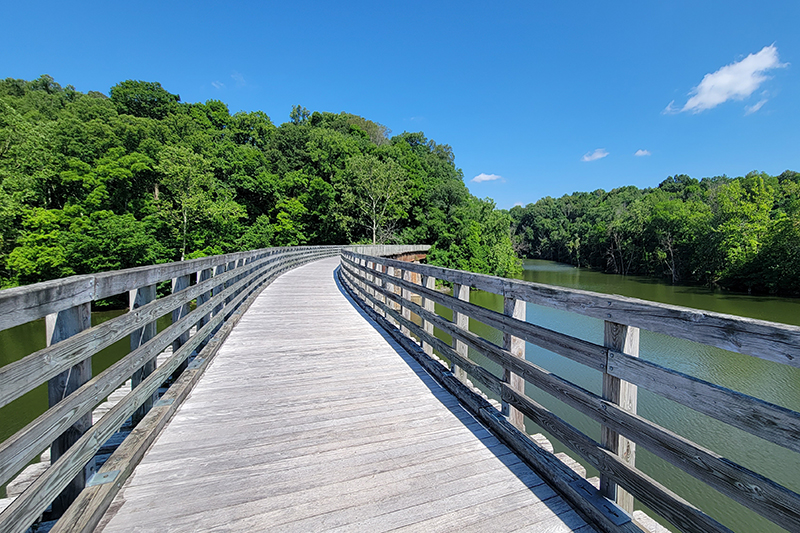
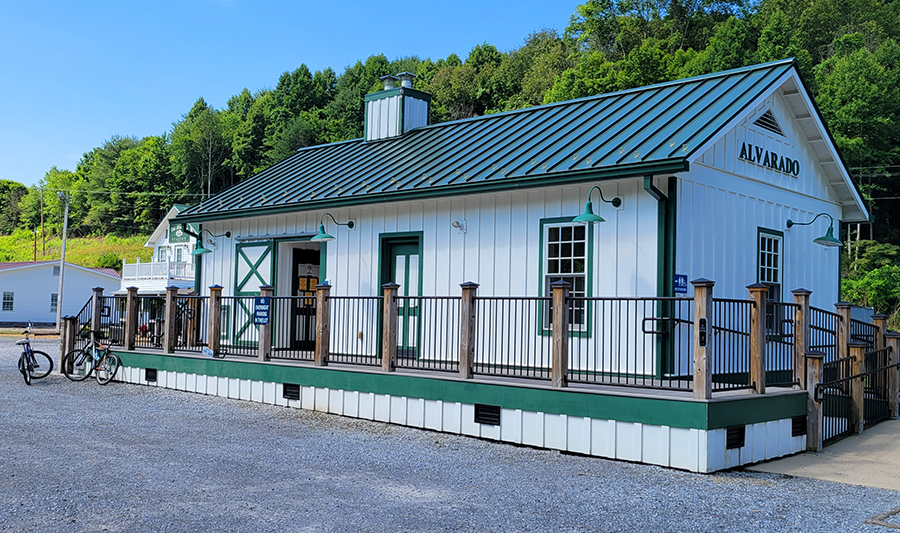

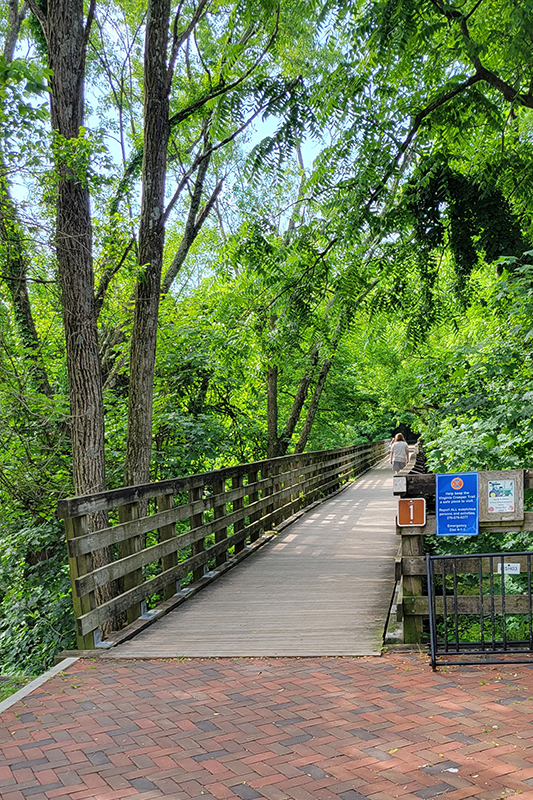
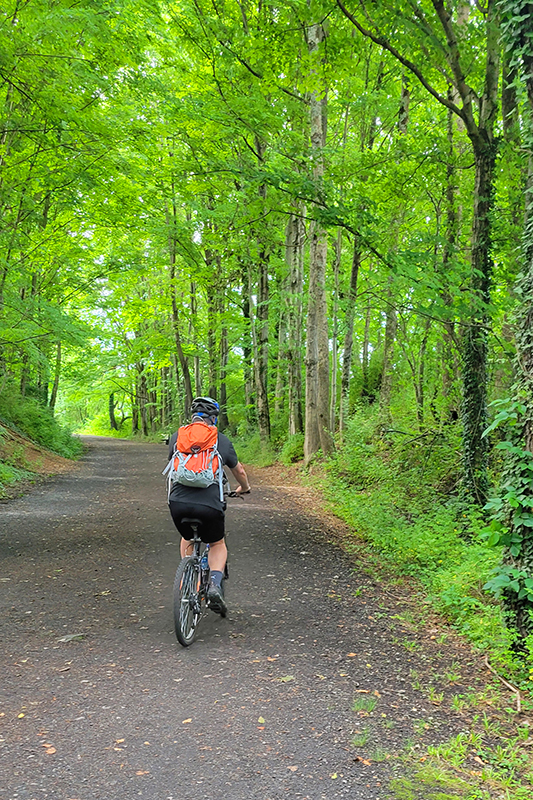
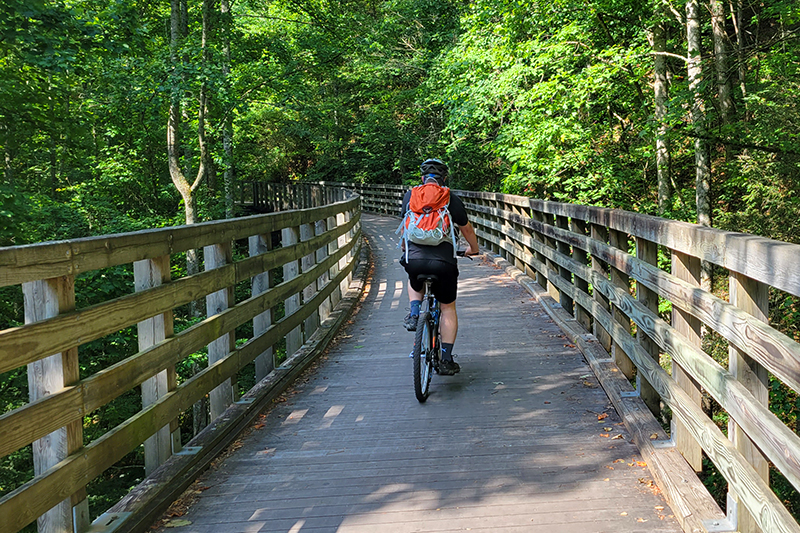
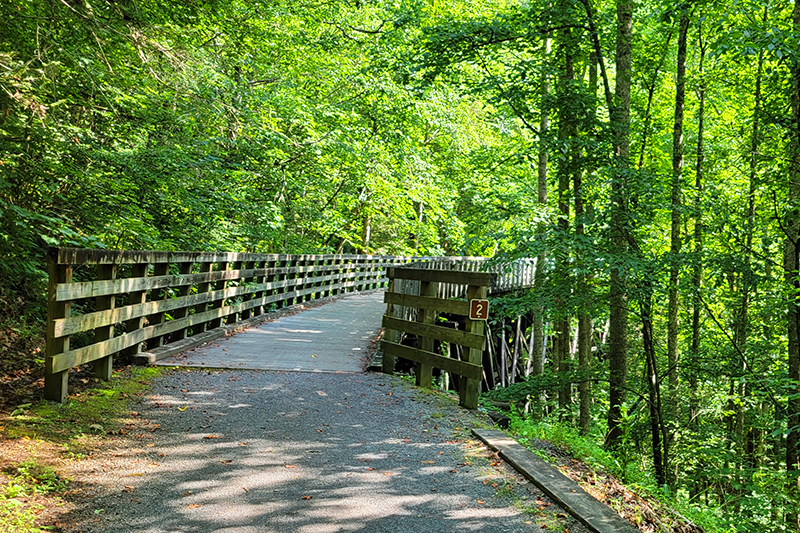
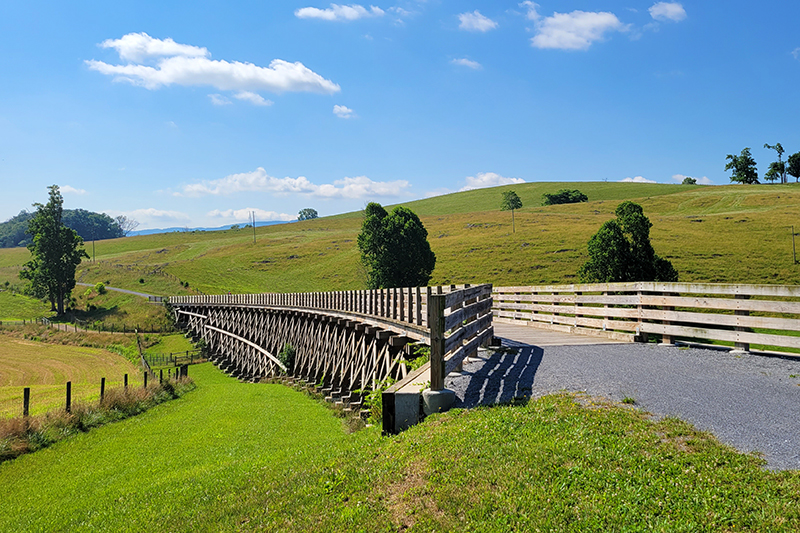
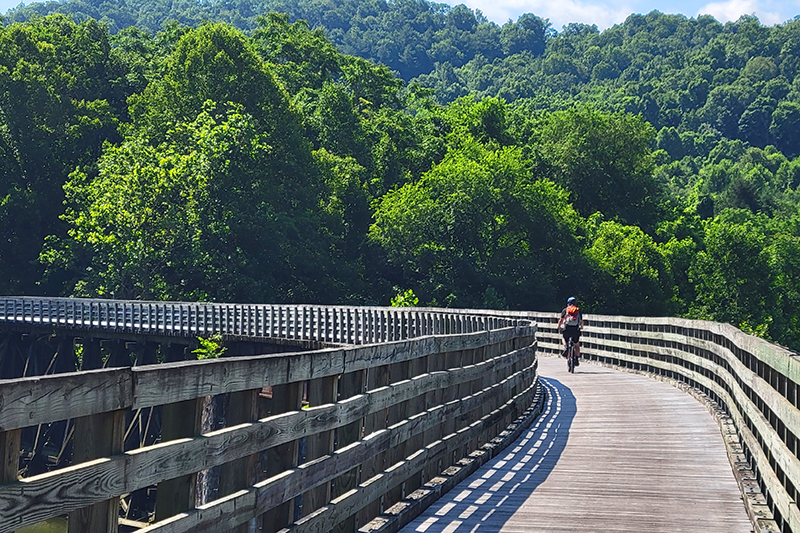
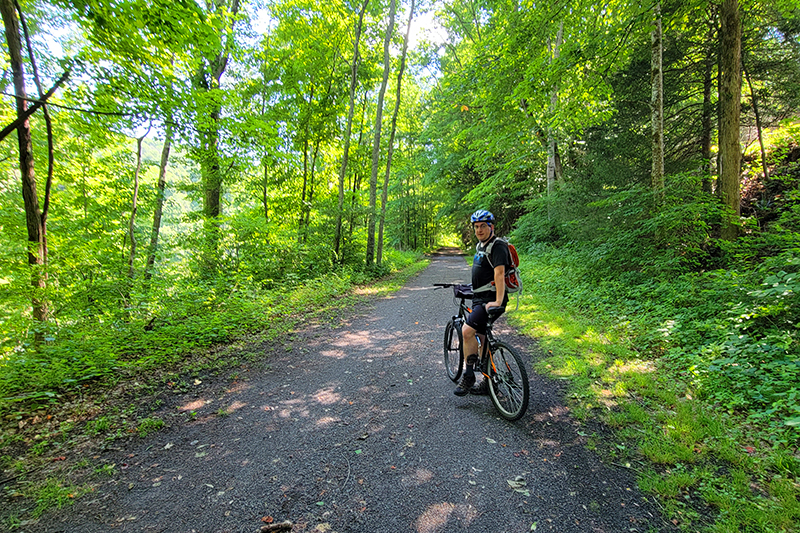
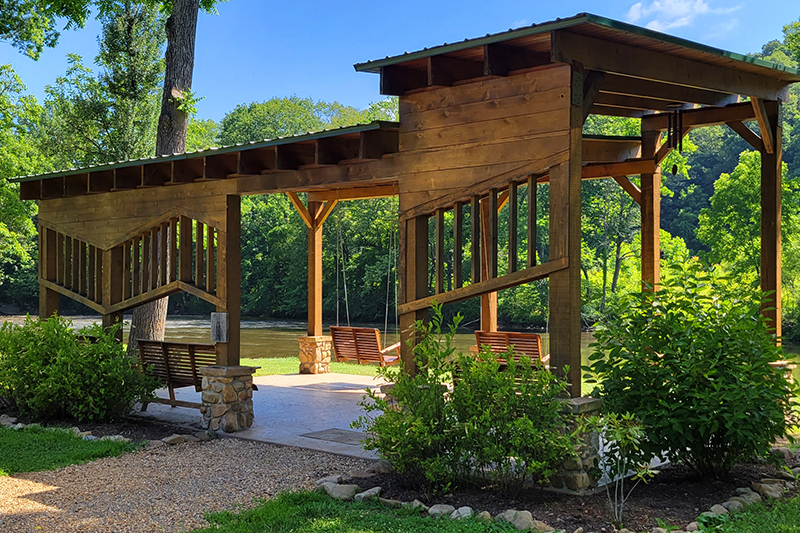
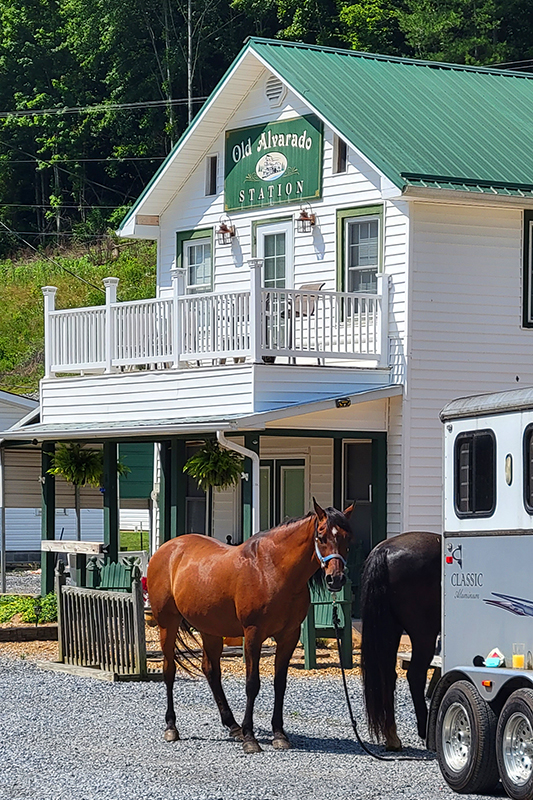
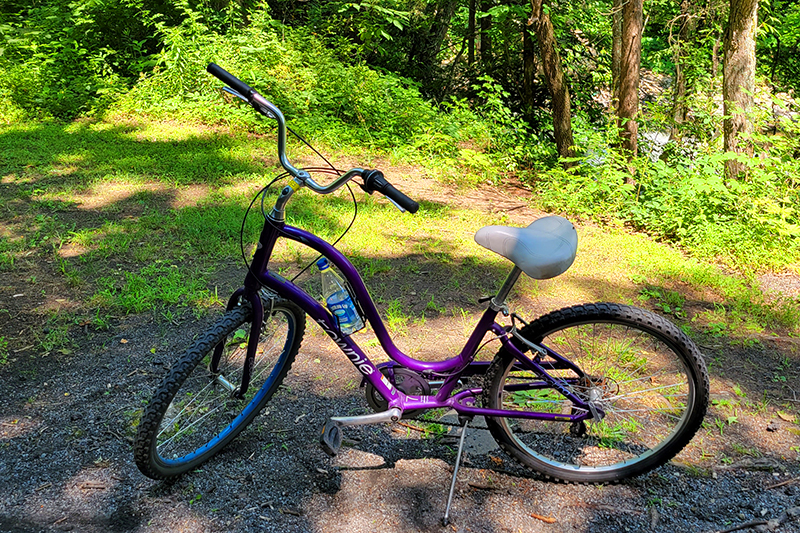
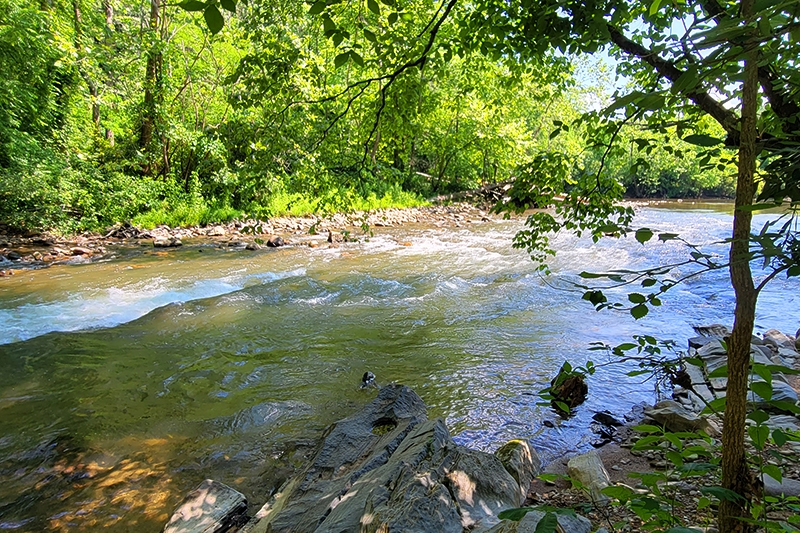
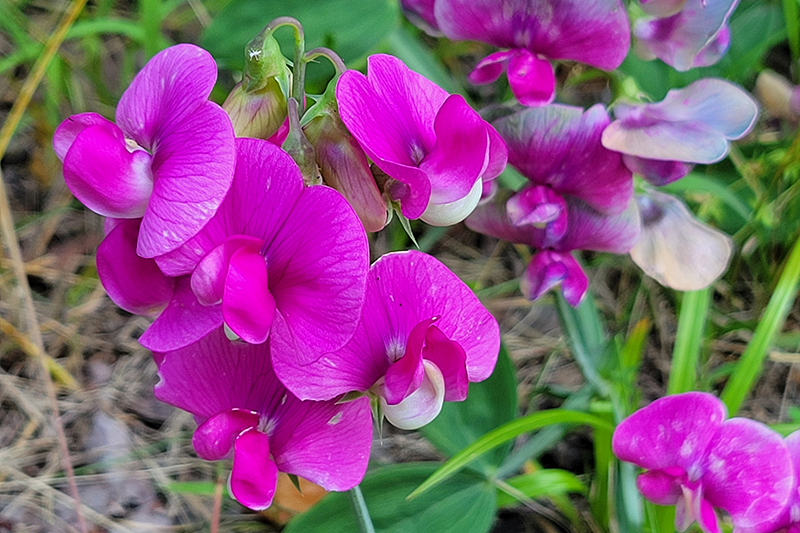
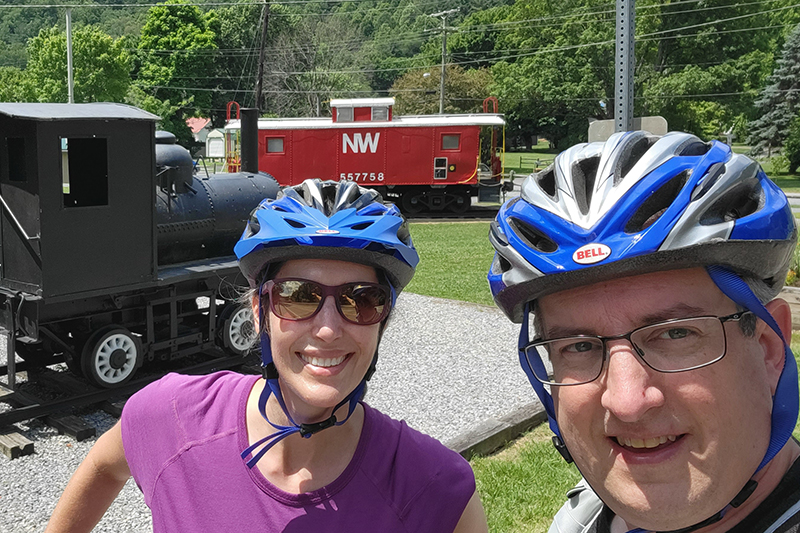
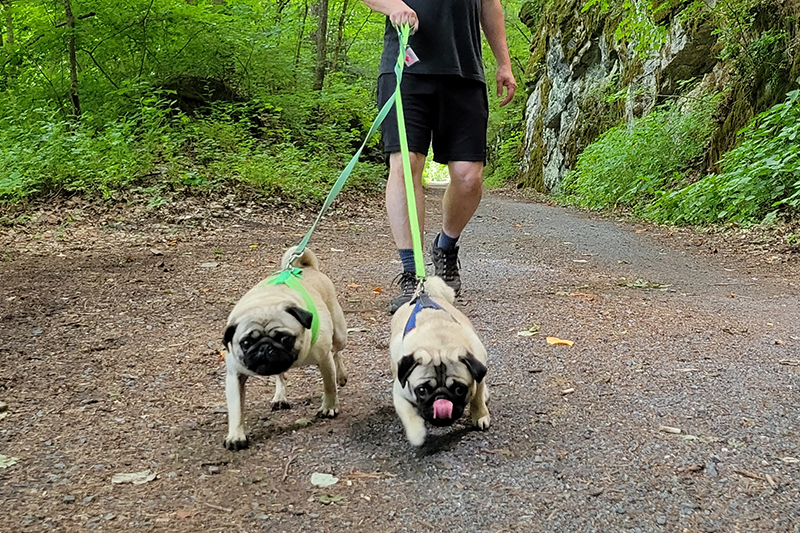
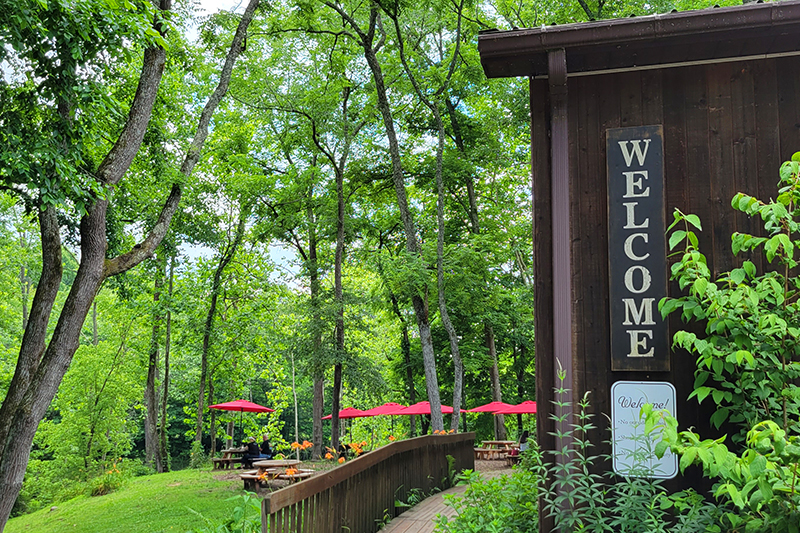
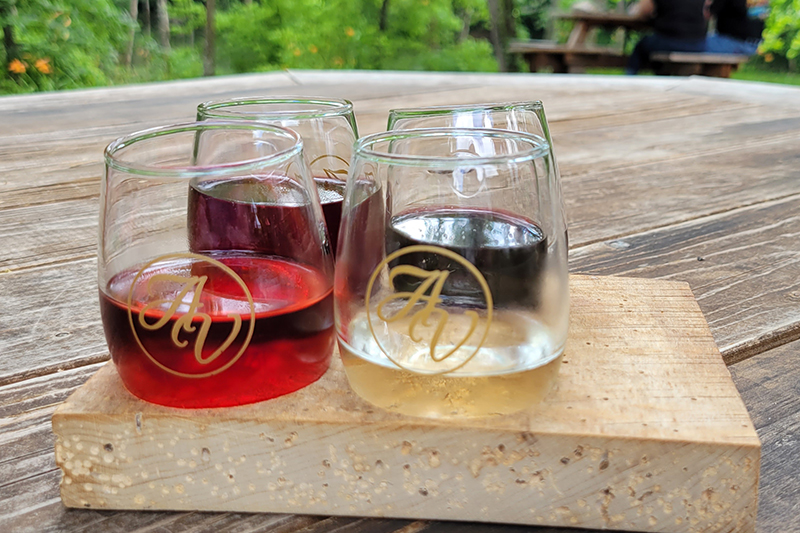




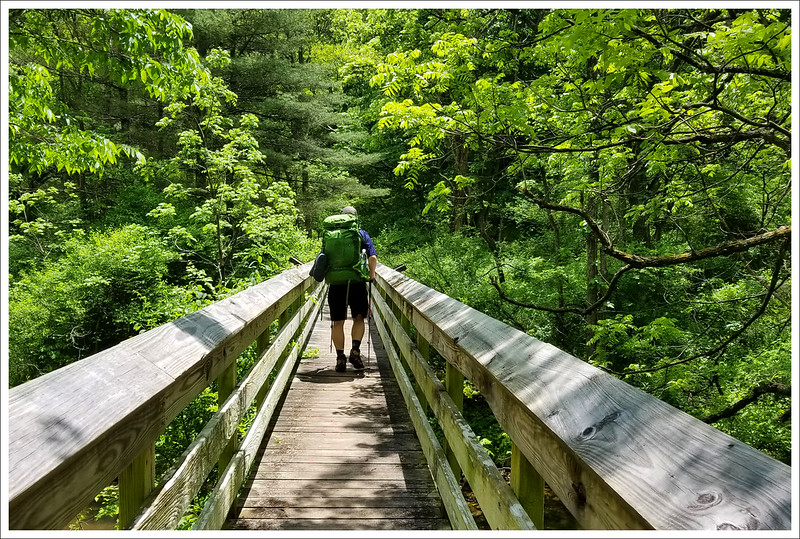

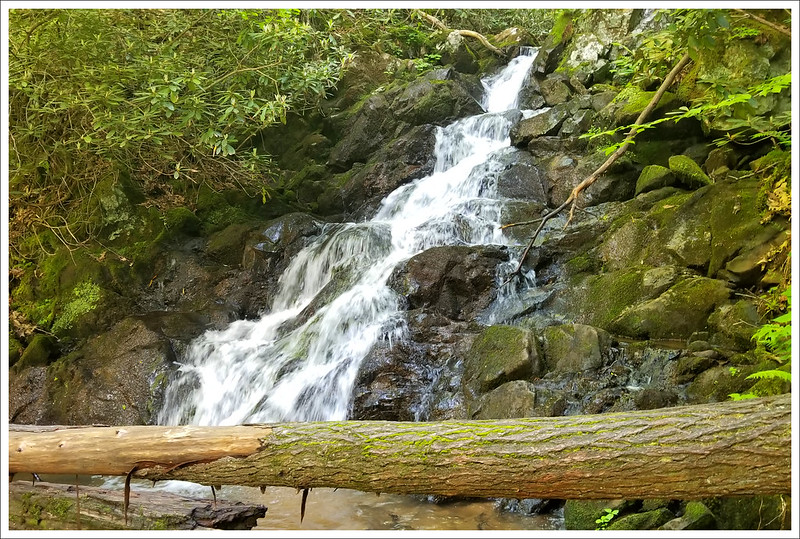

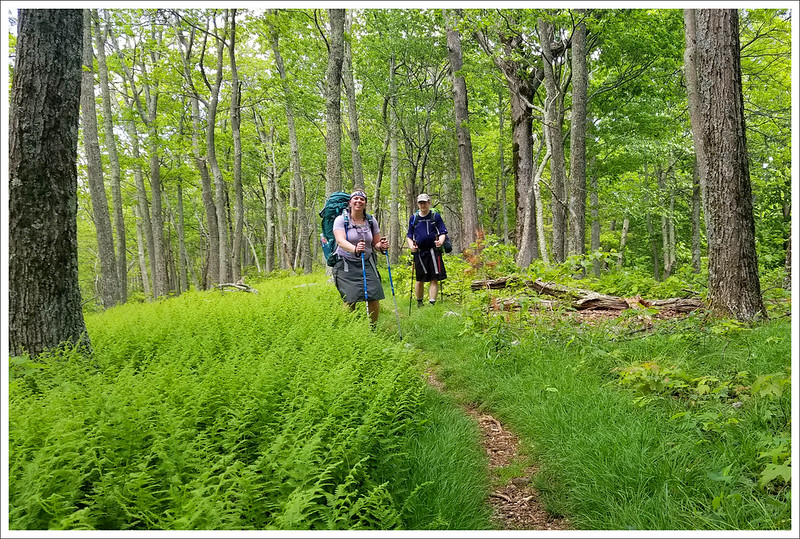
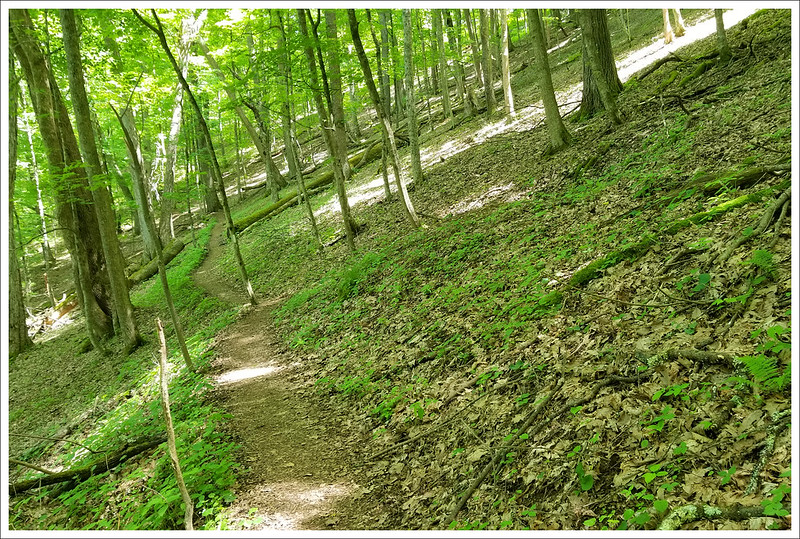
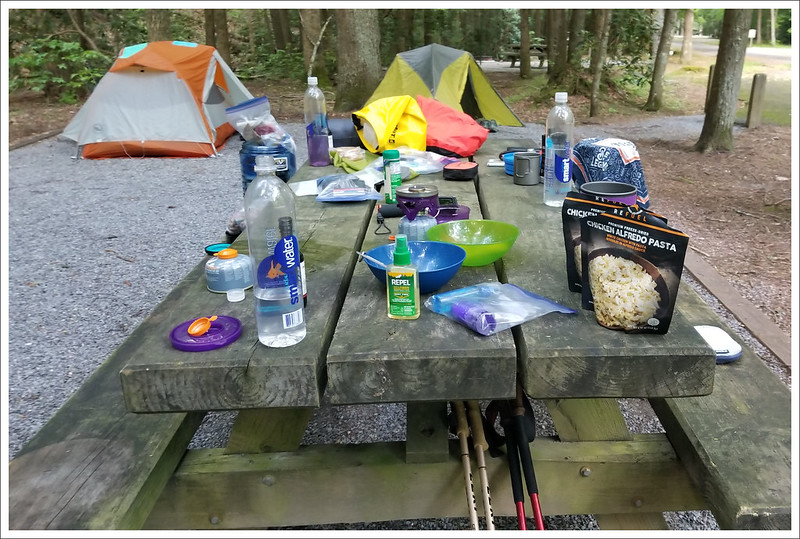

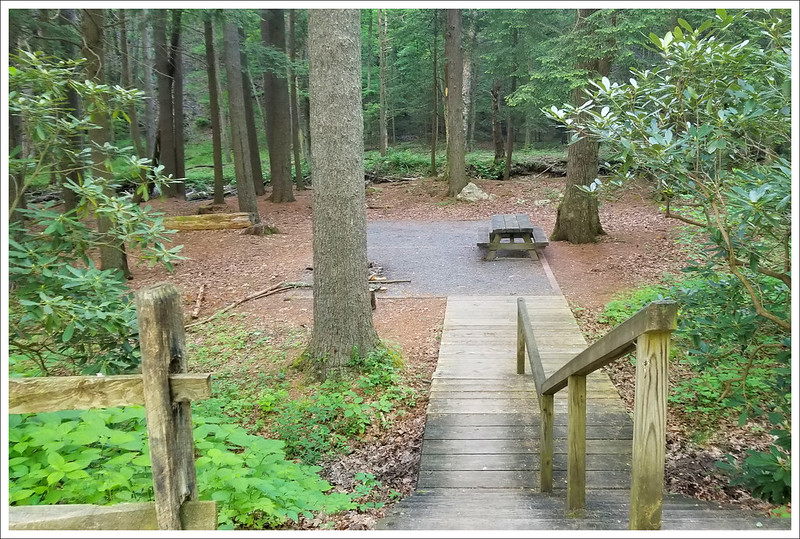

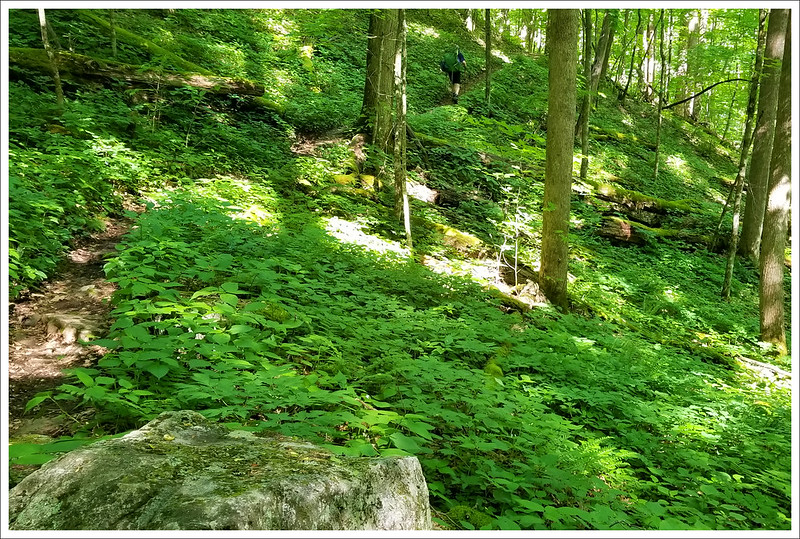


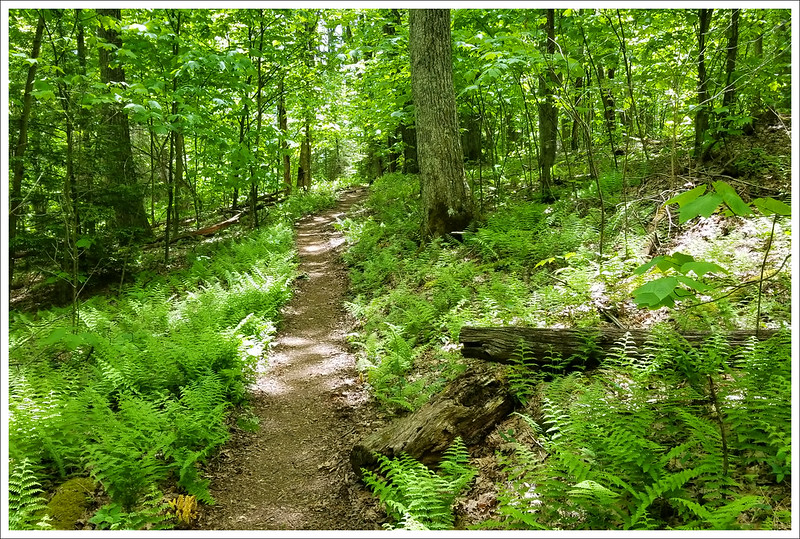


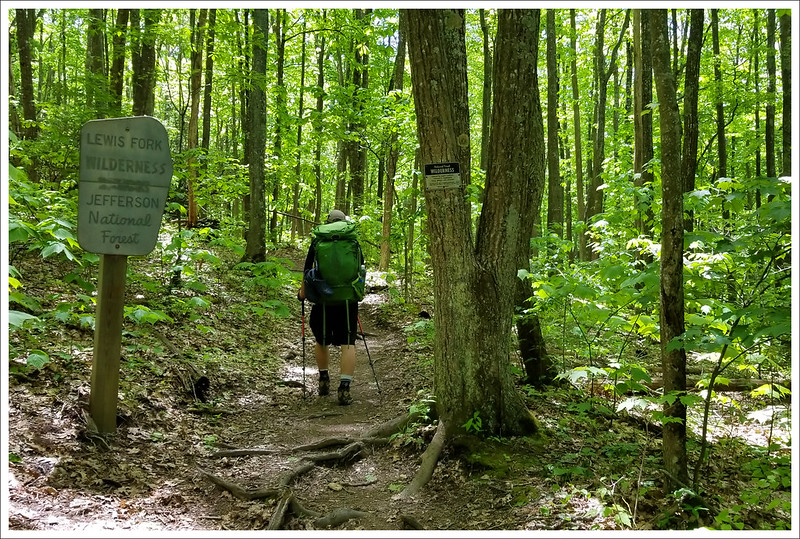
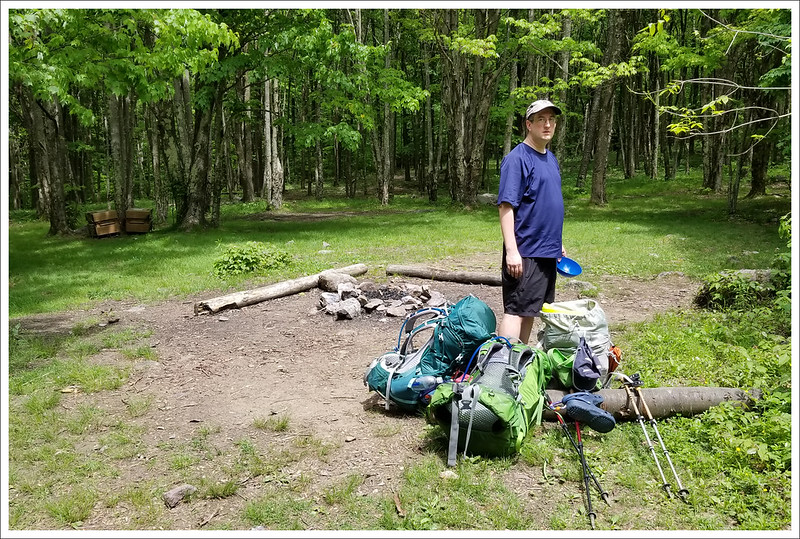

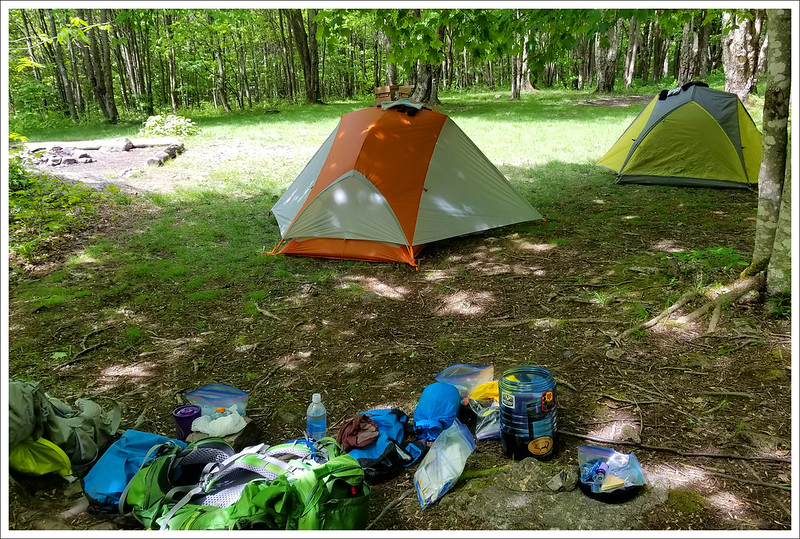
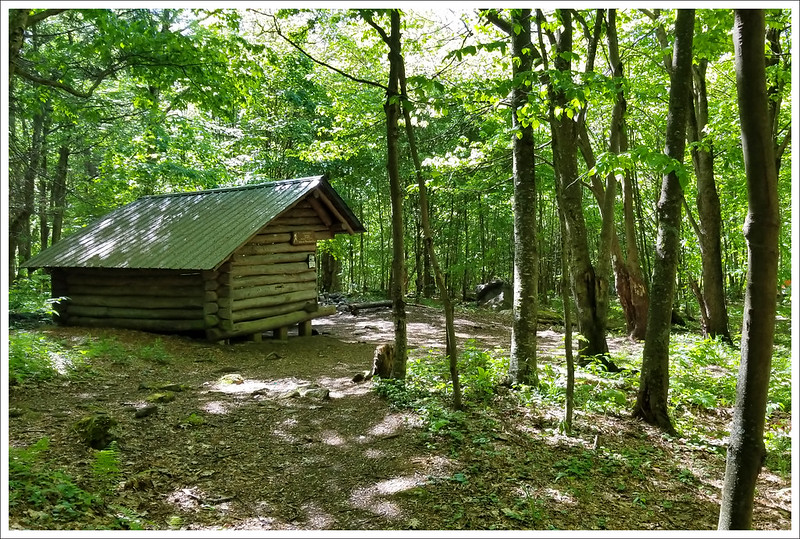
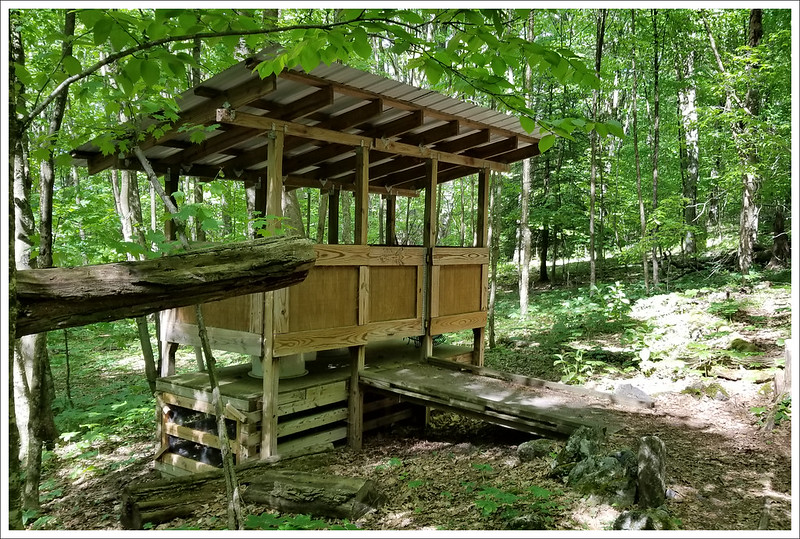
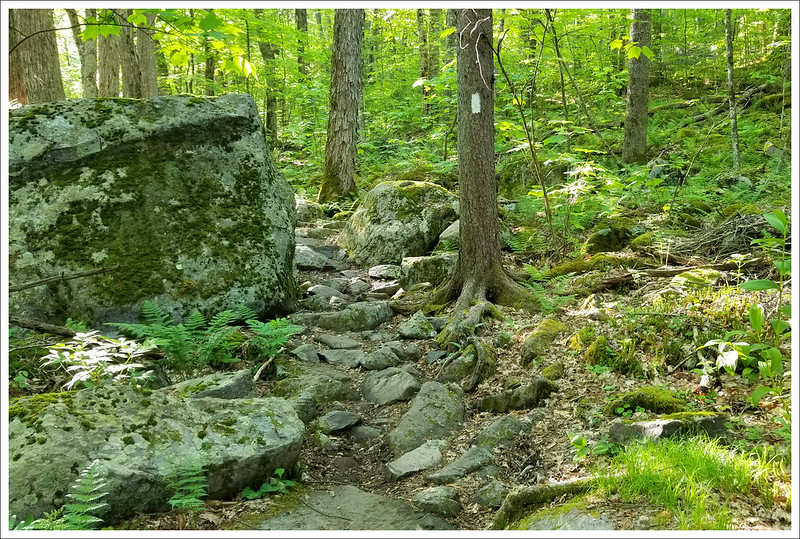
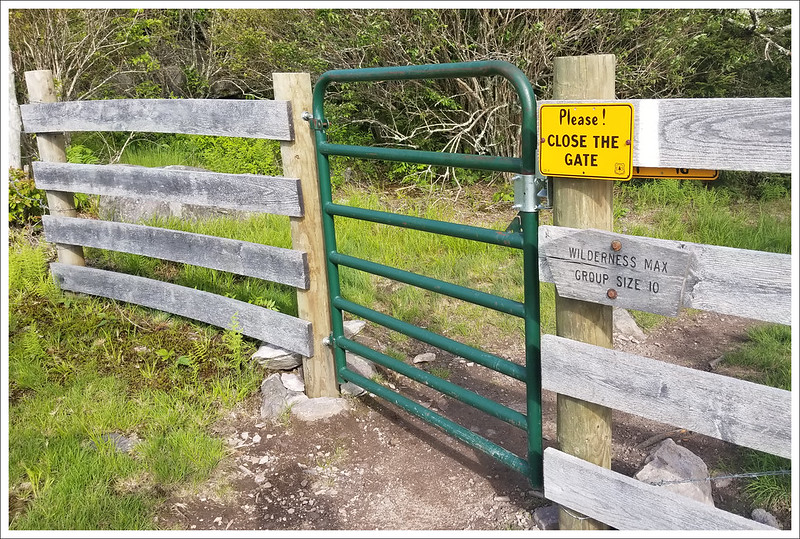
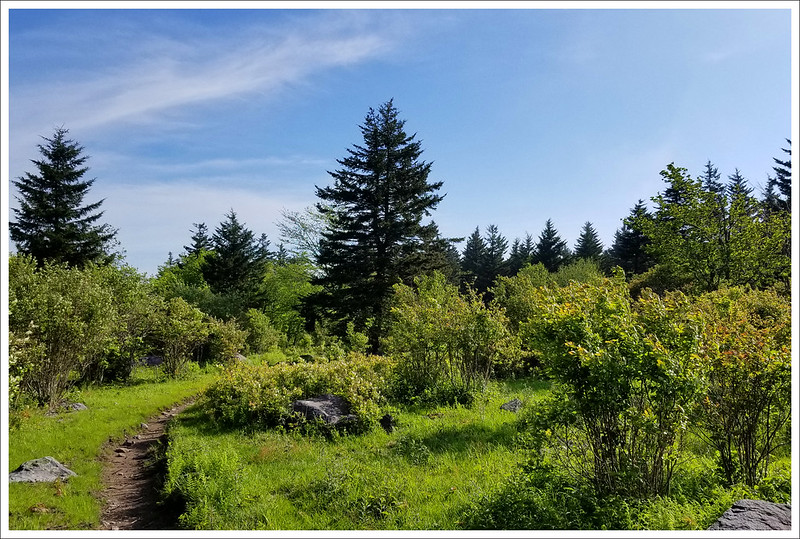
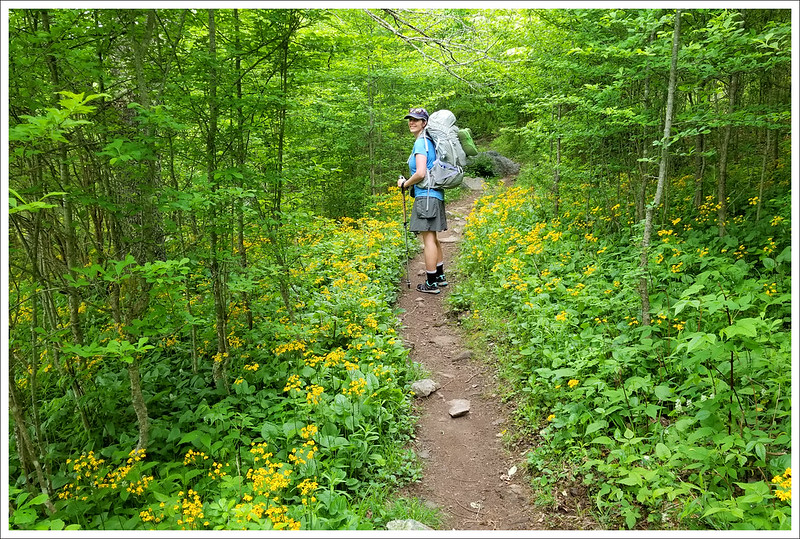

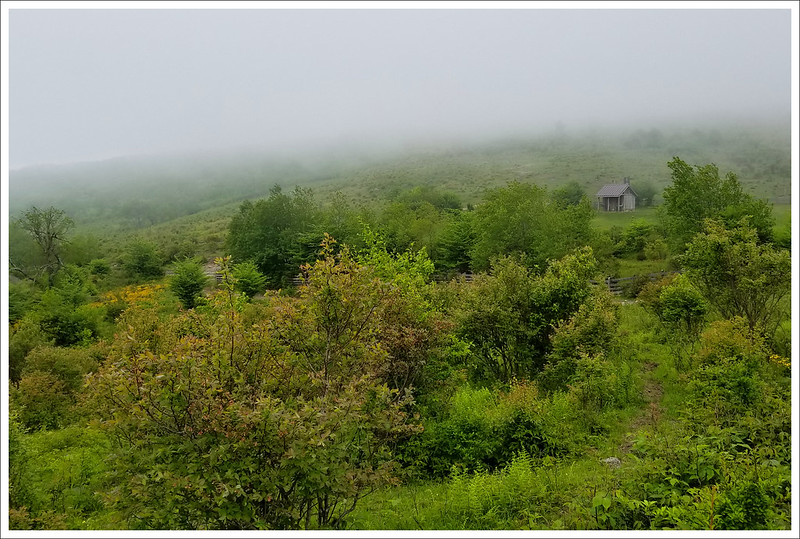

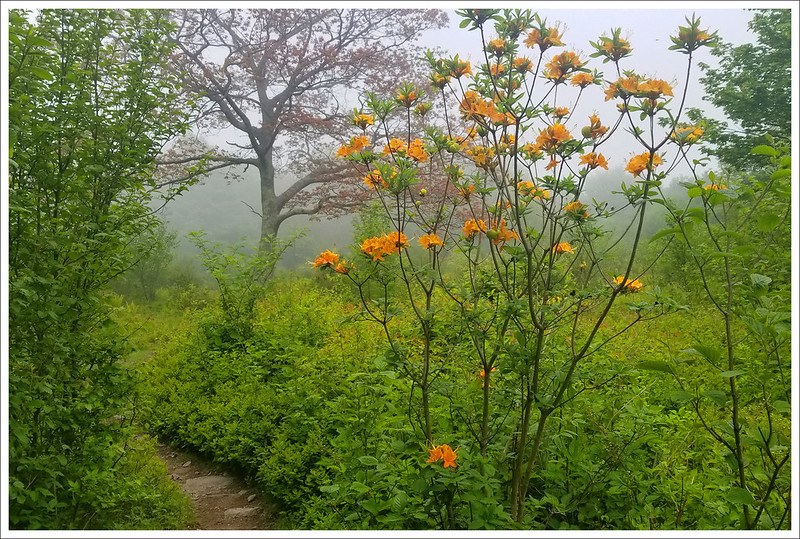
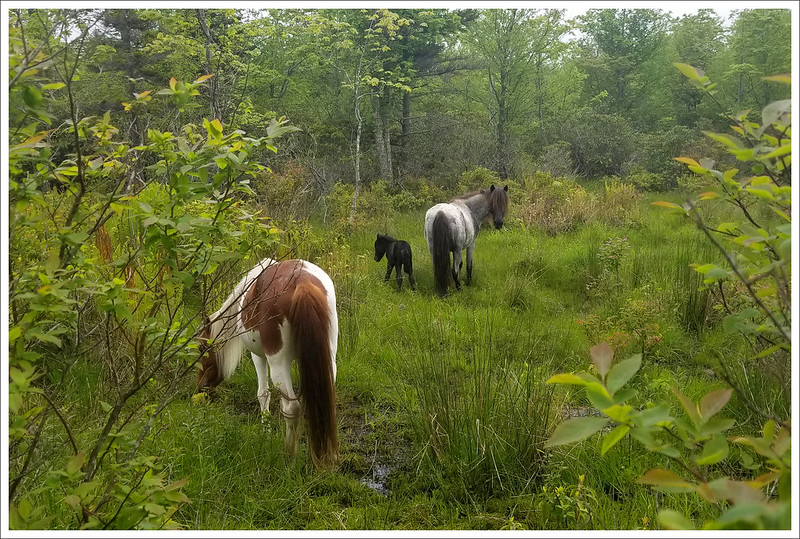
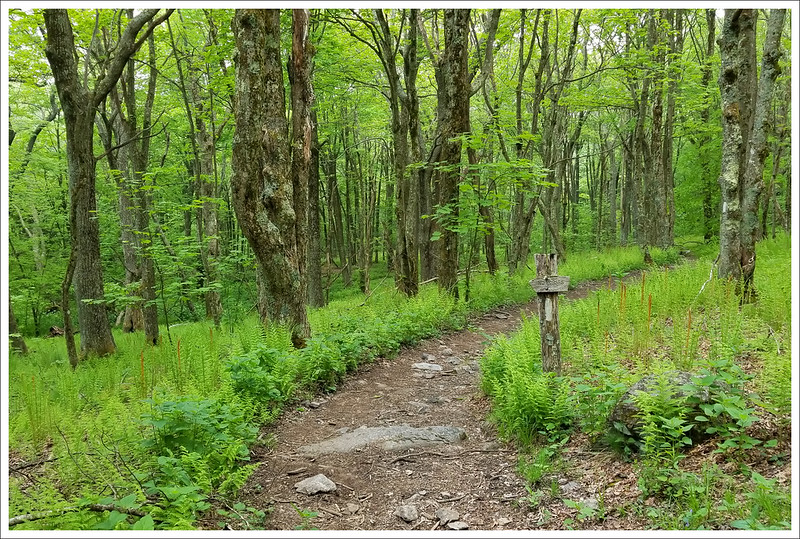


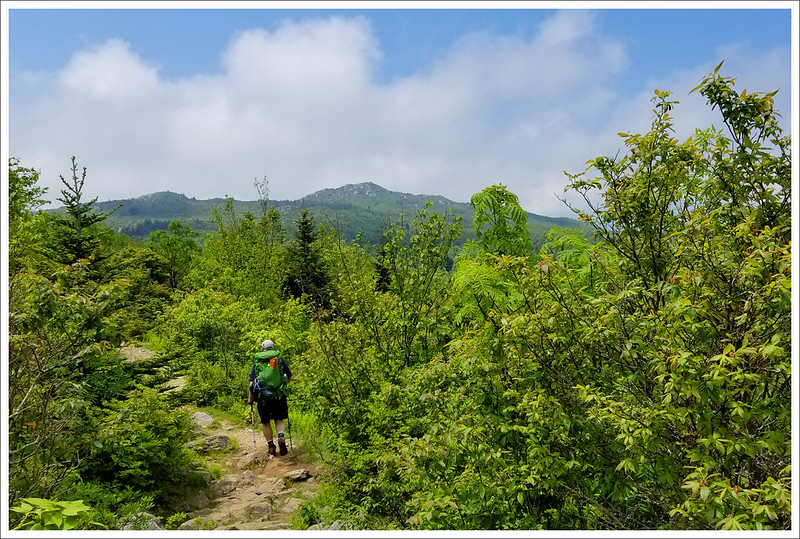
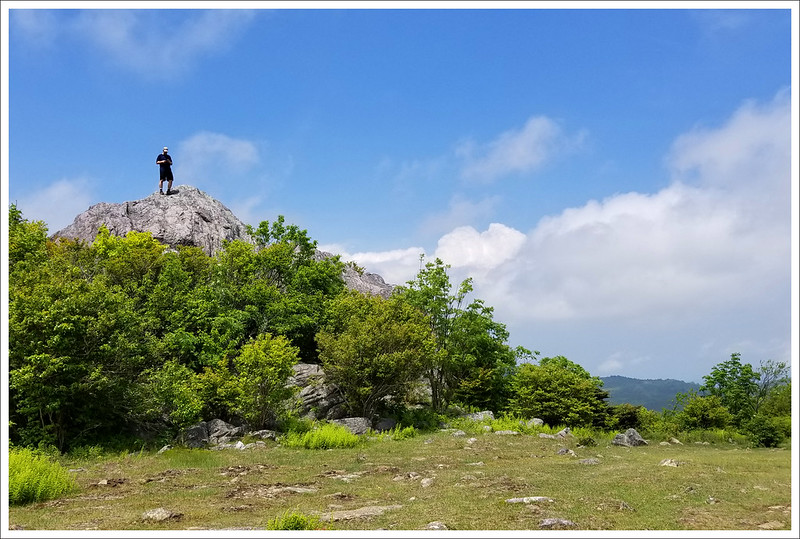





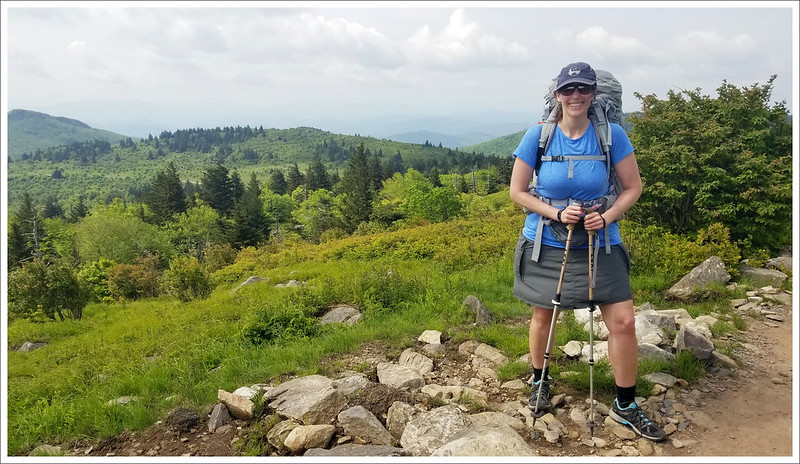

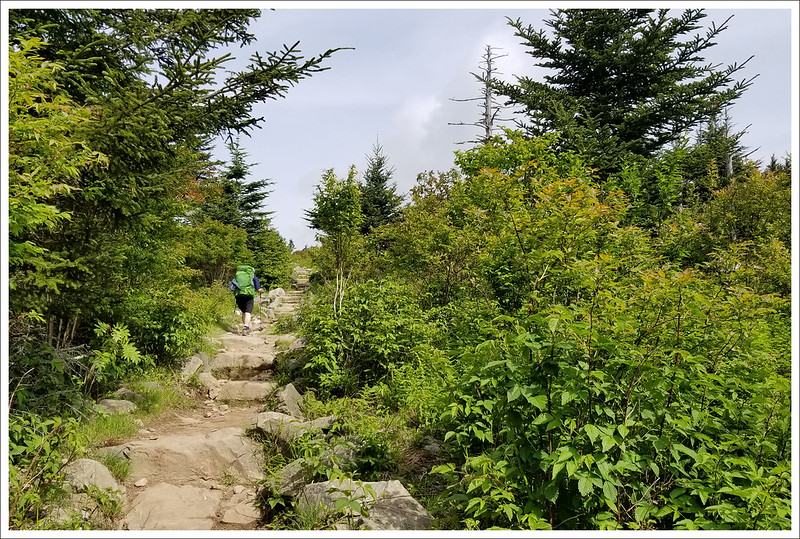
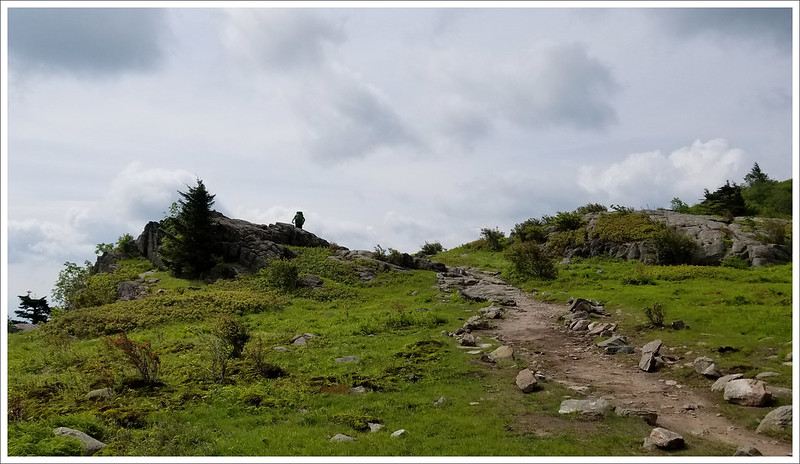
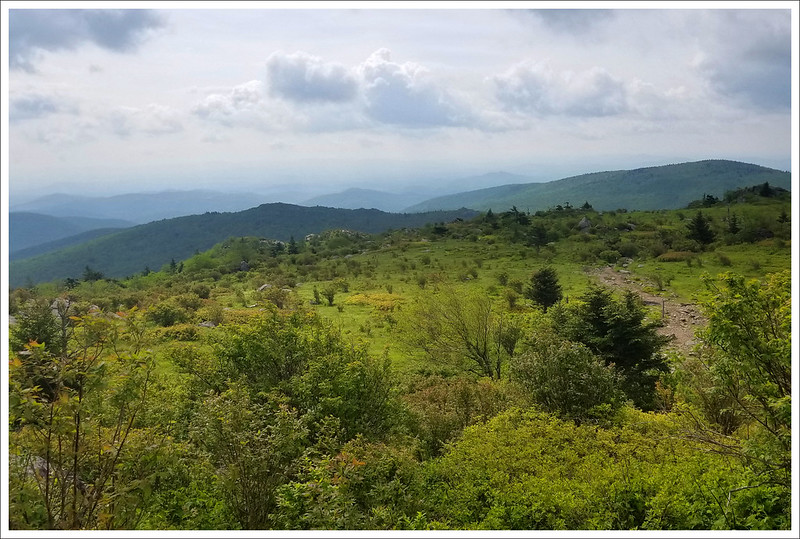

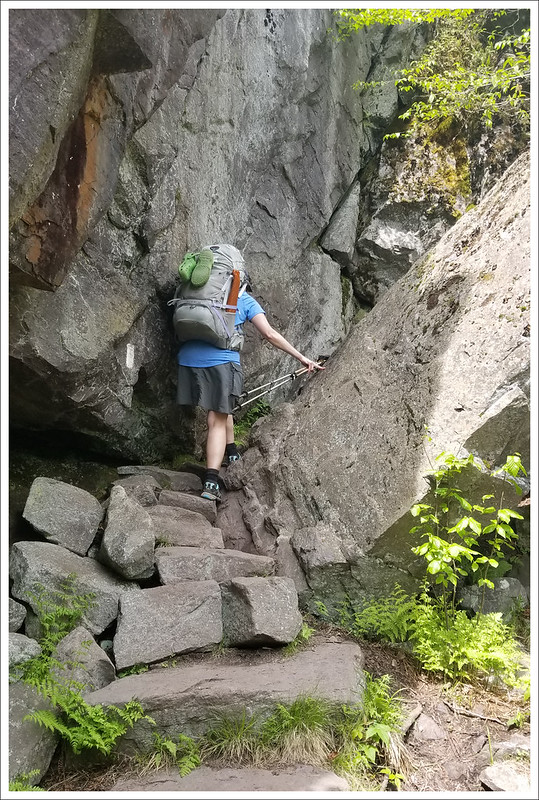
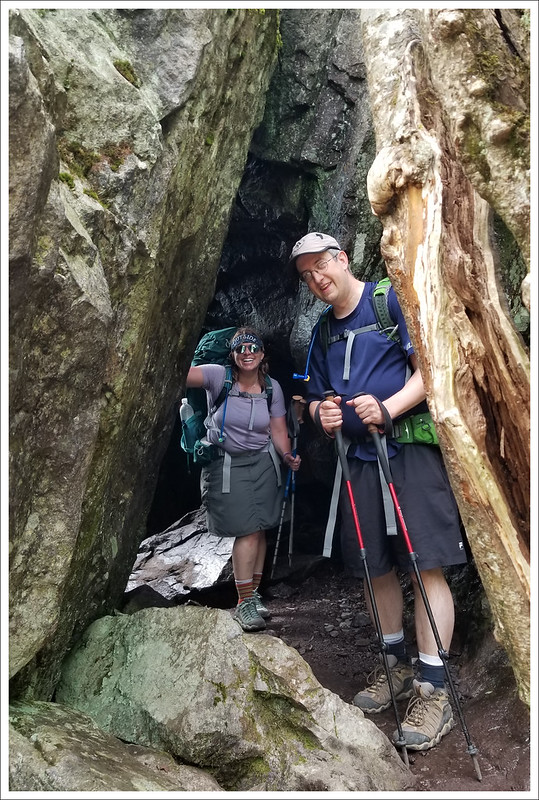
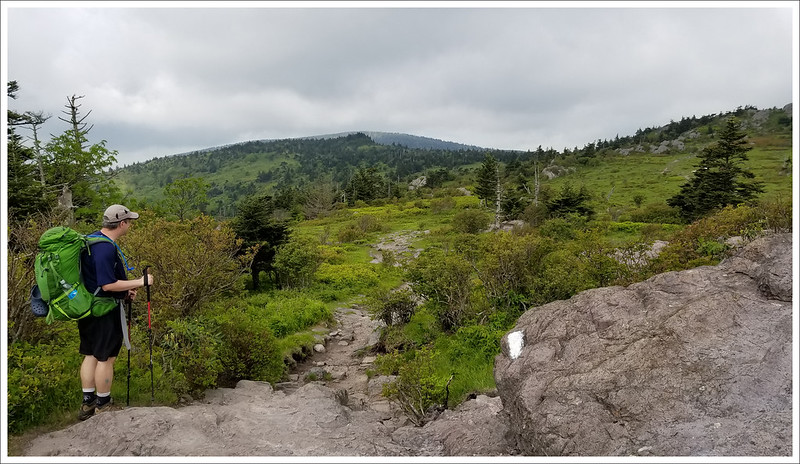
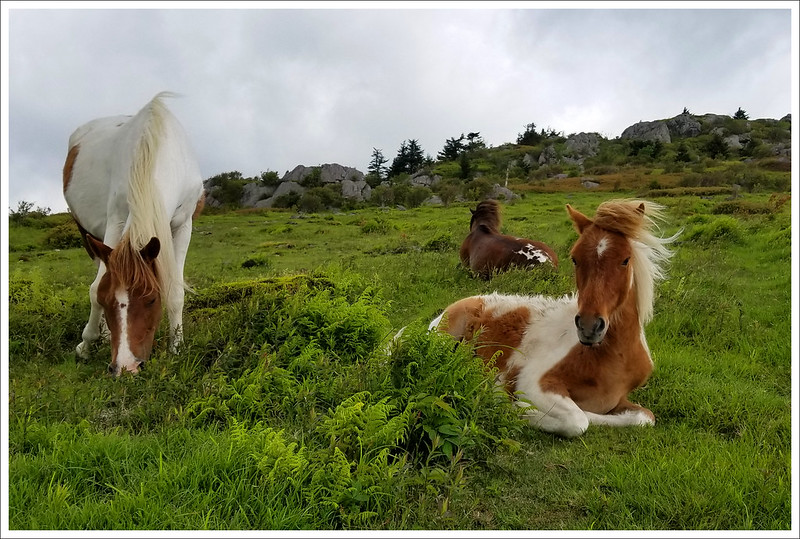
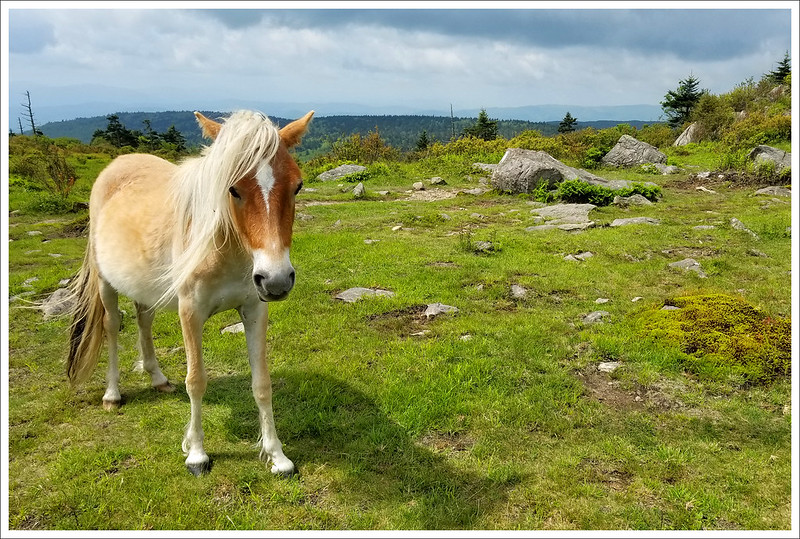

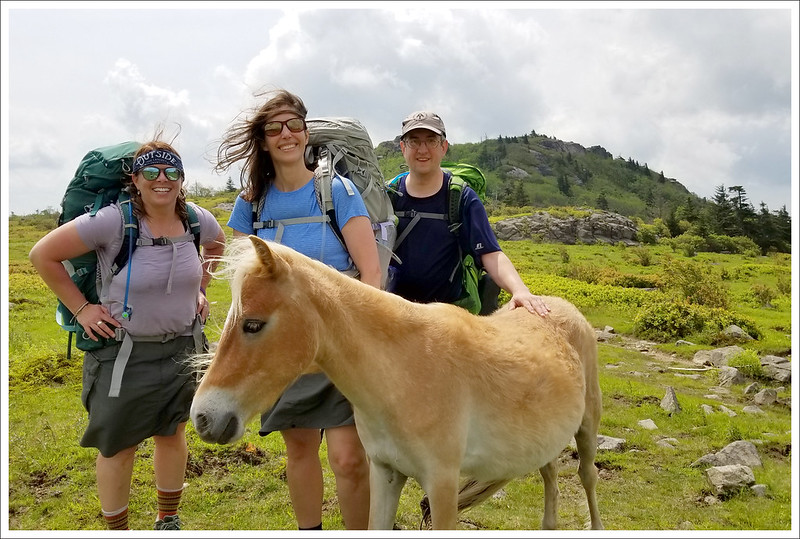

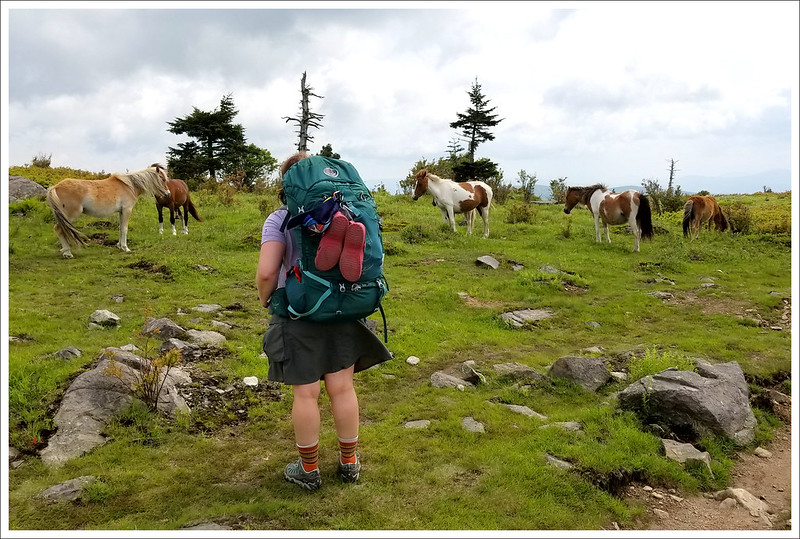

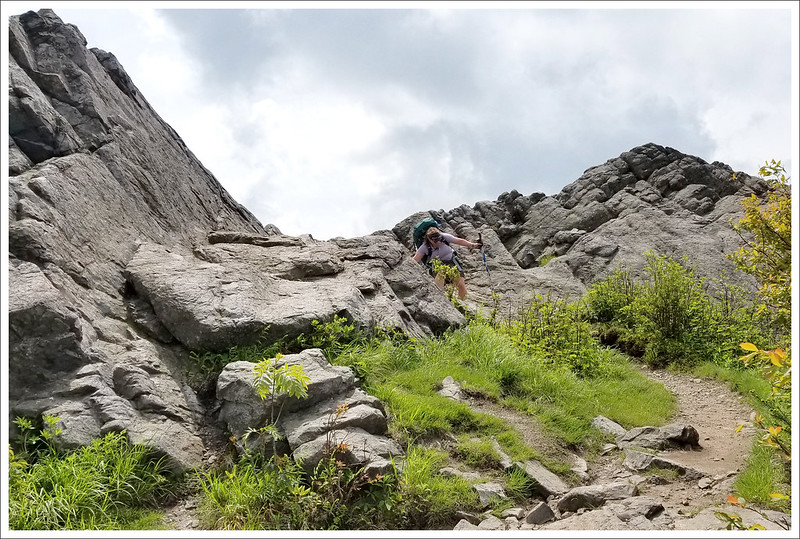
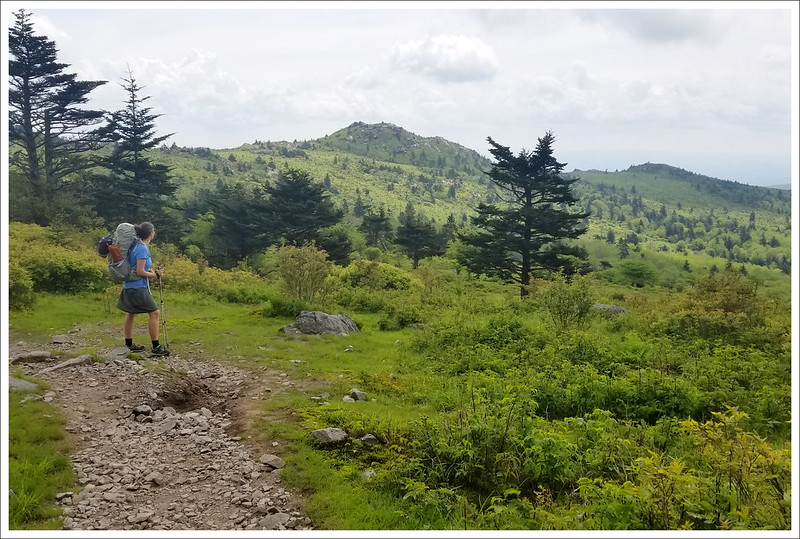

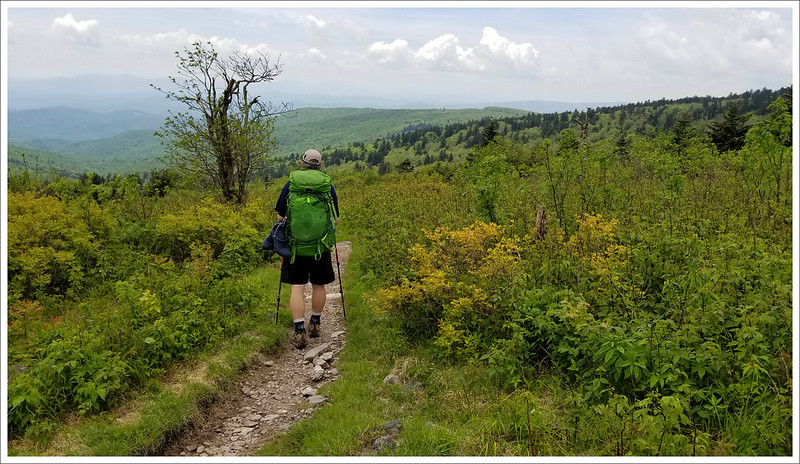
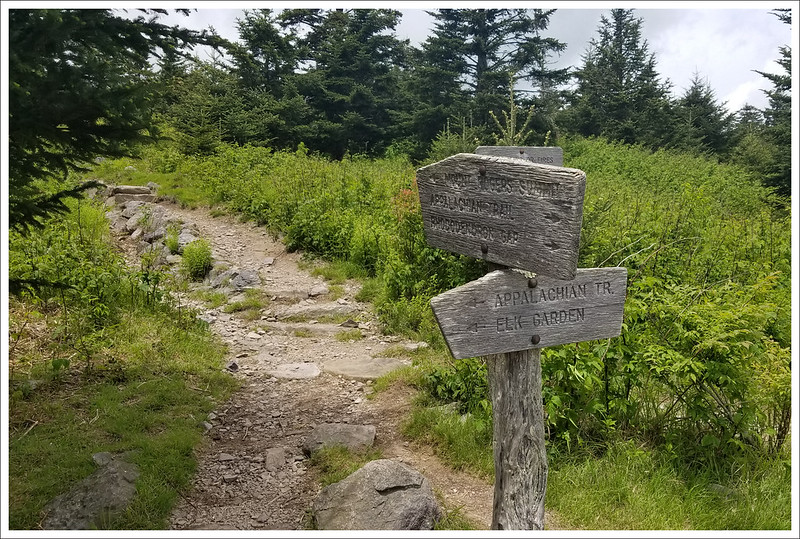
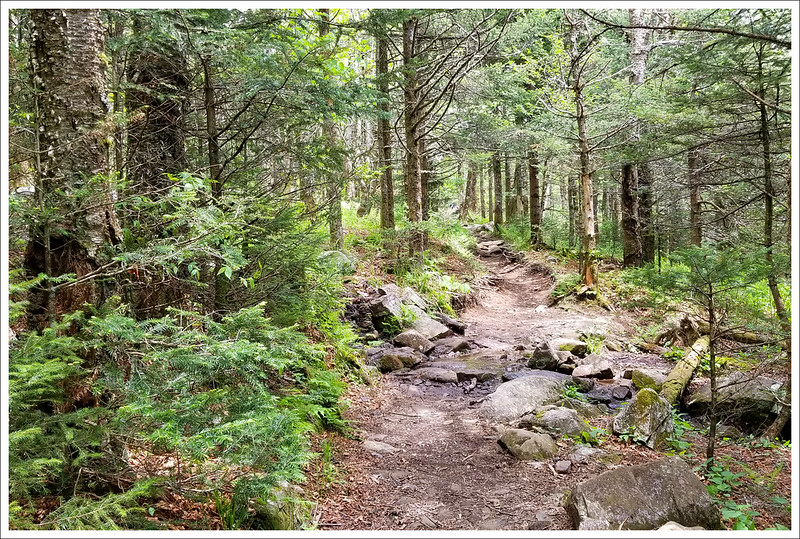

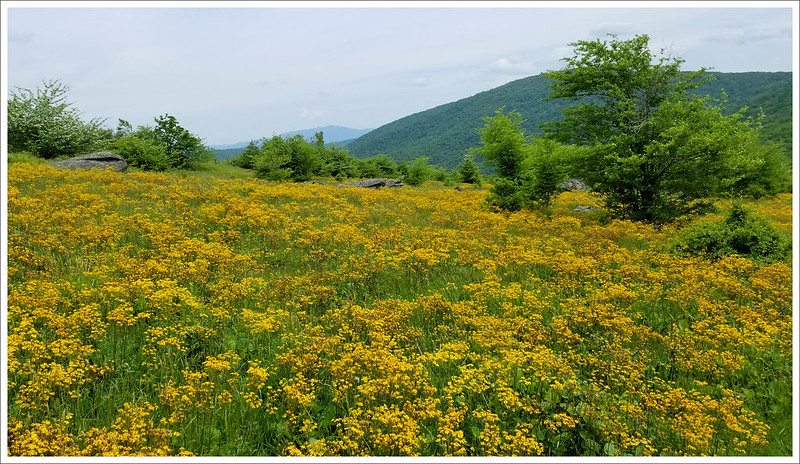
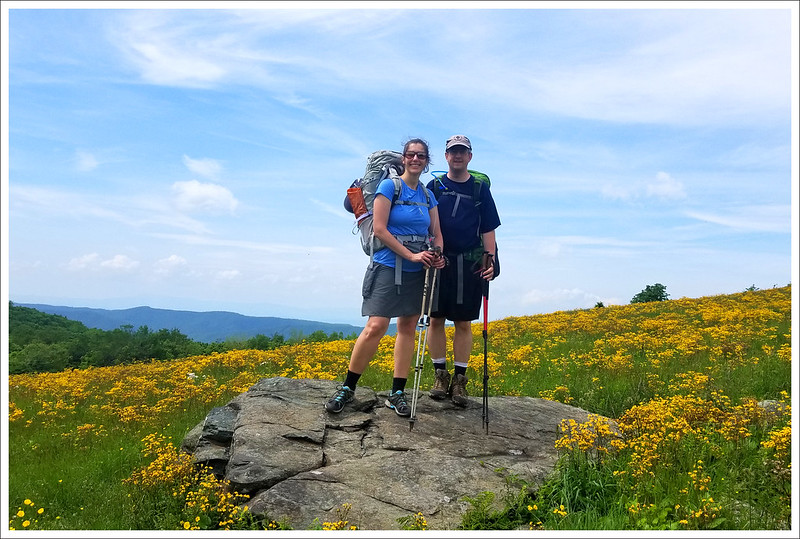
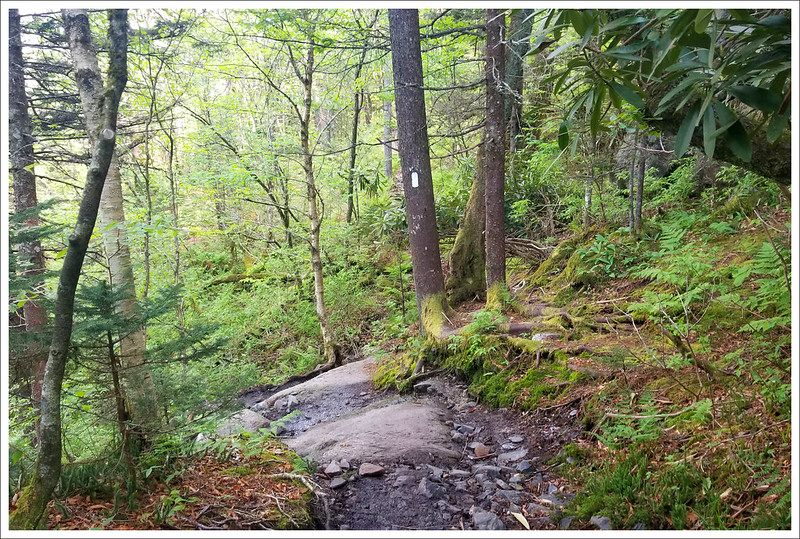

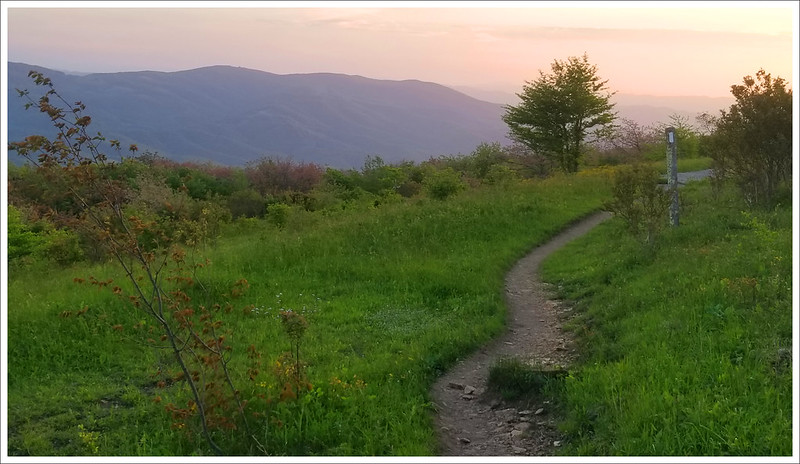

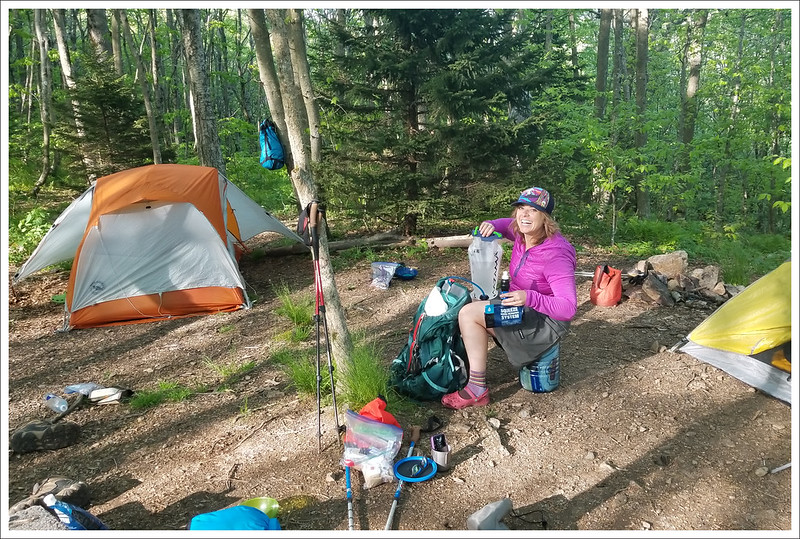
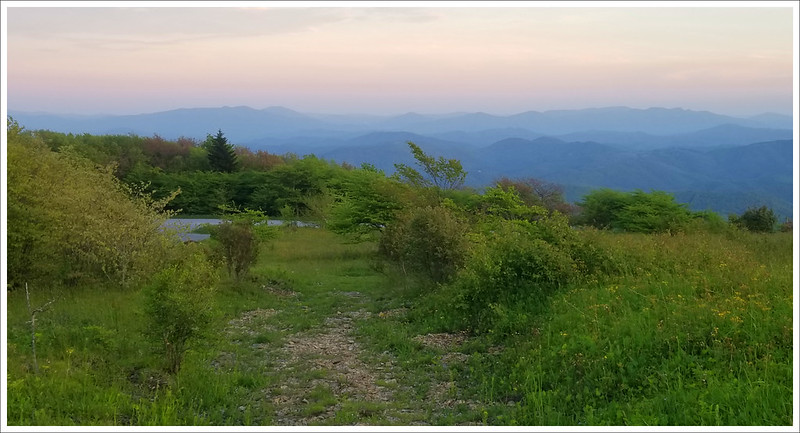

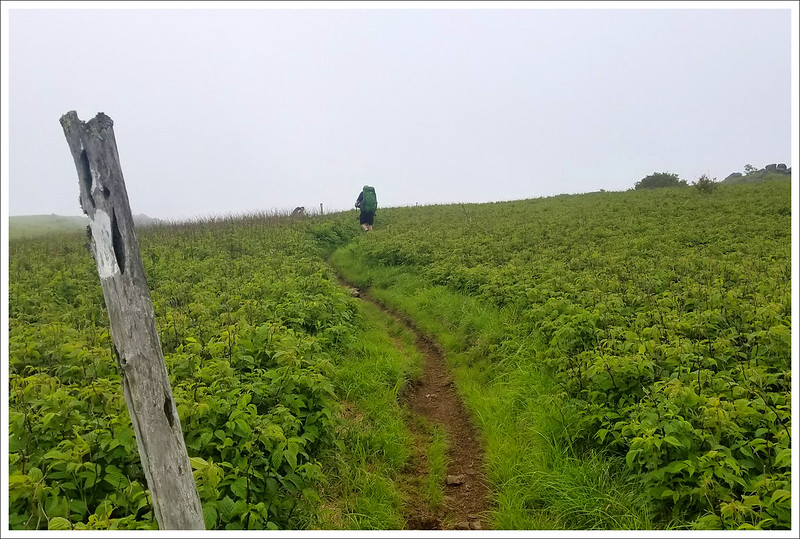
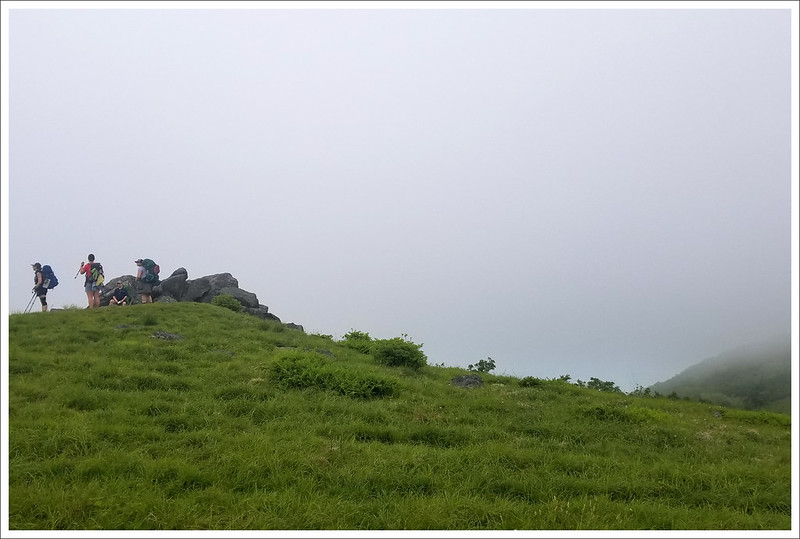
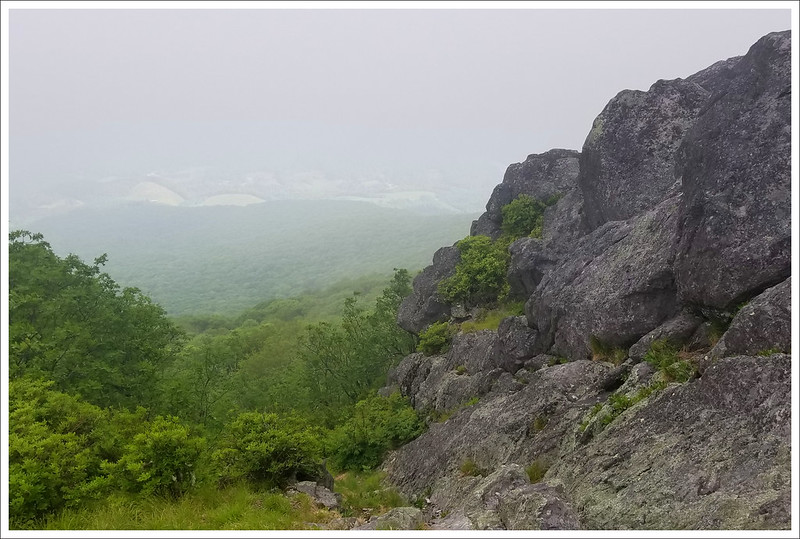
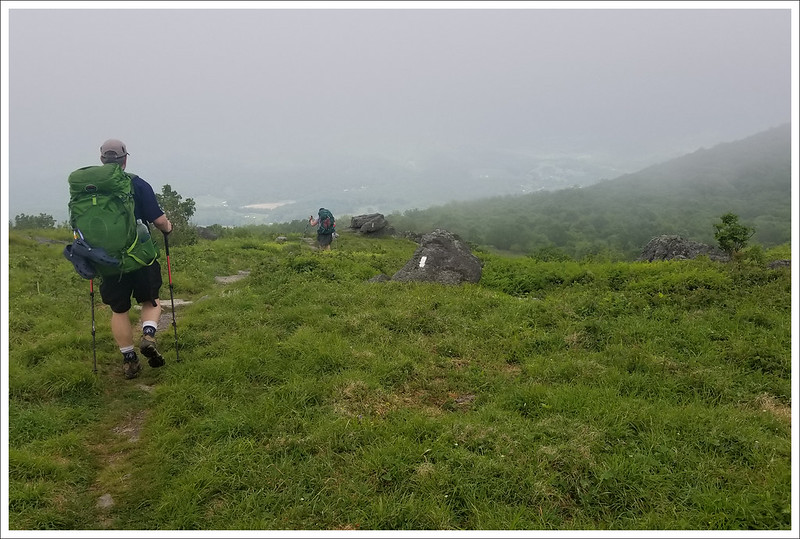

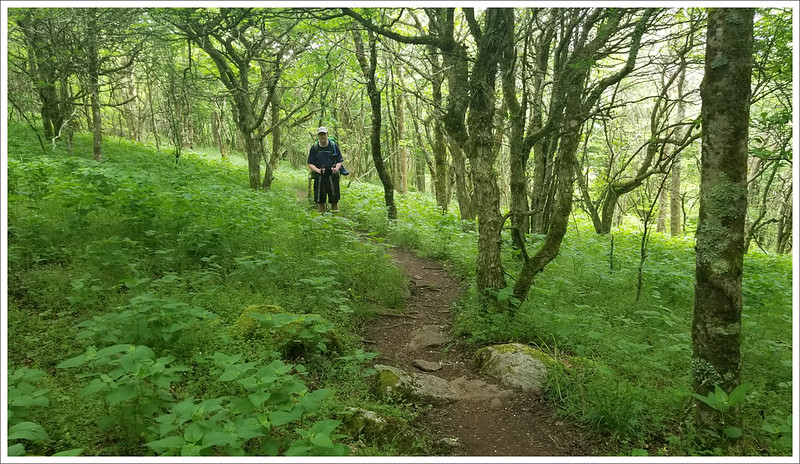

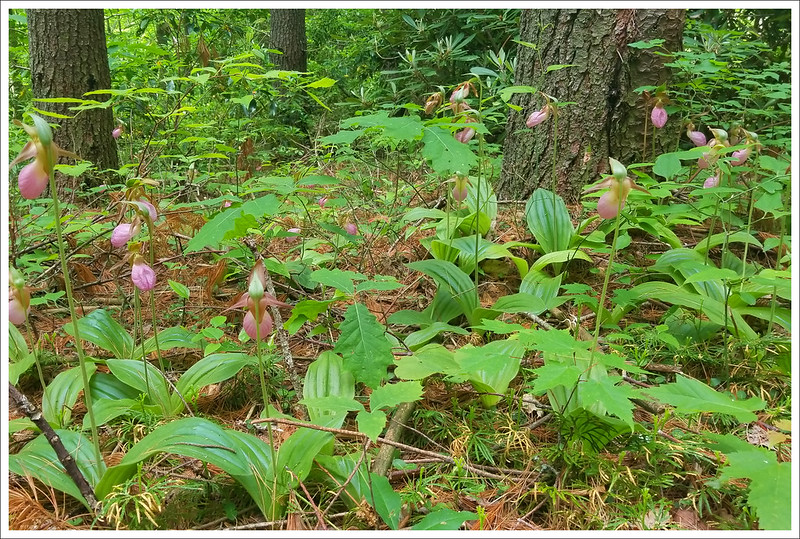
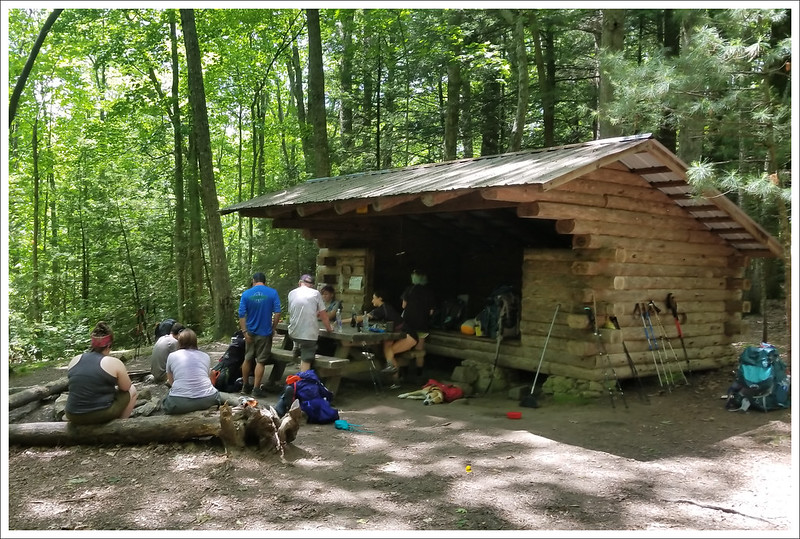


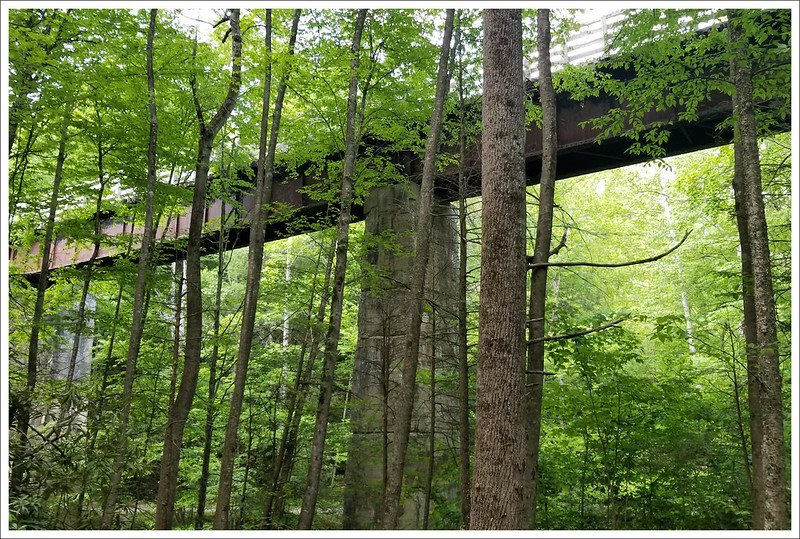
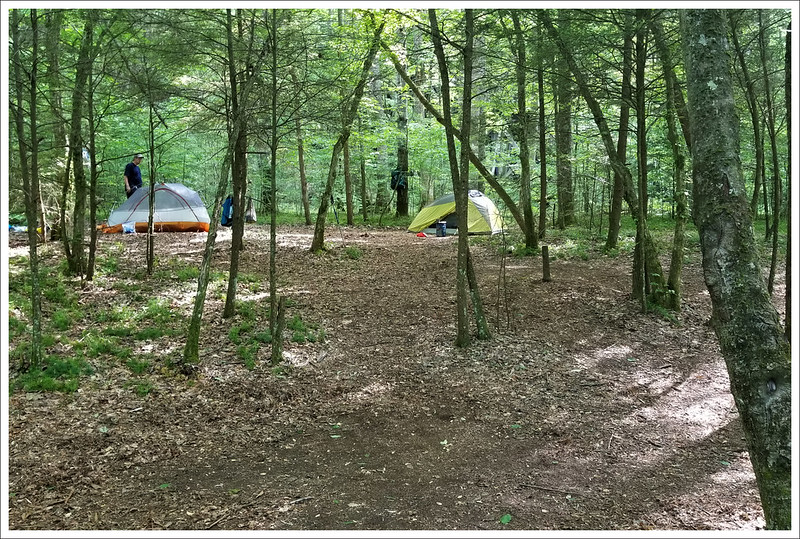
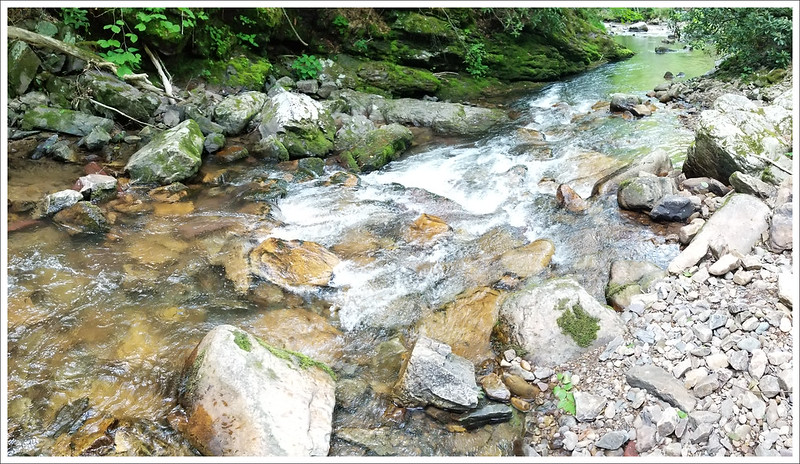
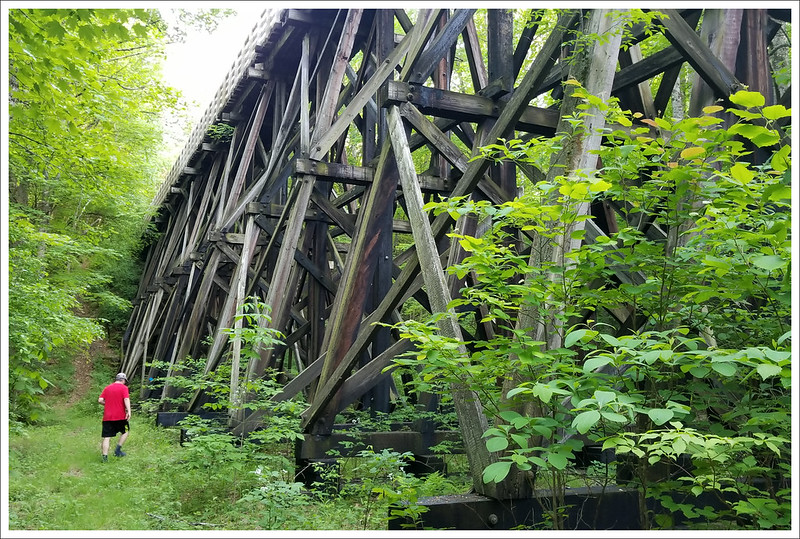


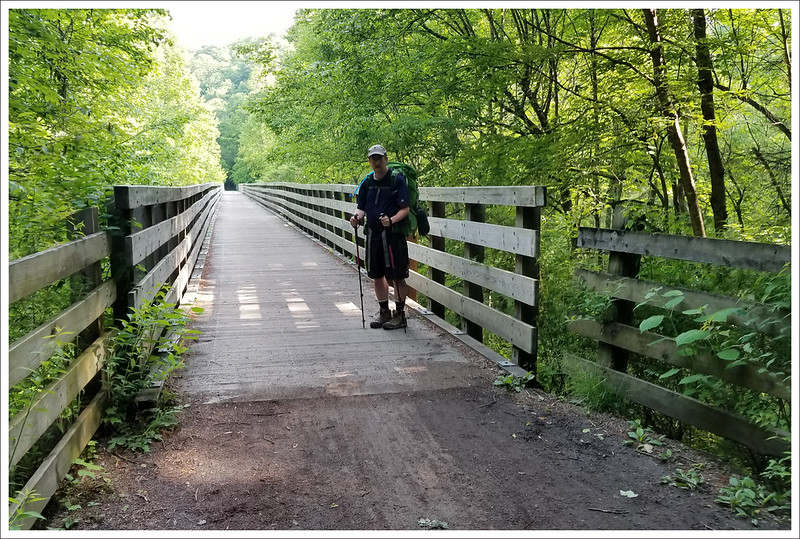
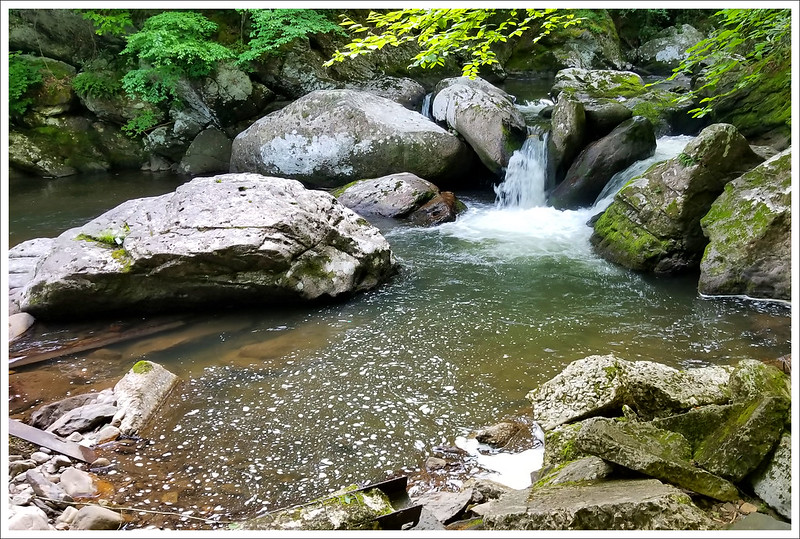
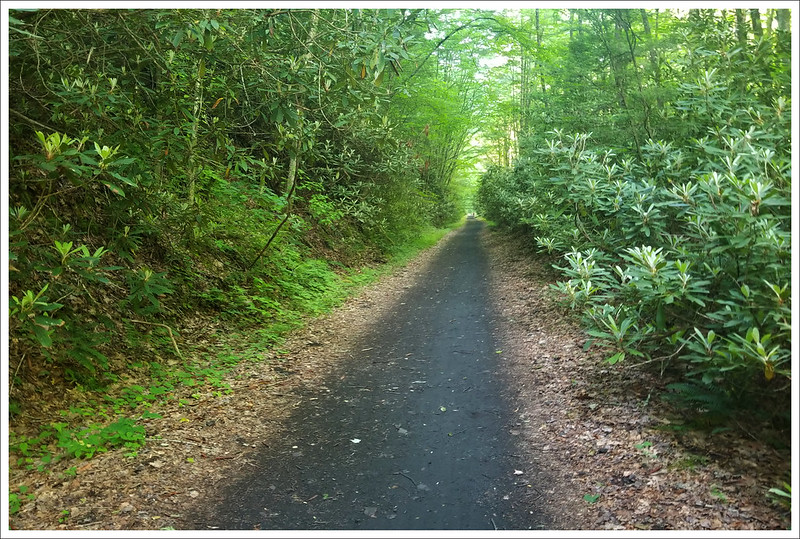

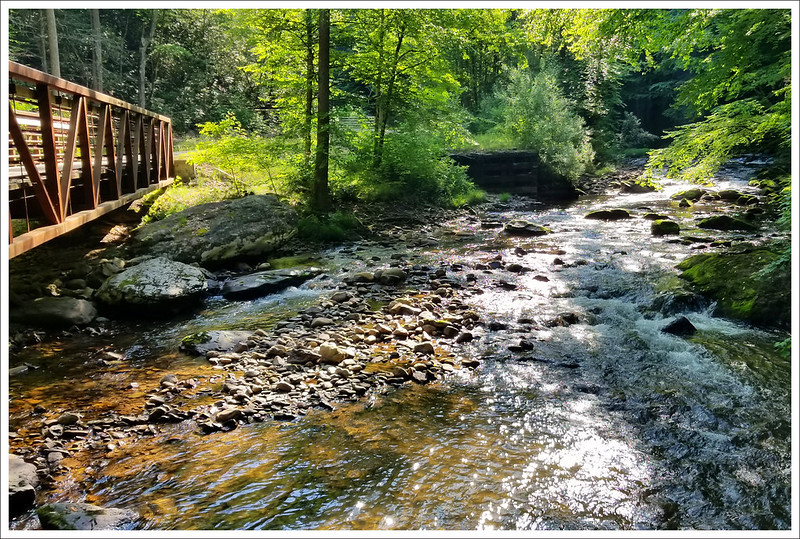

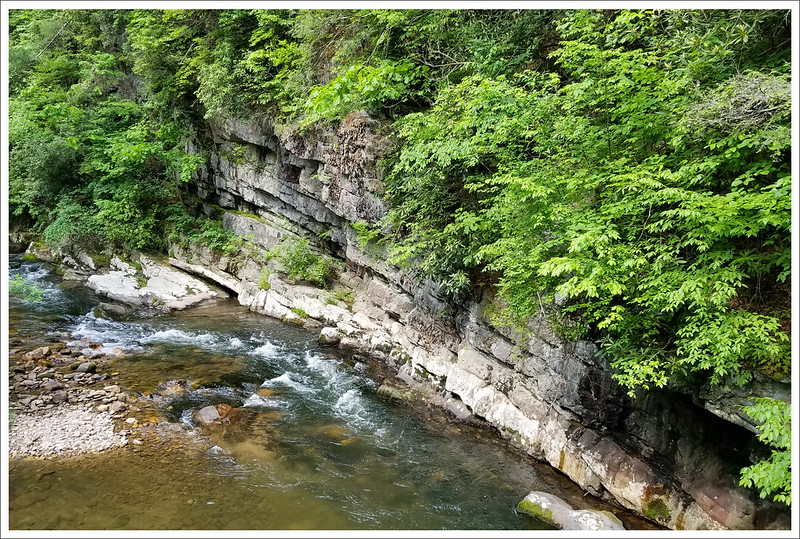
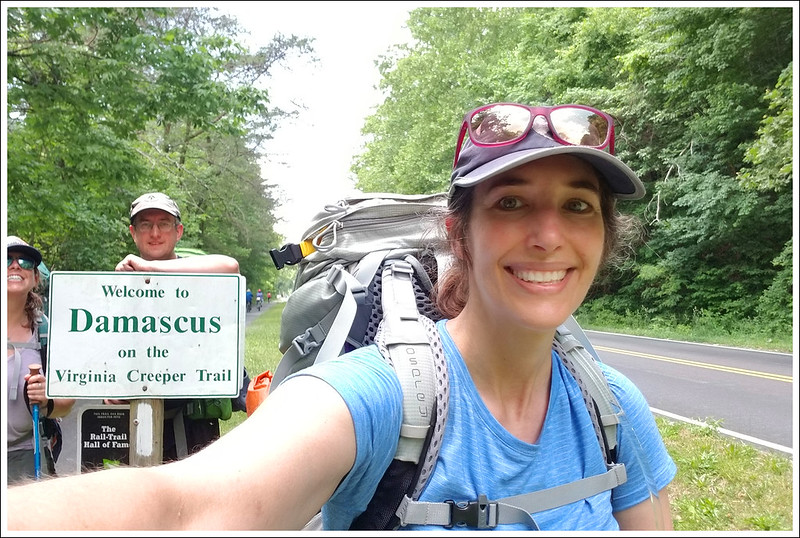
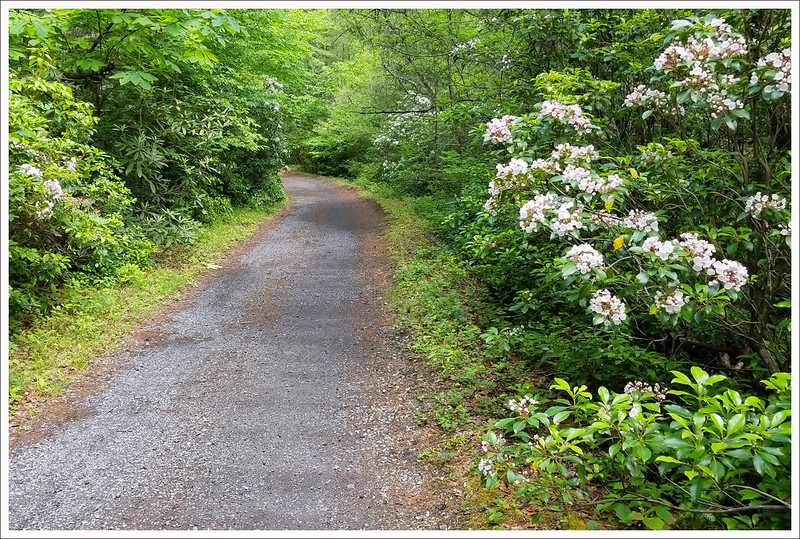

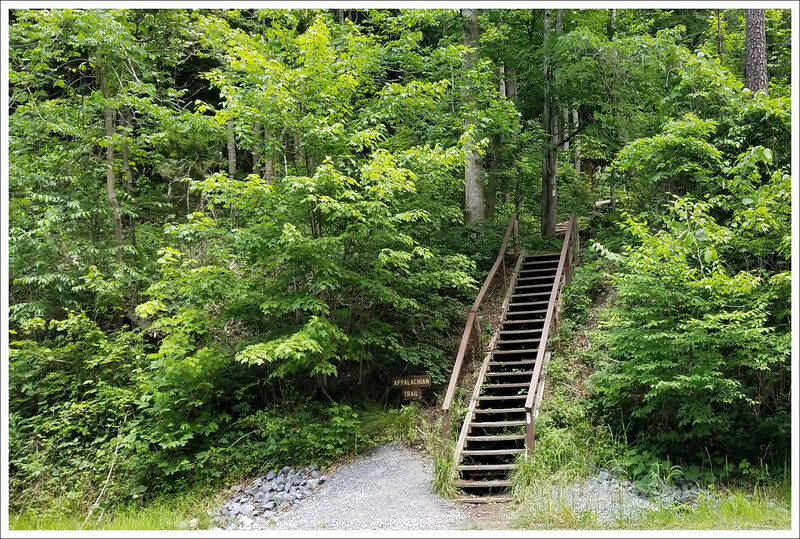



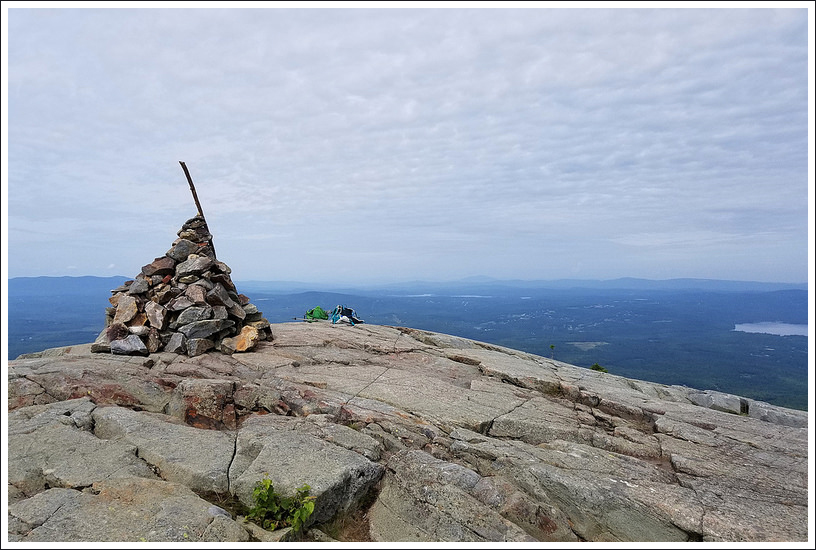


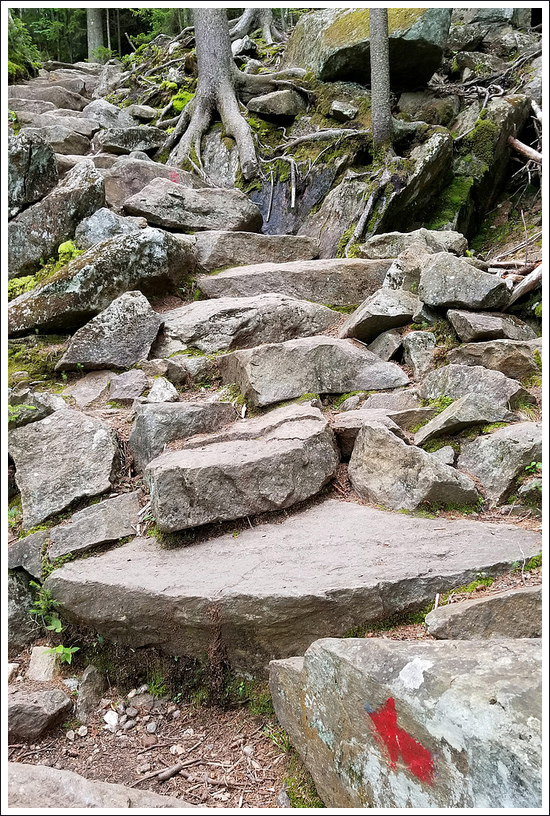


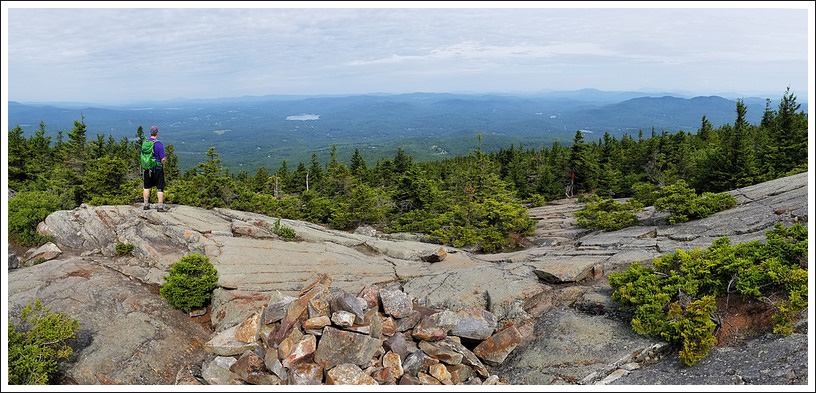

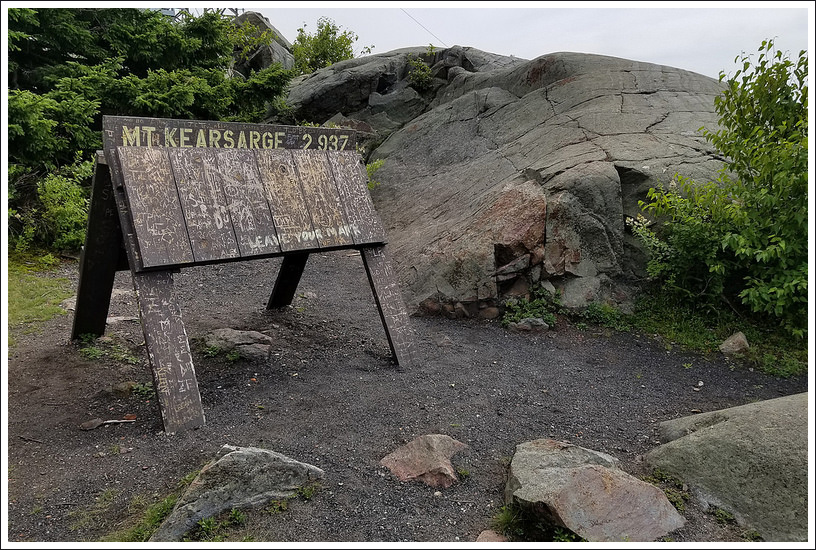


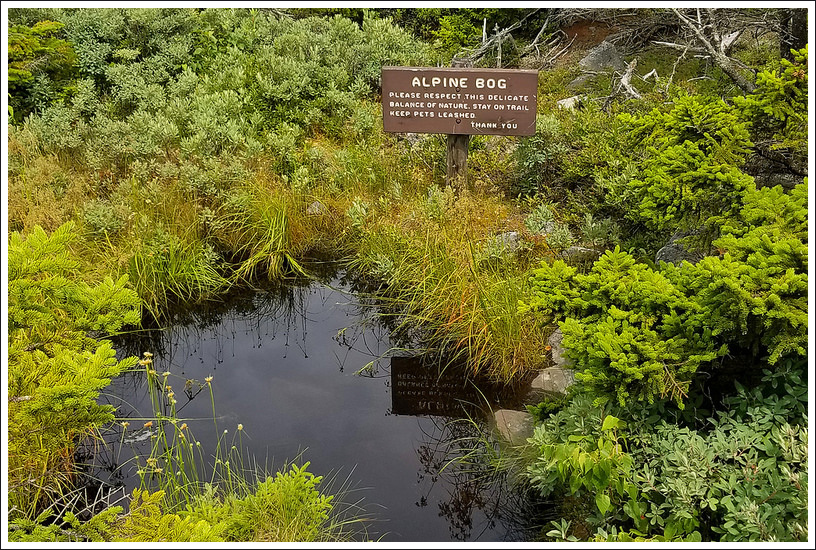

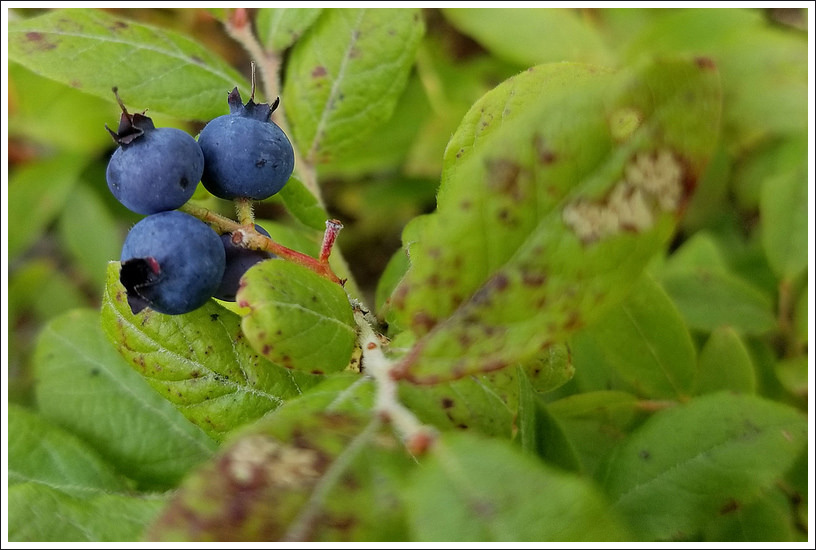
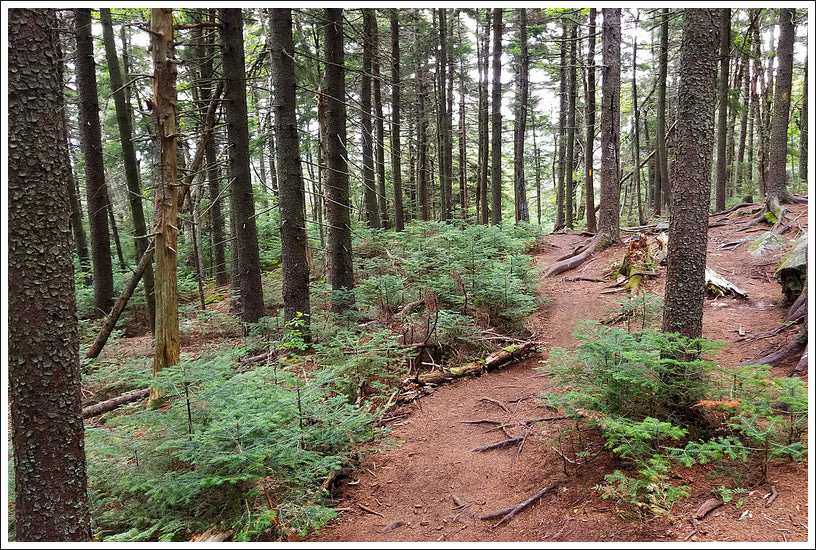



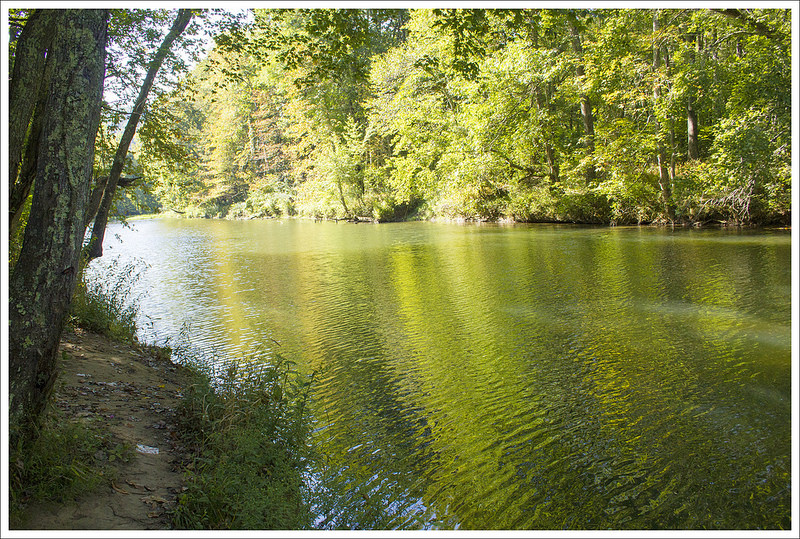
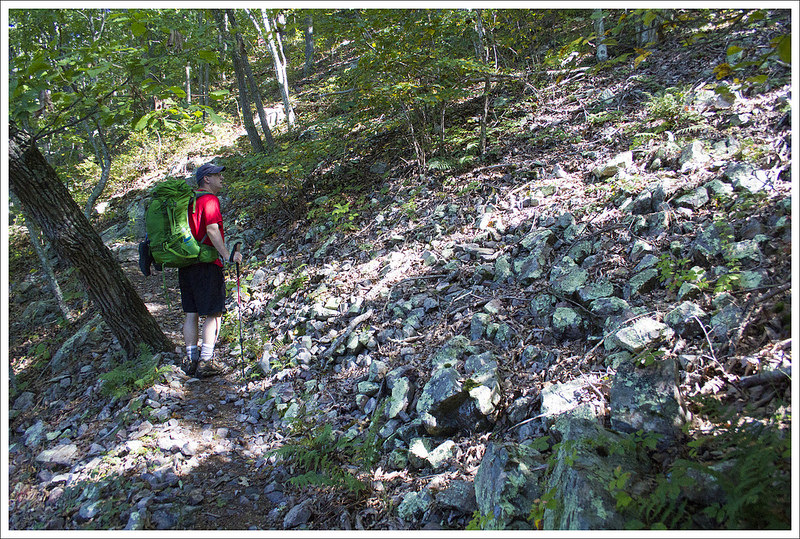
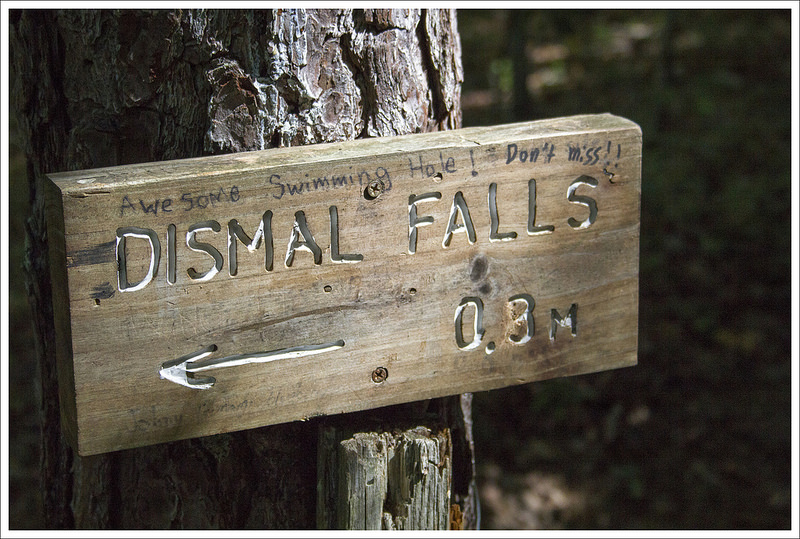

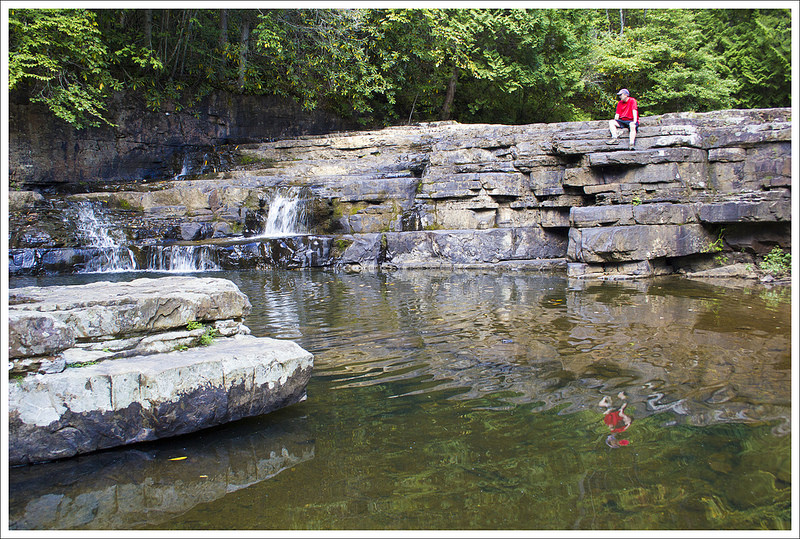
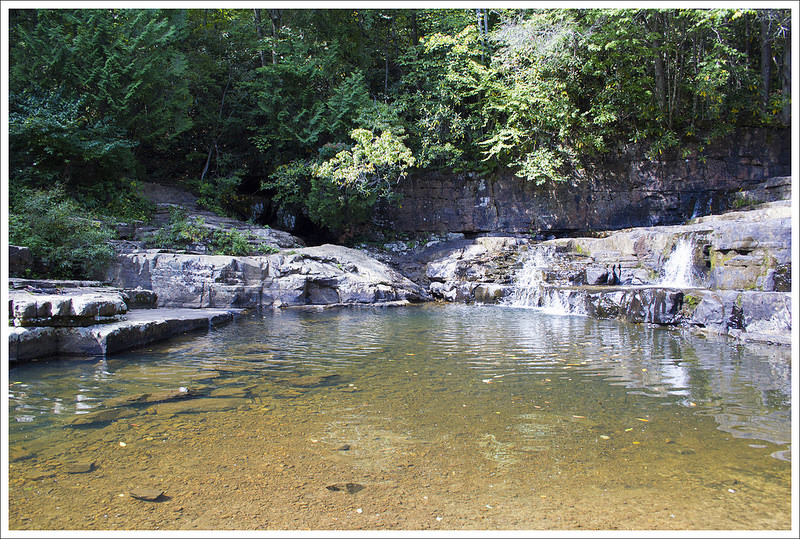

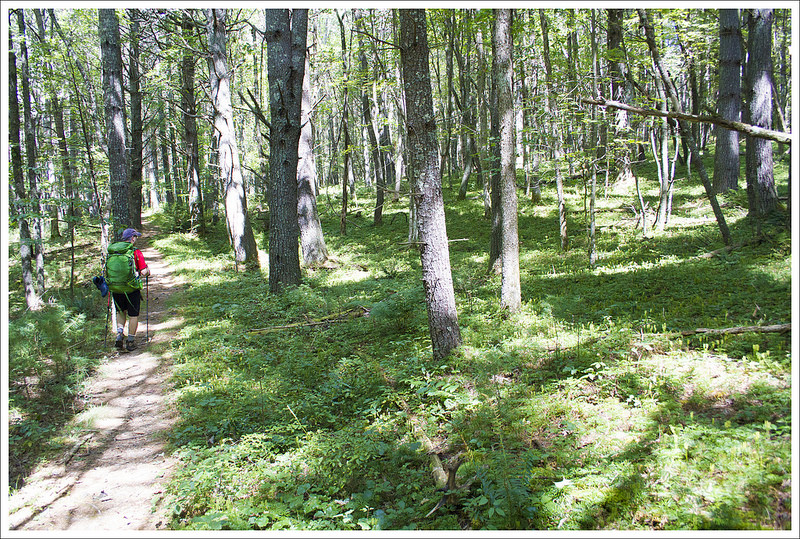

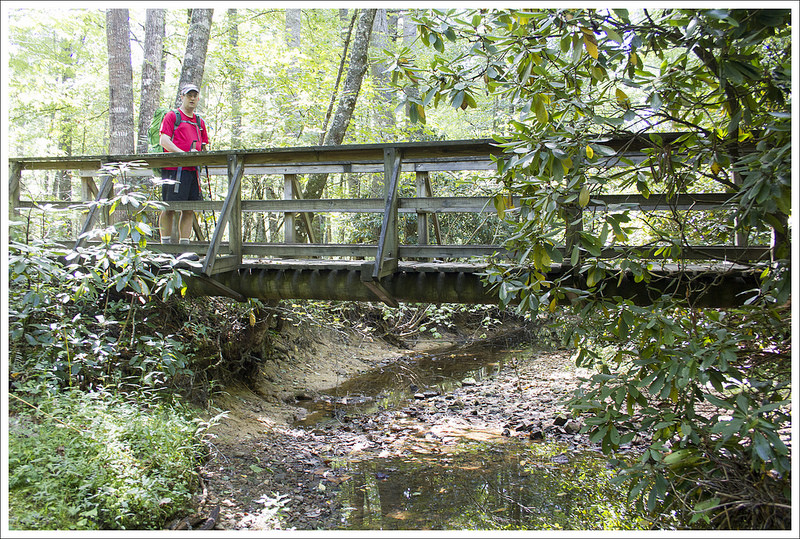

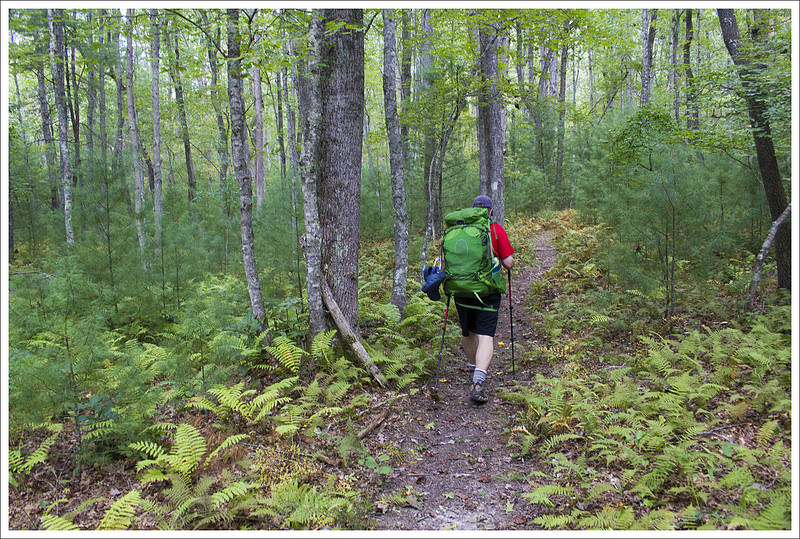
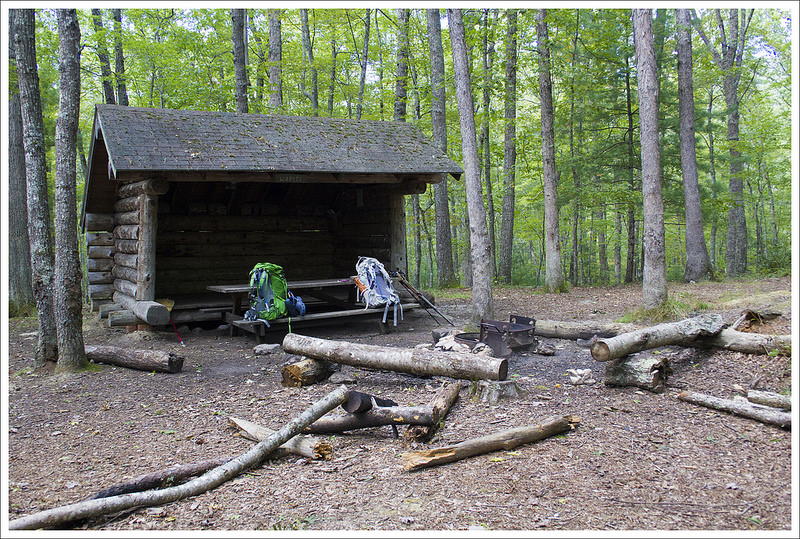


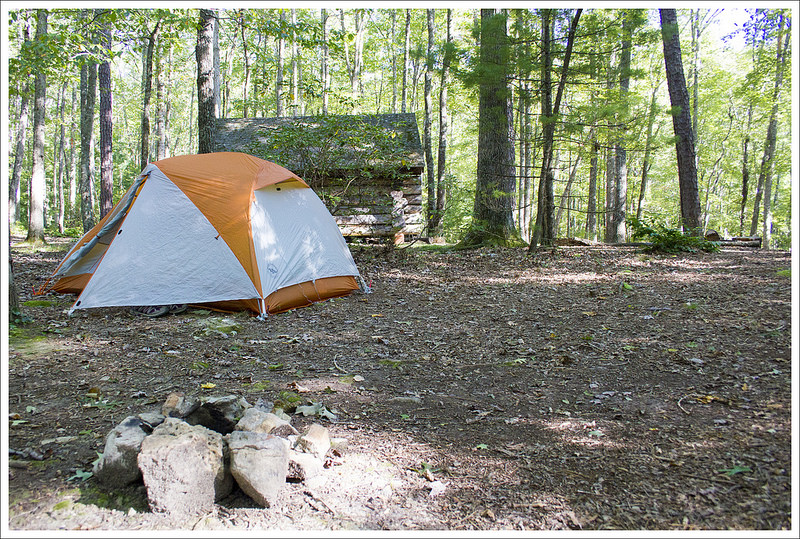
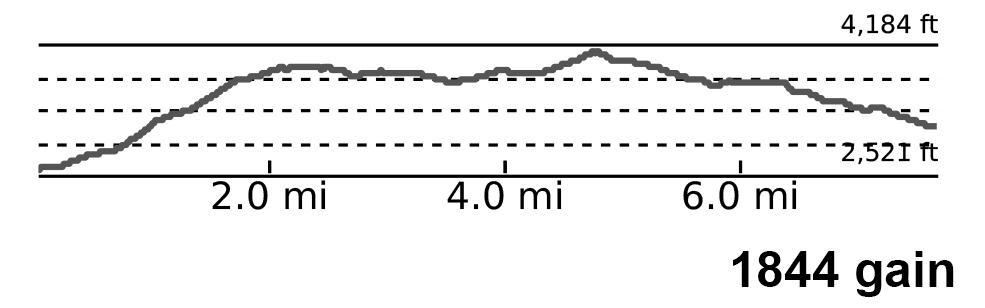
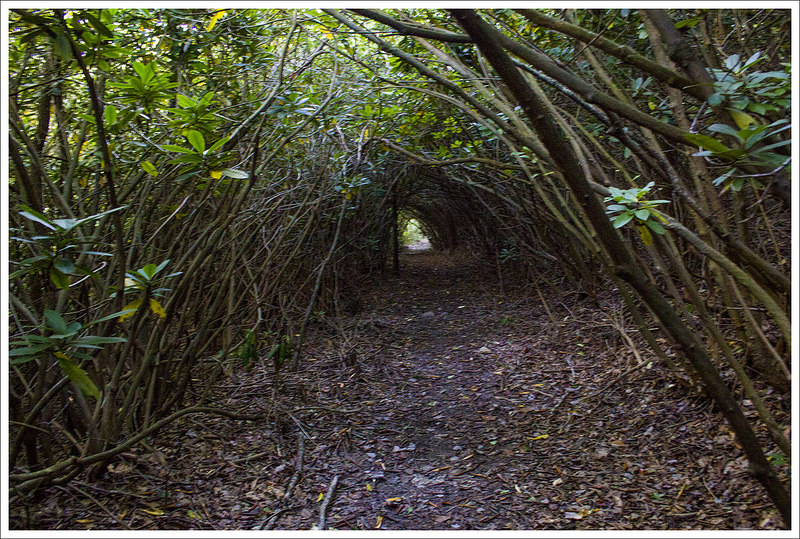
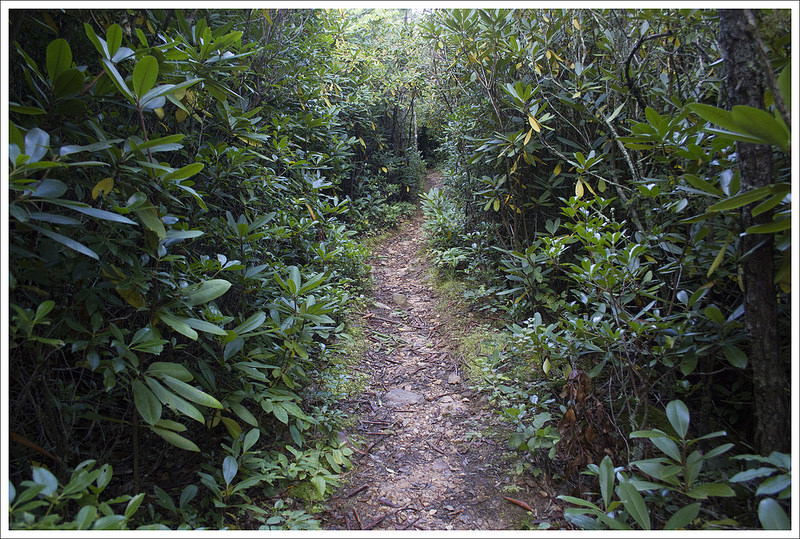


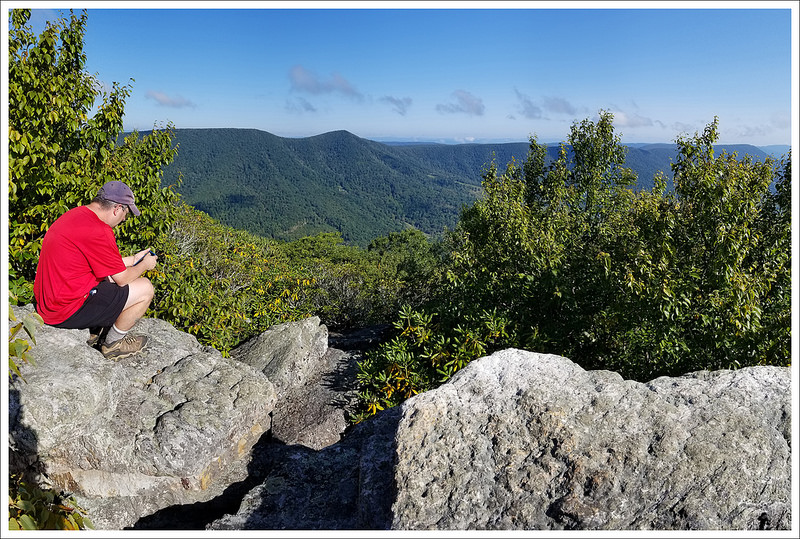
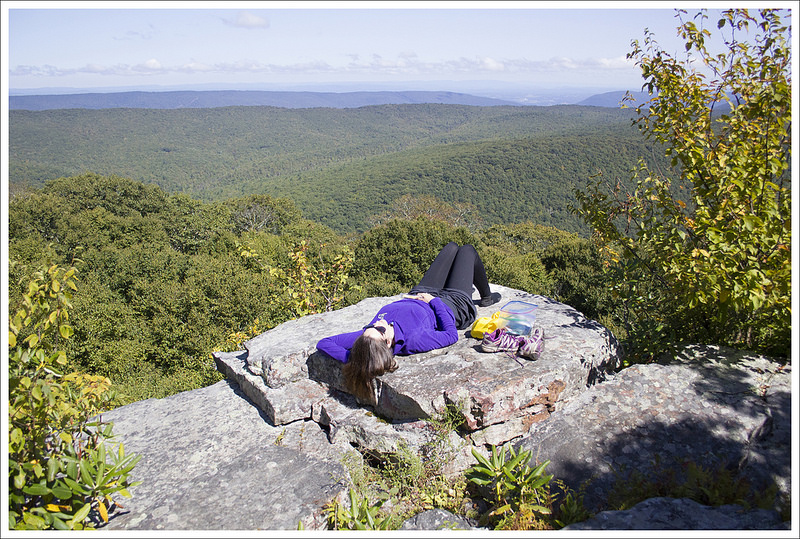
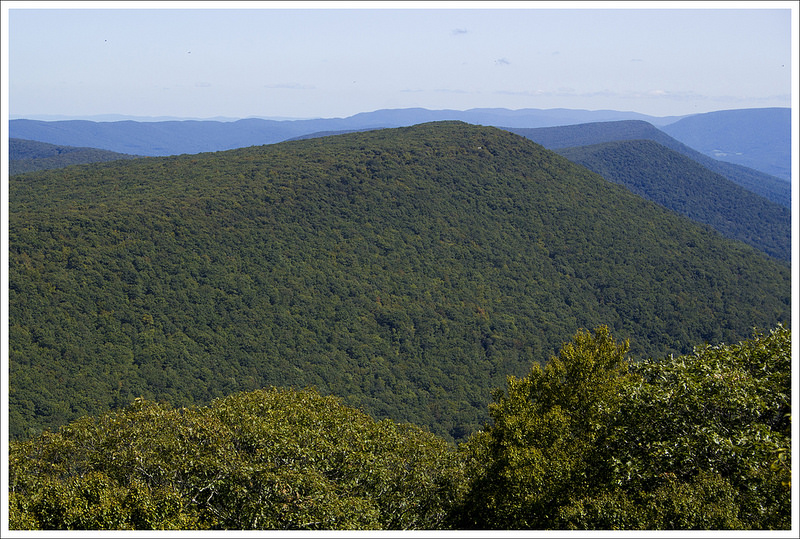



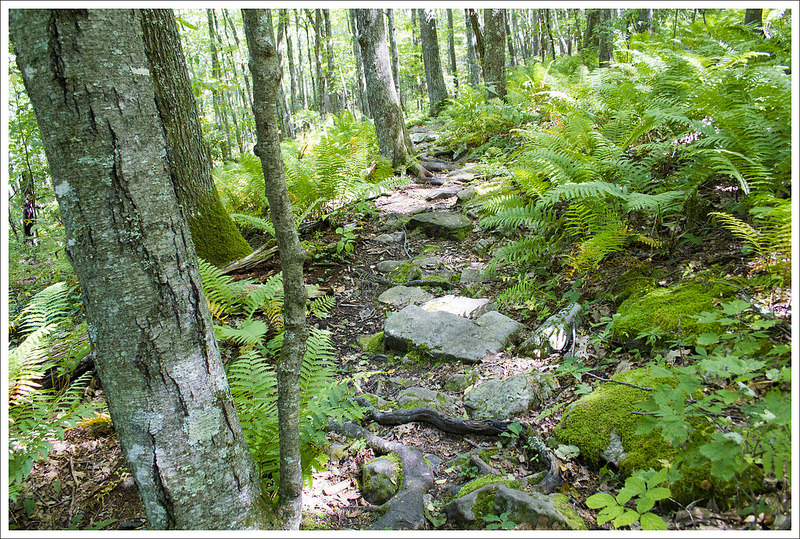
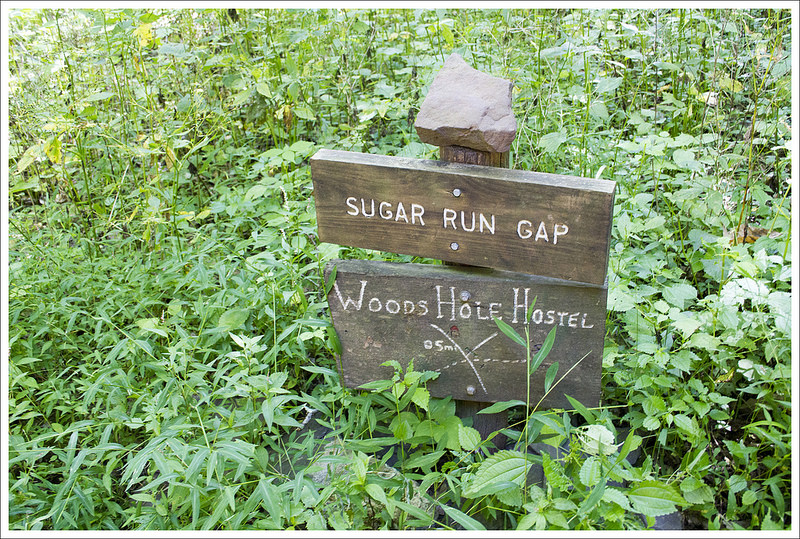

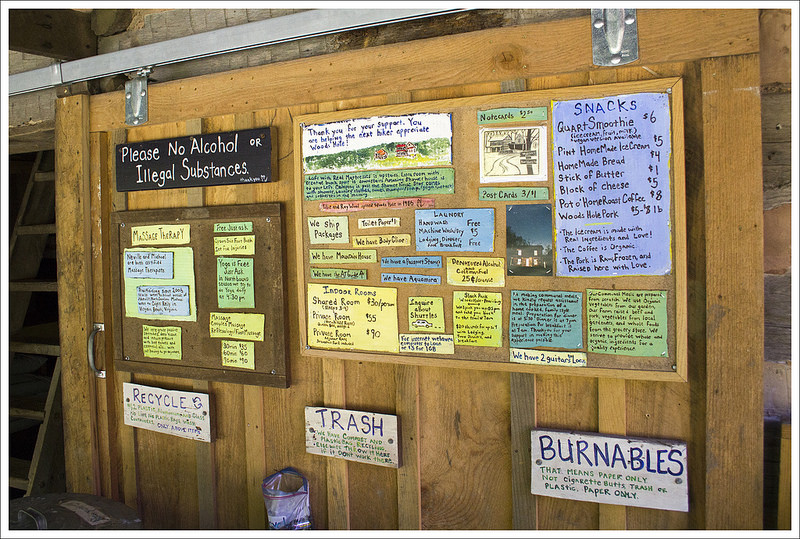
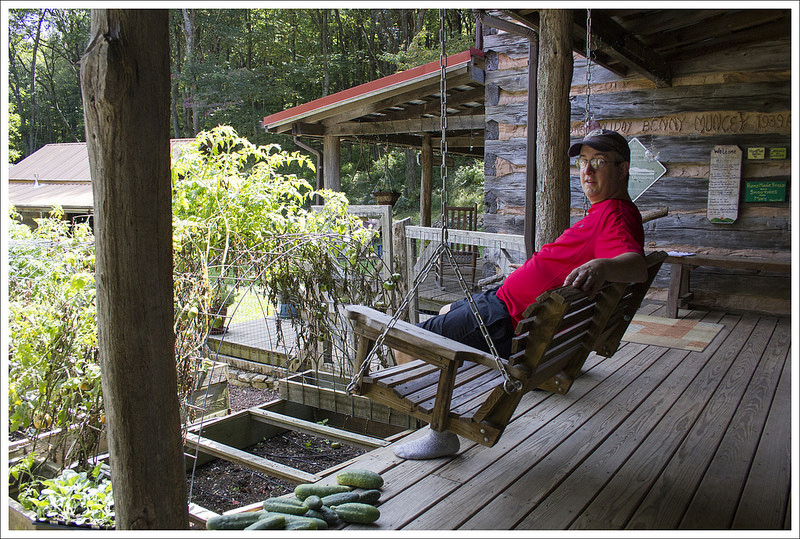

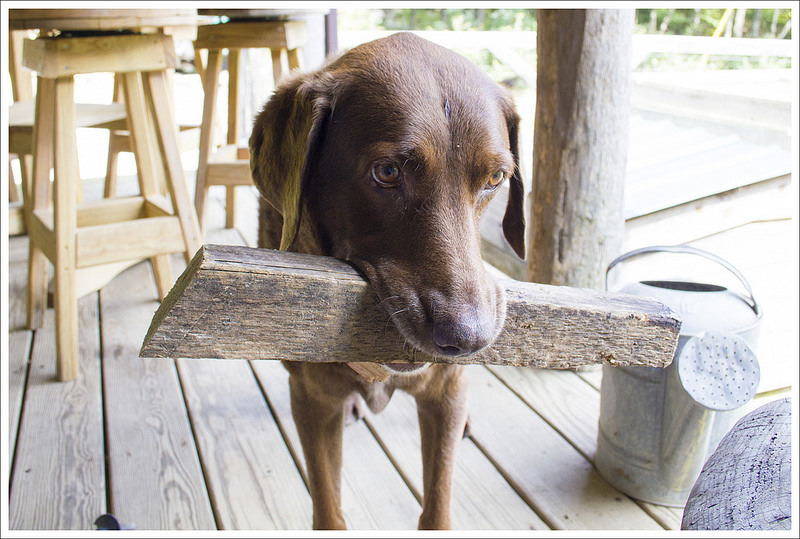
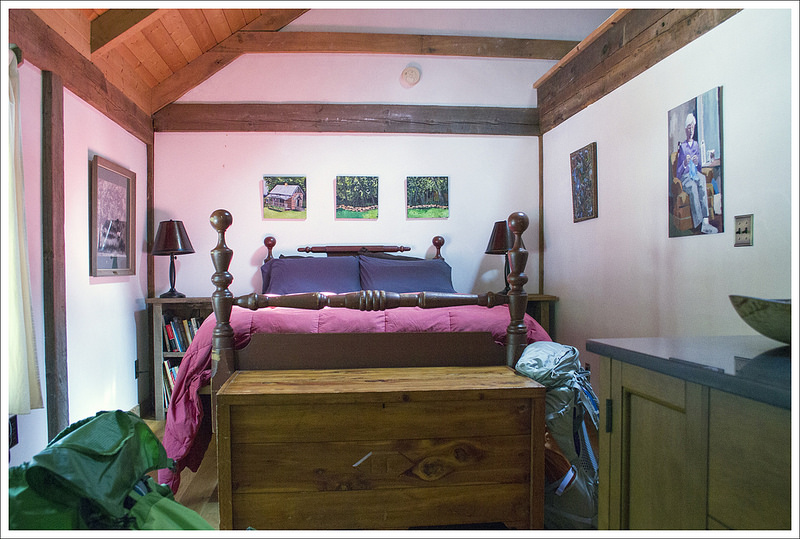
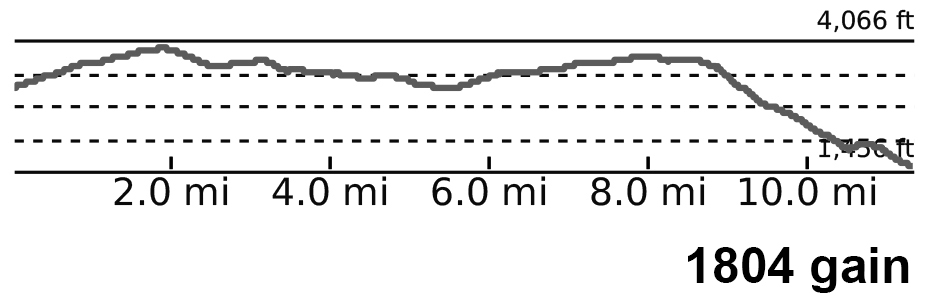
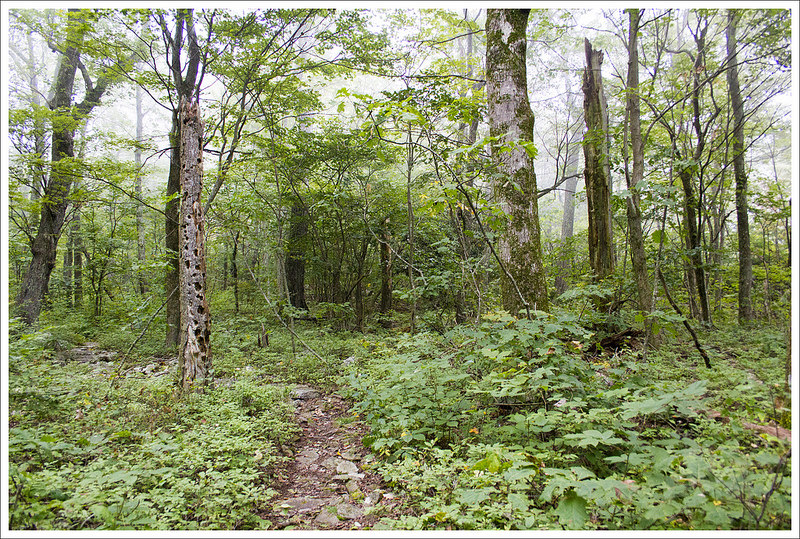
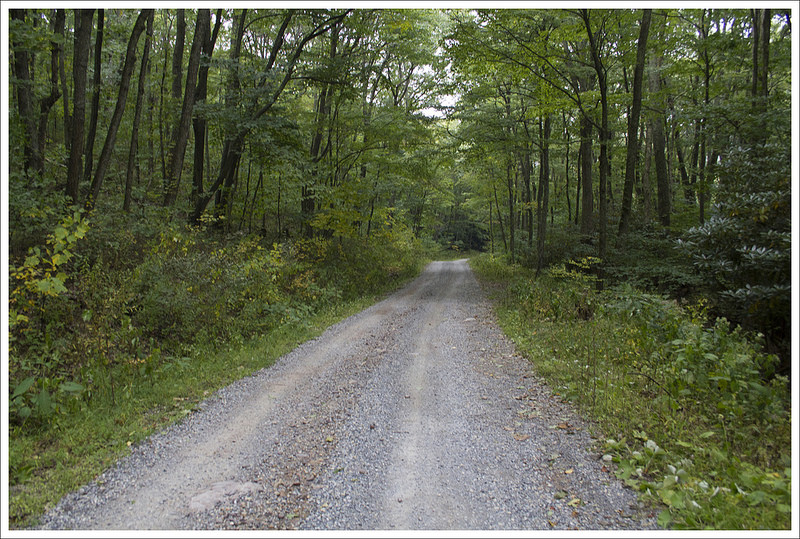
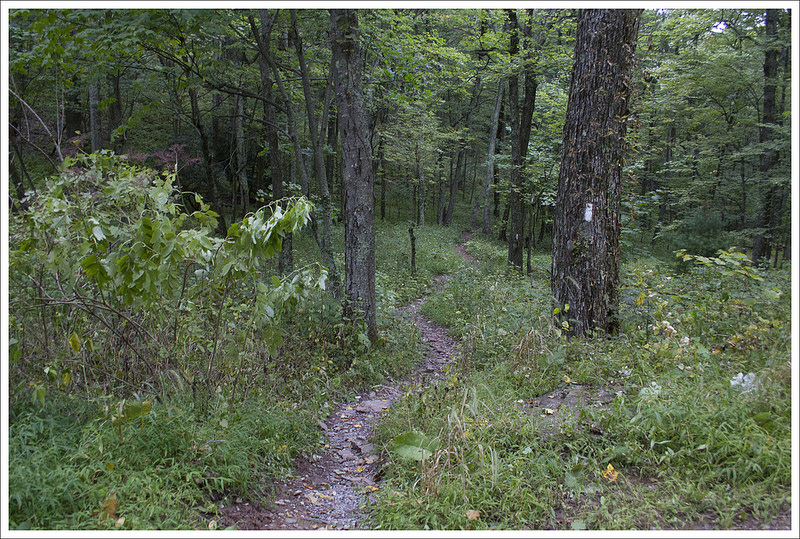
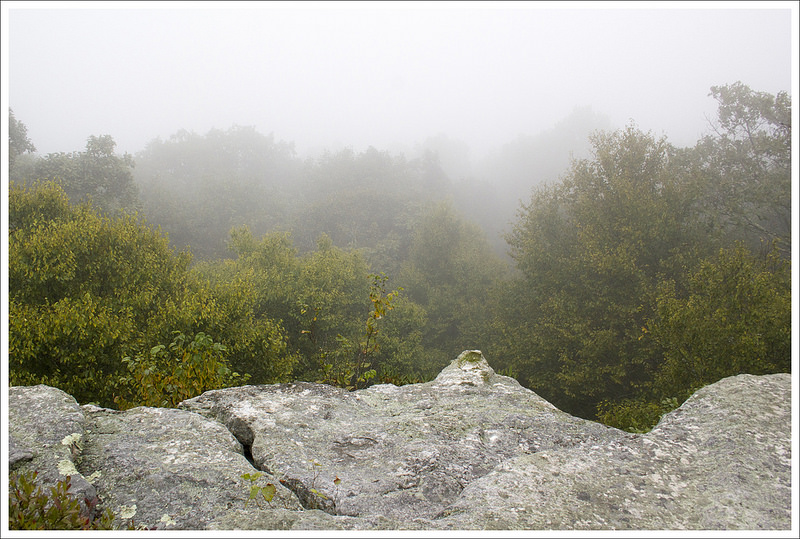

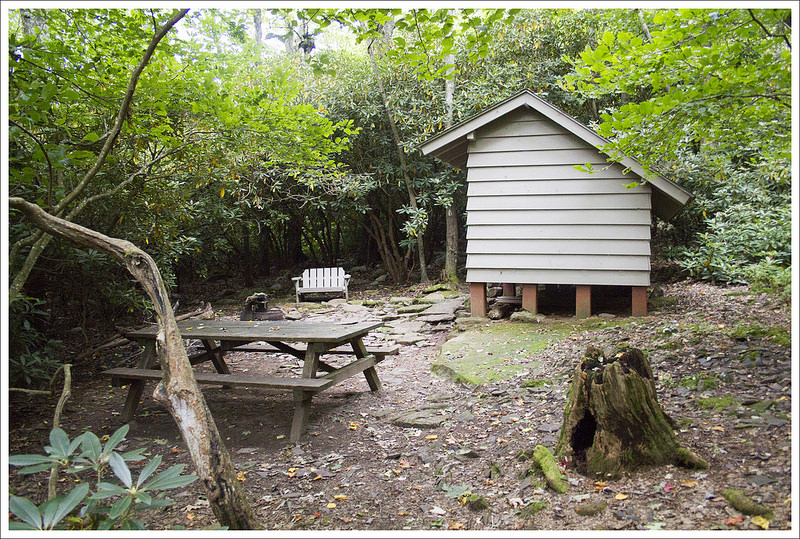
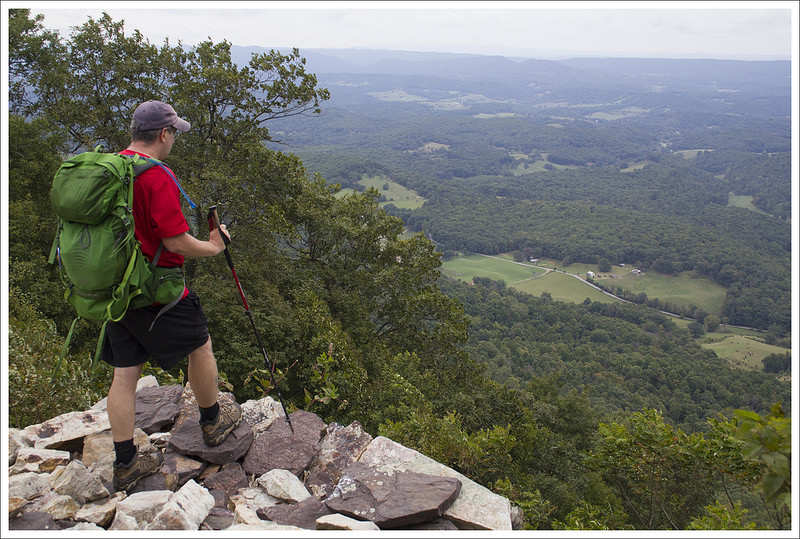

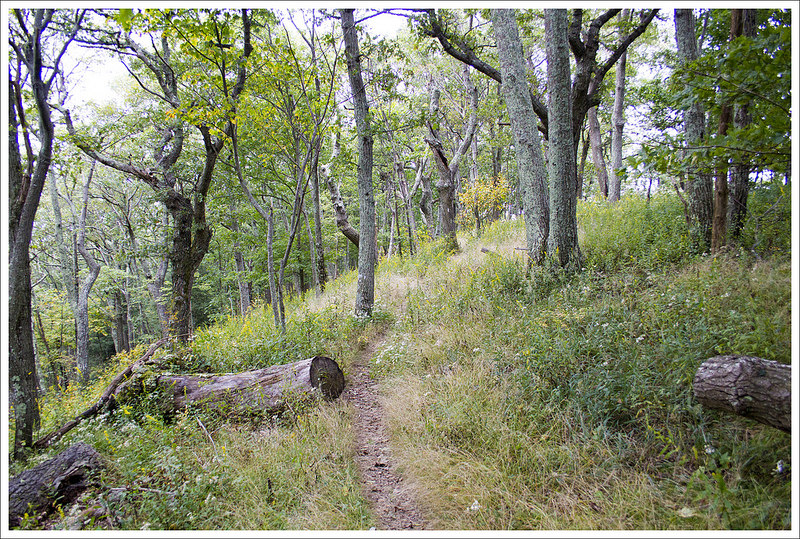
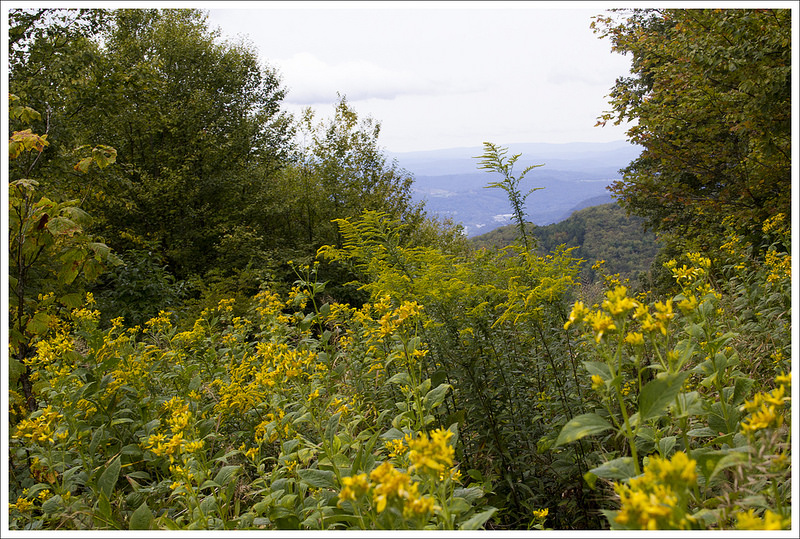
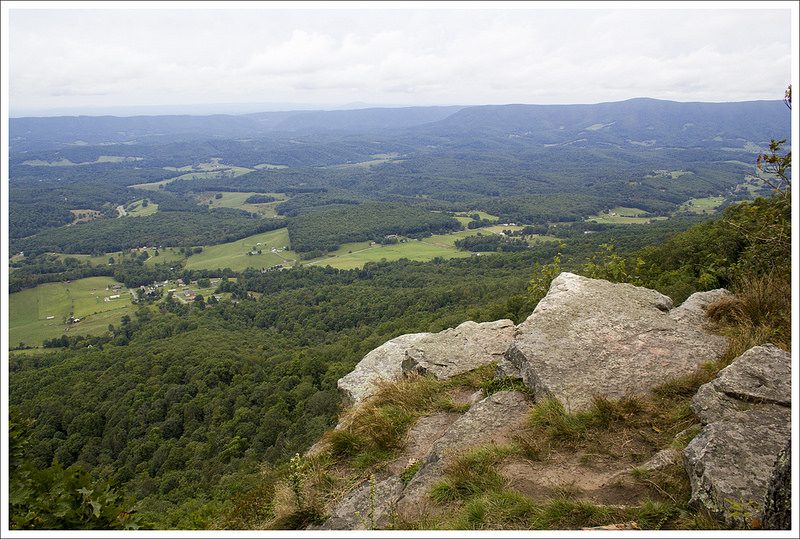
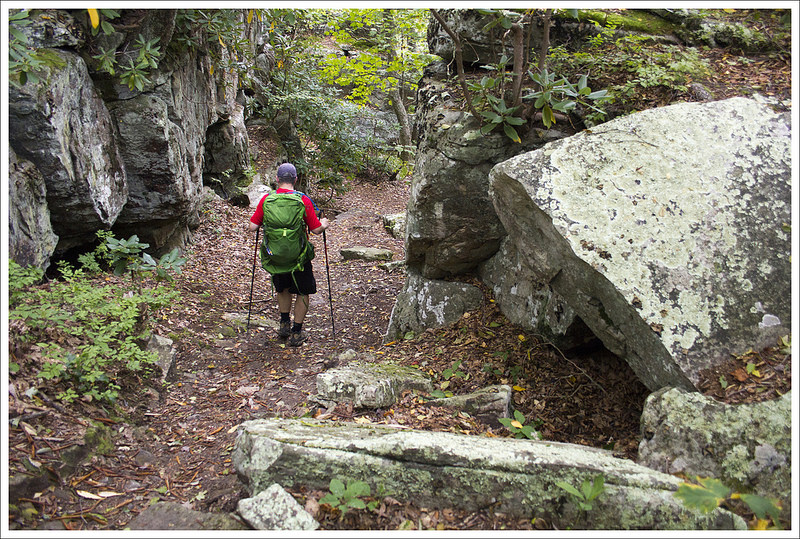

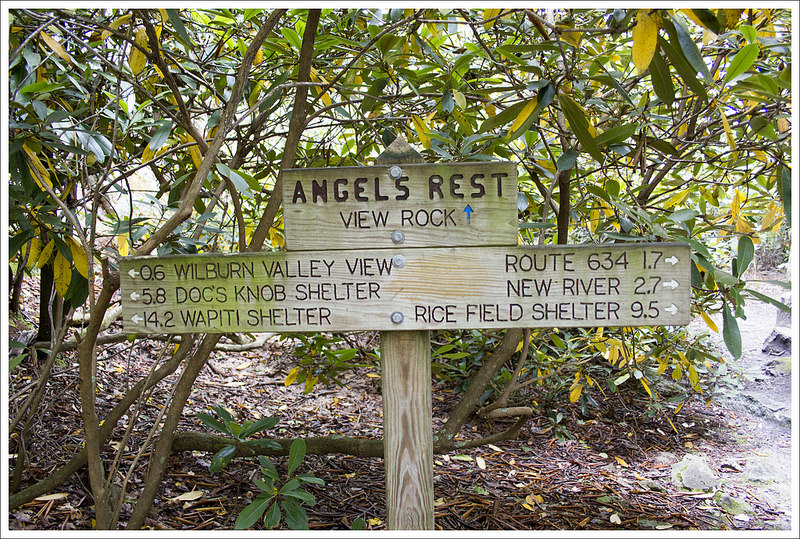
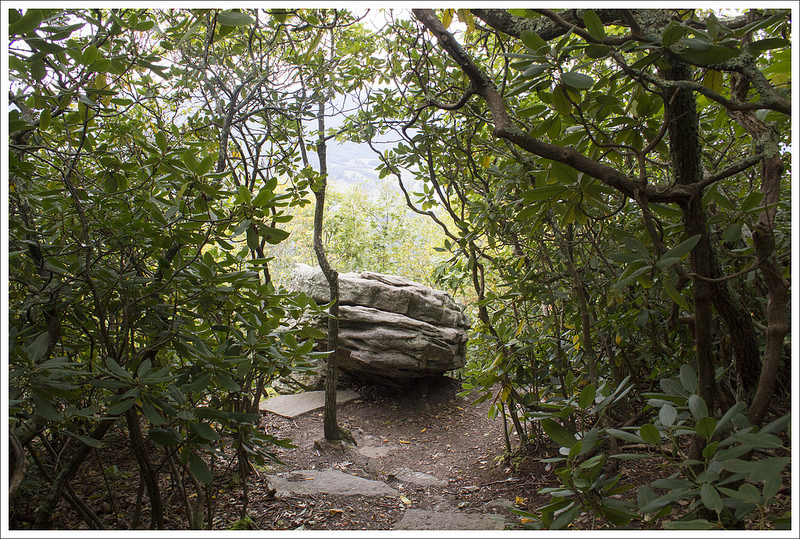
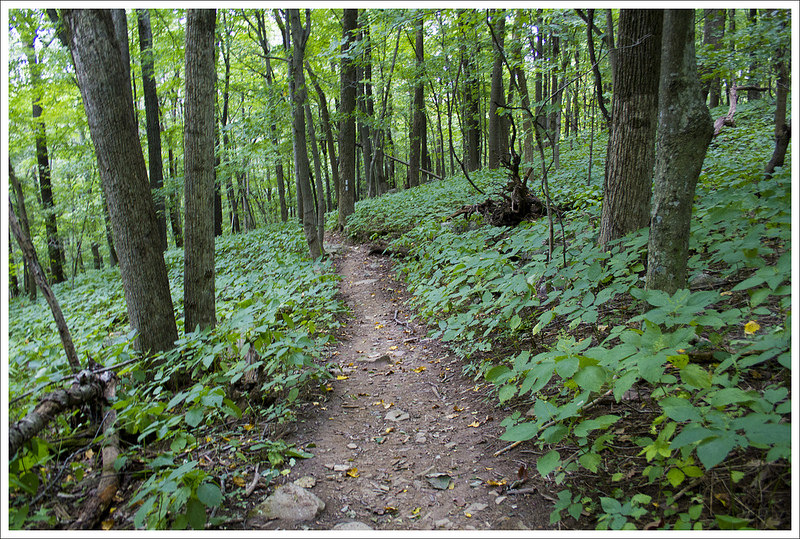
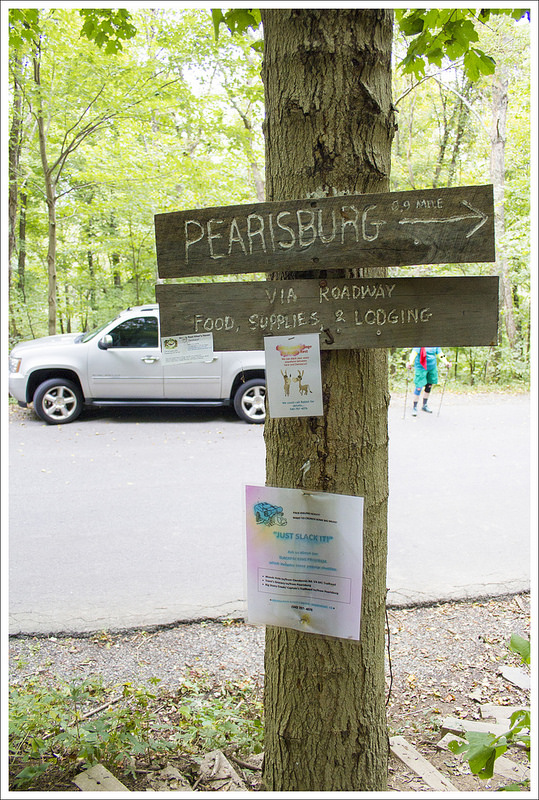
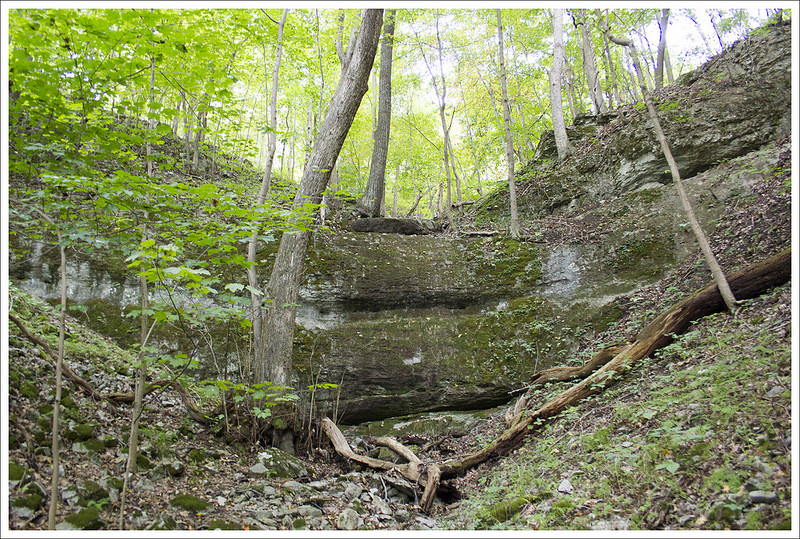
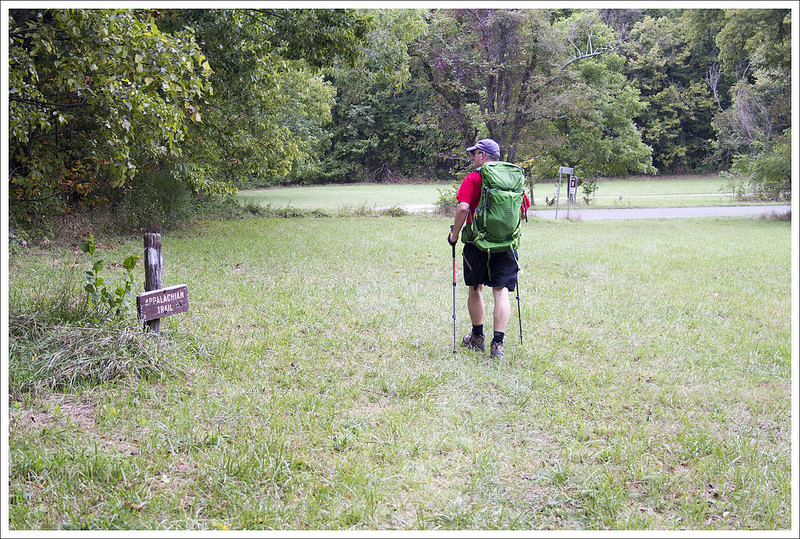
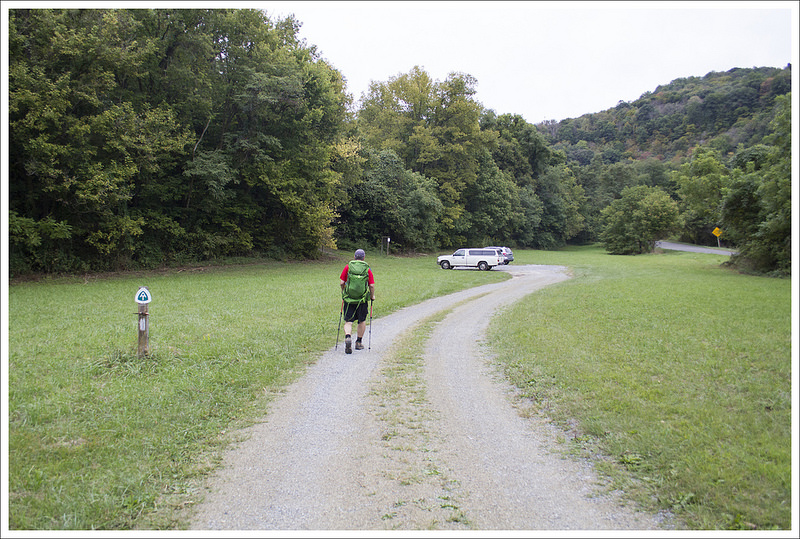

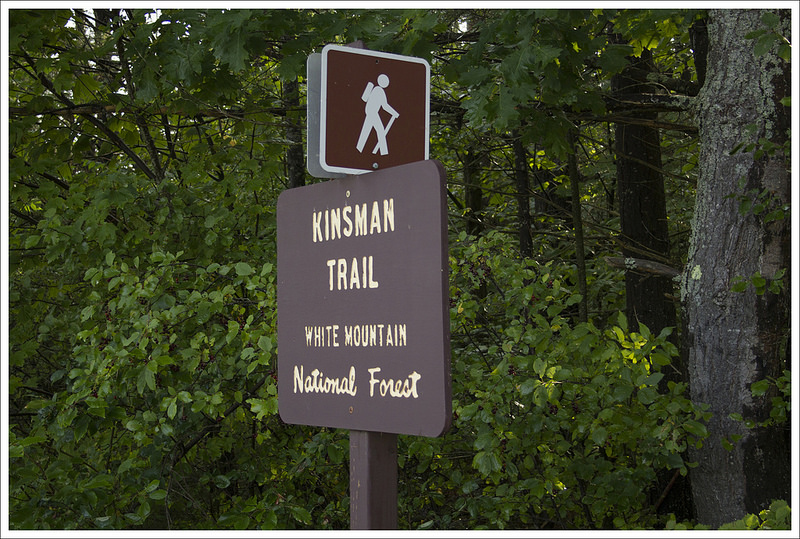


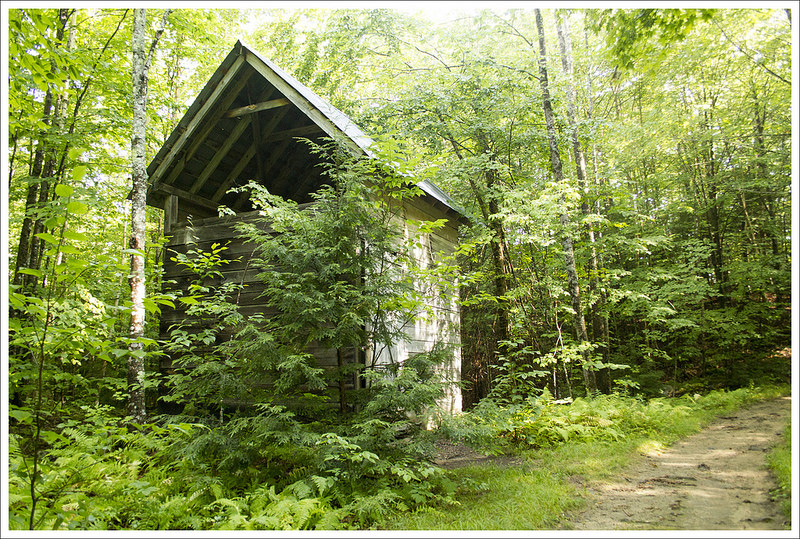


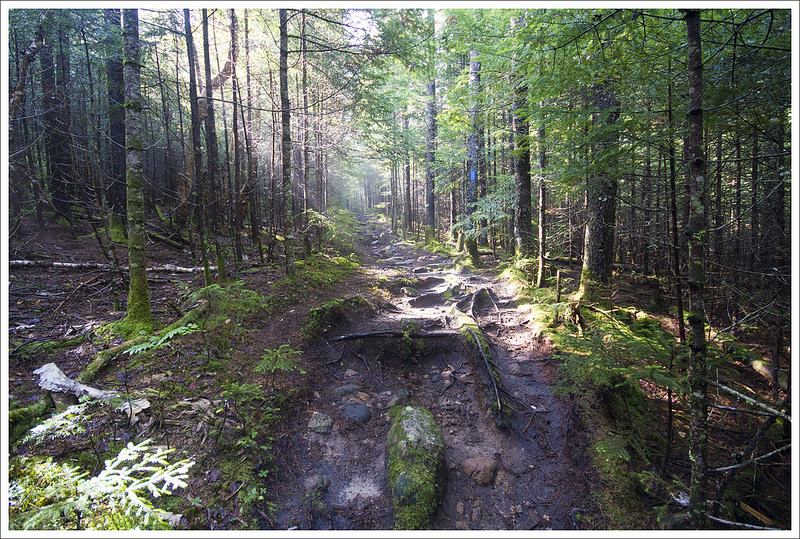
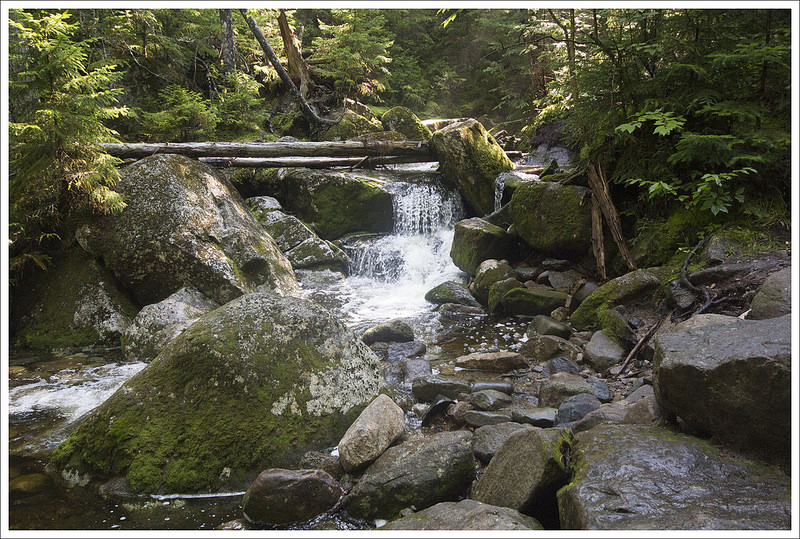


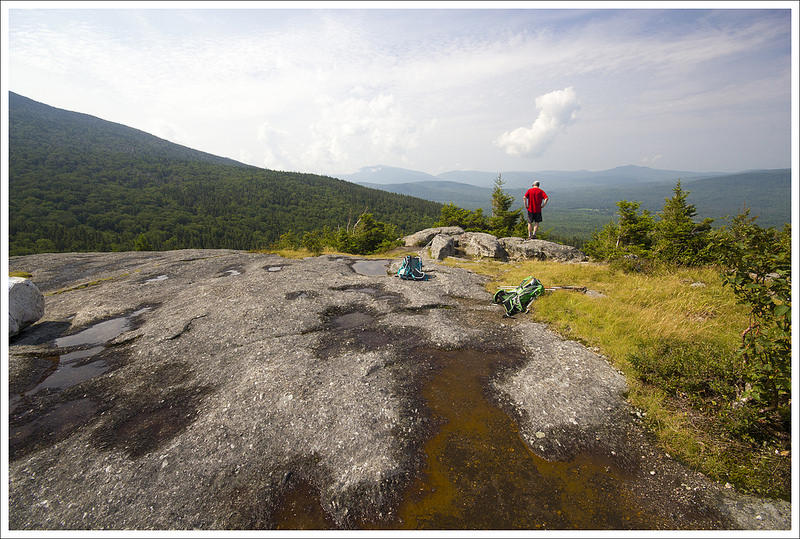


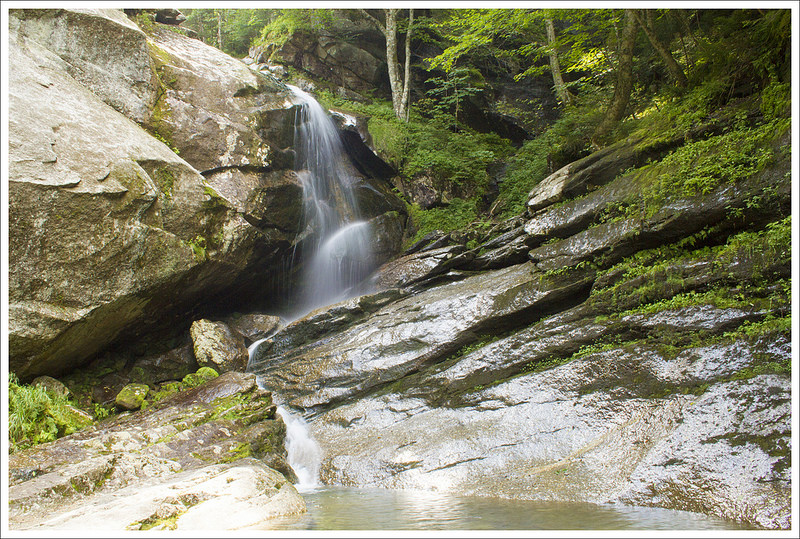
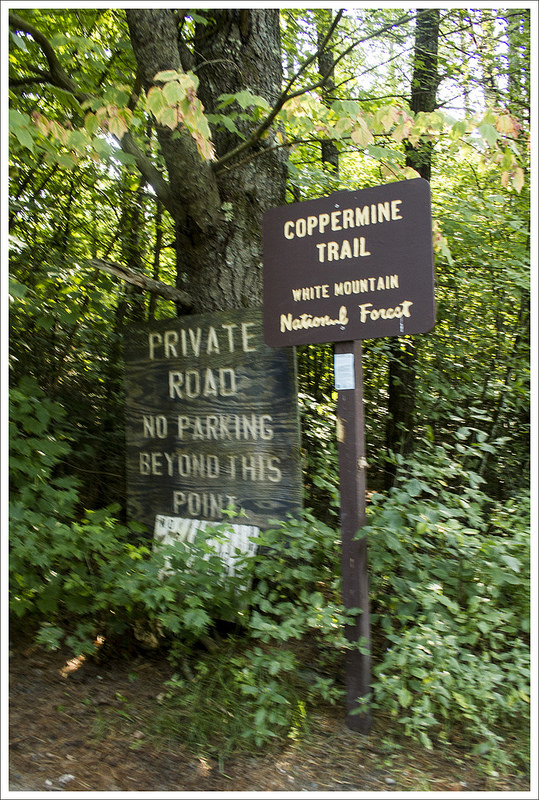
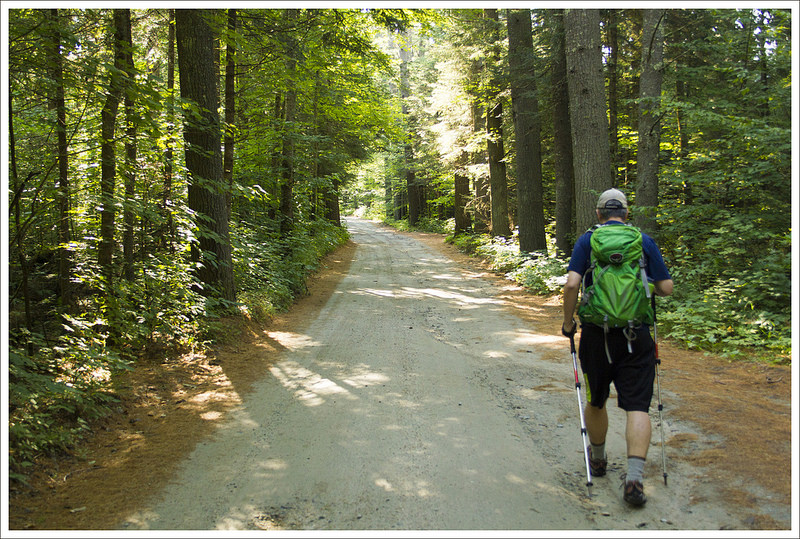
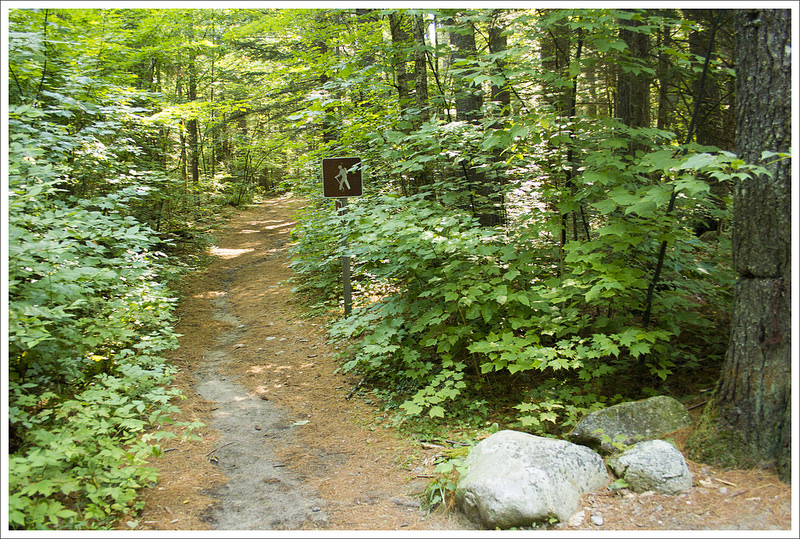
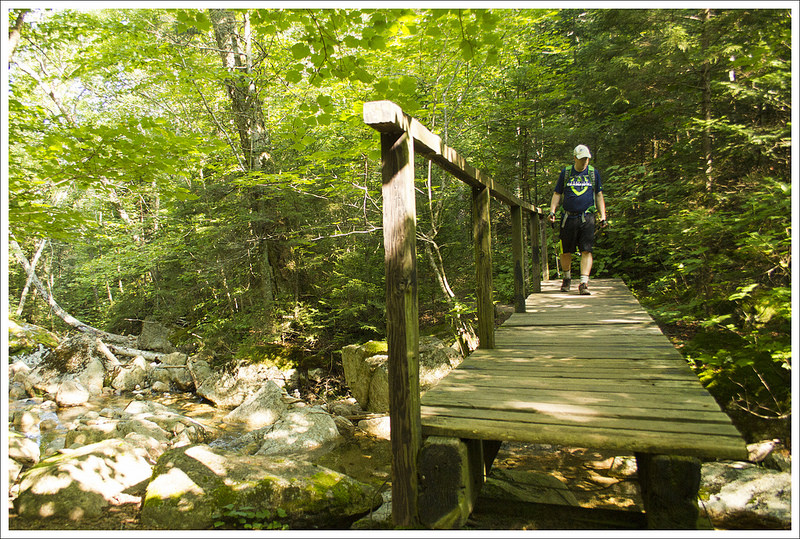
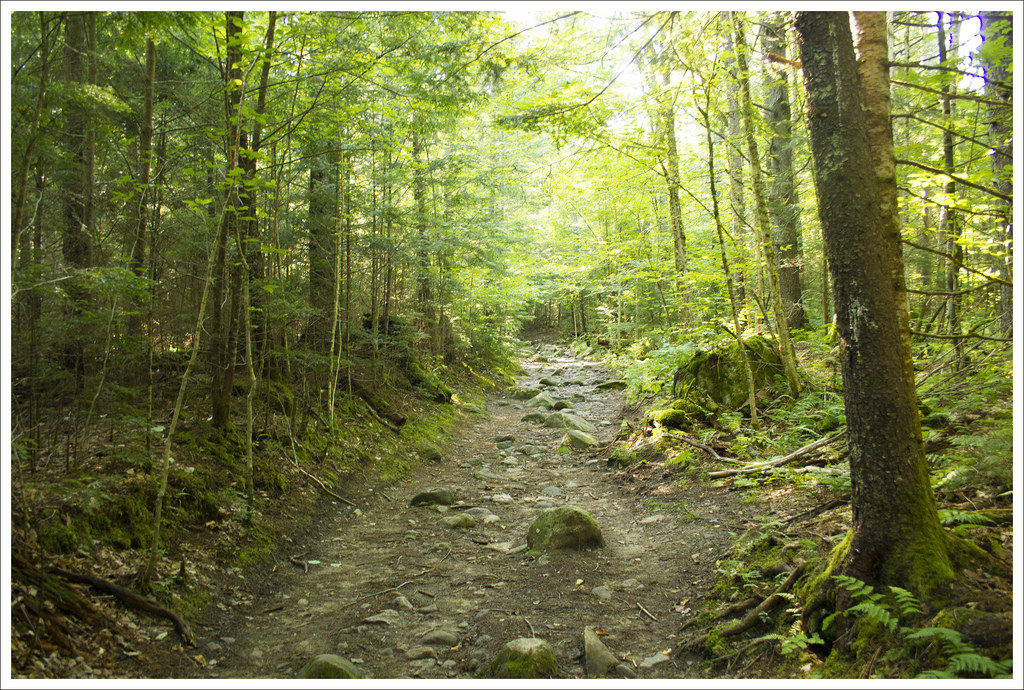
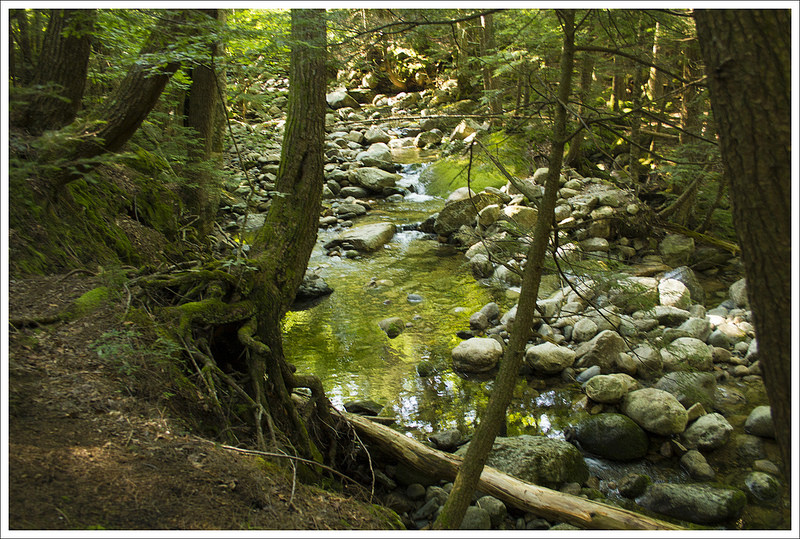
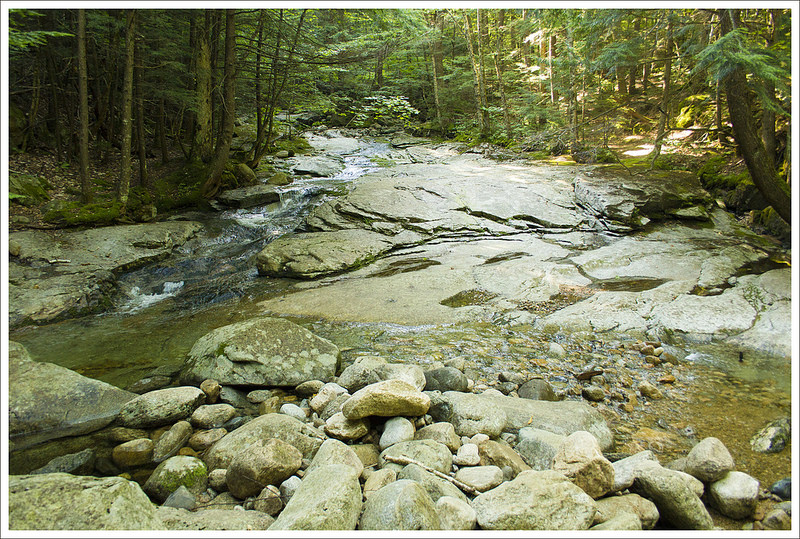
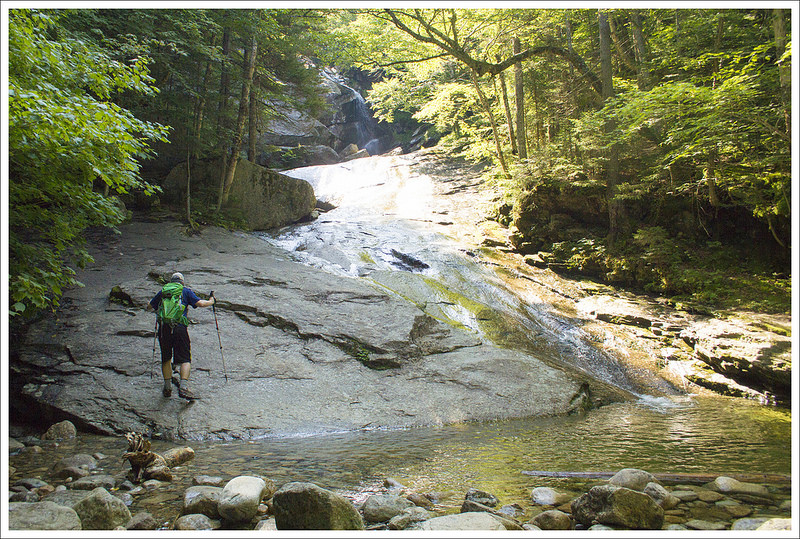
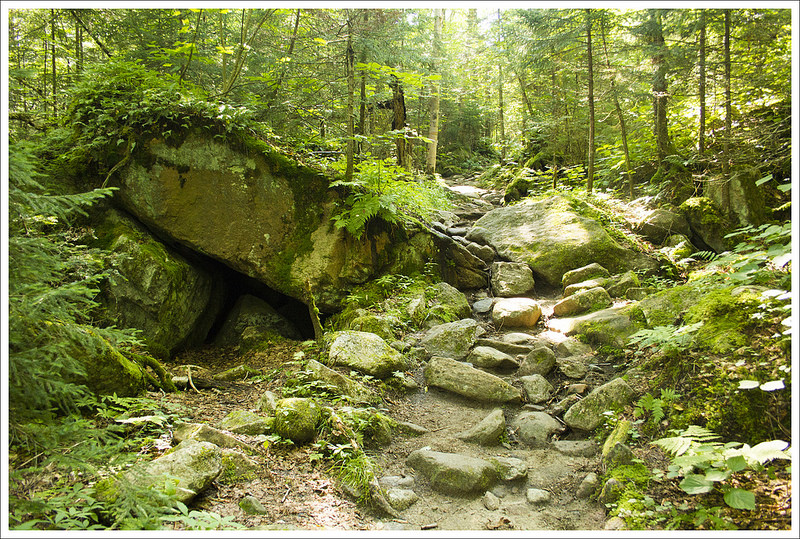
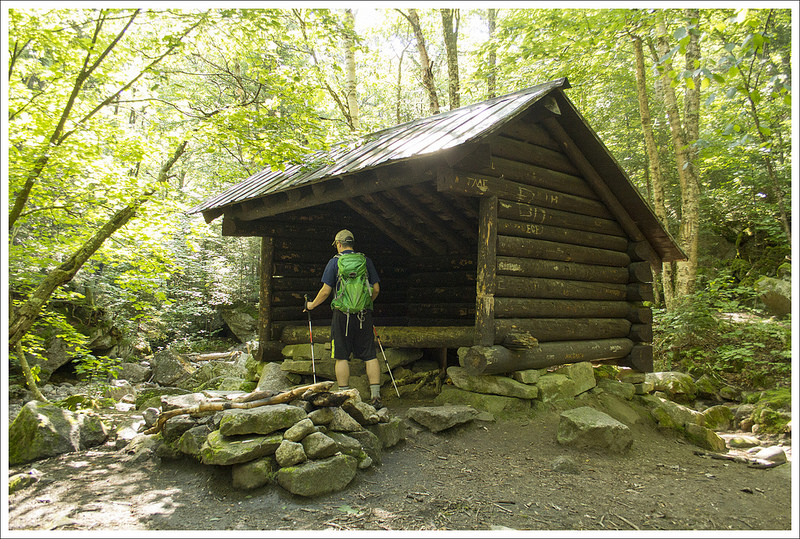
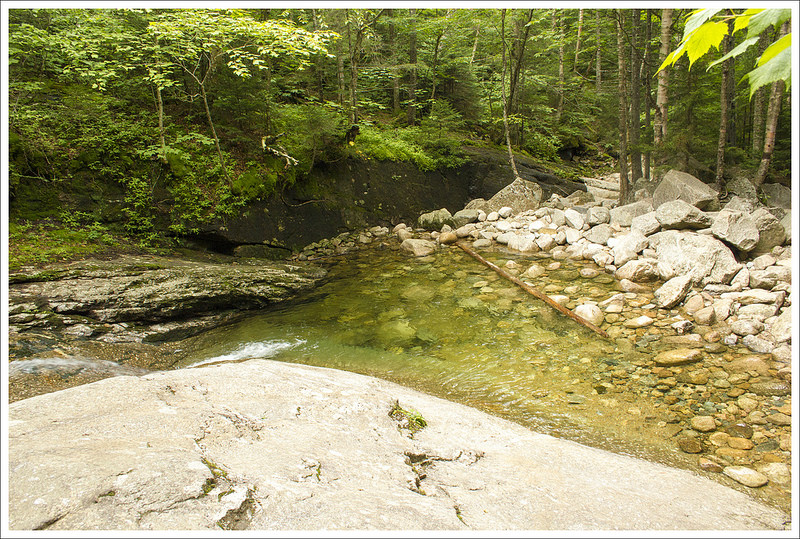
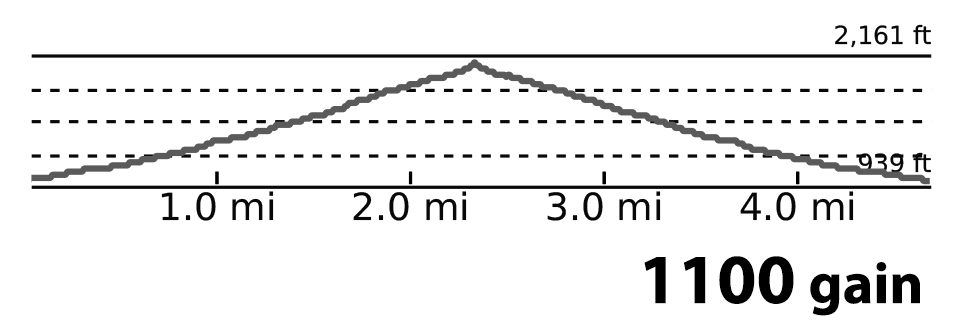


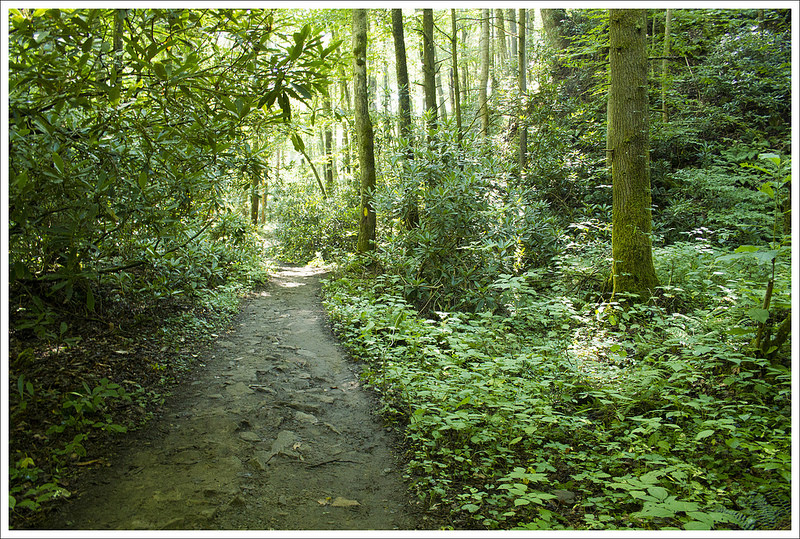

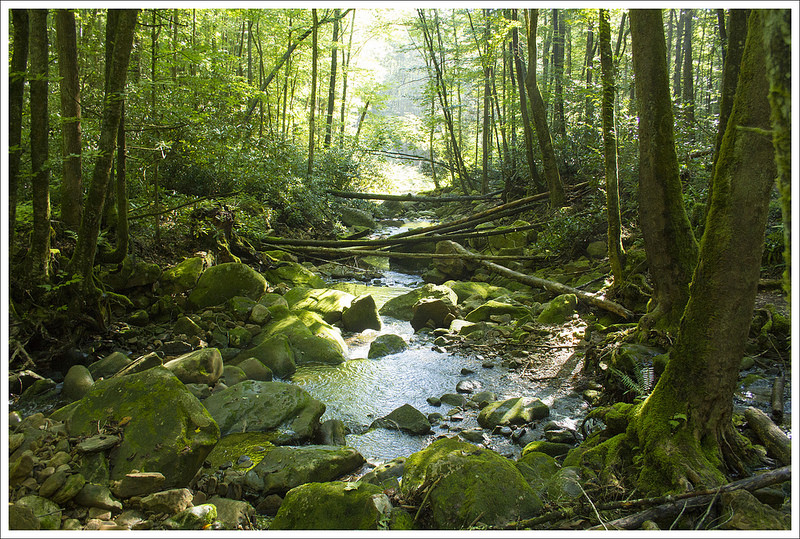
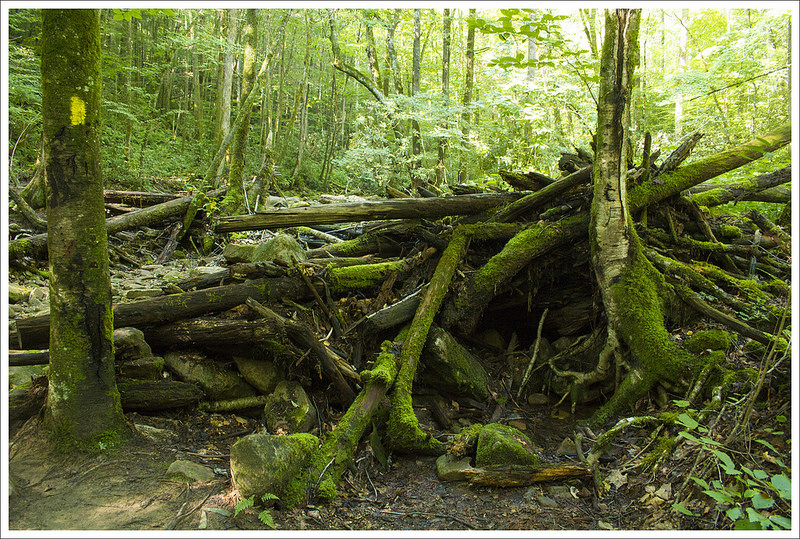
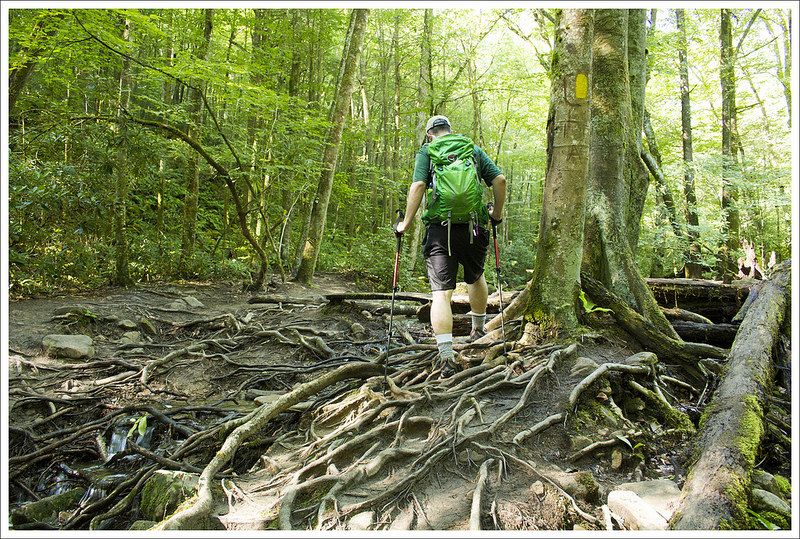
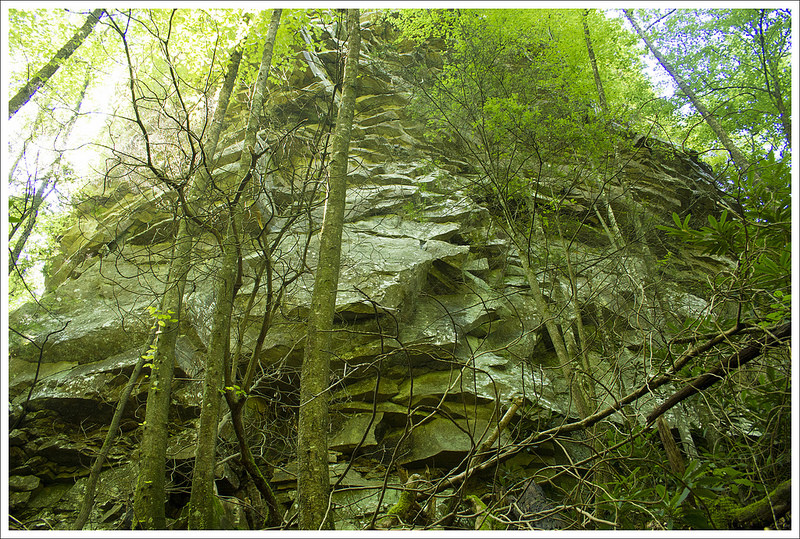


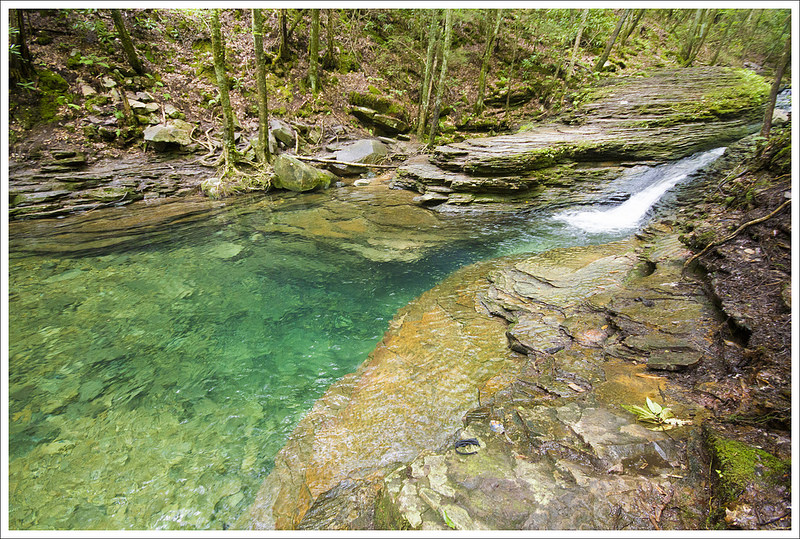


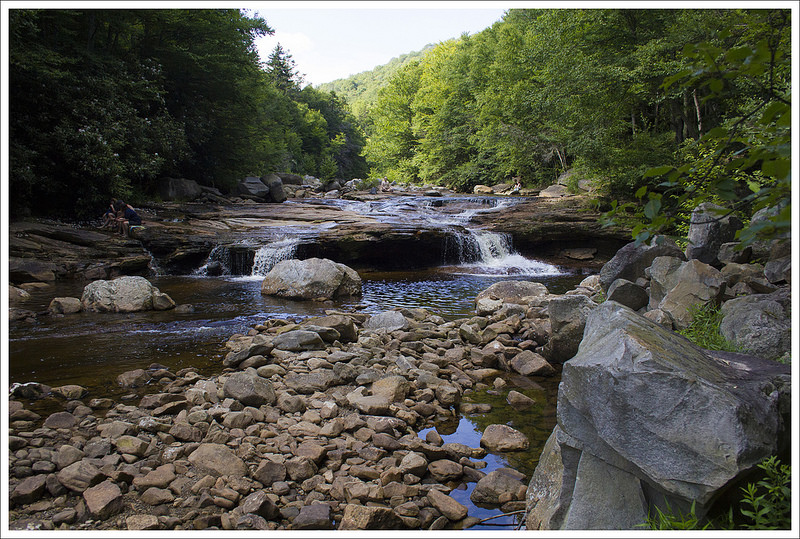
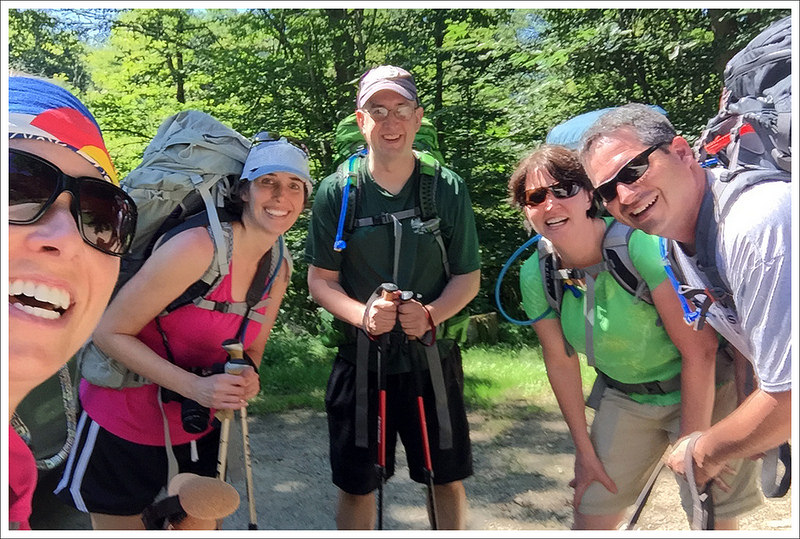


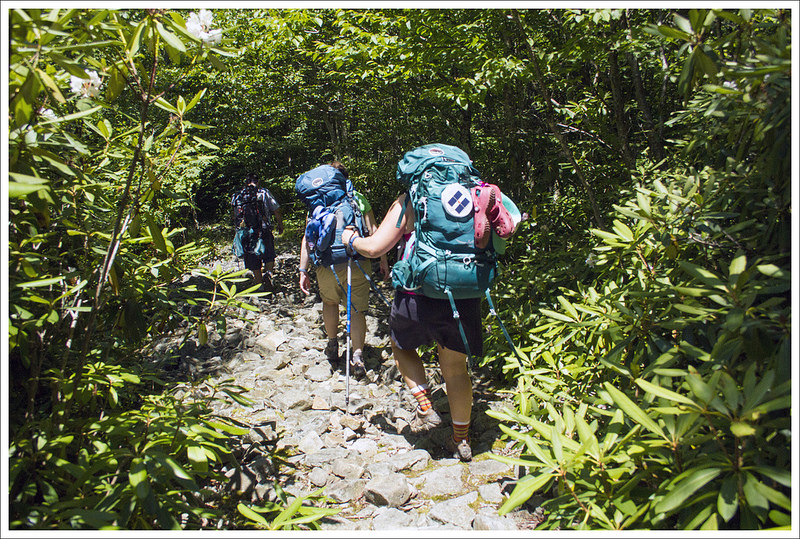


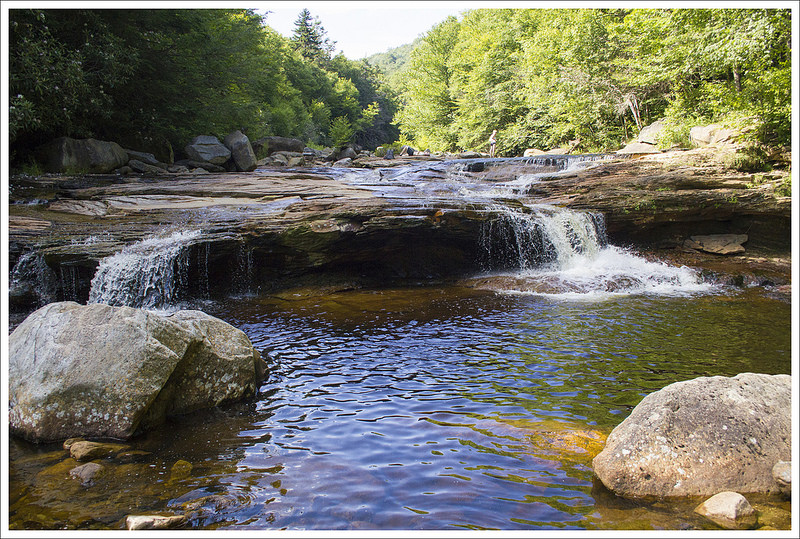


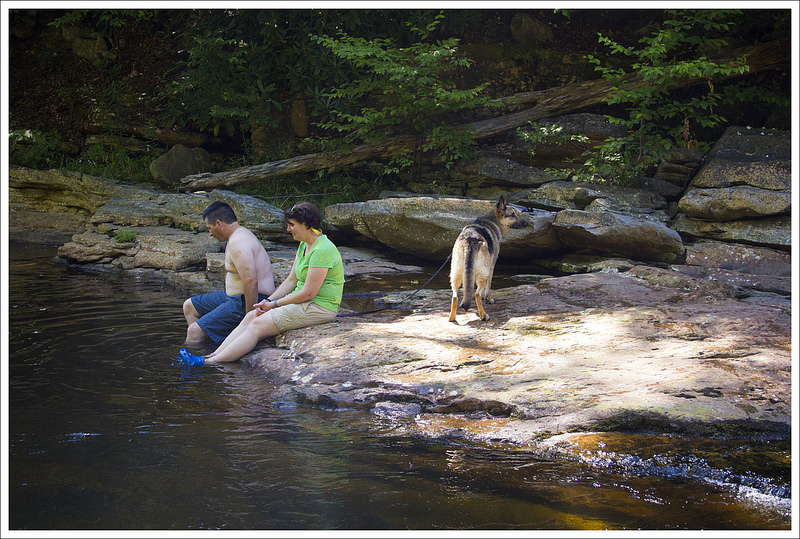


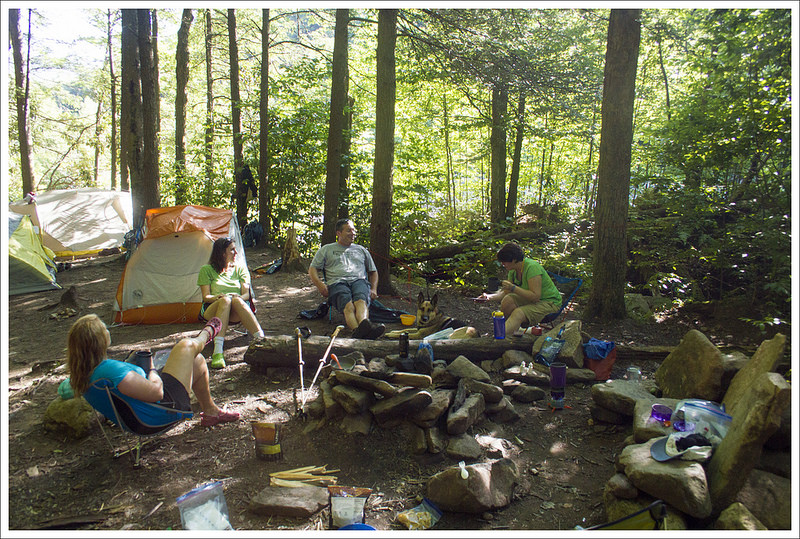
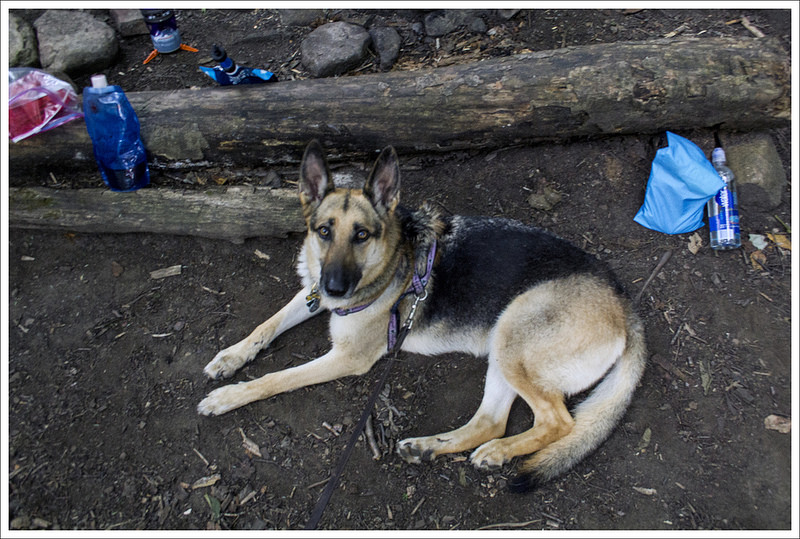


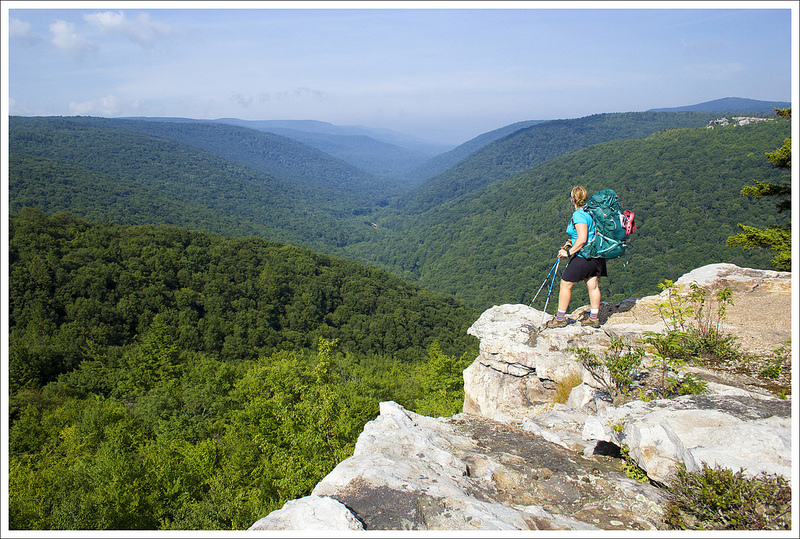
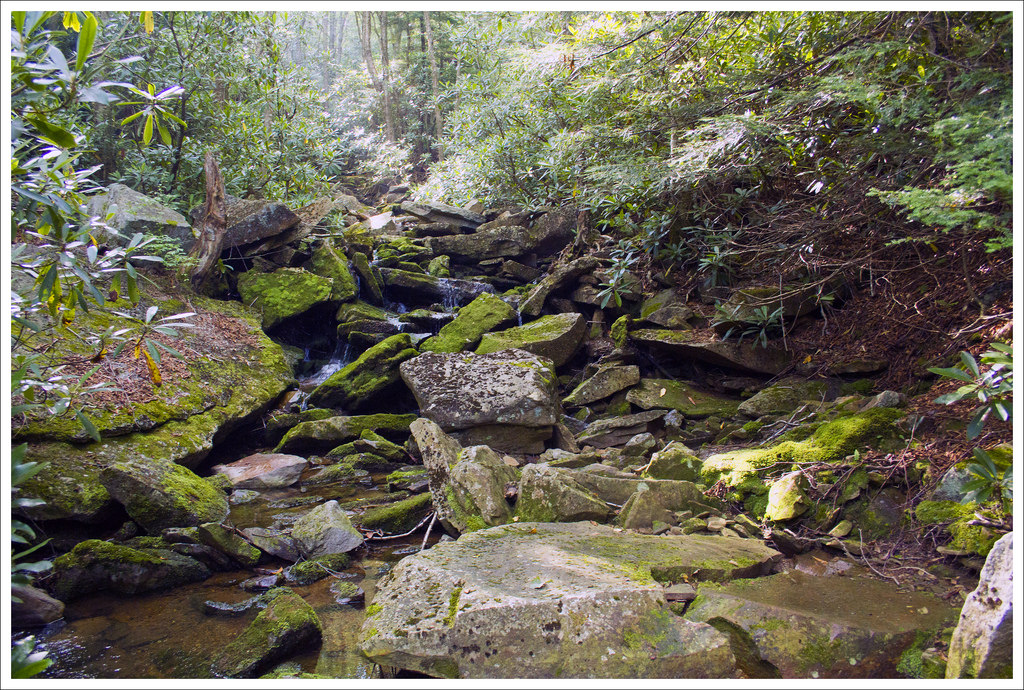
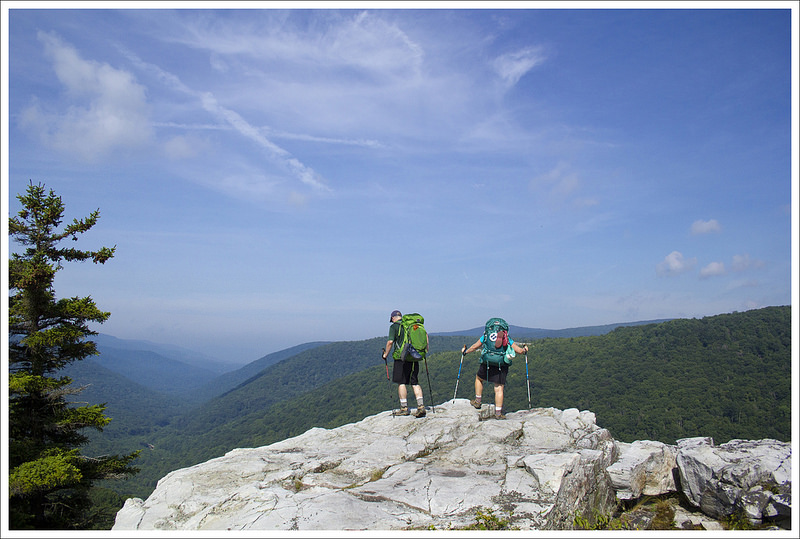


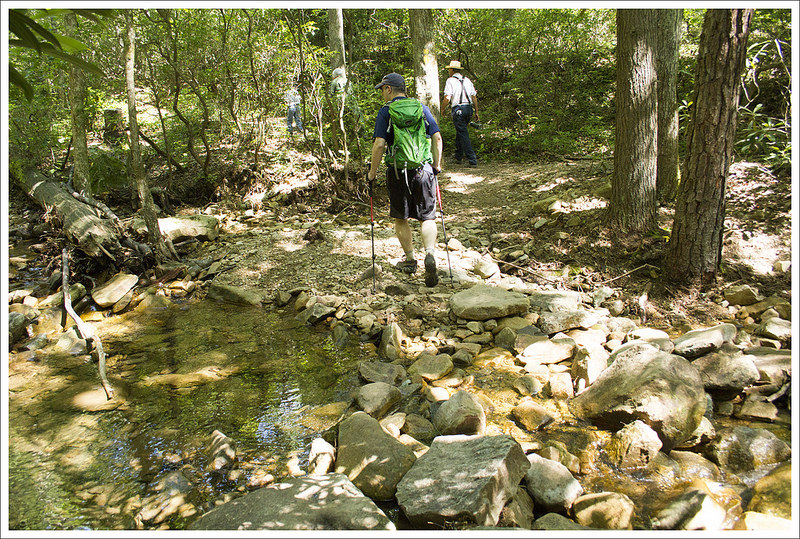



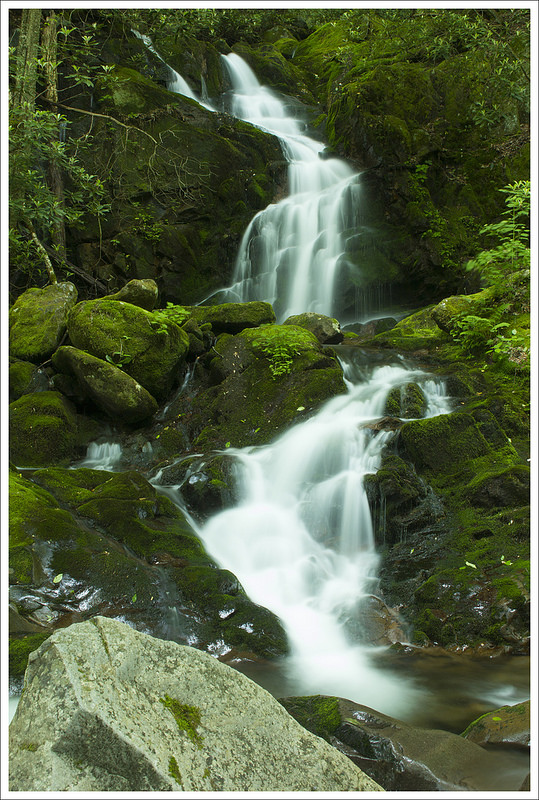
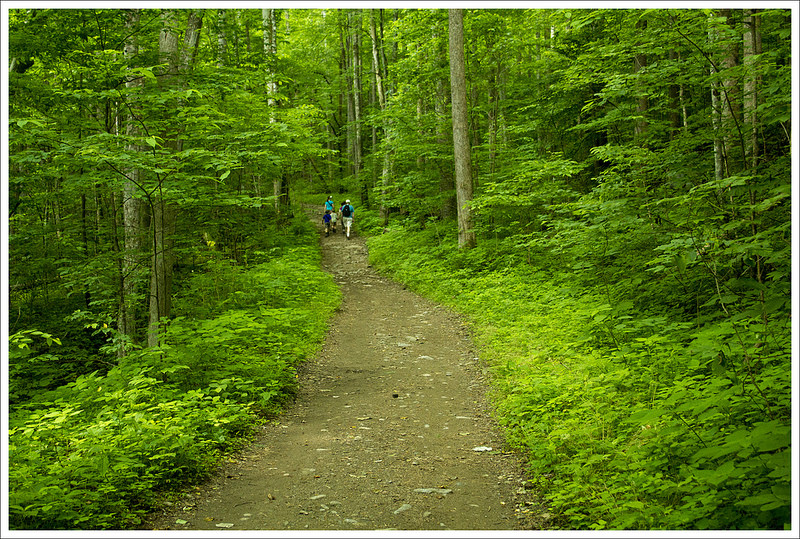


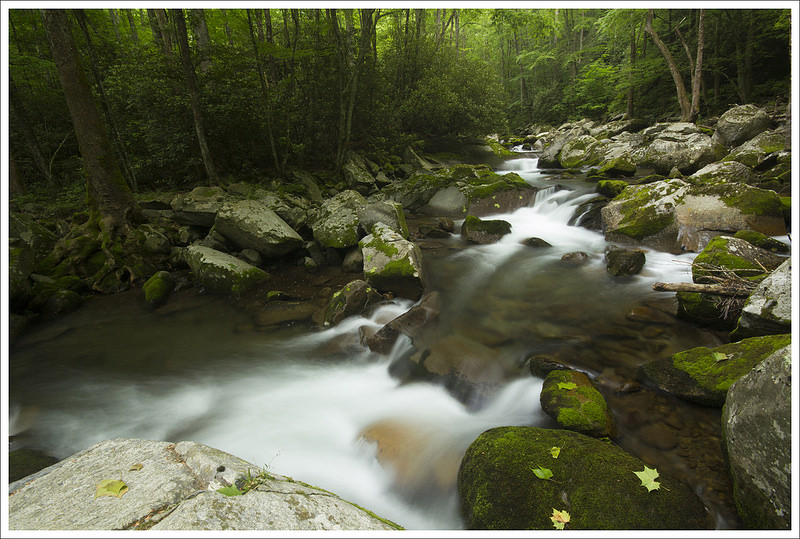



 Virginia Trail Guide