Adam Says… We were so pleased to find this hidden gem of a hike in Virginia! This hike has some jaw-dropping views, an interesting “cave” to explore, and great camping with not a lot of elevation difference.
The parking area has space for about four cars to park. From the parking area, head down about 10 yards further down the road and you will see two trails on the opposite side of the road from where you park on the right. Both of these spur trails connect to each other, so it doesn’t matter which one you pick. Climb up the short spur and the trail goes off to the left. The trail starts off hiking on a ridgeline. From .2 miles to .4 miles, you will notice a few short spur trails to the left. Climbing up these short spur trails leads to some amazing views that shouldn’t be missed. We always enjoy views without many signs of civilization and you get that here as you can soak up views of Big and Little House Mountains. I imagine that a lot of people could come to this trail to get such an amazing view with so little effort – great place for a sunrise view! We soaked in the view for a short time but decided we would get better pictures when we weren’t looking into the sun, so we picked a favorite overlook to return to at the end of the hike to reward ourselves.
Taking in view from the first quarter mile of the hike.
Once the section of views is done, the trail moves into a more wooded area. At .5 miles, you see the only trail sign for the hike at a trail intersection with a small fire road (maybe used by bikes or hunters?) through the woods. Continue on the main trail. Pay attention to red blazes marking private property.
The trail from this point is mostly a flat walk through the woods with only some occasional rises or falls in elevation. The trail is not as well-blazed as many others, so we found it a bit difficult at times to make sure you were still on the trail. If you do this during the fall, this could be especially tricky if leaves have covered a lot of the trail. However, you are mostly walking on a ridgeline, so you likely won’t stray too far. There are a few stretches where we found the trail could use some maintenance since there were taller areas of knee-high brush that you were walking through. You do also get a few glimpses of obstructed views to the east.
A lot of the trail passed through flat areas with abundant ferns.
At 3.2 miles, you come to a great couple of campsites that have some open views to the east. While there isn’t a nearby water source, this would be a great campsite if you lug your own water in for an overnight trip.
Continue on the trail past the campsite and at 3.4 miles you come to some stone steps that lead to the area known as Pete’s Cave. The rocks in this area remind me of rows of shark teeth that probably need to go to a dentist. This is an interesting area to explore, but please know your limits! This is a dangerous area with cracks and holes you could fall into or get an ankle stuck or hurt. We crawled through one area that had a cave-like feel to it, but there was a skylight that let some light in so you didn’t feel too claustrophobic. At the top of this “cave”, there was one area where I was able to scramble up to the top of a large boulder and got some incredible views to the west, but getting back down was a bit more sketchy. Again, be careful in this area if you choose to explore.
A nice (dry) campsite along the Pete’s Cave Trail
The trail climbs steeply up the other side which also leads to some nice views to the west. Go back the way you came to get back to your car and make sure to reward yourself with more of those views close to the finish line.
While Petes Cave is not a true cave, it’s still pretty fun to explore.
Christine Says… I really enjoyed this hike. The views were outstanding, there were very few people on the trail, and the “cave” at the end was fun to explore. There are several paths to the rocky outcroppings above the cave. Don’t miss checking those views out – they’re as nice as the views earlier in the hike. The trail continues beyond the caves, but apparently it’s just a walk in the woods – nothing noteworthy to see. It eventually descends back into the valley.
Trail Notes
Distance – 6.8 miles
Elevation Change – 1000 ft.
Difficulty – 2. There are rolling hills all along this hike, but generally it is easy terrain.
Trail Conditions – 3. The trail was overgrown in some parts, but overall easy to follow and walk.
Views – 4.5. Spectacular panoramic views of Big House and Little House Mountains to the east and just past Pete’s Cave, there are views to the west.
Streams/Waterfalls – 0. Non-existent and no water sources.
Wildlife –3. We saw some deer and a few birds from the overlook.
Ease to Navigate – 3. We didn’t have a lot of difficulty, but needed to mark it down some due to the lack of blazing and some of the trail was overgrown which made it a bit more difficult.
Solitude – 4. We did this trail early and didn’t see many people, but I would expect it would be busier on most weekends. The viewpoints generally have a few places to spread out and soak in the scenery.
This 56-mile backpacking trip traverses some of Virginia’s very best Appalachian Trail scenery! There are panoramic vistas, windswept balds, meadows full of wildflowers, pretty streams, and even wild ponies. We were lucky enough to have six days of nearly perfect weather and not a single drop of rain!
We hiked across an open pasture full of cattle. Below: Mt. Rogers Outfitters provided safe parking and shuttle service for our trip; Crossing the footbridge over the South Fork of the Holston River; Signing the log book as we begin our hike.
Day One – South Fork Holston River to Hurricane Creek Campground (9 miles) – Christine
Bright and early on Monday, May 20, we piled into our car and made the three and a half hour trip down to Damascus, Virginia. Town was busy with many thru-hikers still lingering after Trail Days (the huge, annual hiker festival and party hosted by the town.) Knowing we had six days of oatmeal and trail mix ahead of us, we enjoyed a fresh lunch at Mojo’s Trailside Cafe. Their food is excellent and the place has such a cool hiker vibe. After eating, we drove over to Mt. Rogers Outfitters to meet our ride. Our shuttle driver turned out to be a local woodworking artist named Matthew Newman (he has a gallery in town.) He was right on time and the trip to our start point flew by as he shared stories about the area’s history and geology. The Appalachian Trail crossing of the South Fork of the Holston River is in the middle of nowhere – just a tiny one-car pullout along a lonesome back road. We crawled out of his van, made sure we had all our stuff, and hit the trail. It was already 1:30 and we had nine miles to go before we reached our first camp stop.
We signed the wilderness-area logbook and crossed the wooden footbridge over the Holston River. We immediately started a gentle climb uphill through the woods. Eventually we reached a gravel road that paralleled a farm field. We climbed over a stile into a livestock pasture. The cows were completely indifferent to us, grazing and swinging their tails to swat flies away. The trail climbed steadily across the open terrain. We had some nice views of mountains behind us, but the sun felt hot and strong. We were glad to get to the stile on the south end of the pasture and duck back into the shade. After leaving the pasture, we had almost four miles of non-stop climbing. It wasn’t terrible uphill, but it was steady. Kris and I took a detour and visited Trimpi Shelter about a mile into the climb. It was a cute shelter with a center aisle, indoor stone fireplace, and abundant flat space for tenting around the shelter. Even though it was only a bit after 2:00, there were already a few hikers stopped for the day.
Comer Creek Falls was small but pretty. Below: Blooming Catawba Rhododendron; Abundant ferns along the trail; The AT is like a ribbon through the woods.
We climbed for another three miles. At the end of the ascent, we had a gorgeous, flat ridgewalk through lush fern. We trekked along until we reached the junction with a blue-blazed side trail that leads down to the forest service campground at Raccoon Branch. We stopped at the junction for a snack and gave Kris a chance to check on her feet. She was feeling a few hot spots in her new hiking boots and was dismayed to find several big blisters already forming just several miles into our hike! From there, we had a long meandering downhill to Dickey Gap. We passed lots of blooming flame azaleas and Catawba rhododendrons – and even a few early mountain laurels. We got to Dickey Gap a bit after 4:30. We chatted with a couple thru-hikers sitting in the shade under kiosk at the road crossing. They asked about the terrain headed north and indicated that they were going to try and make it to Marion (which was still 14 miles away!) You really have to admire thru-hikers’ ability to crush big miles like that.
The trail sign on the other side of the road said we had about 2.5 miles to go to reach our first campsite of the trip. About a mile later, we found ourselves at the base of Comer Creek Falls. The bridge across the creek was partially sealed off with yellow hazard tape. A sign indicated that the bridge was closed and hikers should backtrack and follow the detour indicated on the map. Well… we were all tired, Kris’s blisters were excruciating, and Adam was having back spasms. We just wanted to get to camp. We made a joint judgment that the bridge looked sturdy enough and decided to cross it one by one. Clearly, since I’m now writing this post — we lived! It really wasn’t all that dangerous. And, I guess sometimes you have to break the rules and live on the edge.
It’s nice to have a private campsite with your own picnic table. Then you’re free to spill your food and gear out everywhere and take up the whole table. When you’re at a shelter with others, you have to be nice and share space. Below: The bath-house at Hurricane Creek; One of many beautiful campsites at the campground.
A mile later, we found the spur trail down to Hurricane Creek Campground – one of the USFS campgrounds in the area. We had already paid for a site ahead of time, but found the entire campground pretty much empty. We easily could have claimed any of the walk-in, first-come-first-served sites. I chatted briefly with the campground host. He handed me a pamphlet and told me a bear had been opening car doors and stealing food. He recommended we store our food in the locked trunk of our vehicle. Hmmm… I guess he didn’t really notice that we all showed up on foot!
One of the perks of staying at the campground instead of an AT shelter was the fact that the campground had hot showers. I don’t need a shower every day on the trail, but any time I can get one, it’s a nice morale boost. It feels good to be clean when I crawl into my sleeping bag at night. We made a campfire, cooked dinner, and did our best to dodge the thick clouds of mosquitoes swarming around. Adam wrote a hilarious rap tune for our section hike, and each night during the trip he added and performed a new verse about our adventures for the day. After discussing the bear issues in the area, we ended up storing our food inside the vault toilet building across from our campsite. The door to the bathroom latched securely and the campground was empty, so it seemed like the best option. We ended up staying up until almost 10:00 – way past typical hiker midnight. Eventually, we headed to our tents and drifted off to sleep.
Download DAY ONE Maps and Elevation Profiles
Day Two – Hurricane Creek Campground to Old Orchard Shelter (8.7 miles) – Adam
Day two was completely in the green tunnel – no views. If you look closely, you can see Adam making his way uphill. Below: Hurricane Mountain Shelter; Taking a break from the heat and the strain of carrying packs; More trail scenery from the second day.
We started off day two from the campground, following the spur trail for about .7 mile back to the junction with the Appalachian Trail. Most of the day consisted of uphill climbing, but fortunately there were many water sources, so we didn’t have to carry a large (and heavy) amount of water.
About 1.5 miles into our walk, we passed through a beautiful section of trail surrounded by blooming rhododendron and azaleas. For a while, the trail was rolling and easy, but at the junction with the Hurricane Creek Trail, the trail took a turn steeply uphill along a wide, road-like section. Around the 3.9 mile mark, we took the .1 mile side trail on the right that led us to Hurricane Mountain Shelter. It was a nice place to eat a snack and stretch out our legs and backs (and tend to our feet). After the shelter, we had just over a mile more of steep climbing to reach an area known as Chestnut Flats. We had climbed about 1400 feet already; this wasn’t that bad over a long stretch, but there were some short steep sections along the way. At this top bump, the AT also reaches a junction with the Iron Mountain trail. We passed lots of hikers sitting trailside, using their phones. This was one of the few spots on the hike that actually had cell reception. Lots of people were catching up with texts, calls, and social media. We also came across a thru-hiker that told us there was some great trail magic ahead. That is always a motivator to any backpacker – you want to move quickly so you don’t miss out.
Trail Magic provided by Greybeard and Been There. Christine is eating a hot dog and Kris is using some of the first aid supplies to fix her feet. Below: The footbridge over Fox Creek; Our last climb of the day; Dropping packs at our selected campsite for the night.
It was a steep downhill for the next mile and a half, but we soon reached Fox Creek, VA 603. As soon as I crossed the road and parking lot, I saw a sign in the tree pointing to Trail Magic. When I walked into the area, I was blown away by the setup. There were two guys, Greybeard and Been There, that had set up a large trail magic area. They said all hikers – thru and section – were welcome. They had grilled hot dogs, marinated chicken, a tub of fruit, homemade pie, cold sodas, and tons of snacks to take with you. They had a table filled with medical supplies for the taking and a handwashing station. They even had camp chairs (with backrests – a true luxury) and a campfire. Greybeard has been setting up here for years on the week after Trail Days. He runs a GoFundMe page for contributions to buy all of the food and supplies. Been There was helping out with cooking and making sure everyone was in good health and spirits. It truly restores your faith in humanity to see people out there caring for other hikers and it was great to relax and talk trail with everyone there. Greybeard left camp while we were there because he found a stuff sack of food that one of the thru-hikers had left behind. He went further up the trail to leave it at a shelter the hiker would find – it would stink to leave days worth of food behind. They also told us the previous night they had a bear come into camp. After not getting food near the tents and campfire, he ambled over to the nearby parking area and broke into a trailer. Apparently, he made off with a full case of hot cocoa packets before moving on to steal feed from the horse camp across the road.
The nice people we shared a campfire with at Old Orchard. Below: Our lovely campsite under the shady tree canopy; Old Orchard Shelter; The privy at this shelter was huge and airy.
While it was tempting to stay near the trail magic camp, we pressed forward to our planned stop. We had another steep climb to reach our endpoint, but we felt renewed from our brief respite. At 8.7 miles, we reached Old Orchard Shelter. We were one of the first groups to arrive for the day, so we staked out a prime spot on in a flat grassy area – taking care to avoid the abundant poison ivy. Over the course of the evening, more than 20 people arrived and set up their own tent sites. The water source was a bit of a walk from the right side of the shelter, but was flowing nicely. We set up camp and then began to make some dinner – PackIt Gourmet Kickin’ Chicken Wraps. There was an odd-acting person at the shelter, so we ended up having about 14 people come sit at our campfire. We joked that we felt like the “cool kids” since everyone came to hang out with us. You always meet interesting people on these hikes. We met a Texas acupuncture doctor (who I discovered knew a mutual friend), a woman that was flying home to get married in just a few days, a woman from Germany out with a guide, a college professor hiking with her niece, and a couple of fire fighters from New York that drove down to do a section. It’s crazy how so many different people can come together over a fire that all share a passion for hiking. We had a great night talking with everyone and were excited about the next couple of days on the trail.
Download DAY TWO Maps and Elevation Profiles
Day Three – Old Orchard Shelter to Massie Gap (8.7 miles) – Christine
Adam climbs the Appalachian Trail leaving Old Orchard Shelter. Below: The gate at the top of Pine Mountain; Sunshine on Pine Mountain; Descending toward Scales Livestock Corral.
Our miles for the day started with a thousand foot climb to the summit of Pine Mountain. At the top of the mountain, we passed through a gate and followed the edge of a sunny meadow for a short distance before going through another gate where the trail went back into the woods. We descended through pretty forest for about a mile – there were pine roots, ferns, and abundant yellow flowers. As the trail leveled out, we found ourselves walking in a cloud. The sunshine we’d had back at the top of Pine Mountain had given way to low clouds settling between mountains. Through the mist, we could see a small building on a hillside off in the distance. At first I thought we were coming up on Wise Shelter, but I soon figured out the shelter was still miles away. What I actually saw was the vault toilet building at Scales Livestock corral. It has to be the most scenic privy in Virginia!
Adam hikes toward Scales Livestock Corral. Below: The prettiest pit toilet in Virginia; Fog on Stone Mountain; Flame Azalea.
After Scales, we had a short but steep uphill to the top of Stone Mountain – the four mile mark for our day. The long, pleasant ridge-walk should have offered beautiful views, but we were still socked in by heavy clouds. It was cold and windy along the summit walk. After a gradual descent of Stone Mountain, we entered Little Wilson Creek Wilderness. It was lovely and green. At 6.2 miles, we reached Big Wilson Creek and the junction with the horse trail. We crossed the stream on a wooden footbridge and went over another stile. I was paying close attention to my footing as I crossed a rocky area. Adam looked back at me from ahead and nonchalantly said, “Hey… I’m going to stop here and take photos of some ponies.” PONIES! I thought he was kidding at first. I didn’t expect to see ponies until day four. But sure enough… there was a band of six ponies grazing in marshland along the trail. Adam stepped slightly off trail to get a better view when suddenly a tiny black foal popped out of the deep grass. He couldn’t have been more than a week old and he was beautiful! The three of us all greatly enjoyed spending time watching these wonderful animals. The ponies eventually wandered deeper into the marsh, and we continued another .2 mile to Wise Shelter – our lunch stop for the day.
Our first Highlands ponies of the trip. We loved the tiny foal. Below: Little Wilson Creek Wilderness; Watching the rocky footing right before seeing ponies; What a gorgeous pony; Wise Shelter – our lunch stop.
We decided to take a long break and enjoy a hot lunch. We had some extra food to use up since we had a trail magic lunch the day before. Kris made a salmon pesto meal and Adam and I shared a package of Good To Go Mushroom Risotto (one of our favorites!). We had delightful lunch companions – two women from Sweden, a man from Kentucky, and a British guy – all thru-hikers. After they hiked on, we were joined by a man who was less-than-pleasant company, so we packed up and made our way into Grayson Highlands State Park. The park’s boundary is just south of the shelter.
From the shelter, we just had about 1.5 miles of climbing to reach the spur trail to the parking area at Massie Gap – our end point for day three. That 1.5 miles was incredibly scenic. The area is covered with only low shrubs and small pine trees, so the views are open in every direction. There are rock formations, wide meadows, ponies grazing, and (if you’re lucky like we were) blooming rhododendrons. We took tons of photos, watched ponies frolic, and enjoyed the magnificent views. It was everything we hoped the trip would be!
Approaching Grayson Highlands. Below: Adam is on top of the world; Blooming rhododendron; More beautiful ponies.
Around 2:30, we made our way down to Massie Gap where we were meeting the owner of the Grayson Highlands General Store and Inn. We had called him from the junction of the AT and the spur trail down to parking. After about 15 minutes of waiting, Dennis came along in a truck and whisked us away for a night of hiker-luxury. We had reserved the inn suite for the three of us. We also sent a resupply box with food for the second half of our trip. Carrying a full week of food is very heavy (backpackers typically carry 1 – 1.5 pounds of food per day), so it’s a treat to be able to resupply every 3-4 days. At the inn, we enjoyed pizza, beer/wine, and ice cream! Our suite had two bedrooms, a kitchen, a bathroom, and even a washer/dryer. We were all able to shower and wash our sweaty clothes. We spent most of the evening relaxing and repacking our bear canisters. It was nice to sleep in a queen size bed – so spacious compared to the floor space in our tiny tent! I would highly recommend the Grayson Highlands General Store for anyone who wants a night off-trail in the area. The accommodations are simple, but they’re very clean, affordable, and comfortable. Also, the staff at the inn takes great care of hikers! We really enjoyed our stay.
Waiting for our shuttle Below: Grayson Highlands General Store and Inn; Great hiker supplies; Cheers with a Wolf Hills ‘White Blaze Honey Cream Ale’!
Download DAY THREE Maps and Elevation Profiles
Day Four – Massie Gap to Whitetop (10 miles) – Adam
Day four was the highlight of the entire trip. It turned out to be the toughest day physically, but everything we saw helped make the pain bearable. We started off our morning with breakfast at the inn. Kris and I had french toast with bacon and Christine had a grilled bacon and cheese sandwich. We also got some deli sandwiches to pack for lunch on the trail. Dennis, the inn’s owner, gave us a shuttle ride back to Massie Gap parking. We had about a mile walk back up to where we rejoined the Appalachian Trail.
We started day four of our hike in Grayson Highlands State Park. Below: Massie Gap in Grayson Highlands State Park; The rocky trail through Grayson Highlands; Storm clouds and windswept terrain.
We took a left and headed south on the AT. The climb was steep and slow going at the beginning, but we were soon greeted with expansive views all around. It was quite easy to just say that you were stopping to take photos when you really needed to catch your breath. The terrain was relentlessly rocky and rugged. The clouds that were hanging above the mountains added to the visual drama. We thought we were going to get stormed on, but luckily the rain held off all day. The one thing that amazes me about this area is how fitting the word “Highlands” is to describe the terrain – in this area you may feel like you are walking in Scottish Highlands.
The Grayson Highlands are like no other place in Virginia. Below: Kris scales a steep rocky section; Christine scrambles along the trail; The Fat Man Squeeze.
At about the 1.5 mile mark, we reached the southern edge of Grayson Highlands State Park, marked by a turnstile to an open field. From here we went back onto national forest land. The trail climbs up steeply and we reached a spot called ‘Fatman Squeeze’ at 2.2 miles. It is an interesting rock formation that you can climb through. It wasn’t that much of a squeeze, but if you don’t want to risk humiliation or don’t like the claustrophobic feel there is a path that loops around the feature.
After the Squeeze, we reached Wilburn Ridge at 2.5 miles. As we crossed over the bump, we spotted another band of ponies lounging next to the trail. While they call these “wild” ponies, they are accustomed to people and may try to grab some food from an unattended backpack. The ponies all have such interesting markings and we talked about which one was our favorite. The trail had another short uphill bump before we came to Rhododendron Gap and a junction with the Pine Mountain Trail. On the ground, someone had arranged rocks into “500” noting the 500 mile mark of the Appalachian Trail for northbound hikers. There is another bit of fairly easy walking on this ridgeline – and the views keep coming if you’re lucky to visit on a clear day.
This area is known as the crest zone. The views are open and the ponies like to hang out in this area. Below: PONIES, PONIES, PONIES!
At 4 miles, we reached the Thomas Knob shelter. As I approached the shelter, I paused to take a photo and startled a retired police officer eating lunch there. Just a minute before I arrived, a bear had come right up to the shelter where she was sitting. She thought I was the returning bear. We stopped to eat lunch and heard more from the woman about the bear. The shelter log said that at night, gleaming bear eyes can be seen in the nearby trees, watching the open shelter.
Adam hiking in one of Virginia’s most scenic places. Below: The crest zone is the open area all along the ridge leading to Mt. Rogers; Christine enjoys the majestic views; Thomas Knob Shelter.
The area has been extremely problematic for aggressive bears over the last couple years. In 2018, several miles of AT in this area were closed to camping after tents were shredded and over 70 hikers’ food bags were taken by a bear. Now, there are bear lockers installed near the shelter, so be sure to store food and other ‘smellables’ securely if you decide to stay near Thomas Knob. Despite the addition of bear lockers, some hikers are still continuing to sleep with food in their tents and in the shelter, so bear problems have persisted into the 2019 season. After lunch, we continued on and just a short distance along the trail we reached a junction with a spur trail that leads to the summit of Mt. Rogers (we wrote about this in another post – no views but something worth doing if you want to bag the highest peak in Virginia).
It was sad to leave the beautiful Mt. Rogers and Grayson Highlands. Below: This spur trail leads to the summit of Mt. Rogers – Virginia’s highest peak; As you descend from the Highlands, the forest changes quickly to pines; The descent from the crest zone was very rocky.
After the Mt. Rogers junction, the trail descends steeply over rocky terrain until you reach Deep Gap at 6 miles. We saw dozens and dozens of northbound thruhikers coming the opposite direction as we descended from Grayson Highlands. More than a few mentioned that they were not enjoying the big climb and asked if the scenery ahead was as amazing as reputed. We assured everyone that the big climb was totally worth the payoff at the summit.
We took off our packs for a break, but we knew we still had more miles to cover. Continuing on, we kept descending and reached the beautiful mustard fields of Elk Garden. It was hot in the open sun. We crossed VA 600 at 8 miles and ran into a grandfather that was hoping to meet his thru-hiking granddaughter along the trail. We hadn’t seen her yet (we would the next day), but we rested again for a bit as we reentered the woods.
Elk Garden was a meadow of golden flowers. Below: Christine and Adam pose for a photo in the meadow; The climb up Whitetop Mountain; The last uphill of the day.
The day had already been tough and we had a big climb ahead of us. We debated stopping there for the night, but decided to camp where we had originally planned. We summoned what little strength we had left and pressed on to the end. We had 2.4 miles of an uphill climb to make it to the end of our day and it was all fairly steep. We hiked separately, setting our own paces, with Christine in the lead.
When we got to the high point on Whitetop Mountain, almost all the campsites had been taken, but Christine managed to grab the last decent one when she arrived. It was probably the worst of the campsites that we had for the trip, but it was still fine. Lots of other hikers ended up squeezed into tilted rocky sites that couldn’t have been comfortable.
This soft glowy light was a true reward at the end of the day. Below: This sign made us all thankful because we knew the climb was ending; Kris filtering water at camp; More beautiful evening scenery.
Water was quite a distance from camp, but on our way to the source we enjoyed great views along an open ridge. The water source was a piped spring that came out of the mountainside. It gushed ice cold water and might be one of the nicest water sources we’ve ever seen. Christine and I both doused our heads and splashed our faces and rinsed away a lot of the day’s salty sweat. We made PackIt Gourmet All American Cheeseburger Wraps for dinner – maybe our new favorite backpacking meal. They were delicious! After brushing our teeth and finding a good place to wedge our bear canisters, we watched sunset from the open ridge, and then went to bed before 9:00. We were all exhausted. It had been an amazing, but tiring, day.
Download DAY FOUR Maps and Elevation Profiles
Day Five – Whitetop to the Virginia Creeper Junction (8.5 miles) – Christine
Day five dawned with our high-elevation campsite blanketed in fog. We hoped enough of the mist would lift to allow us to enjoy the views from Buzzard Rock, but with only a mile to cover, we were at the vista about twenty minutes after hiking out of camp. At the viewpoint, we found ourselves still standing in the middle of a cloud. Luckily, we could still make out faint views of the valley below. Even veiled, Buzzard Rock is a gorgeous spot – and also our last opportunity to enjoy the highlands on this trip. Shortly after the viewpoint, the trail takes a steady 3.8 mile downhill drop from 5,080′ all the way down to 3,160′. At the beginning of the descent, we saw the fading final red trillium of spring and at the bottom of the descent, we saw abundant pink lady’s slippers. The drop in elevation let us see both early and later bloomers on the same day!
Adam climbs through the fog to Buzzard Rock. Below: Buzzard Rock outcropping, Faint views into the valley below; Adam and Kris leave the Virginia high country for lower altitudes.
At the bottom of the descent, we crossed Route 58 and made our way back uphill for a mile to reach Lost Mountain Shelter. The lower elevation brought on the extra heat and humidity. Paired with the exertion of climbing, we were all pretty hot and tired when we arrived at the shelter for lunch. The area was crowded with a crew of volunteer maintainers from the local trail club and about ten thru-hikers in for a mid-day break. The trail club kindly carried out everyone’s garbage! It’s such a small thing, but to have a day hiker offer to take your trash out is true trail magic! We collected water and decided to make our PackIt Gourmet cheese spread for lunch. It’s a really delicious meal, but I think everyone was too hot to really be hungry. We couldn’t finish everything, so we passed our leftovers on to a thru-hiker from Colorado.
The terrain and trees changed vastly over the course of the day. Below: Lush green forest; A fading red trillium near the top of the day; Pink lady’s slippers near the low point of the day; Lost Mountain shelter; Descending toward camp; The trail followed a pretty stream at the end of the day.
After lunch, we had a tiny bit more uphill climbing before the trail switchbacked downhill for 1.8 miles to its junction with the Virginia Creeper Trail. The Creeper is and old railroad grade converted to a multi-use trail. It’s most heavily used by bikers, but also by equestrians, hikers, runners, and even the occasional dog-sledder in the winter! Kris was about fifteen minutes behind us, so Adam and I sat on the Luther Hassinger Memorial Bridge and waited for her to catch up. While we waited, we noticed that there were several really nice streamside campsites under the bridge.
When Kris caught up, we had a team meeting and decided to camp under the bridge instead of hiking another 2.3 (mostly uphill) miles to our planned campsite. We were all hot and tired, and the campsite ahead sounded not-so-great (stagnant, mosquito-laden pond nearby) according to accounts in our Guthooks AT App. We set up camp, waded in the stream, played cards, and had a relaxing evening at camp. We even met a couple guys fishing nearby, and they kindly shared a couple cold beers with us.
The Luther Hassinger Bridge is where the AT and Virginia Creeper meet and share course for a while. Below: Our campsite for night five; Our water source was a lovely stream; We used the trestle bridge to bear hang a bag of garbage.
Over dinner, we discussed altering our plan for days six and seven. We tossed around the idea of finishing in one day instead of two and following the Creeper Trail instead of the AT. We agreed to sleep on the plan and make a decision in the morning. It was really a fantastic campsite and everyone slept so well with the sound of rushing water nearby.
Download DAY FIVE Maps and Elevation Profiles
Day Six – Virginia Creeper Junction to Damascus (11 miles) – Adam
We woke up early and discussed our plan for the day. Kris’ feet were in pain and we knew the elevation gain and rough terrain were going to be hard on her blisters. The initial thought was that I would stay on the AT, while Christine and Kris would walk back along the Creeper Trail, but meet up along a spur between the two trails to camp together. After looking at our AWOL guide and the Guthooks app, there was no solid information on how the spur trail would connect or how far it would be. I ultimately made the call to stick together and finish in one day via the Creeper Trail back to Damascus. I am probably more of an AT purest and want to hit every blaze, but Christine was fine just getting to Damascus another way. But, she promised to come back together and do the AT miles to appease my desire to see every white blaze. Sticking together was definitely the best call for everyone’s safety and peace of mind.
We started the final day of our trip on both the Appalachian Trail and the Virginia Creeper Trail. Below: Adam crosses the Hassinger bridge; A beautiful cascade on Whitetop Laurel Creek; Easy terrain on the Virginia Creeper Trail.
The AT parallels the Creeper Trail for a good portion, but it is much higher in elevation and there aren’t really any easy access points between the two trails. Going back the way of the Creeper Trail also meant that the entire hike was either flat or downhill and the footing for trail conditions was much easier on injured feet (the AT section would have added about 1800 feet of climbing and a couple more miles).
We packed up camp and were on our way. We crossed the Hassinger bridge, where the AT and Creeper begin to share trail for about .7 miles until the AT takes a hard right up the mountainside. We stayed on the Creeper Trail, crossing 21 trestle bridges and enjoying gorgeous stream scenery along the way. When we biked this section many years ago, it was raining which forced us to rush along the trail, so it was nice to take in the sights at a leisurely pace. Much of the Creeper Trail follows Whitetop Laurel Creek – one of Virginia’s largest and most pristine trout streams.
There were a good number of bikers out for the Memorial Day weekend, so we got used to hearing “ON THE LEFT” as they sped past. A few cyclists paused and gawked at us carrying our gear. For some of these casual family bikers I guess we seemed like hardcore professional athletes. People randomly applauded and one woman said she was ‘in awe of us.’ It was funny!
Whitetop Laurel Creek is one of the best trout streams in Virginia. Below: One of the many bridges over the stream; Crossing open farmland; Rock walls along the stream.
Overall the Creeper Trail is fairly shady, but we also passed by farm houses and through wide pastures. The sun was quite hot in open areas. After finishing a long sunny stretch, we stopped in the shade along a roadside. A father and son were fishing nearby. When they saw us, they offered us a cold Mountain Dews and homemade cookies from their truck. We never stop being amazed by the kindness of strangers. We eventually managed to motivate ourselves to get back up and shoulder our heavy packs.
As we drew closer to town, there were billboards on the side of the trail advertising places to eat and drink in Damascus – they helped motivate us to finish. We ended up crossing US-58 on the outskirts of Damascus. The Appalachian Trail comes down a steep set of stairs on the right and rejoins the Creeper Trail again as it passes through town. We finished our hike walking alongside the road in the blazing sun. Kris had a near brush with danger as a kid on a bike carelessly ran her off the side of the trail. That was a real issue near the congested town section, since many bikers may not be as well-trained on etiquette or skilled enough to avoid others. We talked to another couple that had been hit twice by inexperienced cyclists on their run.
After eleven miles of hiking we made it back to Damascus. Below: Blooming mountain laurel along the trail; Billboards advertising food and drink along the trail; The Appalachian Trail rejoins the Creeper Trail just north of town; Our lunch stop and hike’s end… cheers!
We made it back into town and ate at Wicked Chicken Winghouse & Tavern. There was a guy outside singing and playing guitar and a ton of people enjoying the music, food, and ice cream. We ate inside the air-conditioned restaurant and had some great wings and beers from Damascus Brewery. When we were finished eating, I walked a few tenths of a mile back into town (following the Creeper Trail further into town and then going down Shady Ave to get back to Mount Rogers Outfitters) to pick up our car. Christine and Kris stayed at the restaurant and finished their beers before I picked them up. Before we headed home, we stopped and got some souvenirs from Sun Dog Outfitter.
We had an amazing trip and shared a lot of good memories together while covering a bunch of miles. Everything isn’t always easy when you do a longer section of trail like this, but we felt very accomplished and glad to have each other to help us get through.
Download DAY SIX Maps and Elevation Profiles
Trail Notes
Distance – 56 miles
Elevation Change – 11,095 ft. (daily gain is included on each profile download)
Difficulty – 3. Most of the terrain is moderate and uncomplicated.
Trail Conditions – 4. The trail was clear and easy to follow. Bridges and footing were mostly in passable condition. The bridge at Comer Creek Falls was technically closed when we hiked. We had one tough blowdown to negotiate in Little Wilson Creek Wilderness.
Views – 5. We had spectacular views on three of the six days of the trip.
Streams/Waterfalls – 4. There were many beautiful cascading streams along the route. Comer Creek Falls was small, but lovely.
Wildlife – 5. High chances of seeing bears along this section. Even though the ponies aren’t technically wild, we count them as wildlife.
Ease to Navigate – 5. The trail is well marked and easy to follow.
Solitude – 0. This is a very popular section of Appalachian Trail. We maximized crowds by 1)Joining the thru-hiker bubble 2) Starting the day Trail Days ended 3) Hiking over a holiday weekend. If you choose a different time of year, you might have significantly more solitude.
Directions to trailhead: We left a car in Damascus at Mt. Rogers Outfitters. We used their shuttle service to drop us off at the Appalachian Trail Crossing at the South Fork of the Holston River. GPS coordinates for our start point are: 36.7631, -81.4939.
Are you looking for a short hike with great views? This 3.2 mile route takes you through fire and storm-damaged terrain to a stunning vista on Rocky Mountain (not to be confused with Rocky Mount – another nearby hike in Shenandoah).
The nice view from Rocky Mountain on the Brown Mountain Trail. Below: The trail starts in an opening in the wall at the Brown Mountain Overlook; The very beginning of the trail has nice views; This area was heavily damaged by the 2016 fire and again by the 2018 ice storm.
Adam Says:
We were trying to find a new hike to cover and I started looking through a PATC map of the southern section of Shenandoah National Park. I noticed there was a trail off one of the overlooks that we hadn’t done before and then I was sold when I saw the icon they use for views. Due to some of the twists and turns, it was hard to tell how far the trail was going to be before we got to the views, but we felt this was definitely worth exploring.
We started off from the Brown Mountain overlook, close to mile 77 on Skyline Drive. This Brown Mountain trail starts at a break of the rock wall. The trail winds down and provides some instant views (and you can actually see the rocky outcropping you will reach). The trail soon ducks down into some more wooded areas and winds down on a steeper descent – keep in mind you have to hike back up at the end of this out-and-back hike. You will see a lot of the fire damage that hit this area a couple of years ago with charred logs along the way, but nature has bounced back nicely. At .6 miles, you reach the bottom of your descent and soon reach a junction with the Rocky Mountain Run Trail which takes off to the left (you could make this a larger 10+ mile loop by coming back this way). Stay on the Brown Mountain Trail and you will begin to ascend again. The ascent will ultimately take you close to the elevation you started on this hike, but you will have close to one mile to gain that elevation, so you will find the trail more manageable of an ascent at this point.
Adam climbs the Brown Mountain Trail. Below: Our start point is marked by a red circle in this photo; Sessile belwort; Dwarf iris.
Around the 1.4 mile mark, the trail will begin to level out and become rockier. You will also be treated to some obstructed views along the way. At a little over the 1.5 mark, we reached the rocky outcropping of aptly-named Rocky Mountain. From the stunning viewpoint here, I was able to scramble up carefully up the main rock. While Christine held Indy, I also ventured a little further along the outcropping to get to another viewpoint, but that was a more treacherous path consisting of stepping on knife-edge footing while finding hand and footholds along the way – definitely not recommended or very safe. I came back to Indy to let Christine explore a little further. Indy enjoyed the views and enjoyed a nice bowl of water to quench his thirst before the return hike. We went back the way we came descending back to the saddle and climbing up the last .6 miles back to the car. The climb at the end was steep, but short. We had a great time exploring this area and were surprised to only see two people on the trail. Since I don’t think this hike is covered very often on hiking websites or books, this has remained a hidden gem (at least until now).
Christine Says:
This was a really beautiful hike through a fire and ice-damaged section of the park. Views that were probably closed in a few years ago were open and stunning. It also helped that we hiked in April before leaves fully emerged. I was surprised there were so few people on the trail, because the weather was perfect and this trail connects into the popular Big Run watershed. I expected we would see many people out backpacking, but we only saw two guys. They were both pretty surprised to see a pug on the trail, and one asked if he could photograph Indy to share with his mom. I swear, Indy is always a conversation starter on hikes!
Adam and Indy enjoyed climbing on the rocks at the viewpoint. Below: The trail was like walking on a balcony; Adam found a perch; Indy never runs out of energy.
While Adam enjoyed climbing around on the rocks, I hiked along the trail a bit further to see if there was anything worth seeing. The trail started to descend into another saddle, so I decided to save exploration for another day. I think there might be some more views along the trail – but probably not as good as the one we saw here.
I hiked back up to where Indy and Adam were waiting. We all hiked back the way we came in, enjoying the top-of-the world views. In addition to the vistas, this trail had many beautiful wildflowers. In April, the dwarf irises and sessile belwort were abundant. The hike back was as challenging as the hike out, with moderate climbs on both ends. We were all pretty hot and a little sunburned when we got back to the car, so we decided to cool off with blackberry milkshakes at the Loft Mountain Wayside. Wouldn’t you know – their shake-making operation was broken AGAIN. This is the third year in a row that Loft has failed to produce my desired blackberry milkshake! This time it was the soft-serve machine that was down; last time it was the blender; and the time before that they were out of blackberry syrup. Drat! Oh well… it was still a great day.
Trail Notes
Distance – 3.2 miles
Elevation Change – 1,168
Difficulty – 3. This hike has climbs going both out and back. They’re moderately difficult, but should be doable for most hikers.
Trail Conditions – 4. PATC volunteers and other trail crews have worked very hard to clear the trail through this heavily damaged part of the park.
Views – 4.5. There were nice views at the start of the hike, along much of the trail, and at the summit. The view is expansive and impressive.
Streams/Waterfalls – 0. There was no water on this hike – it’s mostly high and dry on the ridge.
Wildlife – 3. We saw a couple deer and quite a bit of bear scat.
Ease to Navigate – 4. Trails are well-marked and thoroughly blazed. There is just one junction to watch for along the hike.
Solitude – 3. All of Shenandoah is popular and busy, but on this beautiful April day, we just saw two backpackers.
Maps
Special note about the map below: We use CalTopo to produce maps for this website. The CalTopo map for this area did not match the PATC’s map of the same area for trail naming. The CalTopo map labels the trail as Rocky Mountain Trail, but the park sign posts and the PATC map label the trail the Brown Mountain Trail.
Download a full size PDF trail map.
Download the full size PDF elevation profile
Directions to trailhead: Parking coordinates are 38.292938, -78.657899. Park at the Brown Mountain Overlook on the west side of Skyline Drive. The trail begins through an opening in the stone wall.
Adam takes in the view from the summit of Church Mountain.
On this eight-mile adventure, we visited a beautiful outcropping on Church Mountain. The hike had some steady climbing, a little bit of rock scrambling, some unfortunate bushwhacking, and a beautiful view at the top!
Christine Says:
We did this hike back in early April with our friends, Tony and Linda, of HikingUpward fame. (View their write-up for this hike) Tony noticed that this hike appeared for the first time on a recent edition of a PATC map and suggested we all go out and explore the relatively unknown area. He had heard rumor that there were two viewpoints to enjoy. We met them at a parking area along the forest service road (FR482). We could see the outcropping we were planning to hike to from the road below. Adam was still getting over an awful chest cold, so the distant view of the cliff-face made me worry for him. It looked very faraway and pretty high above us.
The first mile of walking followed the mile of FR482 that lies beyond a locked gate. During hunting season, you might find this gate open and be able to shave a couple miles off the total distance of the hike. At the end of a mile, you’ll find yourself at the start of the yellow-blazed Church Mountain Trail. There are no signs or trail markers – just blazes – so be careful to follow along. The trail crosses one shallow stream near the beginning of the trail. It also crosses several old road cuts (apparently there used to be TV towers on this mountain, or so I’ve heard). The climbing is fairly steady and unrelenting as you climb Church Mountain. The use of ten switchbacks makes the grade feel manageable, though I can see this feeling like a really tough climb on a hot day. There were some decent views of the rocky summit of Church Mountain from the trail.
A view of Church Rock from the trail below.
As you climb, the forest gets thinner and more open – almost meadow-like. When you reach the ridgeline at three miles, the trail is just a faint footpath through the grass. Look for a tree with a double set of white and yellow blazes. There should also be a small cairn slightly uphill of the two-blazed tree. This is the junction with the Talc Trail. From here, take a left and follow the white blazed Talc trail as it meanders over gentle terrain toward the summit of Church Mountain. This part of the trail was sparsely blazed and there were a couple significant blow-downs across the trail. I have a feeling that the vegetation along this stretch may get taller and thicker as the growing season progresses. I had permethrin-treated clothes and Repel spray on my exposed skin, but I still managed to pick up a tick somewhere along the Talc Trail. I noticed it already attached to my calf on the return leg of our hike. Gross!
The Talc Trail comes into a saddle about 3.6 miles into the hike. There is a large, very littered campsite in the saddle. There was an old tarp, several pots, old cans, shell casings, a satchel, and some other odds and ends laying around. It looked like hunters maybe used this spot as a base camp sometime in the last year or two. After passing the campsite, there’s a nice view of the valley off the left side of the trail. Once you pass this view, it’s time to start scrambling. The way to the top had a couple hard-to-see blazes and was pretty overgrown with brambles and thorns. I had capri length pants on, so my lower legs got scraped up quite a bit. Between the prickly vegetation and the ticks, I definitely suggest long pants for this hike.
Once at the top, there were lots of openings in the woods to explore different spots along the outcropping. There were several spots that offered beautiful, slightly obstructed views to the valley beyond. The slanted cliffside on the adjacent mountain was a unique feature to behold in the viewscape. I found two different geodetic markers on the outcropping – one with an arrow marking the direction of the true summit and another for the summit itself. We spent a bit of time enjoying and photographing the view, but I wouldn’t say this is a outcropping that would be good for a crowd or a lunch break. The space on the rocks is limited and most of the larger rock surfaces lie at precipitous angles. When I took photos of Adam standing on the pointy, blade-like rocks in the photo at the top of this post, my knees were knocking a bit. I don’t like looking through a camera lens when my feet are uneven ground – it gives me vertigo.
The ridge trail was through open, grassy forest.
After scrambling down from the summit of Church Mountain, we headed back along the Talc Trail. On this particular day, we decided to pass the junction for the trail down and continue to explore the other side of the white-blazed Talc Trail. It probably wasn’t a good idea. There was a tree with a mysterious blaze that sort of looked like it was trying to mark a campsite on a sidetrail, but we didn’t really find anything. Passing there, the trail dipped steeply down into an area that was badly overgrown with thorns and blocked by many blowdowns. There was clearly a trail there, but it was not maintained to the point it was worth following.
During the extra bit of exploration, my GPS said that we had come almost five miles. We were running low on snacks and water, so we opted to end our quest for a second vista and make our way back down. The return hike went by pretty quickly – all downhill, the same way we had hiked up. The beer and pizza at Swover Creek Farm Brewery were calling loudly. Refreshment was needed!
Adam Says:
As Christine mentioned, I was just getting over being sick. This was the fourth time I had been sick over the last 2.5 months (cold, sinus infections,etc.), so my cardio and ability to breathe well was still getting back to normal. Exploring a “new to us” trail when there isn’t any information about it online makes us feel like we are conquering uncharted territory. We had no idea how long the hike would be and we could vaguely guess at what elevation we would be climbing.
We did have a bit of a road walk through to get to the trailhead since the gate was closed. We walked on an open road that looks like had been heavily forested before. The scenery was open which made it more enjoyable than most fire road walks we have done. We eventually came to the upper parking lot and the trailhead. Once we started on the trailhead, we noticed the trail split after a few feet. There was an unblazed trail that went straight and then the yellow-blazed Church Mountain Trail took off to the right. Take this right and the trail starts a long gradual climb. Eventually, the switchbacks start and this is where you really begin to gain some elevation. There were a few times where we spotted the Church Rock cliff face through the trees and we were excited to see that the trail would eventually guide us to that impressive cliffside. The trail winds through several switchbacks until you eventually get to a part where the top of the hillside opens up into a grassy area and you follow sparse blazes up to the top of the hill.
Heading toward the Church Rock summit.
Eventually the trail comes to a junction with the white-blazed Talc trail. Take a left here to get to Church Rock. We paused at the junction for a bit to allow me to gain my breath and we ate some trail mix. Soon, a turkey hunter came up along the trail in full camo. This was the only person that we saw the entire day. Starting on the Talc Trail, we found the trail was very poorly blazed. You stay walking on this ridge for a bit and can see some views along the way. Eventually the Talc Trail descended and led us to an open meadow area where we saw the remains of a campsite with tarp and other items stowed here. We weren’t sure if these are things someone has just left behind to use the next time they camp up here or just someone that was littering heavily. Shortly after the campsite, the trail leads back up and you can see Church Rock sticking out. If I were to rename this rock jutting out, I would call it Young Man of the Mountain. It reminded me of Old Man of the Mountain that was a prominent rock feature in the White Mountains of New Hampshire that you may have seen prominently on New Hampshire license plates. The Old Man rock face fell off in 2003 which we regret never seeing. The profile of the rockface does look similar to it but it is much smaller. We got to the rock scramble just below Church Rock. Be very careful through here, because we commented how this would be a great place for snakes to hide in between all the cracks between the rocks or possibly sunning themselves on a warm day. There weren’t any clear blazes that really guided you up to the top, but we were able to find our way through the boulders and then were able to climb up a steep section to get to the top.
Summit of Church Mountain.
At the top, there were two areas where you could take in the view – and what an impressive view it was! On a clear day, you can see for miles at mountain ranges all around you. We found a couple of USGS markers at the top which named it Church Rock. If you do take in the view, be careful! There isn’t much space and the wind blowing at the top can make you feel uncomfortable. Falling from here would be deadly. When we left, I said that these may be some of the best views in Virginia and I will stick to that claim. The climb wasn’t terribly tough and we felt this is something that is probably best done during the year with fewer leaves as it opens up other views along the way. With this trail being fairly unknown (at least for now), the solitude made us feel like we had stumbled across a secret gem of Virginia. We headed back the way we came and explored a bit down the other side from the junction with the Talc Trail. That ended up being just a slog through the woods. There may be some views to be had with some heavy bushwhacking, but we didn’t feel like exploring that too long with all the blowdowns and briars on the trail.
When we got back to the car, we drove to Swover Creek Brewery for some great pizzas and beer. The owners have some dogs that roam around and beg a bit for pizza, but they were sweet companions. One of the owners was prepping to do a chain saw sculpture for the early evening, but we needed to head home so we missed out. The outdoor scenery at Swover Creek capped off a great day on the trail with friends.
More Photos
Trail Notes
Distance – 8 miles This hike could be shortened 7.5 miles if you skip exploring to the right after the junction on the ridge. It could also be shortened to 5.5-6 miles if the lower forest service gate it open.
Elevation Change – 1,800 – 2,100 ft (depending on how far you explore)
Difficulty – 4. This hike’s climbing is never terribly steep, but it’s still three miles of unrelenting climbing. The scramble at the end is a bit challenging.
Trail Conditions – 2. We hiked in early spring and found the first couple miles of the trail in relatively good shape. There was some overgrowth, but it was still easy going. On the ridge, the blazes are harder to follow and there isn’t much of a trail. Hikers will mostly meander blaze to blaze. I also think this area will become very overgrown as the growing season progresses.
Views – 4. These views were spectacular! They would warrant a five star rating, but there is no real place to sit and take in the view with a second person. The view rocks are narrow and precipitous. Adam and I were both nervous standing on them.
Streams/Waterfalls – 1. There is one small stream shortly after you come off the forest service road and start walking the actual Church Rock trail.
Wildlife – 3. There was so much scat from various animals along the trail. We didn’t see anything, but animals are definitely out there.
Ease to Navigate – 3. Generally, blazes and trail were easy to follow. The yellow blazed trail was in great shape, the white blazed ridge trail was less clear.
Solitude – 5. Until all the fine, adventurous readers of Hiking Upward and this site get out there, this trail is truly an unknown gem.
Directions to trailhead: Parking coordinates are 38.73325, -78.8732. The parking area is along a gravel forest service road. If you find the gate open, you can drive another mile closer to the actual trailhead. When we hiked in spring 2019, the lower gate was locked and the road beyond it was blocked by a large blowdown.
Download the full size PDF elevation profileDownload a full size PDF trail map.
If you’ve hiked the Laurel Prong-Mill Prong Loop, you’ve hiked over Hazeltop and past this viewpoint. But Hazeltop is fantastic on its own as an out-and-back. At 3.9 miles, this route is an easy stroll to a gorgeous vista.
The pretty view from the summit of Hazeltop. Below: The Appalachian Trail at Milam Gap; The junction of the AT and the Mill Prong; Ferns unfurling.
Christine Says…
The day was supposed to be rainy and stormy, but I woke up to sunshine (and a dog with too much energy). I decided to hike Hazeltop Mountain in Shenandoah’s central section. It’s a beautiful, easy route with a nice viewpoint at the summit.
Park at Milam Gap on the western side of Skyline Drive. Follow the crosswalk across the Drive and pick up the Appalachian Trail headed south. At .1 mile, you’ll come to a cement marker. If you turn left, you’ll be on the Mill Prong Trail headed toward Hoover’s Rapidan Camp. Today, stay straight and continue on the white-blazed Appalachian Trail.
Pretty sure this is a blooming apple tree. Below: Rose-breasted Grosbeak; Appalachian Trail; Cool blazed rock along the trail.
The trail goes very gently uphill through an area that once was used as an orchard. Apple trees are mixed in with the rest of the typical forest. There’s really nothing terribly noteworthy about the trail – it’s a pretty dirt ribbon through forest.
There are tons of wildflowers in the spring and lush ferns in the summer. On this particular day, I had really great luck with birds – I saw a rose-breasted grosbeak, an American restart, and (briefly) a turkey puffed up and showing his plumage. Indy scared the turkey away – and in case you didn’t know… turkeys can fly. They look very awkward doing so.
Indy on the spur trail to the viewpoint. Below: Appalachian Trail Scenery; Ridgeline of Hazeltop; Trillium.
At 1.9 miles, look for an unmarked spur trail on the right side of the trail. Follow the spur for about 50 yards through a grassy area with a rocky outcrop overlooking the western valley. It’s really a lovely spot! It can be easy to miss the spur if you’re not paying attention. The summit is not marked in any way. If you start descending, you’ve gone too far and will need to turn around and find the spur trail.
After you’ve enjoyed the view, return the way you came, arriving back at Milam Gap at 3.9 miles.
Another summit view.
Trail Notes
Distance – 3.9 miles roundtrip
Elevation Change – 597 ft.
Difficulty – 1.5. I think this hike feels mostly flat, but the profile says it’s a gradual uphill.
Trail Conditions – 4. The trail is smooth and well-maintained. There were a few blowdowns blocking the trail in spring 2019.
Views – 4. The view from the summit is excellent. There is a nice outcropping to sit on and plenty of space to enjoy lunch or a snack.
Streams/Waterfalls – 0. The trail is dry.
Wildlife – 5. I saw lots of bird species and a flock of turkeys. On other hikes along the same stretch, I’ve seen lots of deer and a few bears.
Ease to Navigate – 3. The Appalachian Trail is well marked and easy to follow, but don’t miss the unmarked spur trail to the viewpoint.
Solitude – 3. I usually see people, but never many.
Maps
Download a full size map.
Download a full elevation profile
Directions to trailhead: Located in Shenandoah National Park (fees apply). Parking is at Milam Gap. There is a large lot with space for about 12-15 cars. GPS Coordinates for parking: 38.501969, -78.445705.
This 4.75 mile hike is probably one of the best places in the park to experience the spring trillium bloom. It’s nothing short of spectacular along this section of Appalachian Trail. This route also features two views – both are obstructed – so it’s best to hike this route before trees at higher elevations leaf out.
Abundant trillium along the Appalachian Trail. Below: Parking on the Pocosin Road; There thousands of blooming trillium along the trail; A view of the valley from the spring.
Christine Says…
When the days get longer, I find myself skipping the gym and hitting the trail instead. I like having an arsenal of short 3-5 mile hikes I can do on weeknights after I get off work. This route is one of my favorites, especially in the spring when the trillium are blooming in Shenandoah National Park. The flowers are so abundant along this stretch that they practically carpet the forest floor. It’s beautiful, but it’s also ephemeral. The trillium only last a couple of weeks each April into early May.
Last night, I loaded Indy the Hiker Pug into his crate and headed up to the park. Down in the valley, it was sunny and 87 degrees. When I parked along the Pocosin Fire Road – where the hike starts – it was a full 17 degrees cooler and delightfully breezy. We followed the fire road for .2 of a mile to its junction with the Appalachian Trail. If you continue straight down the road, you’ll pass the PATC’s Pocosin Cabin and eventually reach the old mission ruins. It’s a nice hike for another day. But for this route, take a left at the cement marker and head north on the Appalachian Trail. The trail meanders downhill for a couple tenths of a mile where you’ll cross a spring and get a pretty view of the valley to the east.
I like when the trail looks like a ribbon through the woods. Below: The slanted rock is visible from Skyline Drive as well – at this point of the hike, you’re very close to the road; The early part of Lewis Mountain Trail follows a utility road; Stairs on Lewis Mountain Trail.
From there, the trail levels out, allowing you to saunter along for about a mile. At about a mile and a half, the trail runs closely parallel to Skyline Drive. You’ll see cars passing – sometimes people wave. As the trail moves away from the road, you’ll begin to ascend gently but steadily uphill for about half a mile. At close to the two mile mark, you will reach a road and another cement marker at the southern end of Lewis Mountain Campground. If you need a snack or bathroom break, Lewis Mountain Campground has a camp store and restrooms open seasonally. Take a right, and follow the Lewis Mountain Trail. For the first tenth of a mile, the trail follows a utility road, but then it turns back into single track through the woods for the remaining few tenths of a mile. The forest around here is open and grassy. You’ll then climb some wooden stairs built into a hillside and pass through a small tunnel of mountain laurel. The trail hooks to the right and leads to the summit of Lewis Mountain – a small rocky spot with obstructed views to the east.
On this particular day, the weather was odd. Along the trail and to the west, skies were clear and sunny. But to the east, a dense bank of fog was lying against the side of the mountains. So, instead of an obstructed view, I got NO view. It was fine though, I think fog is pretty and I had some older photos of the view spot to share for this post. I gave Indy some water and rested for a few minutes before heading back. On the return hike, I chatted with a few section-hikers making their way to camp at Bearfence Hut. One of them was thrilled to see Indy on the trail. She also has a hiking pug named ‘Bronx’. She showed me a cute photo of Bronx hiking in Colorado. He wasn’t on this trip with her, but she was delighted to meet another pug that hikes.
I got back to the car pretty quickly – the return trip is mostly downhill or flat. When I got home, I had to remove THIRTEEN ticks from the dog. This is despite him being treated with Frontline regularly. I also spray his bed with permethrin. I think I got all the ticks off him, but if any were left hopefully the Frontline and permethrin will take care of killing them before they transmit any diseases. I know every year the media says ‘this is going to be a bad year for ticks’, but this year it’s the truth. In my four decades of hiking, I have never seen such issues with ticks. I want to remind everyone to take precautions. Tickborne diseases are nothing to mess with.
The view from Lewis Mountain on a clear day. Below: I got views of a fog bank this time; Passing through the mountain laurels; More ribbon trail.
One final note – starting at Pocosin is also a great way to hike Bearfence Mountain. I always feel like the Bearfence hike is too short, so I like parking at Pocosin and hiking north for about 3.5 miles to the Bearfence summit.
Trail Notes
Distance – 4.75 miles roundtrip
Elevation Change – 820 ft.
Difficulty – 2. This is an easy hike with gradual uphills.
Trail Conditions – 4. The trail is smooth and well-maintained.
Views – 2. There is a view of the valley along the trail early in the hike. There is also a view at the summit of Lewis Mountain, but it is quite grown in by larger trees.
Streams/Waterfalls – 1. You’ll cross one small spring.
Wildlife – 5. I’ve seen all kinds of birds, a bobcat, deer, and bears along this stretch.
Ease to Navigate – 4. The trail is well marked and easy to follow.
Solitude – 4. I guess because there are no grand vistas, you really don’t see many people dayhiking in this area. I usually only see backpackers making their way to Bearfence Hut.
Maps
Download a full size map.
Download a full elevation profile.
Directions to trailhead: Located in Shenandoah National Park (fees apply). Parking is located in several spots along the Pocosin Fire Road in the Central Section on Skyline Drive. The turn onto the road comes up quickly and is not marked, so pay attention. It’s near mile 59.5 on the Drive. GPS Coordinates for parking: 38.413585, -78.488959
This 10-mile loop could easily be a day hike, but we chose to do it as a short overnight backpacking trip. The route has some fairly nice vistas and there are a couple campsites near the summit.
Adam takes in the view from Halfmoon Mountain. Below: The trail started from the Bucktail Trail parking area – pass the locked forest service gate to begin; We hiked the loop counterclockwise – starting on the pinkish-purple blazed Bucktail Cutoff Trail; Walking along the Bucktail Cutoff.
Adam Says: Day One (4.7 miles)
This past year was not a good year for our backpacking hobby. The rain seemed endless and the amount of exceedingly heavy rain did a lot of damage to trails. We also got a new puppy in March. He needed a lot of training and we weren’t quite ready to trust him to someone else for long periods of time.
We did manage to get out for this one trip in August 2018. Halfmoon Mountain had been a trail we had looked at doing for many years. We heard there were great views and a sweet campsite with a view at the top. One thing that hurts this as a backpacking loop is the nearest water source to the top is about 1-1.5 miles away from the camp areas, so you have to haul what water you need to the top.
There is a nice campsite at the junction of the Halfmoon Mountain Trail and the Bucktail Cutoff Trail. Below: After the campsite, we followed the yellow-blazed Halfmoon Mountain Trail; The trail was steep and had some obstructed views; Junction of the Halfmoon Mountain Trail and the Halfmoon Lookout Trail.
We started the trip by parking along Trout Run Road (see GPS coordinates below). We started off on the Bucktail Trail and shortly walked through a gate blocking off the fire road. After a short distance, we came to a junction where the Bucktail Connector Trail branched off to the right while the Bucktail Trail takes a left (this is your return trip for the loop). We took the right Bucktail Connector Trail which has pinkish-purple blazes to follow this loop counter-clockwise. The trail began to climb up through forested terrain. Overall, this trail was well-maintained as it is a visible, narrow footpath cutting through the forest. There isn’t a ton to say about this section since there wasn’t a lot to see other than forest around you. The trail climbs for about the first 1.25 miles before descending slightly for about .5 miles and then there is another up and down until you reach another junction at 2.5 miles. There is a very nice campsite along the stream near this junction.
At the junction take a left on to the Halfmoon Trail (going right would take you to the Halfmoon parking area – where many hikers originate on a shorter out-and-back route to the summit). From here, the trail gets steeper and at the 3.5 mile mark, you reach the junction with the Halfmoon Lookout Trail, which takes off from the left. Take that left on to the Halfmoon Lookout Trail to reach the summit after another .8 miles. On our way up to the Halfmoon Lookout, we noticed a small footpath that branched off to the left which led to a larger camp area where we ultimately camped for the night. The last tenth of a mile is a steep rock scramble to the top. With crumbling rock underfoot, you really have to watch your step. At the top, there are two great viewpoints. The first you come across on the lefthand side of the trail and there is room for a few people at the top. There are remains of an old firetower at this lookout spot.
To visit second viewpoint, you descend through a campsite in a saddle and then over another rock scramble to to the view. This view spot will typically only work for about two people. It’s tight quarters.
One of the viewpoints from summit of Halfmoon Mountain. Below: The Halfmoon Lookout Trail is pretty flat until the last bit before the summit; The last hundred yards to the summit is a minor rock scramble (it’s steeper than it looks in the photos); Somebody chopped down numerous living trees at the summit to make the saddle campsite larger (jerks!); We thought about camping in the saddle at the summit, but didn’t like the tightness of the campsite.
We initially were going to camp at the top – we heard it was a great campsite. Some jerks had chopped down some live trees to build the frame of a lean-to (so much for Leave No Trace principles) on the campsite. We deconstructed the lean-to and tried to clear out the area a bit, but felt the campsite would have been a bit tight and we would have had people walking through our campsite all day to get to the second viewpoint. We decided to enjoy the views up here and then make our way back down. Investigating that side trail, we found a great spot to set up camp. Even better, the campsite below the saddle had its own little viewpoint for us to enjoy. We found a nice grassy spot to set up our tent on some flat ground. The bugs were a little hard to deal with at camp, but we made the best of it. We were later joined by another couple that shared our camping area.
We had a beautiful sunset on Halfmoon Mountain. Below: We chose this spacious, grassy site right below the summit; Our campsite had its own little viewpoint; There are remains of an old fire tower at the summit; Another camping part hung a hammock on the summit for sunset.
After we set up camp, we made our way back to the top to enjoy some late afternoon/sunset views. At the second view, another couple had set up a hammock somewhat precariously over the edge – a nice spot, but it did obstruct the views for anyone else. We had a nice dinner back at our campsite and settled down for the evening enjoying the sounds of the forest.
Christine Says: Day Two (5.3 miles)
I woke up early on the second day, so I could watch the sunrise. There were a couple decent places to catch the sun coming up – the small outcropping at our campsite and a spot about halfway up the scramble to the summit of Halfmoon. Both vistas were a bit obstructed, but I was still able to capture some pretty morning color in the sky. The day was already warming, so we ate breakfast and packed up quickly.
Sunrise on Halfmoon Mountain. Below: Our camp kitchen; Leaving camp in the morning along the German Wilson Trail; The German Wilson Trail is exceedingly rocky and steep in places.
We made our way back down the Halfmoon Lookout Trail for several tenths of a mile to its junction with the German Wilson Trail. I don’t know what color I’d call the blazes on German Wilson Trail – purplish? fuchsia? magenta? Something like that, I suppose. The German Wilson Trail descended very steeply over loose, rocky terrain. It wasn’t fun and I was very glad we had decided to hike the loop counter-clockwise and didn’t have to ascend this tough section of trail with full packs. The trail drops steadily for about a mile before coming to a grassy area with a shallow stream.
Look for a forest service gate to the left. You should see the orange blazes of the Bucktail Trail. The trail that continues toward the right is the Old Mine Trail – do not take this trail. Follow the Bucktail Trail, crossing the stream multiple times over the next .8 mile. When we hiked in August 2018, this section of the trail was in terrible shape. Big sections were washed out and we had to navigate by following sparse orange blazes. Lots of sections of footbed were completely disappeared by debris and erosion. Hopefully some trail maintenance has been done over the last eight months.
There were many stream crossings on Day 2. Below: Arriving at the junction of the German Wilson Trail with the Old Mine Trail and the Bucktail Trail; Following the Bucktail Trail; There were numerous stream crossings on the Bucktail Trail.
At 2.2 miles, you’ll come to a junction with the Cacapon Trail. That trail follows a small footbridge over the stream on the right. Stay to the left and continue following the orange blazed Bucktail Trail. At this point, the trail becomes wide and grassy. It also begins to ascend again. This climb wasn’t difficult, but the grass was pretty overgrown and there was a lot of direct sun/heat. I also saw a ton of poison ivy mixing in with the grass. The climb felt worse than the numbers make it look.
The trail was eroded and hard to follow in places. Below: Cliffs along the Bucktail Trail; This bridge takes you onto the Cacapon Trail; More scenes along the Bucktail Trail. Much of the Bucktail Trail was a grassy, overgrown road.
The last three miles on the Bucktail Trail were pretty dull. It was basically a trudge along a grassy roadbed back to the parking area. All in all, this hike didn’t really live up to my expectations. It was nice to get out after such a long backpacking drought, but this trail definitely is not destined to become a favorite. If I were to hike it again, I think I’d park at the Halfmoon Mountain parking area and just do this as a seven mile, out-and-back dayhike.
We got back to the car by late morning, so we decided to get some lunch and a cold beer before heading home.
Trail Notes
Distance – 10 miles
Elevation Change – Day One: 1545 feet, Day Two: 477 feet
Difficulty – 3. This was a fairly easy backpacking route. The first day has about a mile of serious climbing, but the rest is very gradual. The second day has a steep, rocky mile of downhill, followed by a bunch of stream crossings, and then a moderate climb along a forest road before gently descending back to the parking area.
Trail Conditions – 3. The trail was in decent condition for national forest. The first day along the Bucktail Cutoff and Halfmoon Mountain Trail was excellent. The second day had rougher trail conditions: the steep descent when you first turn onto the German Wilson trail had lots of loose softball to football sized rocks and was a bit challenging to walk on, there was a trail washout near the final stream crossing on the Bucktail Trail, and the road portion of the Bucktail Trail had loads of tall grass and poison ivy.
Views – 3. There are several vistas at and near the summit of Halfmoon Mountain, however they are all small and partially obstructed.
Streams/Waterfalls – 3. There are nice streams on both day one and two, but the closest water source to the summit campsites is about 1 – 1.5 miles downtrail. In drier times, I expect campers might have to walk up to 2.5 miles down from the summit for water.
Wildlife – 3. We saw several deer and had a whippoorwill at camp.
Ease to Navigate – 2.5. The trail has spotty blazing and intermittent trail signs. Blazes are not equally distributed for hikers headed in both directions, sometimes we had to look back to check for blazes to make sure we were on the same trail. There are some trail washouts on the Bucktail Trail that make navigating the stream crossings a little tricky. Also, many blazes are faded and painted in inconsistent colors (for example – the orange Bucktail Trail blazes were often closer to red).
Solitude – 2. There is one small campsite and one large campsite near the summit. We had to share the large campsite with another hiking party. There was also a steady stream of dayhikers visiting this peak.
Maps
Download a full size map for DAY ONE.
Download a full size elevation profile for DAY ONE.
Download a full size map for DAY TWO.
Download a full size elevation profile for DAY TWO.
Directions to trailhead: Parking coordinates are 39.01431, -78.66388. The parking area is at the top of a gravel loop right off Trout Run Rd. The sign along the road will be for the Bucktail Trail. Do not park at the lot labeled Halfmoon Trail – that is the 7-mile out-and-back route, rather than the loop outlined here.
This four mile hike is included among New Hampshires ‘52 with a View‘ – this list is composed of ‘view hikes’ with summits under 4,000 feet. They’re generally considered milder hikes compared to the above-treeline 4,000-footers. Mt. Israel is still a steep climb – ascending close to 2,000 feet in two miles. The view at the top wasn’t as nice as many other hikes we’ve done in the area, but it was still a good choice for a beautiful summer day.
A few of Mt. Israel from the valley floor. Below: The Mead Base Conservation Center; The trailhead; Stone stairs.
Christine Says…
Our last day of vacation was the only day we had low-humidity, cool breezes, and bluebird skies! We had packing to do, so we needed a final hike that was relatively short and located close to my parent’s home. Mt. Israel was another hike we had passed over in our hiking guide several times. The route outlined in the book was an 8-mile loop with quite a bit of road walking. Generally, I prefer to avoid road walks, so we had always opted for other hikes. Then, I happened to stumble across a four-mile, no-road-walking route on the ‘52 with a View‘ list, and decided that Mt. Israel might fit the bill after all.
Parking for this hike was at the Mead Base Conservation Center. The center has programming, concerts, community events, camping, and plenty of parking for day hikers. Our route to the top, the Wentworth Trail, starts just to the left of the building (as you’re facing it). The hike gets off to a quick ascent and is relentlessly uphill all the way up to the ridgeline. Like most New Hamsphire trails, there are lots of roots and rocks. There are a few places with slick slab granite, but they’re not terribly steep or extensive. The terrain is generally simple and non-technical.
On the climb, you get an obstructed view of Squam Lake. Below: More scenes along the trail.
The first view comes from a little rocky outcropping about a mile and a half up the mountain. It’s obstructed, but if you peek over the trees, you’ll get a nice look at Squam Lake. You can’t see the lake from the actual summit, so this is a good spot to get a different vista. Shortly after the lake view, the trail levels out and goes through a mossy, piney, boggy area. Right before the ledges, you’ll pass the junction with the Mead Trail. The Mead Trail and Guinea Pond Trails are part of the loop I mentioned earlier in the post.
After the junction, you walk a short distance out onto a series of rock ledges. From the first ledge, bear to the right and continue following the trail through the trees. There is a little bit of very mild rock scrambling through a little saddle before you come out on more ledges. These ledges are more open and provide a nice mountain view. The actual summit of Mt. Israel supposedly is marked by a large cairn – however, it appeared to be mostly toppled when we hiked. The rock pile had once clearly been a cairn, but it was reduced to a gathering of football sized rocks.
We sat on the summit for a while, enjoying the picture-perfect day. We always love the time we spend in New Hampshire and appreciate the endless options for trails the area provides. We eventually made our way down, following the Wentworth Trail again. On our way home, we stopped one more time for lobster rolls at our favorite little lakeside shack. Until next time, New Hampshire!
Views from the climb of Mt. Israel.
Adam Says…
As Christine said, this was our last day before heading back to Virginia. We had trouble picking a hike for the last day. We love it when we can get an amazing hike to remember, but this wasn’t one of the best up here.
I would say that this is a great trail for trail runners. From my experience with trail runners, they tend to look more out for where their feet are stepping and less on the scenery around them. A trail like this one would give plenty of challenge with terrain and elevation gained, but the summit is less than ideal.
Christine enjoying the summit views from Mt. Israel. Below: The junction of the Wentworth Trail and the Mead Trail; Summit scenery.
The hike started off in thick forest and had some areas of rocky areas and narrow trail. There wasn’t anything dynamic to talk about much during the hike until we reached the view for Squam Lake. The view of Squam Lake in the distance was nice, but was probably nicer 10-15 years ago before the trees obstructed the view. About half a mile past this viewpoint, you reach the summit. The summit is actually just a larger boulder that you can climb to take in the view. Again, the trees growing up here has obstructed a lot of the view. We spent a while walking around from the summit boulder to try and see if there was a nicer spot for a viewpoint, but after investigating for quite some time, we found things were obstructed in every direction around here. We enjoyed a snack at the top before heading back. It is always nice to take in some New Hampshire mountain views, I just wish it had been more dynamic for our last hike of our visit. This may be in the ’52 with a view’ list, but there isn’t much of a view keeping this on the list.
Trail Notes
Distance – 4 miles
Elevation Change – 1808 feet
Difficulty – 4. The climbing is quite steady, but there is nothing tricky or technical.
Trail Conditions – 4. Trail clubs in the area have taken very nice care of this trail. There are some obvious improvements with stairs, waterbars, and grading along the route.
Views – 3.5. They weren’t as nice as we hoped for. Trees have grown taller, obscuring a lot of the view.
Waterfalls/streams – 0. None of noteworthiness.
Wildlife – 3. Normal squirrels, birds, and chipmunks.
Ease to Navigate – 4.5. The Wentworth Trail is a straight shot to the summit. There is one place that seems like it’s the top, but is actually a false summit. If you look out toward the view, the trail actually continues through the woods to the right. The actual summit is a few hundred yards past this point.
Solitude– 3. It’s a fairly popular trail with locals. We started early and saw a small handful of people, all on our way down the mountain.
The Albany Covered Bridge. Below: Parking for the loop; Trail signage; Boulders on the route.
Adam Says…
One challenge we face often with hiking in New Hampshire is trying to pick a hike that will work for that day. Typically, weeks before traveling there we are stockpiling a bunch of hike ideas knowing that we will likely adjust to what the day gives us. The night before, we are consulting weather sources (what type of cloud coverage is in the high peaks, when showers may start, etc.), looking at how long a drive we have for the next day, and determining how the day will all fit together with meals and plans for other activities. When you’re on vacation you want to make the most of the time you have. The weather was telling us there would be some cloud coverage in the high peaks of the White Mountains, so we tried to look at some lower elevation plans. Knowing we were going out to eat for a long breakfast and showers that were likely coming in the afternoon, we felt we needed to pick something shorter. So, we decided to give this Boulder Loop a try. A few books we had read didn’t make us feel overly excited to try it, but once we were done with this one, we would highly recommend it.
Massive boulders on the route. Below: Rocks to climb; Pretty evergreen forest with lots of rocks; A nice view before reaching the ledges.
We started off with a mostly empty parking lot. We are always early morning hikers to beat the crowds and we were glad that we did. We crossed the road and started on the trail. The beginning starts with a slight incline. At .2 miles, you come to a junction sign; either way leads to the ledges, but we headed to the left as our books had mostly done. The boulders on this lower elevation section are quite impressive, and you can just imagine the power of glaciers dropping off these large masses of rock before melting away. The yellow-blazed trail steepens through sections of rocks and roots, quite common for well-traveled trails in New Hampshire.
At the 1.2 mile marker, we came to a crest of the hill we had climbed. I noticed a rocky path off to the right leading up and decided to take it. Sure enough, this was the way we should have gone. There is a sign marked “View .2 miles”, but it is placed on a tree facing the other direction of the trail, so be sure not to miss this. We feel that many people could miss it if they weren’t paying attention and then miss all the glory of this hike. We climbed up and stayed on a yellow-blazed path that led first to a rock outcropping for some amazing views and then to a larger cliffside. Be careful up at the top of these cliffs. There is a large sharp dropoff from the viewpoint and something you don’t want to do with reckless children. While the views aren’t as high up as some of the 4000+ nearby White Mountains, they are quite impressive. We could look over to Mount Chocorua and Mount Passaconaway on clear days. We stayed up here a while until we could see clouds moving in. We then went back the way we came off the spur trail until we reached the junction again with the boulder loop.
From here, we went down to the right to continue the loop. We began to see more people coming up so we knew we beat the crowds for this hike. Based on the exhausted looks on the faces of those coming up the other side, we knew we picked the best route to ascend. The way down did seem to be steeper and rockier than the way we had come up. On the way down, you really can enjoy the openness of the forest and when you descend low enough walking through the large boulder field is impressive. The return trip from the junction was 1.2 miles back to the initial junction of the loop trail and we made it back very quickly with the descent.
We took a left at the junction and had a short .2miles back to our car. We were impressed with how the combination of the boulder field with the expansive views from the top make this a wonderful hike when you are trying to fit in a short hike into your day.
New Hampshire’s rocks and roots. Below: The spur trail out to the view; Rocks to negotiate.
Christine Says…
We’ve flipped past the Boulder Loop in our New Hampshire hiking guide, year after year, for many years now. The hike just didn’t look fun or pretty. The only photo the book included was one of a middle-schooled aged boy looking at a shelf fungus growing on the side of a tree. Sorry, but I don’t hike for fungus! However, this year – upon closer inspection – I noticed that the long text description of the hike mentioned ‘views from a ledge’. After that, I Googled ‘views Boulder Loop hike’ and found some amazing photos in the results.
We knew bad storms were on deck for the afternoon, so we decided the short Boulder Loop would be a great choice for a quick hike. We started the morning with a big breakfast with my parents at Polly’s Pancake Parlor. The restaurant is a family tradition and we always try to eat there at least once on every visit. After breakfast, we made our way back to Lincoln and hopped on the Kancamagus Highway. The highway is a scenic drive through White Mountains National Forest. There are sweeping vistas and pull-off viewpoints along the road – it’s kind of like Skyline Drive in Shenandoah National Park (but free.) We found our trailhead right along the highway, next to the Albany Covered Bridge.
Views from the ledges on the Boulder Loop. Below: More views from the Boulder Loop ledges.
We found the lot nearly empty, and paid the day-use fee for parking. I took a few photos of the bridge and the river before hitting the trail. The Boulder Loop is an interpretive trail with numbered stops and descriptions. It would probably be fun for a family who wanted to take lots of breaks along the route. We skipped that aspect of the hike and just focused on reaching the views.
We hiked the loop clockwise, passing enormous lichen-covered boulders. The trail climbed steadily uphill over lots of roots and rocks. Eventually, we reached the ridgeline and came to our first viewpoint. We could see the road and the river below, a plunging cliffside lower in the valley, and mountains as far as the eye could see. It was GORGEOUS!
After the first view, we continued along until we found the sign for the spur. The sign says ‘viewpoint’ on a small wooden plaque. It’s kind of small and blends in to the forest, so be sure to keep your eyes peeled. To follow the spur, look for faint blazes on the rocks. The spur goes for about .15 mile over rocks and ledges with several places to stop and take in the views. We could see lots of mountains in every direction, but Chocorua was especially recognizable with it’s stone dome. We both remarked to each other that the ‘kid with the fungus’ was such a disservice to this beautiful hike.
More Boulders on the descent.
After soaking in the scenery and watching clouds roll in from the distance, we followed the spur back to the main junction. We continued clockwise on the loop. At first, the trail dropped quite steeply over loose dirt and rocks. Eventually it leveled back out, passed through another cool boulder field, and returned us to the parking lot near the covered bridge. The hike was such a pleasant surprise – relatively easy terrain with excellent views at the top.
After packing up, we made our way into North Conway to get lunch at Moat Mountain Smokehouse and Brewery. It’s one of our favorite lunch stops – they make great nachos.
Trail Notes
Distance – 3 miles
Elevation Change – 1161 feet
Difficulty – 3. Some of the sections are quite steep, but the shortness of the overall trail makes this one a popular family hike.
Trail Conditions – 4. The trail was in good shape, but the rocks and roots can make this a challenge in some parts.
Views – 4. Nice 180 degree views from the cliff summit.
Waterfalls/streams – .5 We passed a small stream through the mountains on the way back, but nothing impressive.
Wildlife – 2. Evidently, bears can be spotted here in the fall. May be a good place for birdwatching at the low and high elevations.
Ease to Navigate – 4. It is a self-contained loop. It loses a point since the trail to the view isn’t clearly marked on both sides. Be watching when you crest the high point on the trail.
Solitude– 2.5. As mentioned above, this is popular with families, so you will likely see people along the way. Time this for early morning or late in the afternoon to maximize your solitude.
Trail Map:
Click to download full size map
Elevation Profile:
Click to download full size elevation profile.
Directions to trailhead: Parking coordinates are 44.005395, -71.239270. There is a day fee for parking in this area. You will cross the Albany Covered Bridge and park in the lot labeled Boulder Loop Parking.
Mt. Kearsarge is located in state park land in Central New Hampshire with 360-degree spectacular views from the summit. On a clear day you can see Mount Washington, the White Mountain range, Merrimac Valley, and Vermont’s Green Mountains.
The summit of Kearsarge is marked by a large cairn.
Adam Says…
Mt. Kearsarge kept popping up on lists of hikes we had not done in New Hampshire that had amazing views, so we decided to tackle it on a day where we could capitalize on the views. The hike starts off in Winslow State Park, reached by driving up Kearsarge Mountain Road and then taking a right on Winslow House Road to the top. The area at the top of the road is a large picnic area, with shelters and outdoor grills that would be perfect for a family gathering before or after the hike. The trail starts through an opening in the trees, near the southern back corner of the parking lot.
You quickly reach a large kiosk that shows the split of the loop trail. We took the Winslow Trail up and returned via the Barlow Trail. The Winslow Trail was quite steep and led through a lot of trail that was filled with lots of roots and rocks. If you do this hike after a lot of rain, expect it to be quite slick in some spots. The trail had us going a bit slow since it was a steep trail that required you to watch your foot placement in order to not twist your ankle.
The Winslow Trail is a steep one mile climb to the summit. Below: The Winslow and Barlow trails make a loop over the summit of Kearsarge; A little mud; Lots of rocks and roots.
The trail then passed a large split boulder on the left around .8 miles. We were able to climb up to the top of this rock and then look behind us which opened up some views that were getting near the top of the tree line. At .9 miles, we reached the top junction with the Barlow Trail and we pushed on from here to reach the top shortly after at the one mile mark. The tower was in the middle of the huge rock expanse, but there were views all around. We took some time to enjoy the views all around. Fairly soon, we were joined by a few other hikers that had approached the summit via Rollins State Park – this is a shorter hike to the top of Mt. Kearsarge. We first talked to a woman with her great niece. The niece was probably about 11 years old and was not a fan of the hike or views. She didn’t want to even look at the views. She just wanted to know if she could touch the rock and leave immediately. I could tell the great aunt was disappointed that her niece didn’t enjoy nature like she did, which was disappointing to witness. The next person was a young woman from New Jersey that came here to do a quick day hike. She had also approached from the Rollins State Park side, but she was hoping to make a larger loop and ended up adding the Winslow and Barlow trails to her day.
We then went to the fire tower. Christine decided to climb to the top, but when I felt the rickety nature of the structure and was nearly hit by squirrel droppings from a squirrel that Christine had upset, I decided to just wait at the bottom. Some men soon arrived to do some maintenance work on the dishes and they were talking about some of the mountain ranges around us. While I am sure they are doing some hard work, I was envious wishing I had an office view like this one.
New Hampshire is called The Granite State with good reason.
We made our way back to the junction at the edge of the treeline with the Barlow Trail and followed the yellow blazes for this way back down. We continued along the top as we walked by an alpine bog and then to some other views. Dragonflies were everywhere at the top and it was neat to see so many of them at this high elevation. We were glad we did the loop the way we did since we had views ahead of us on the way down. The trail had some steep sections going down but weren’t nearly as treacherous as the way up. Most of the trail was deep in the woods, but it was pretty scenery all around us. We eventually made our way back to the lower junction between the Winslow and Barlow trails at 2.6 miles and then took a quick turn to the parking lot and we were done. While the trail was a shorter one at 2.7 miles, the hike up took longer than we would have normally taken and the views at the top will make you want to take a large break to take it all in.
The books we had read and internet research we had done in advance probably didn’t give this hike enough credit. This is definitely one to hit while in New Hampshire. The length of the hike may also make it suitable for a lot of families and there is a wonderful picnic spot where you park to make this a memorable experience for the entire family.
The first views from Kearsarge on the ascent. Below: We had to crossed some slab granite. Fortunately, it was dry; Cairns mark the way over granite; Cell phone tower and an old fire tower on the summit.
Christine Says…
Mt. Kearsarge was our first new hike in New Hampshire during our summer 2018 trip. The small, but prominent, mountain is located in the Dartmouth-Sunapee region. Geologically, the mountain is what is known as a monadnock – a mountain that rises steeply and abruptly from relatively flat land. This type of mountain always looks taller and more imposing than it is in reality. It was a fantastic choice for an easy morning hike – great views, fun terrain, and not too lengthy. We chose to ascend on the Winslow Trail and then come back down on the Barlow Trail, making a 2.7 mile loop.
The Winslow Trail is shorter and quite a bit steeper than the Barlow Trail. I always think it’s nice to tackle the tougher terrain when my legs are fresh. I also appreciate the challenge of a tough climb. Upon entering the woods, the trail is soft and covered with pine needles. However, the trail footing soon becomes rooty and rocky. Red blazes will help you navigate across jumbles of boulders and granite slabs.
The summit view from Kearsarge is fantastic. Below: Adam at the summit cairn; There is an elevation sign and a couple picnic tables next to the tower; Christine enjoys the views.
Your first views from the mountain come from atop a huge split boulder right before you break the treeline. This is also where the junction with the Barlow trail is located. You’ll pass the junction at this point and make your way toward the summit. In the bald, open area, cairns are used to guide hikers to the top. The park has posted several signs imploring hikers NOT to build new cairns. Moving rocks disrupts nature and building new cairns can make wayfinding confusing for hikers.
The summit of Kearsarge is marked by a big rockpile. From the top, the view rolls out in every direction. It’s GORGEOUS! When sky conditions are clear you can see the imposing White Mountains and Mt. Cardigan to the north, the Merrimack valley to the south, and to the west are Vermont’s Green Mountains. Just below the summit, the vista is interrupted by an old fire lookout and a communications tower. There is also a picnic area and a sandwich-board sign noting Kearsarge’s elevation (2,937’).
We followed the longer Barlow Trail for our descent. Below: A small alpine bog; The descent on the Barlow trail had lots of nice views; Blueberries – some of the only ones we saw on this year’s New Hampshire trip.
While the towers aren’t pretty, they barely detract from the magnificent views in every direction. I climbed the tower while Adam hung out below. On my way up the stairs, I encountered a very angry red squirrel. I thought he was going to dive-bomb my face, but he settled for loud chattering. The view from the tower wasn’t really any better than the view from the summit, so I made my way back down and found a nice rock to sit on.
After taking in summit views, we made our way downhill to where the Winslow and Barlow trails meet. The yellow blazed Barlow Trail passes across open areas with more stunning vistas. We saw blueberry bushes and a small alpine bog on our way down. When we visited, dragonflies were swarming the mountain. If you look closely at our photos, you’ll see loads of them!
Eventually, the trail will traverse some slab granite and dip back into an evergreen forest. The trail continues downhill over roots and pine needles. There is one small footbridge over a swampy area near the end. The trail ends at the initial Winslow-Barlow junction near the picnic area at Winslow State Park.
Pretty evergreen forests of New Hampshire. Below: Scenes of the descent along the Barlow Trail.
Trail Notes
Distance – 2.7 miles
Elevation Change – 1224 feet
Difficulty – 3. The trail was steeper than we would have expected, but take your time.
Trail Conditions – 3. Due to the steepness and the abundance of roots and rocks, this could make for a more difficult hike after heavy rainfall.
Views – 5. 360-degree views all around from the summit. There is a fire tower that obstructs some of the view but you can rotate around it to take it all in.
Waterfalls/streams – 0. Non-existent.
Wildlife – 2.5 A decent spot for bird-watching and squirrels.
Ease to Navigate – 4. The trail was fairly well-blazed. The junctions may make things a bit tricky, but follow our map.
Solitude– 2. This is a popular spot and with two approaches to the summit, you may not realize how many people you may see at the top. You should be able to carve out your own solitude at the top since there are views all around.
Trail Map
Click to download full size map.
Elevation Profile:
Click to download full size elevation profile.
Directions to trailhead:
Coordinates for this hike are 43.390281, -71.868260. The trailhead is located in New Hampshire’s Winslow State Park in Wilmot, NH. There is a fee to enter the park.
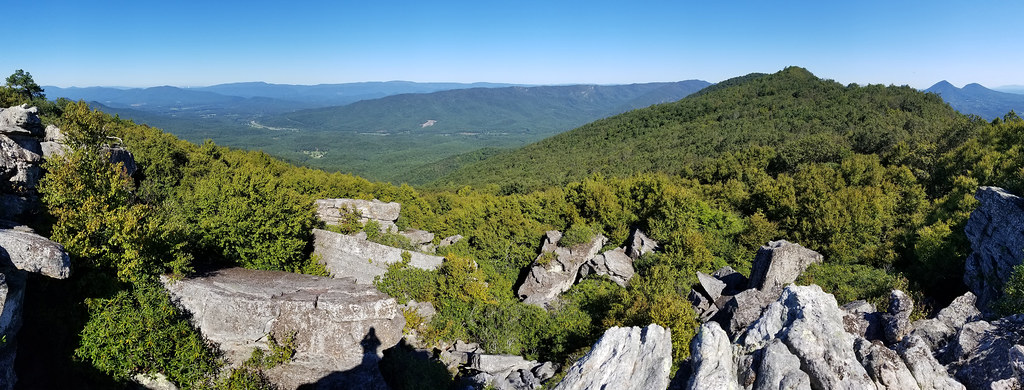

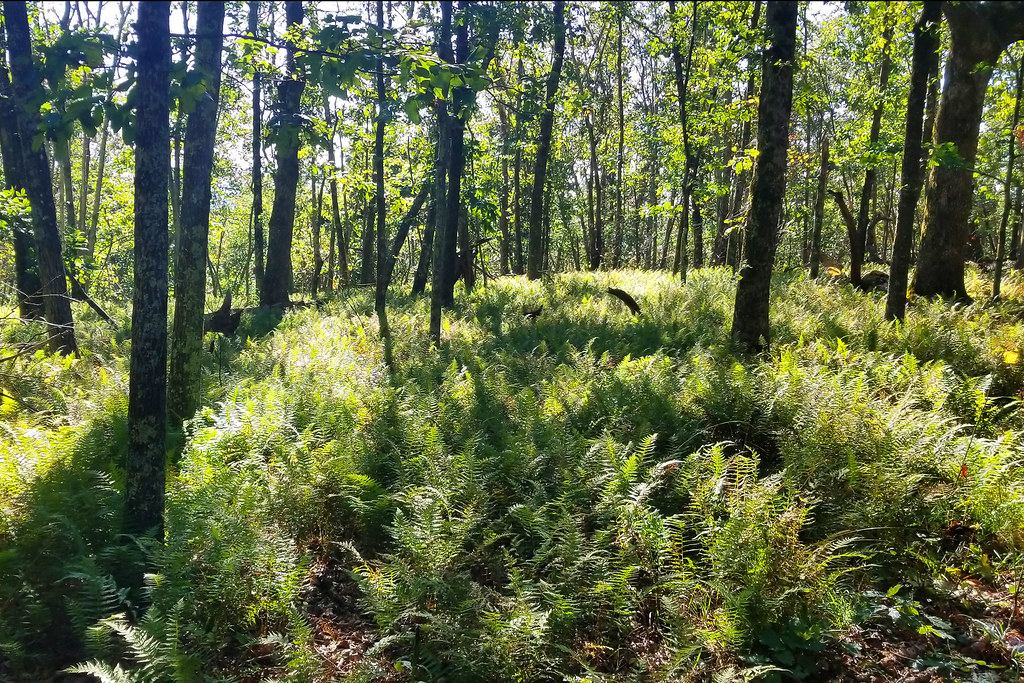

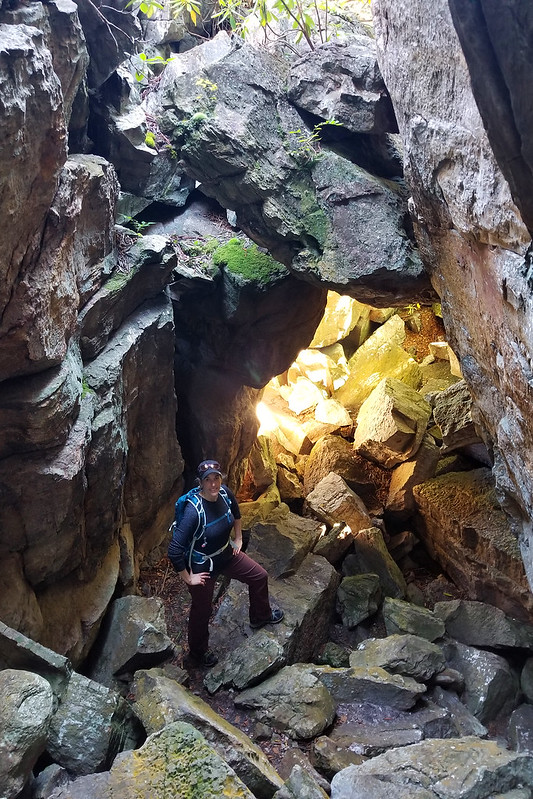
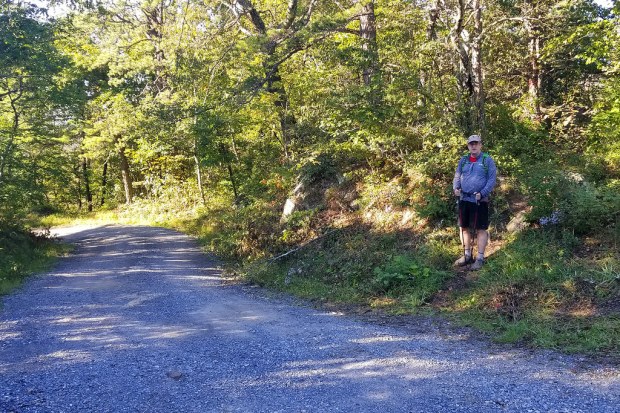

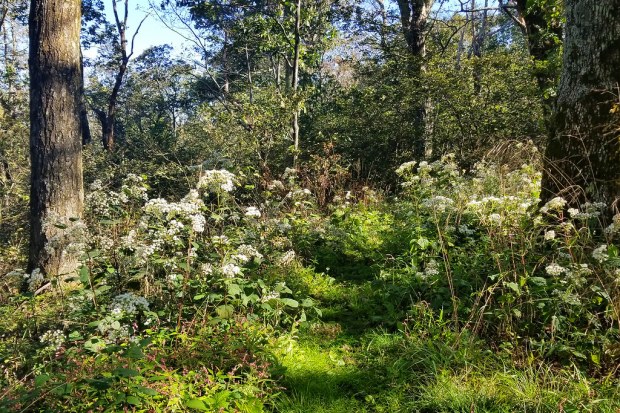
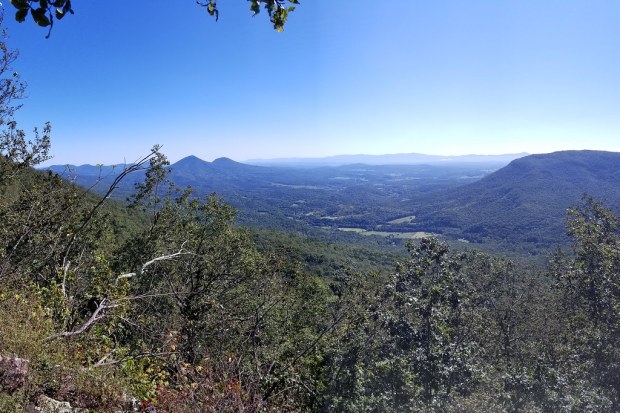
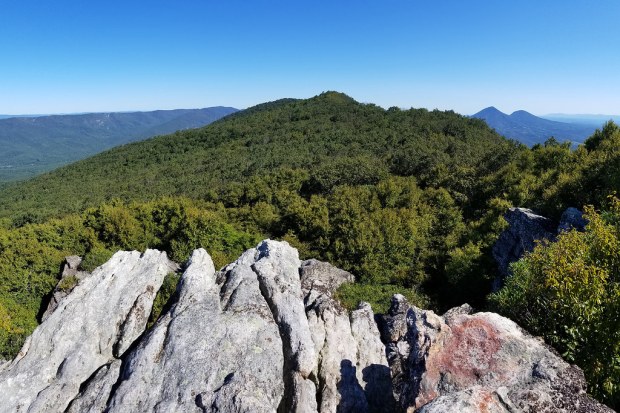


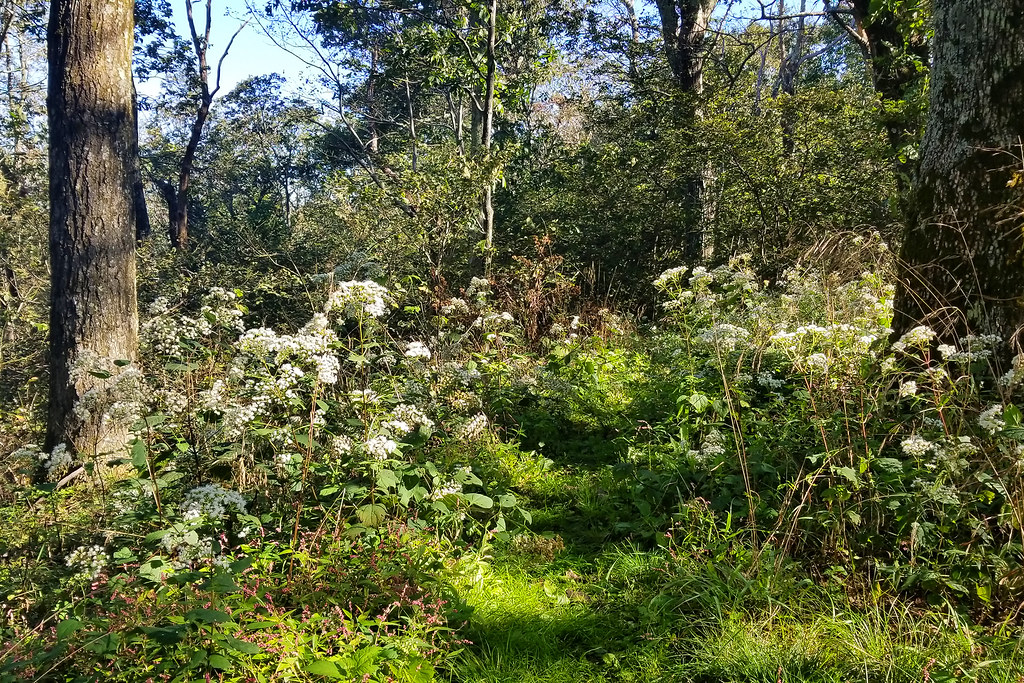

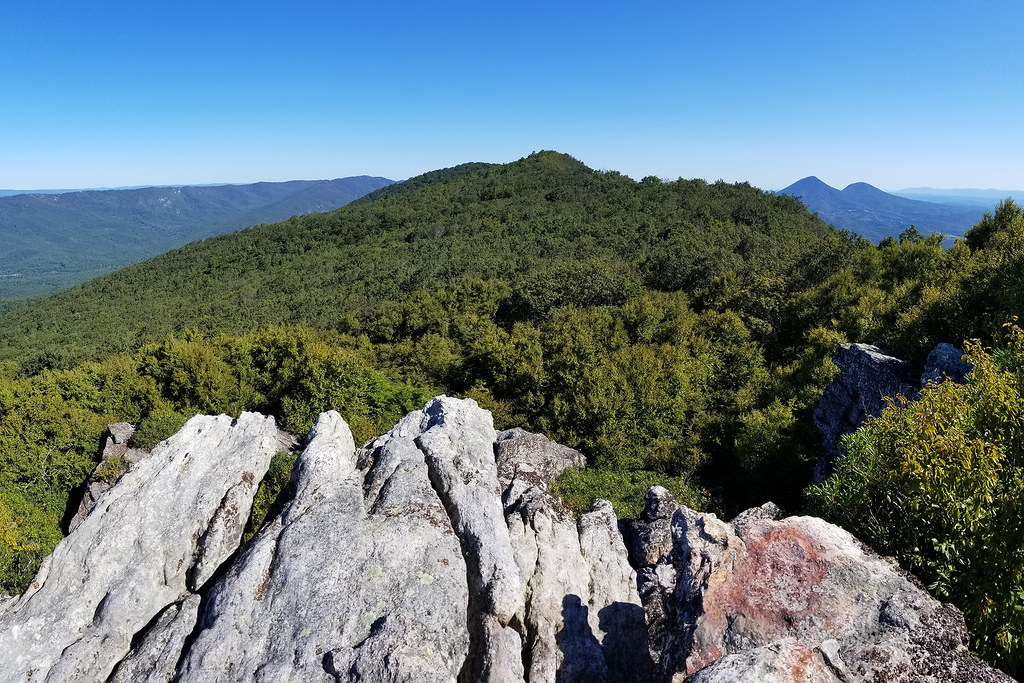


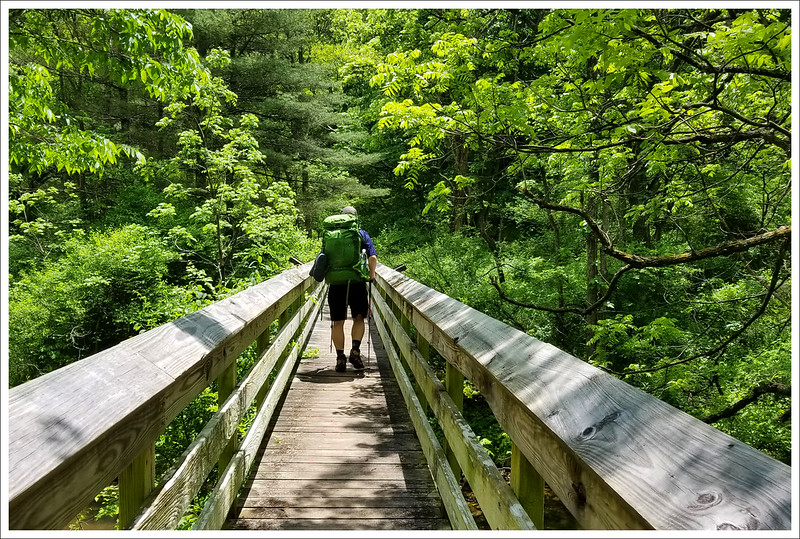

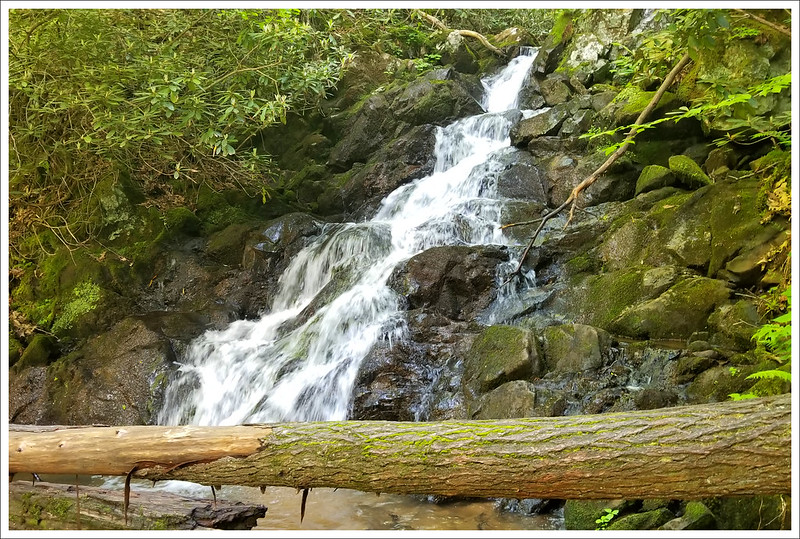

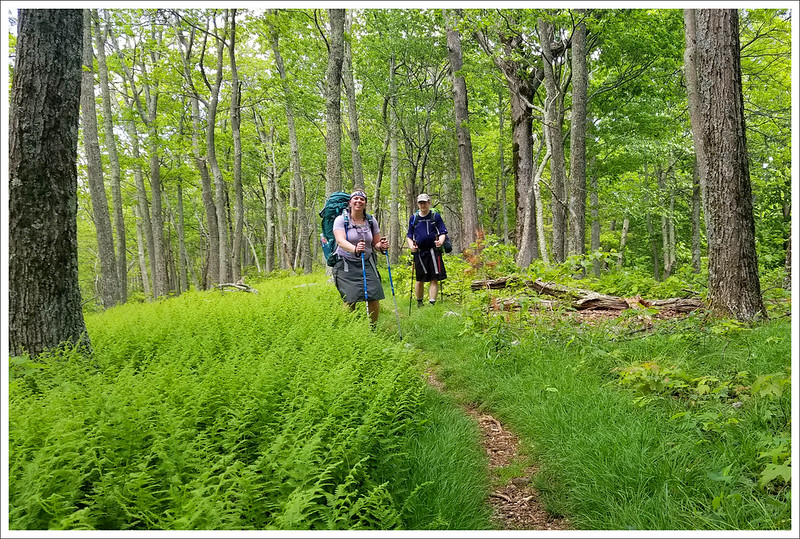
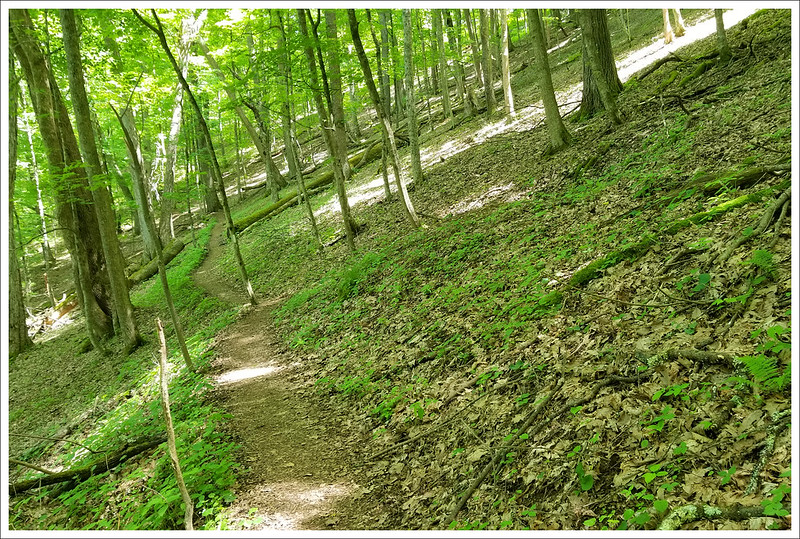
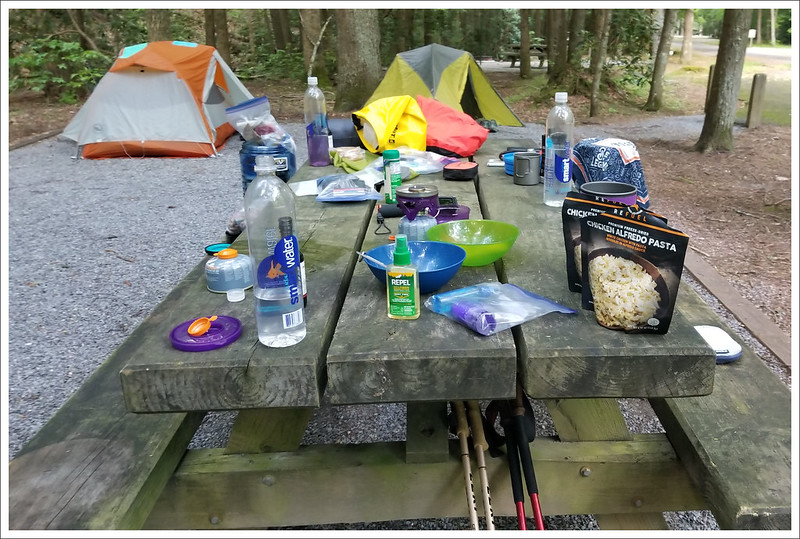

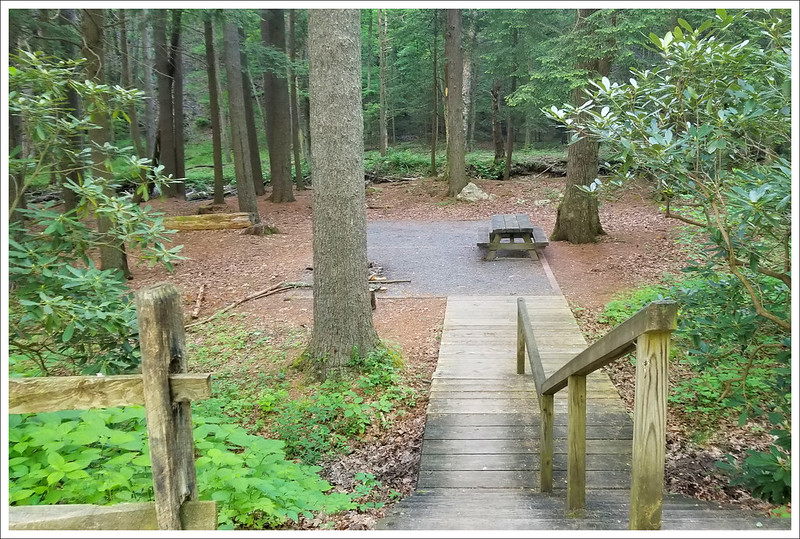

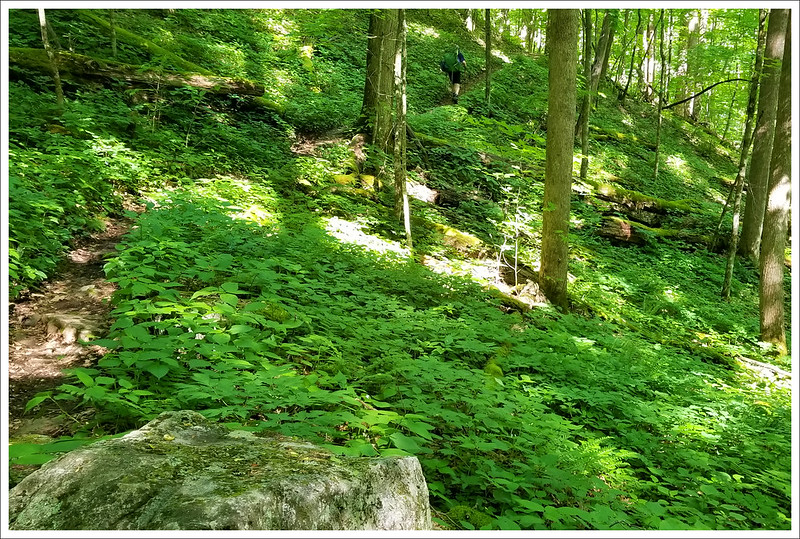


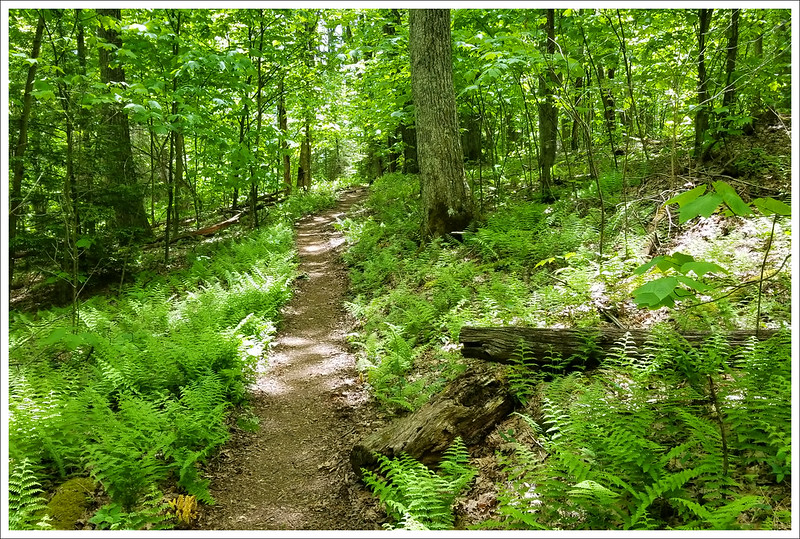


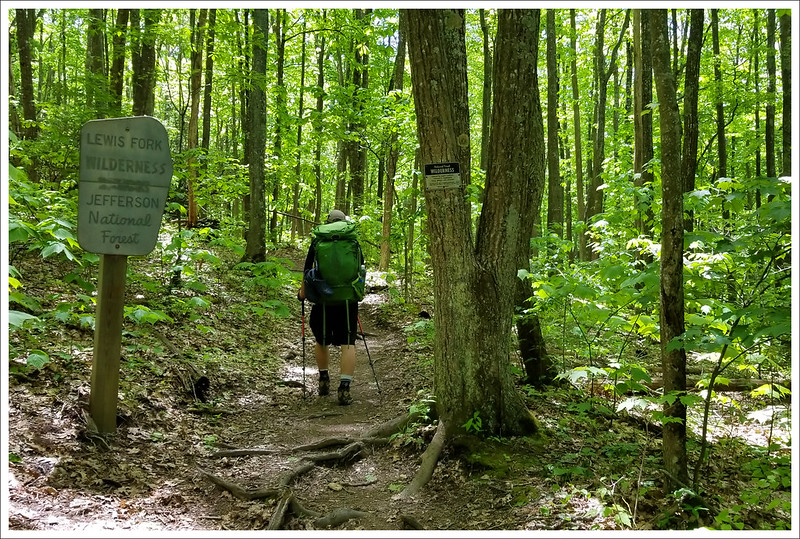
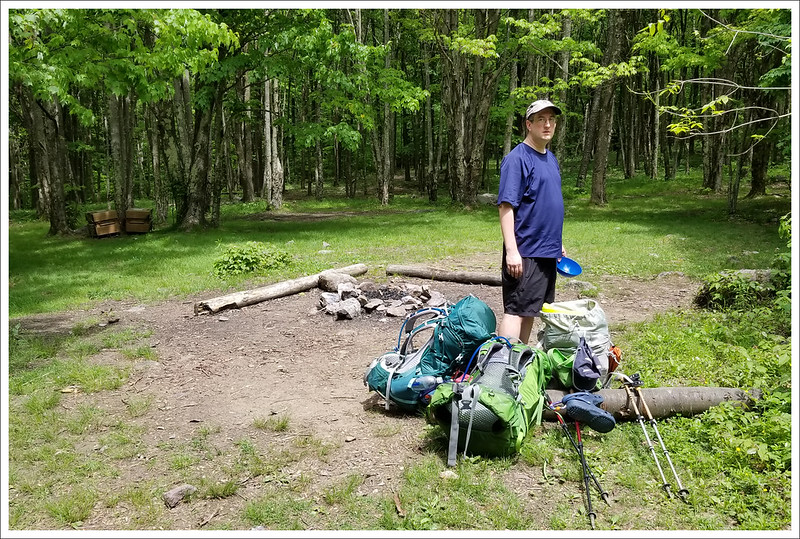

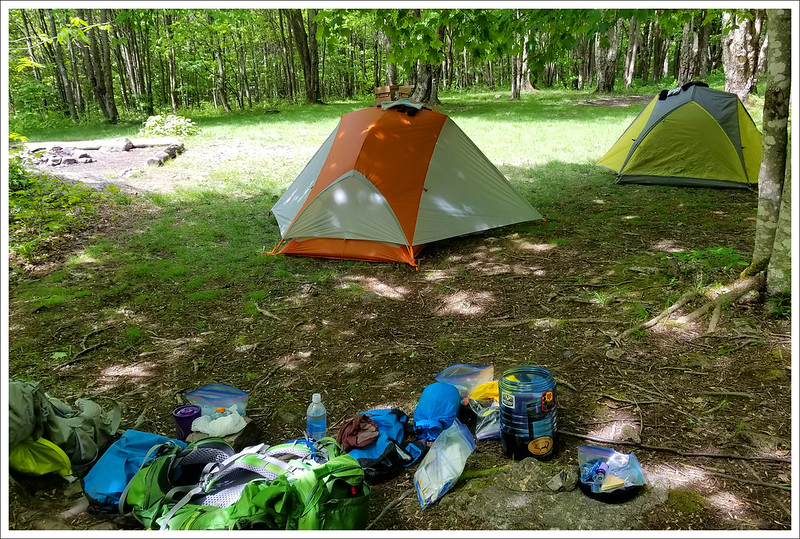
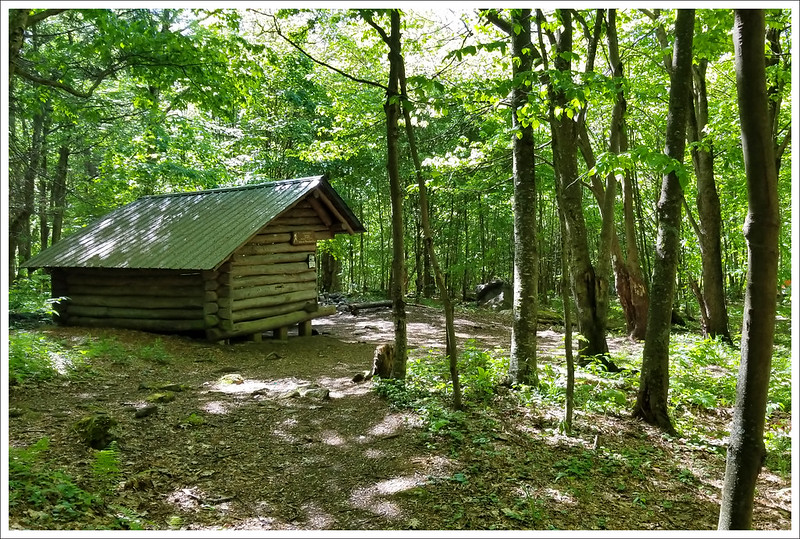
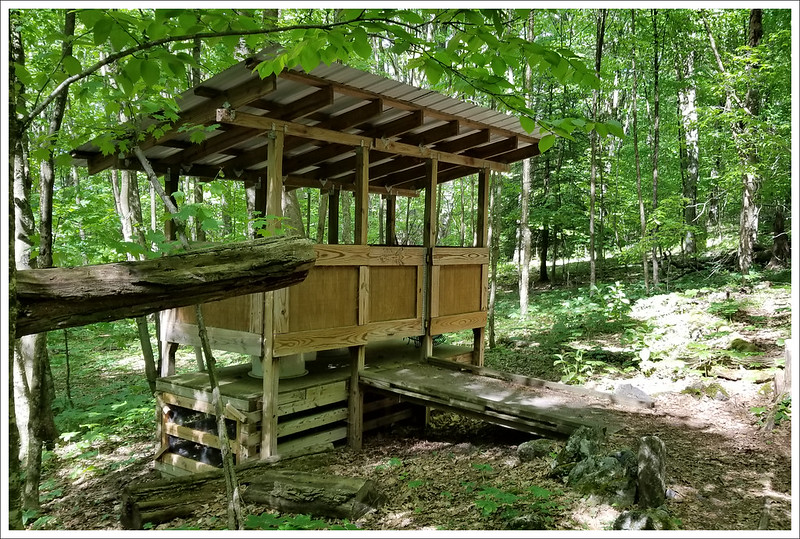

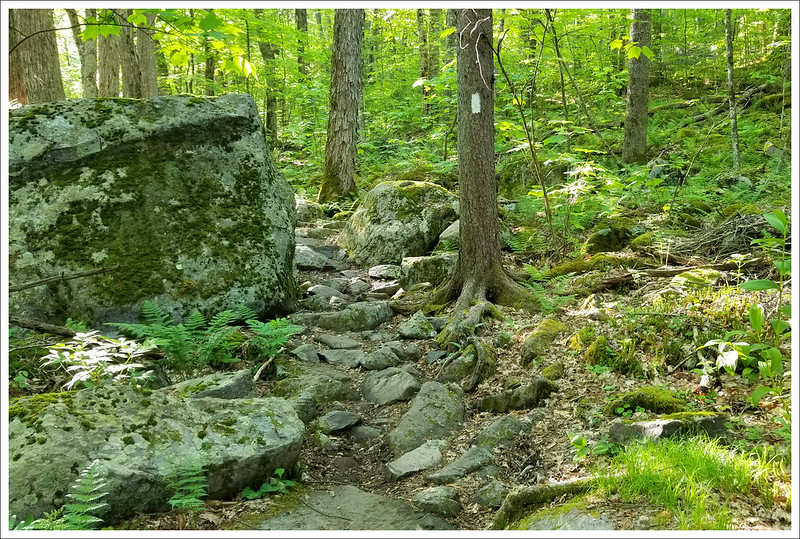
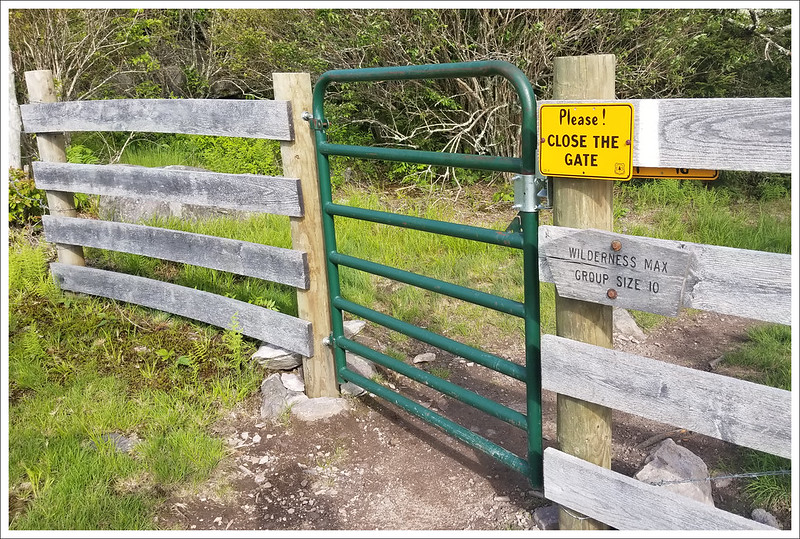
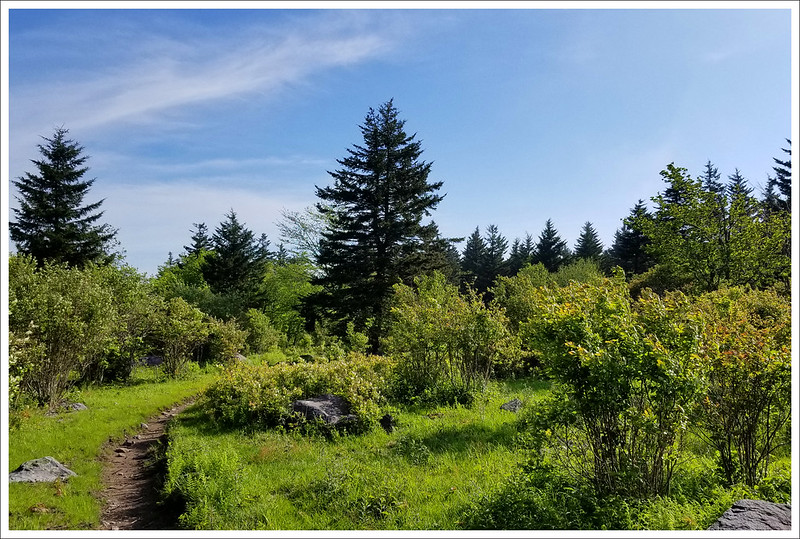
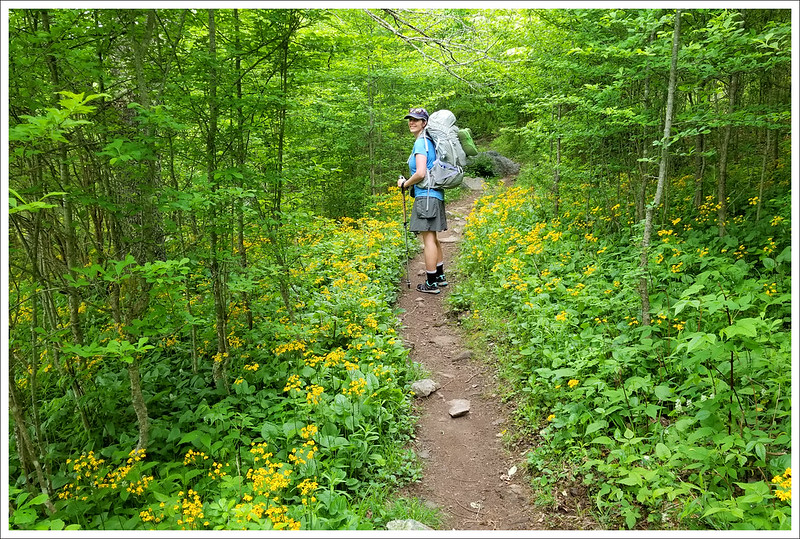

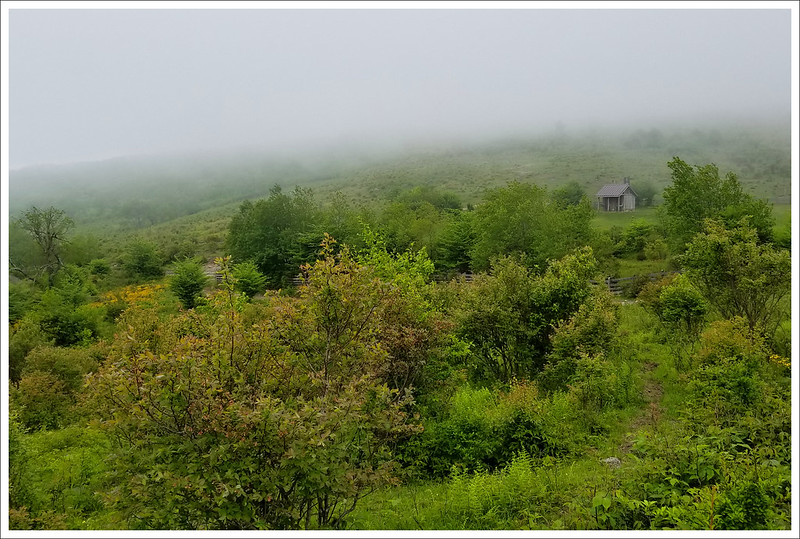

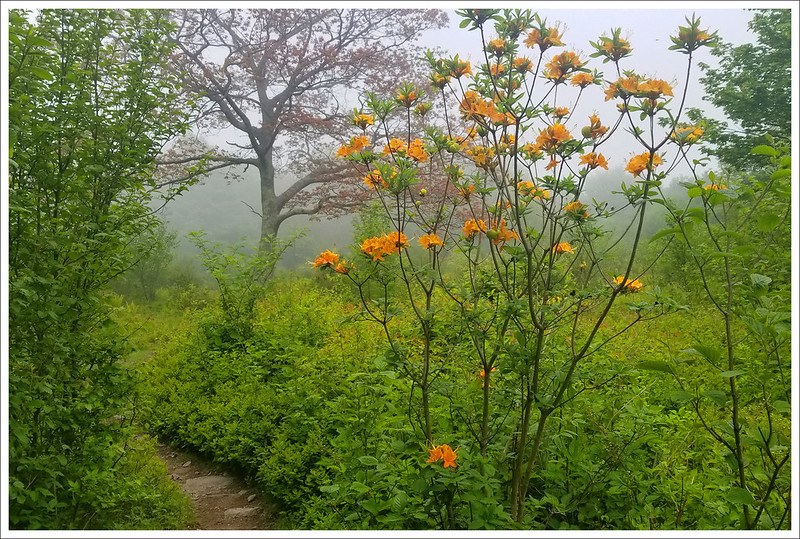
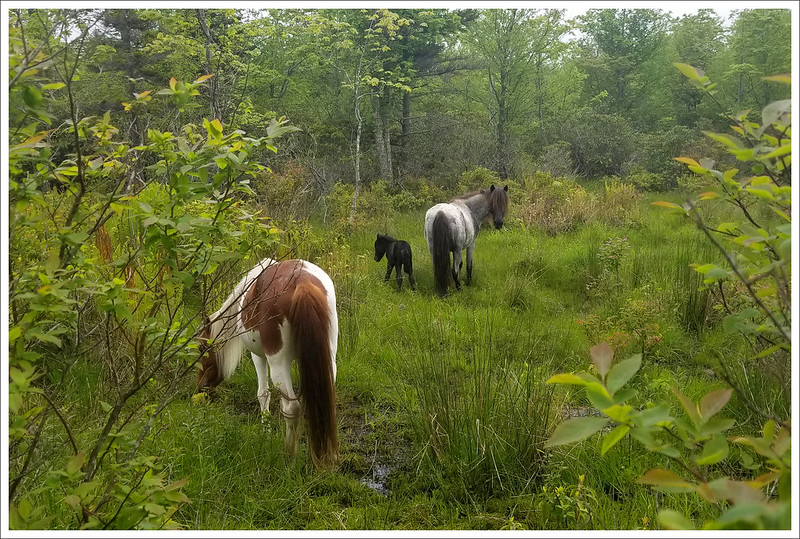
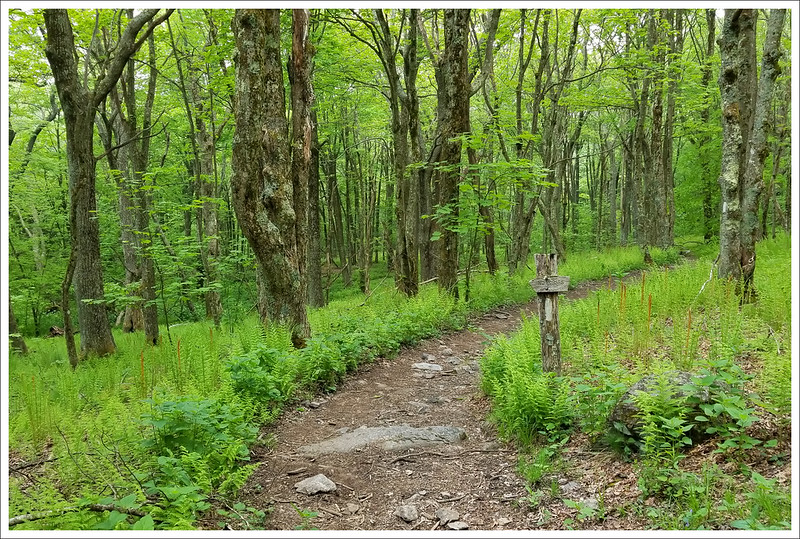


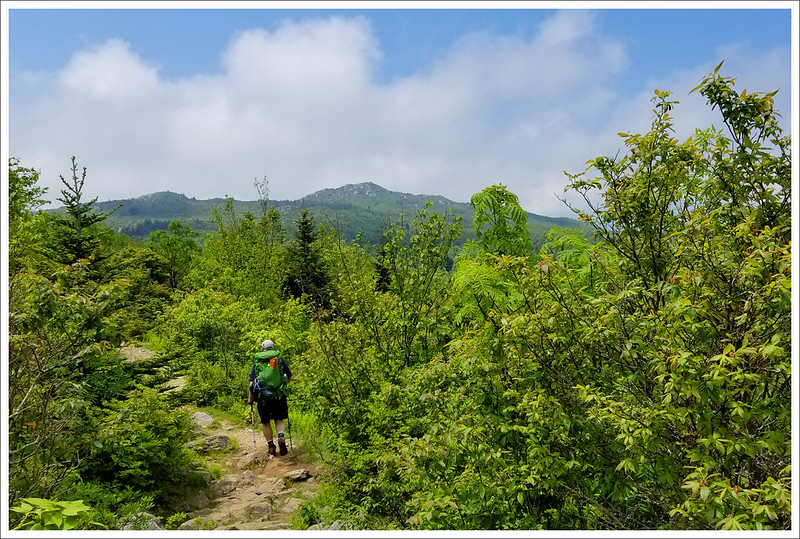
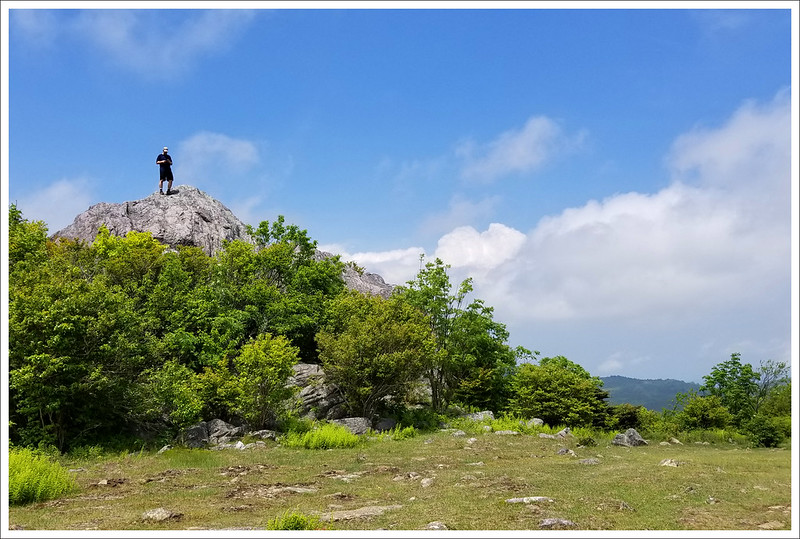





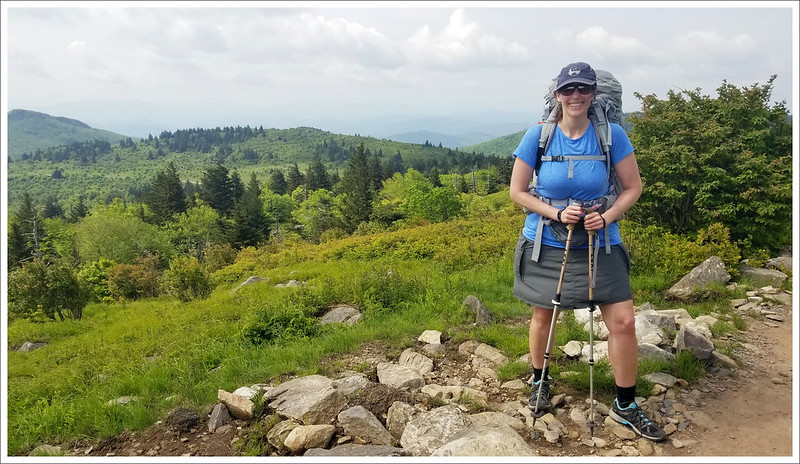

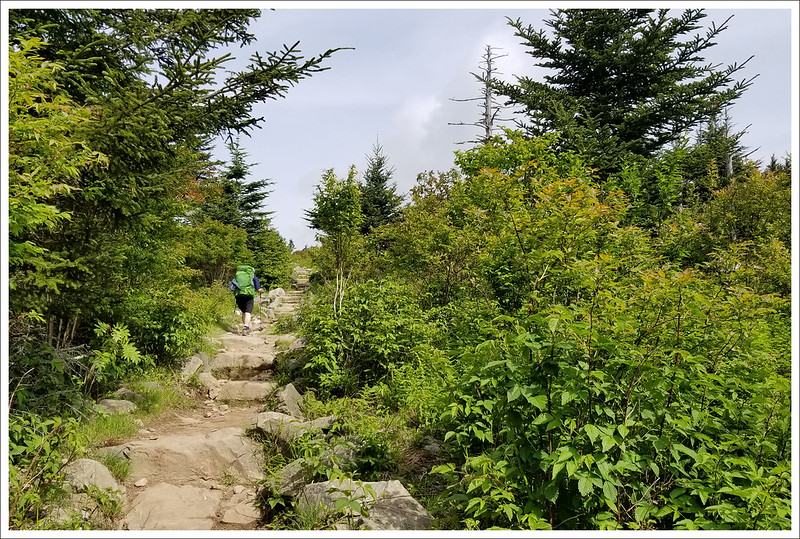
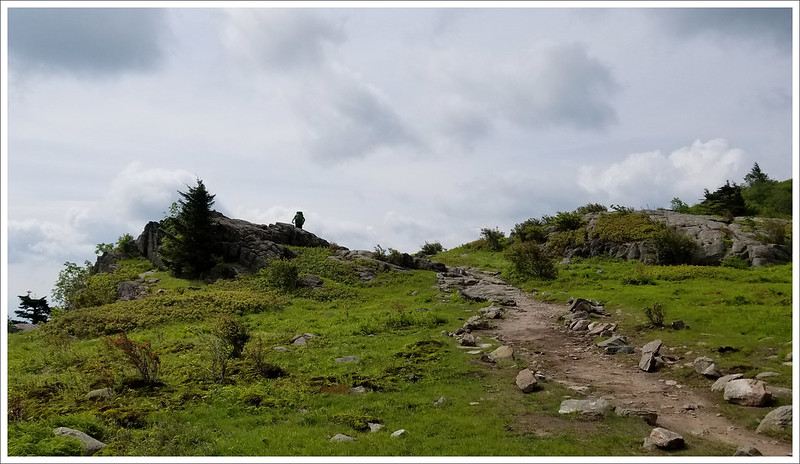
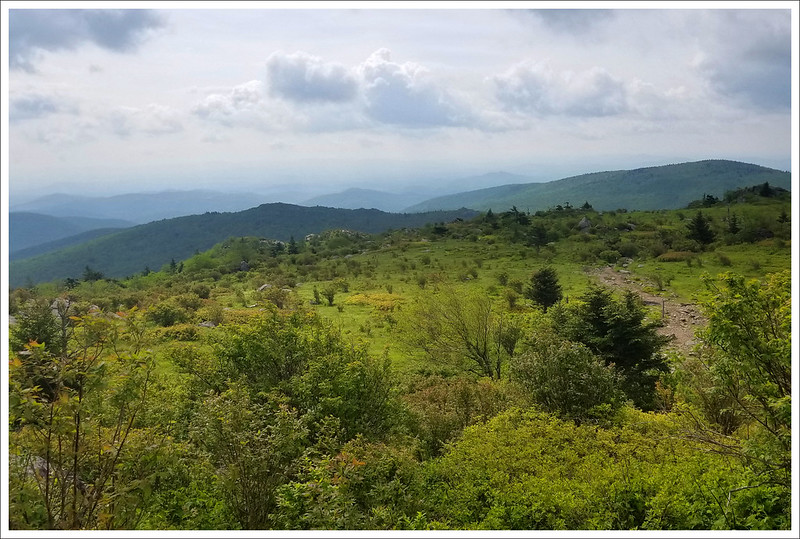

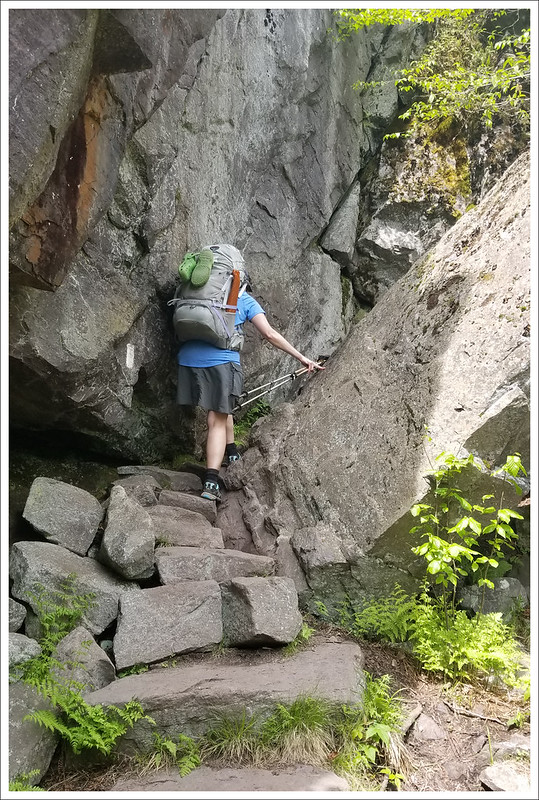
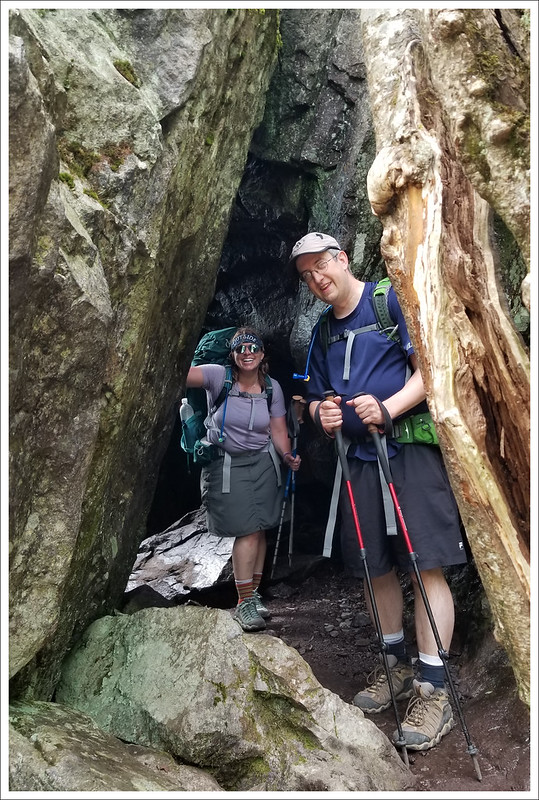
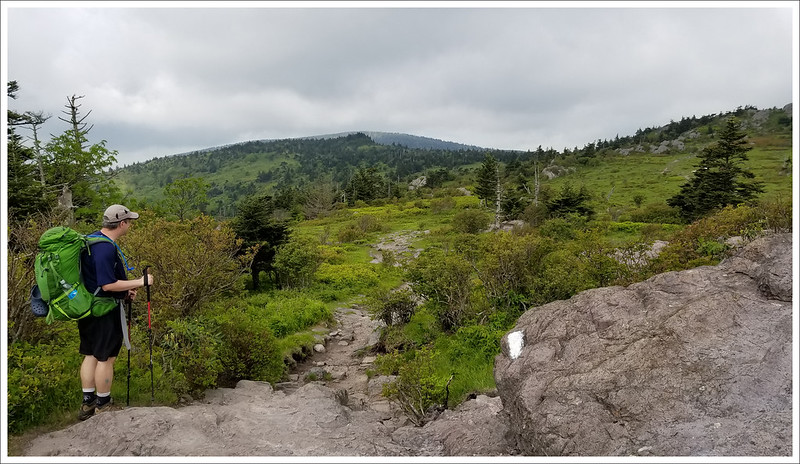
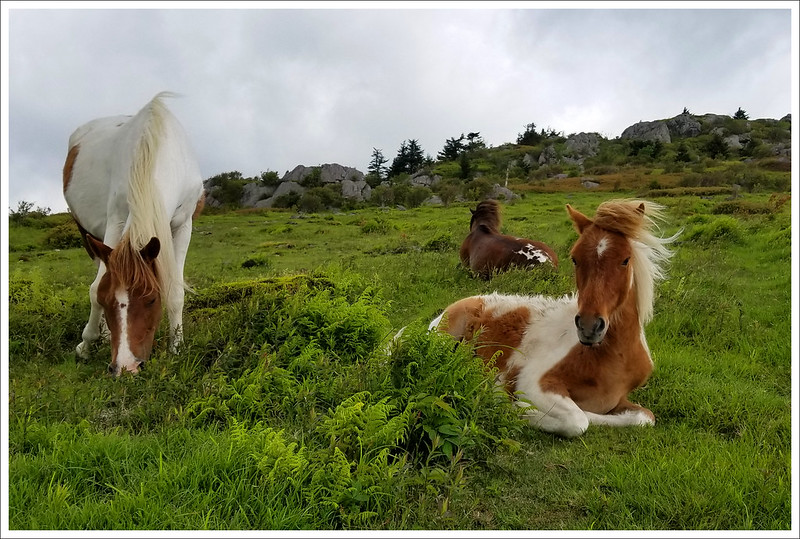
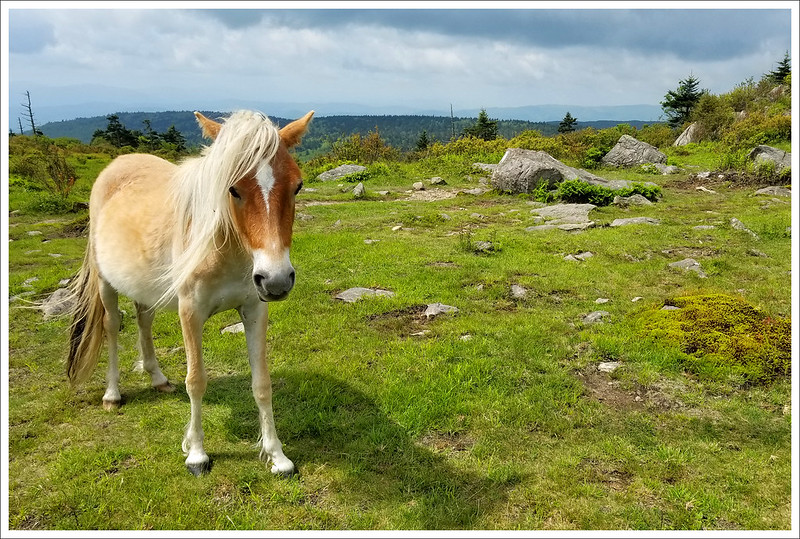

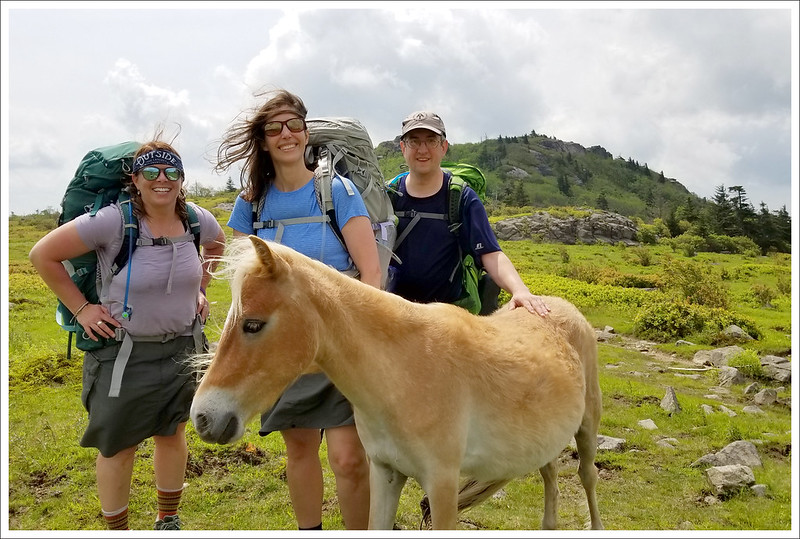

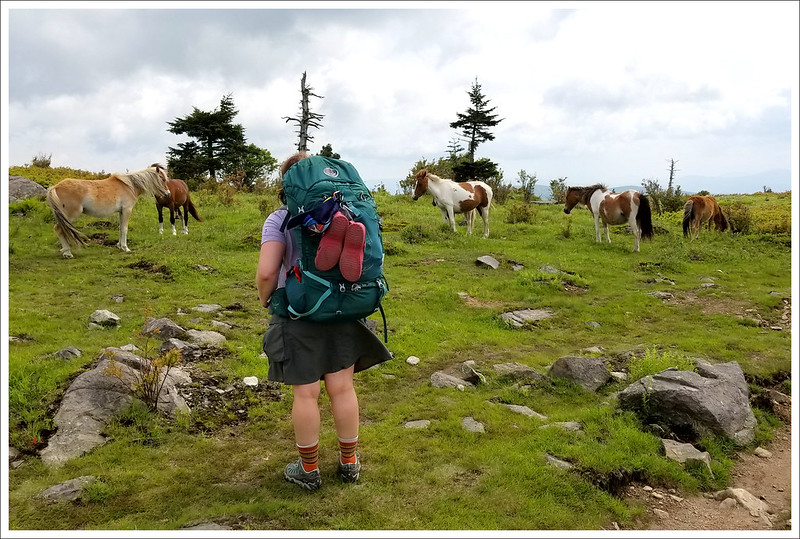

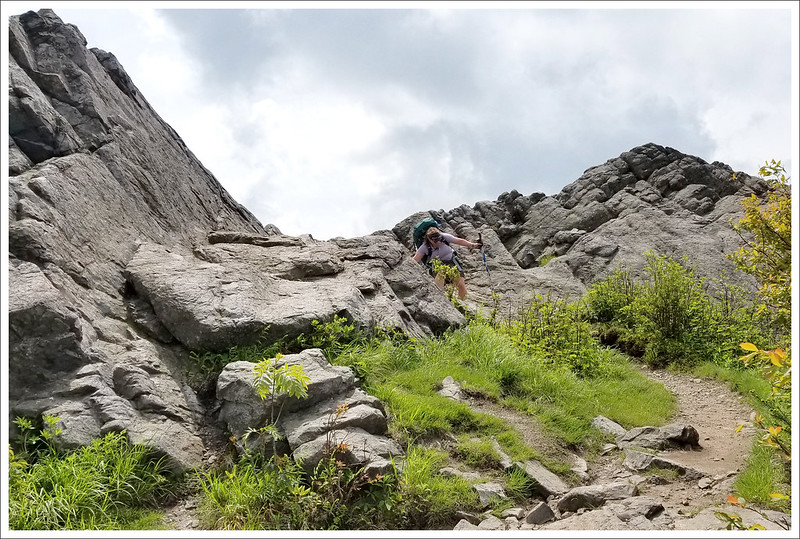
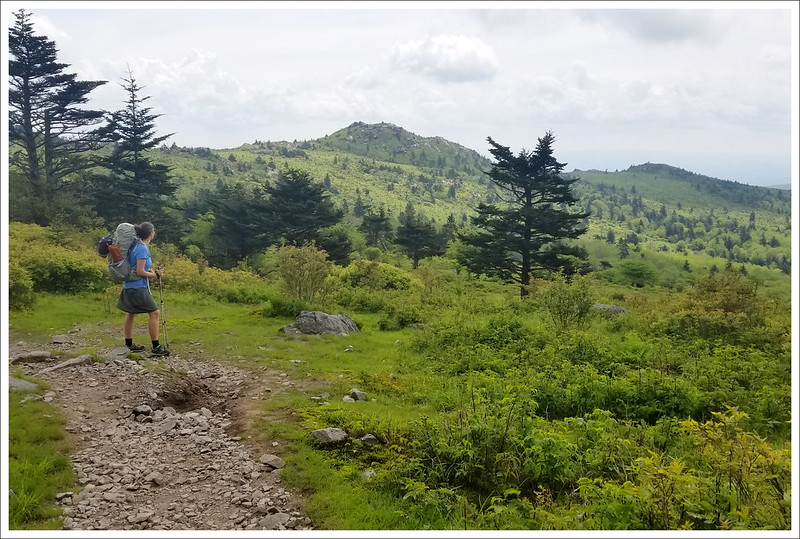

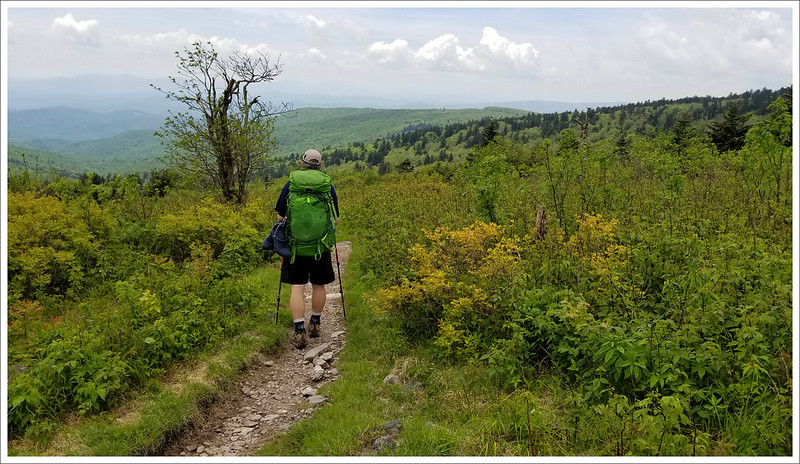
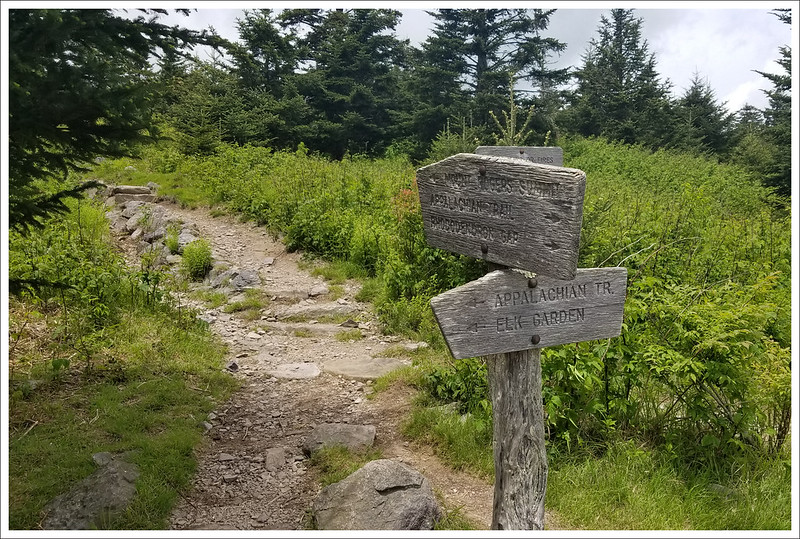
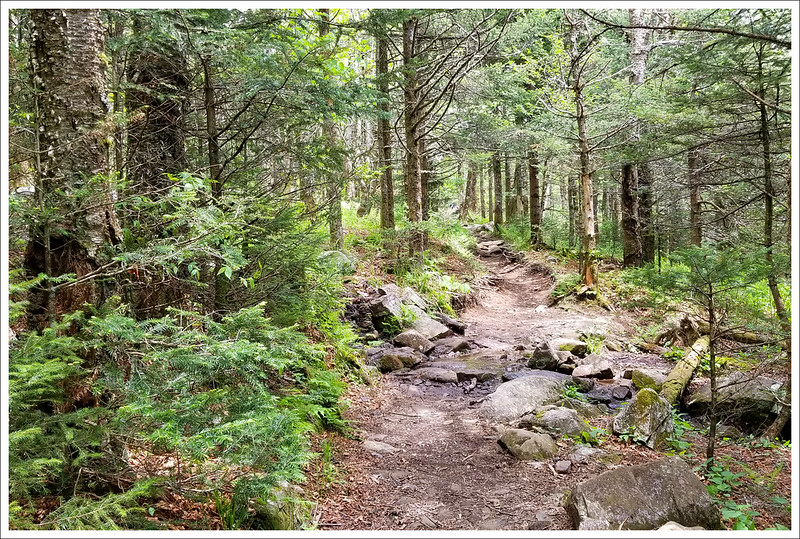

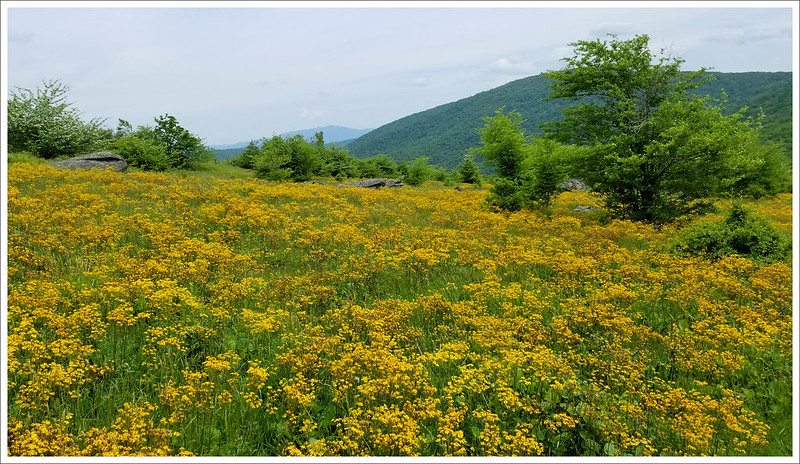
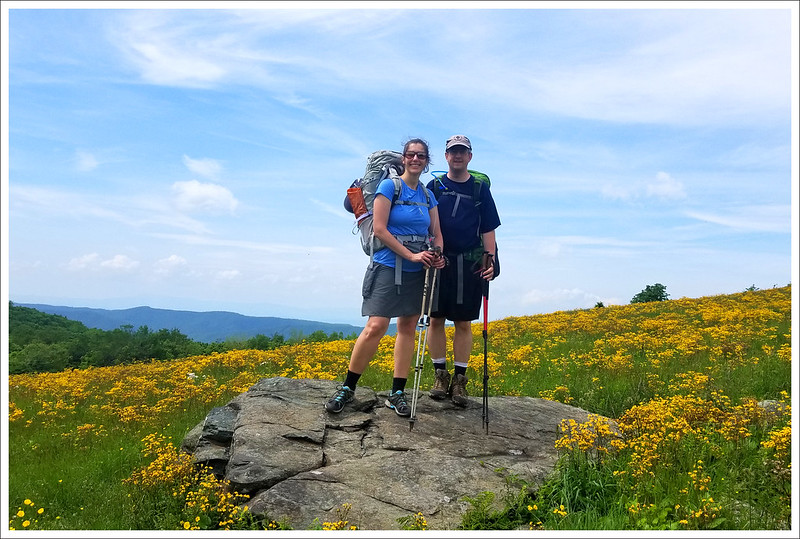
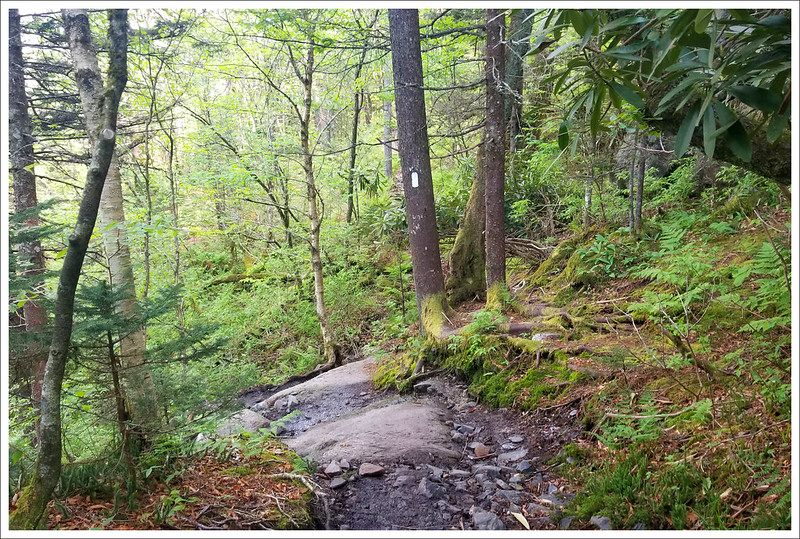

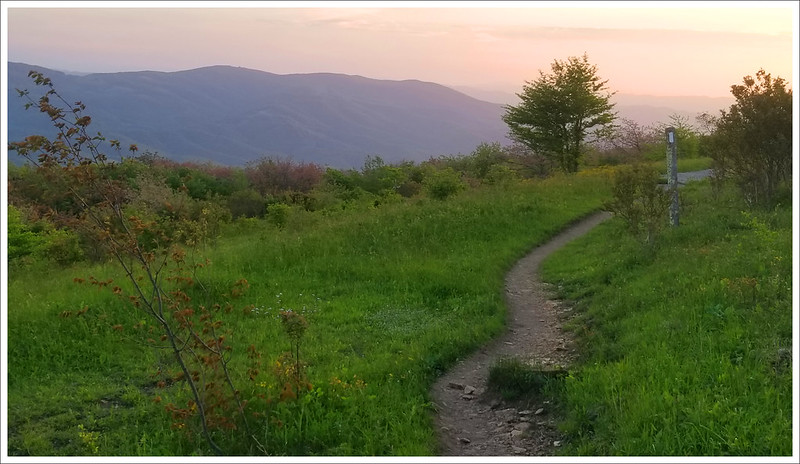

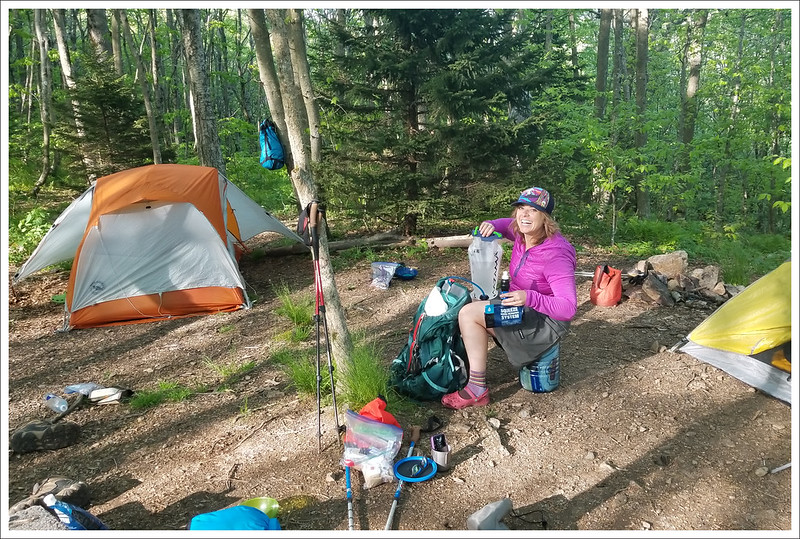
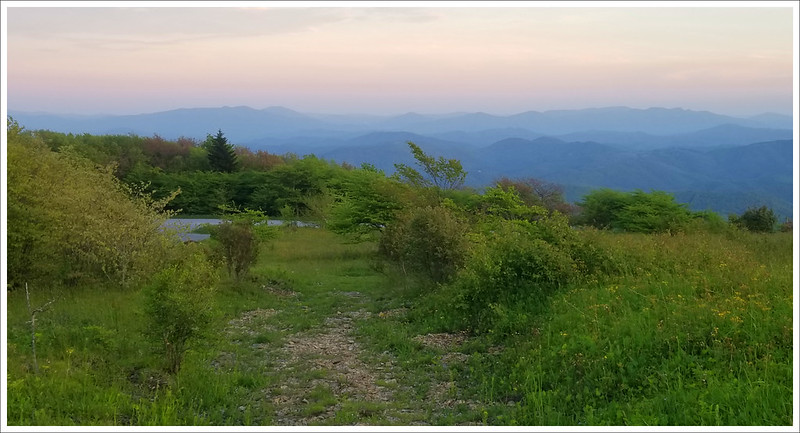

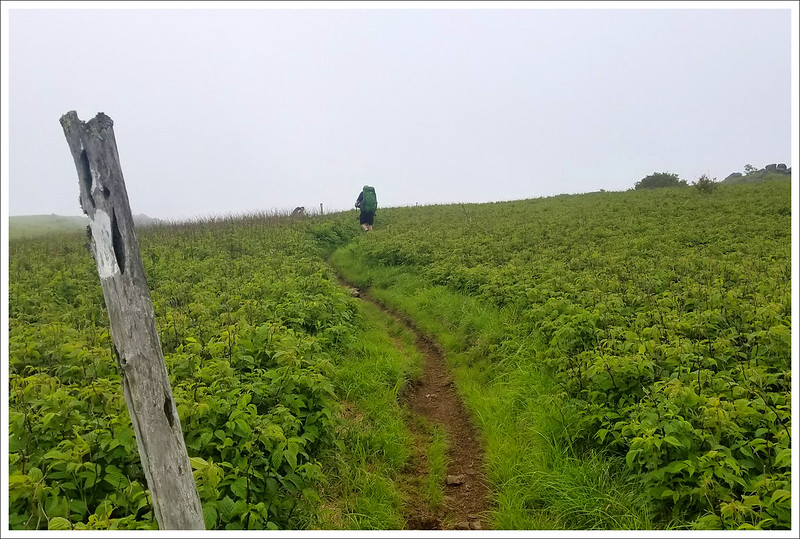
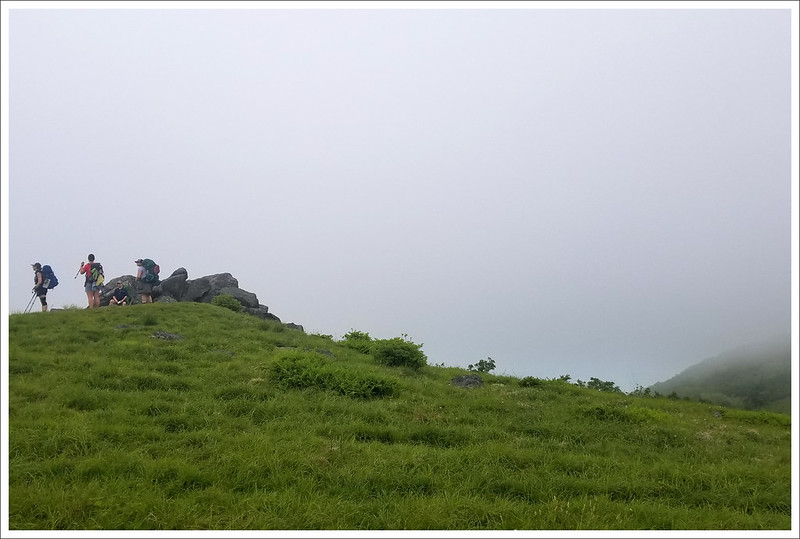
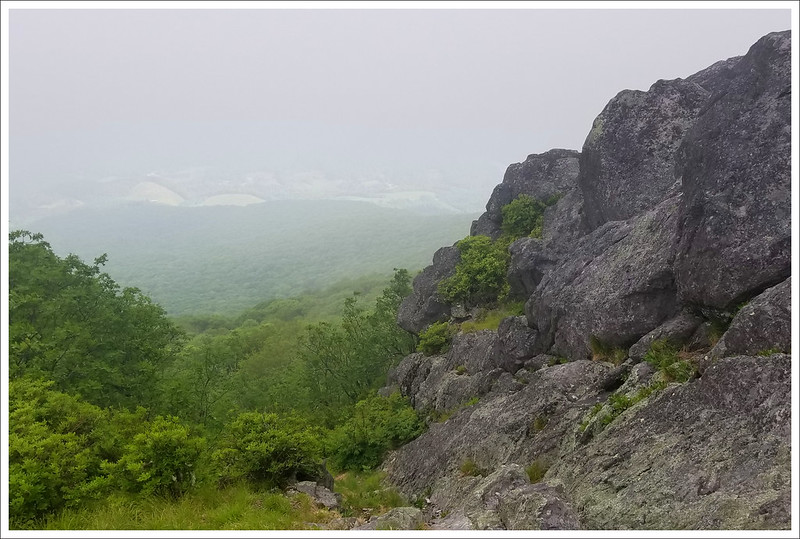
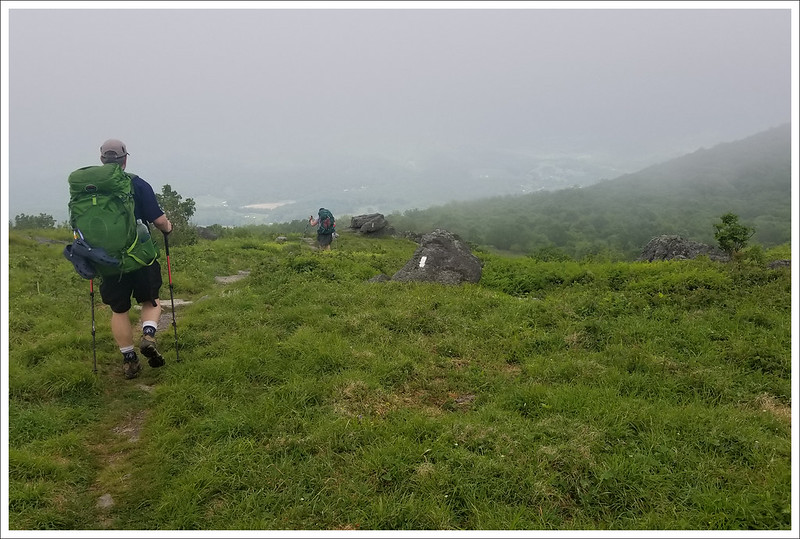

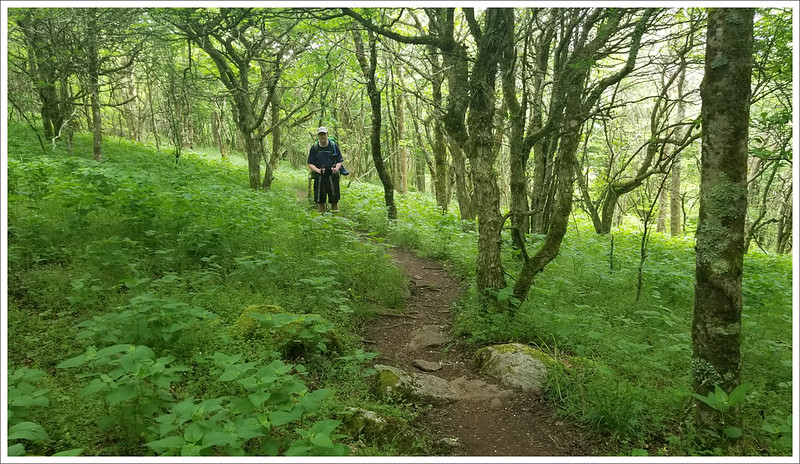

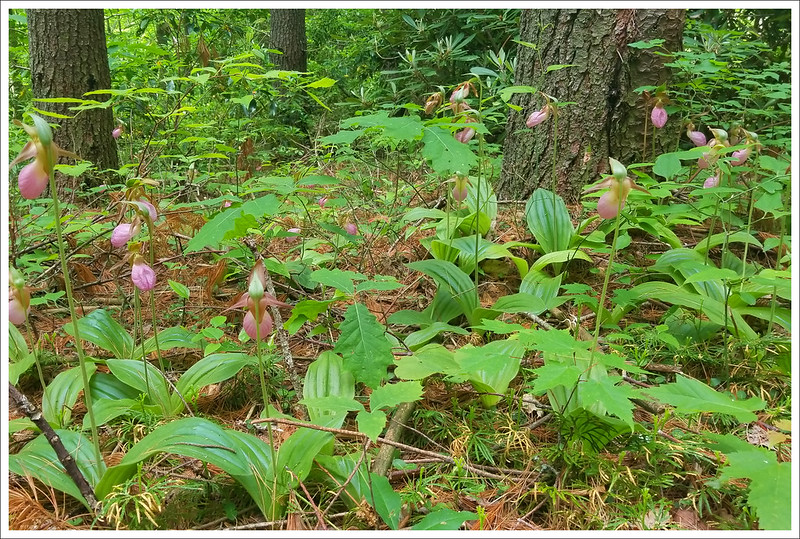
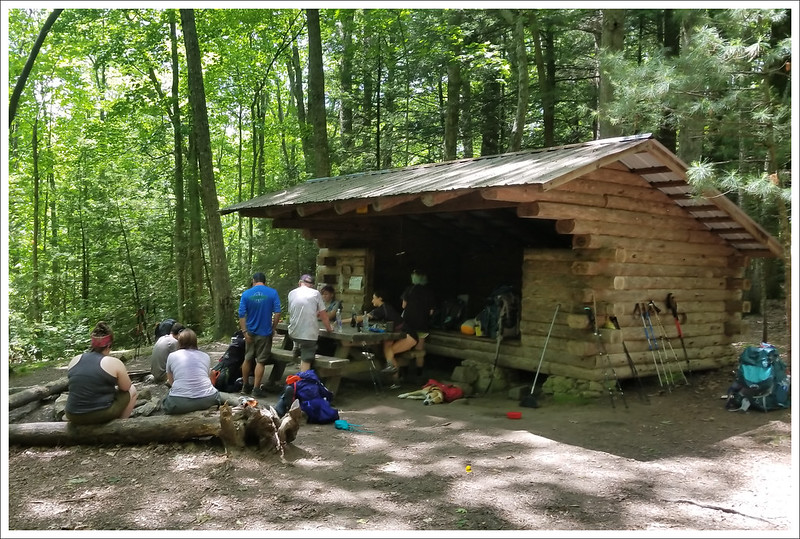


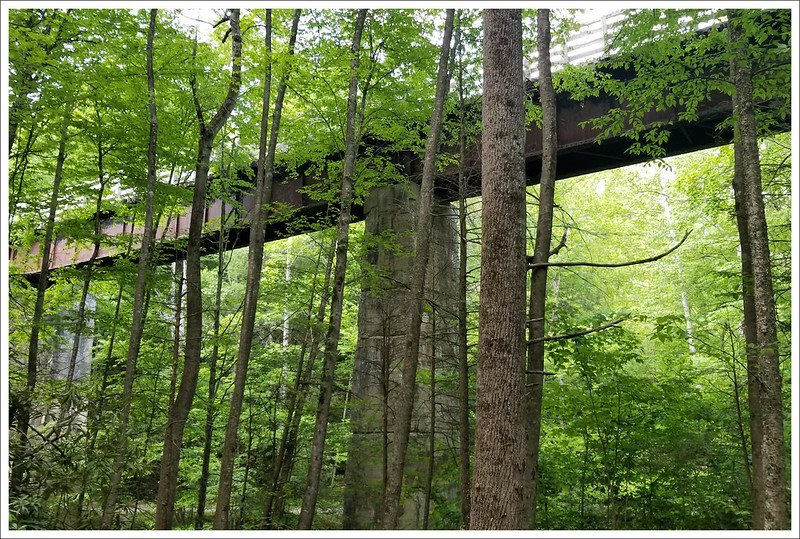
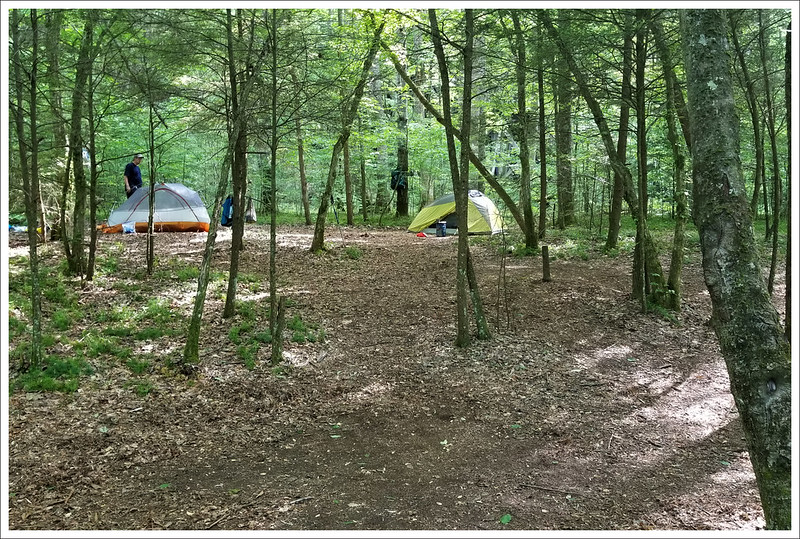
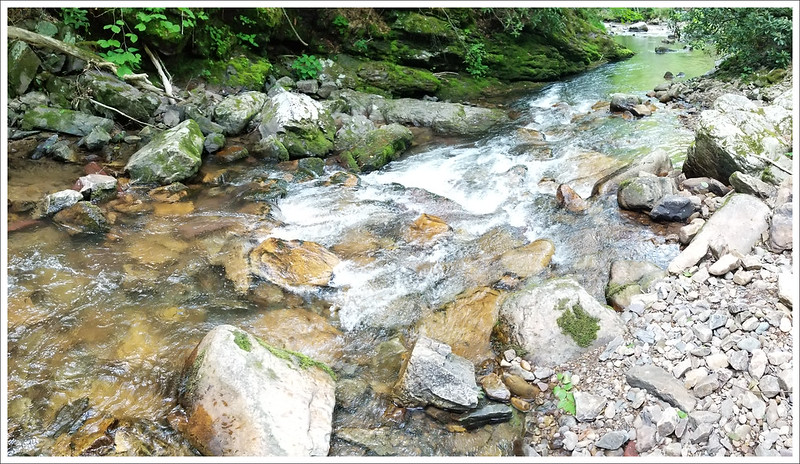
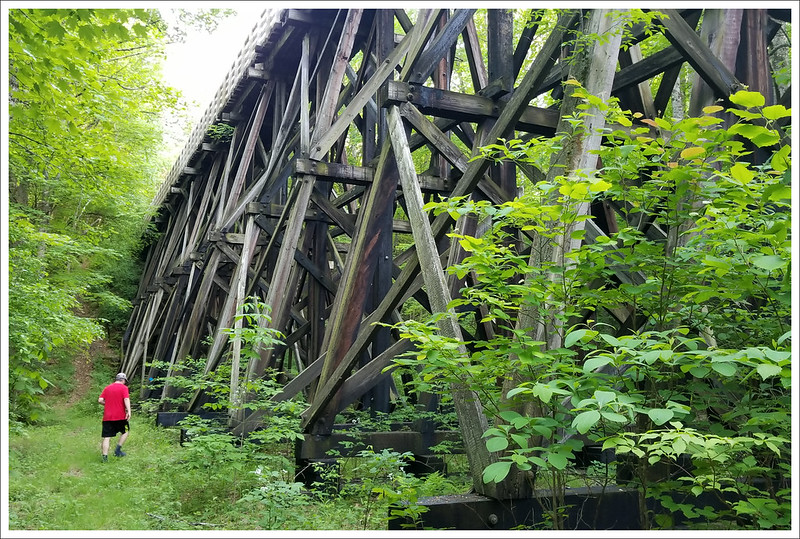


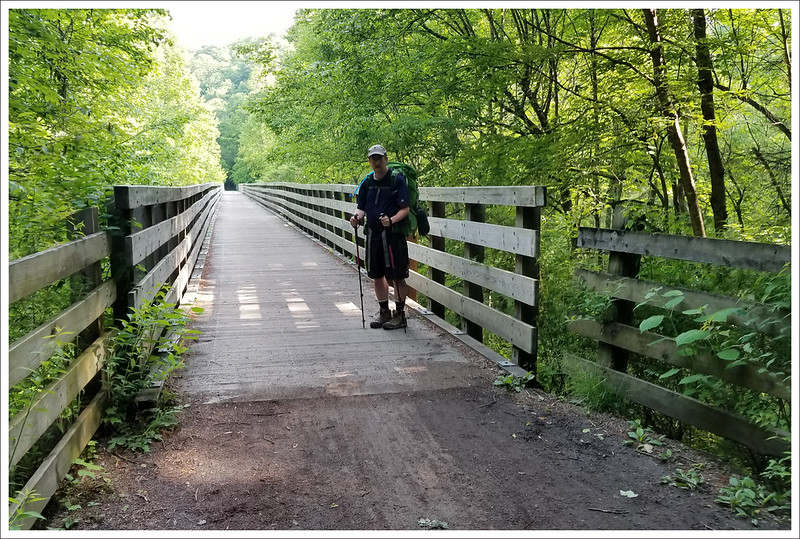
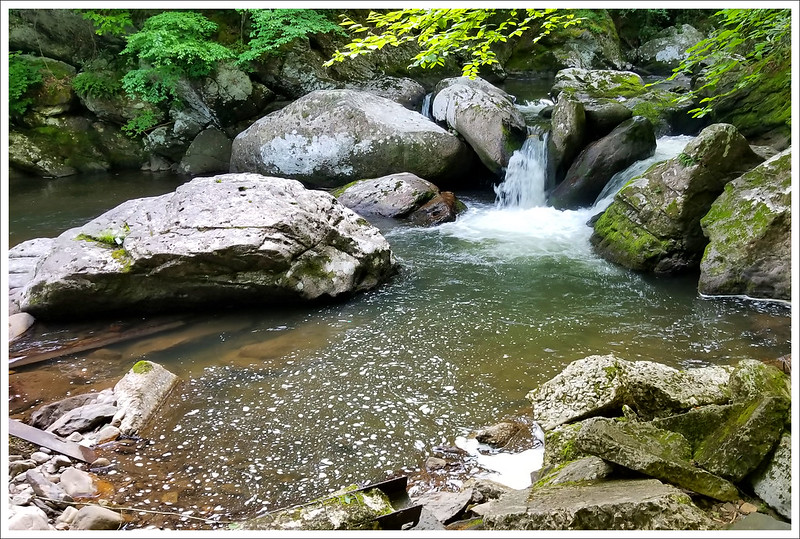
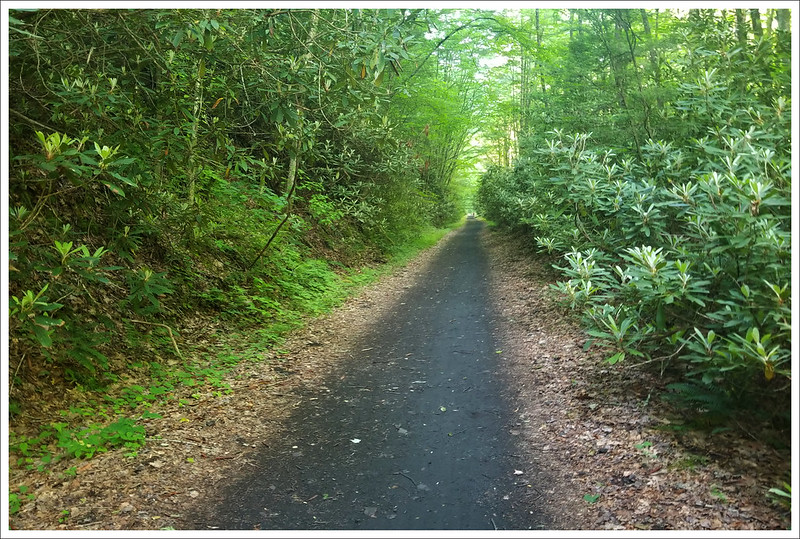

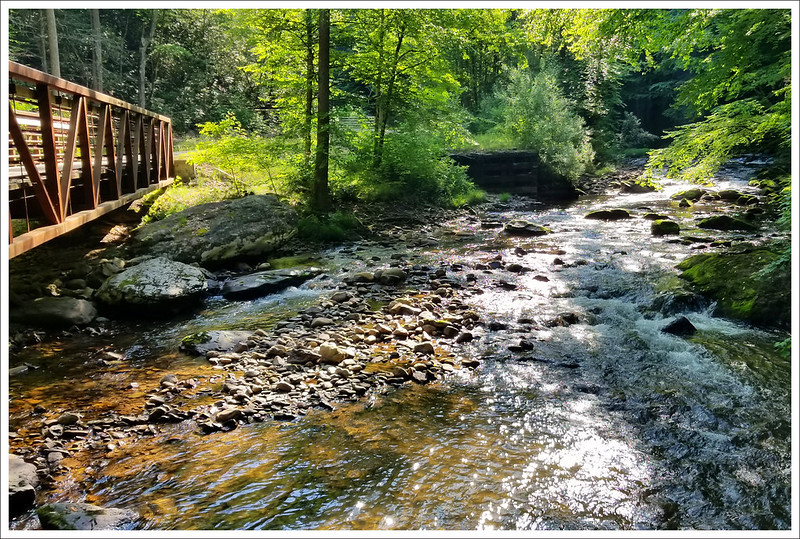

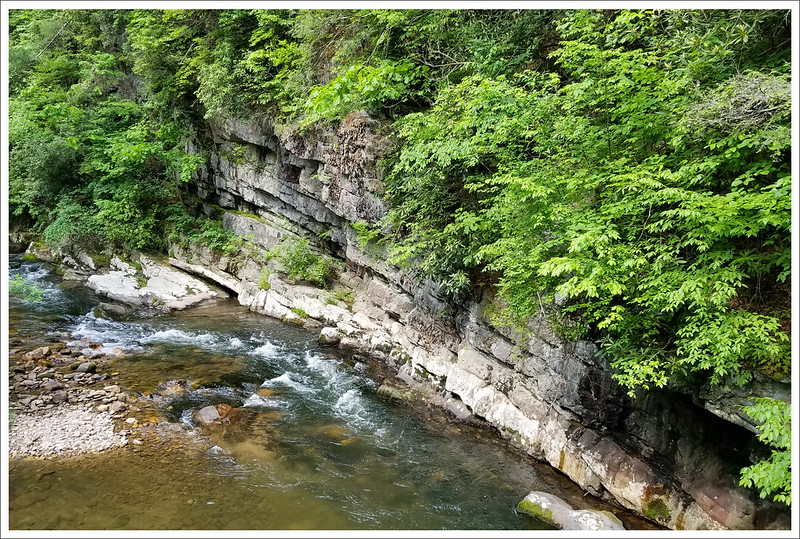
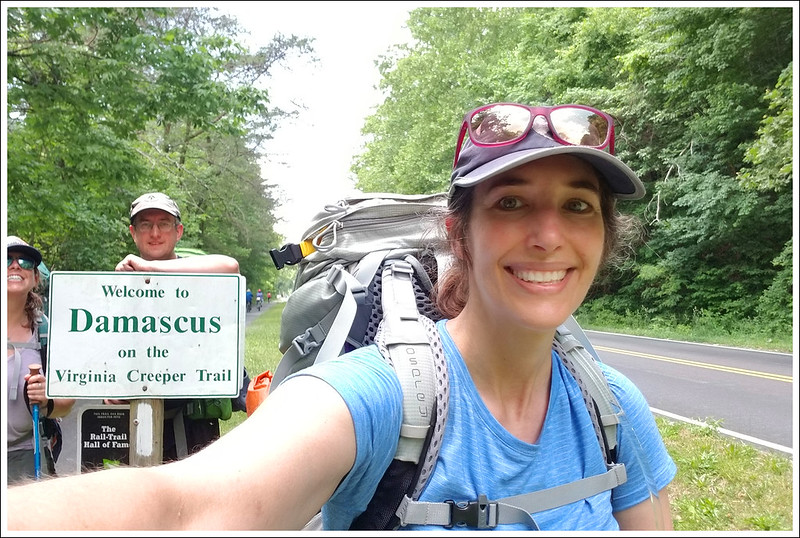
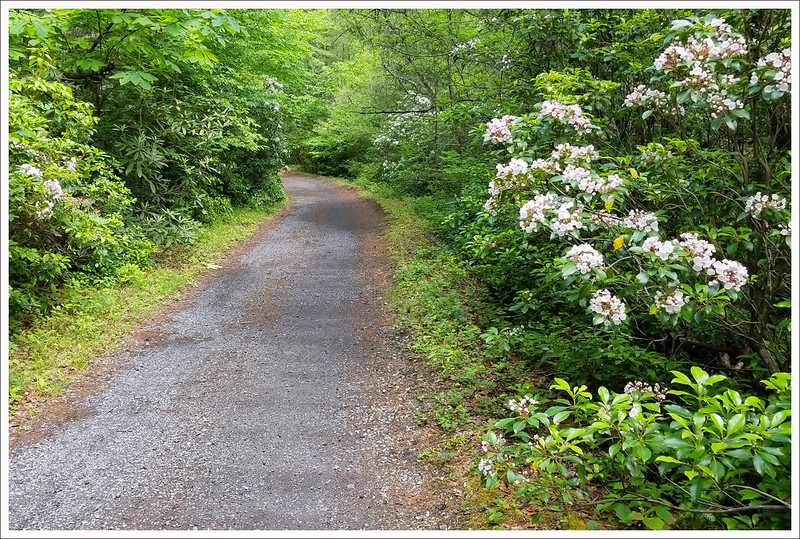

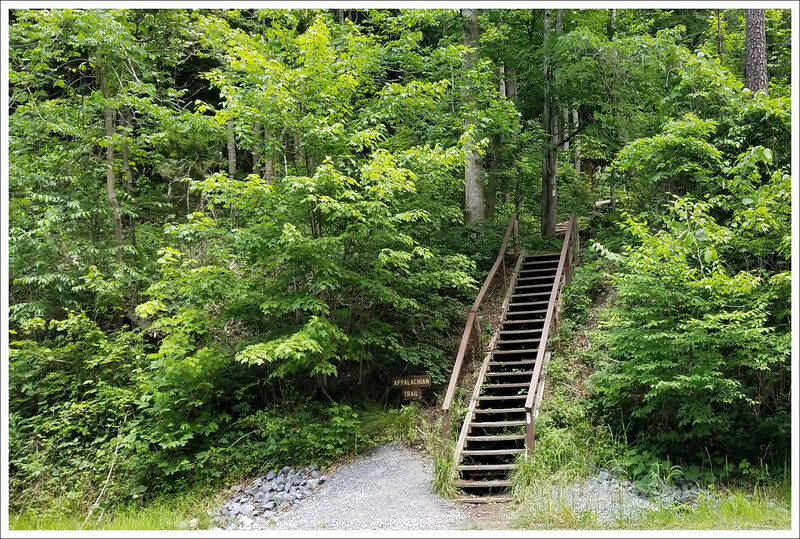


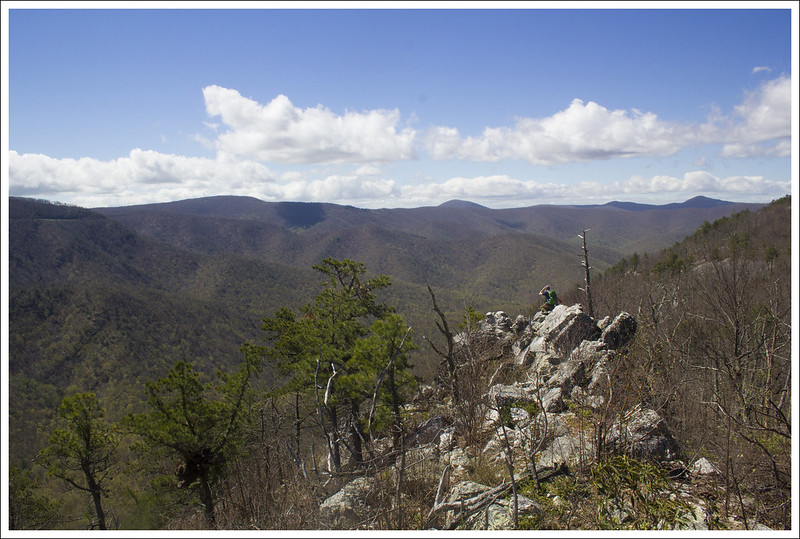
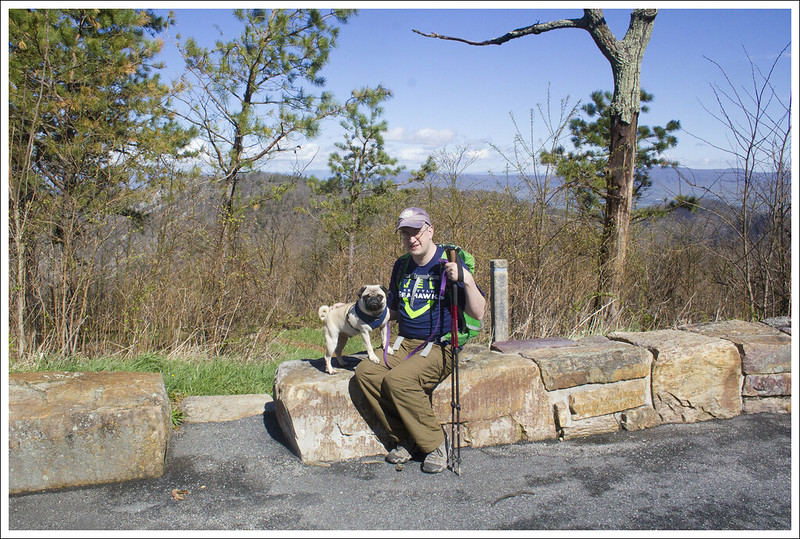
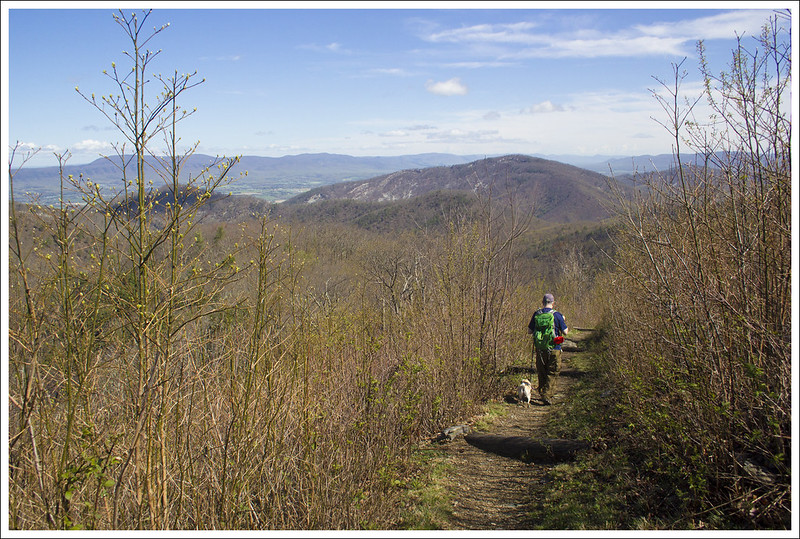
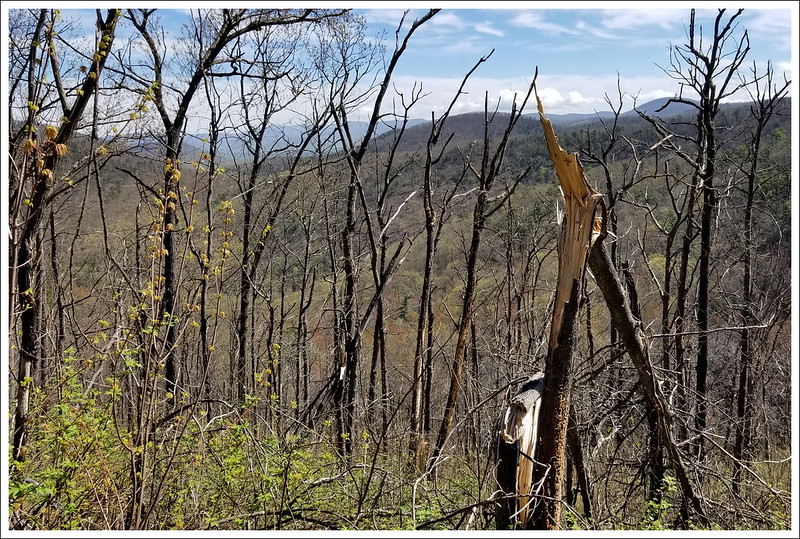
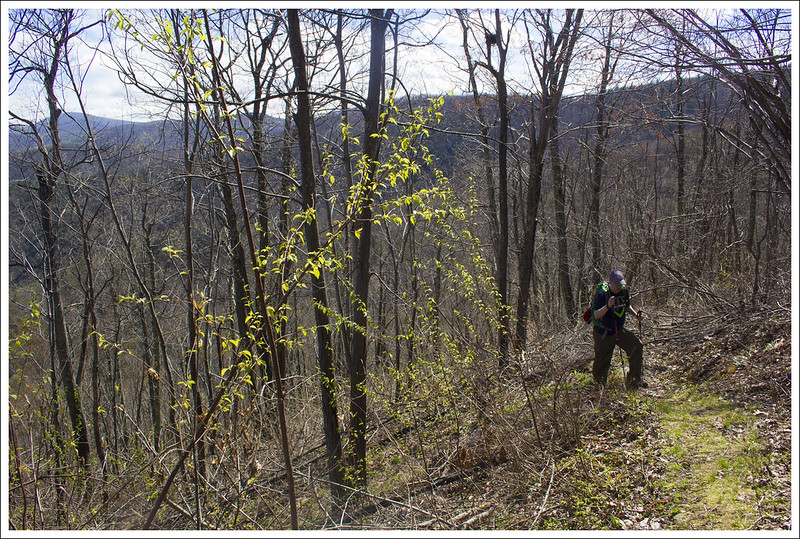
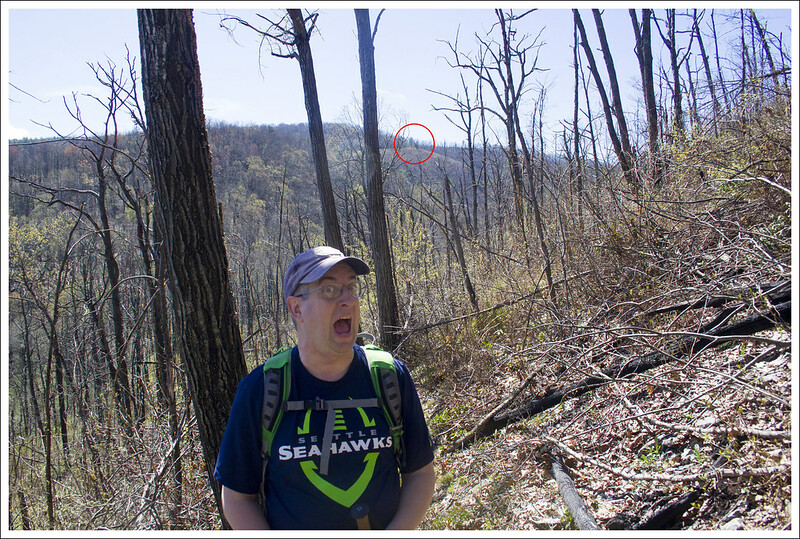
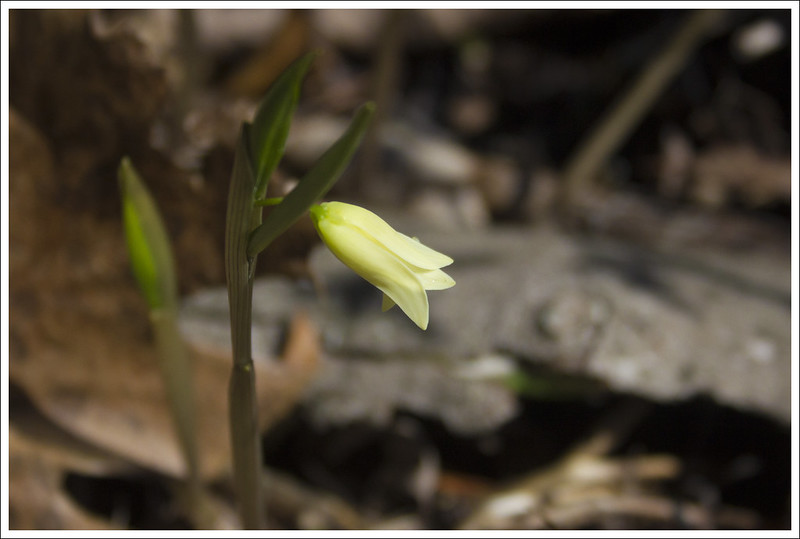
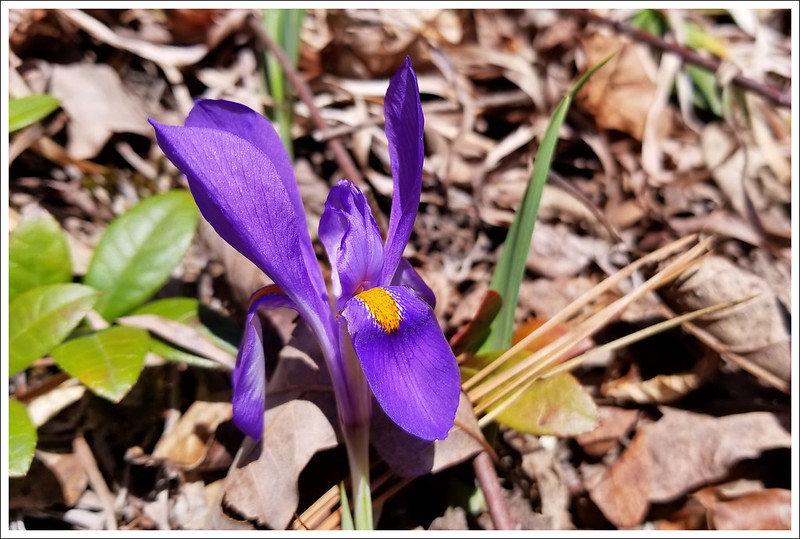
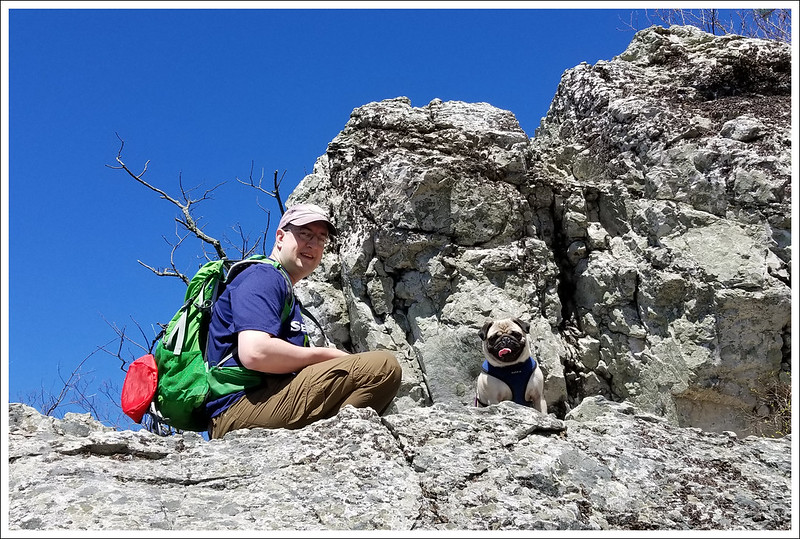
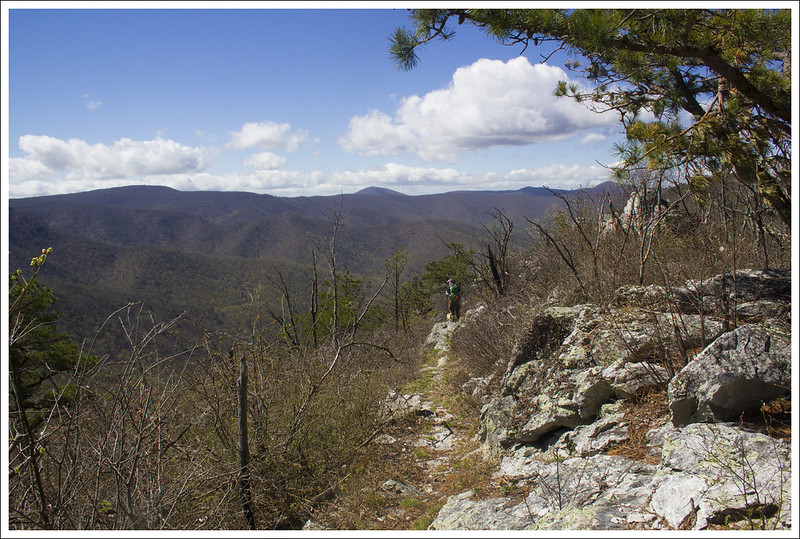
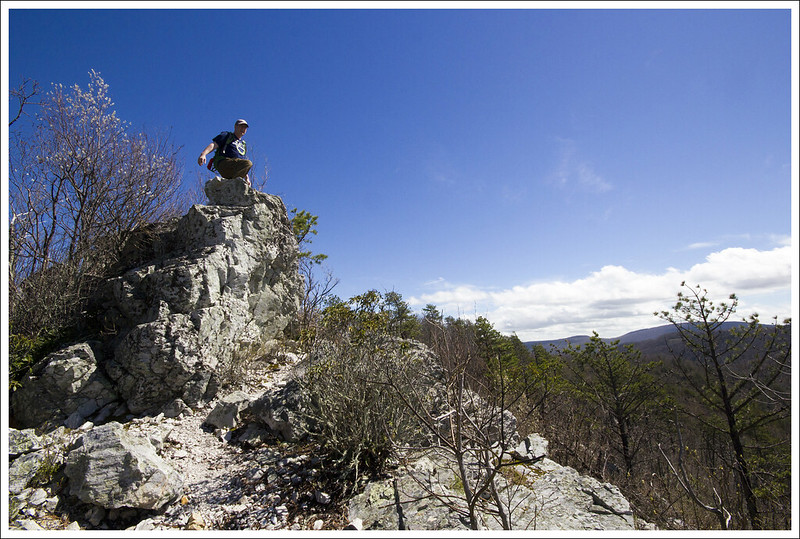
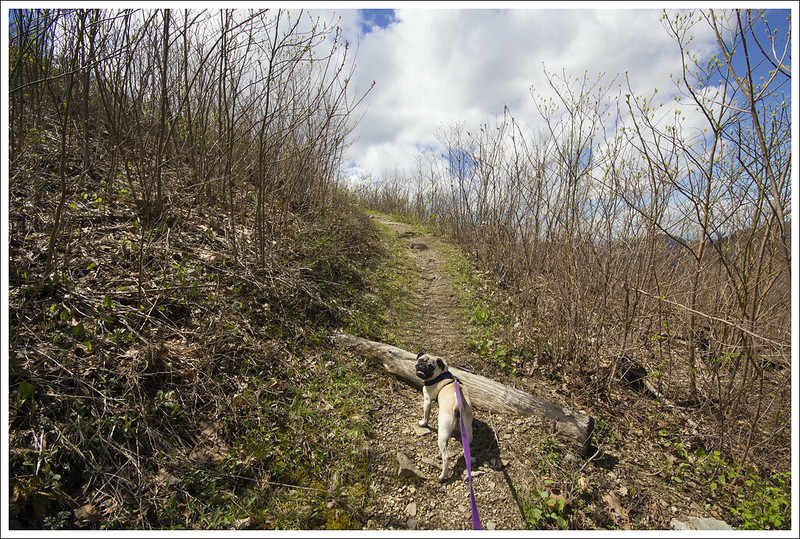

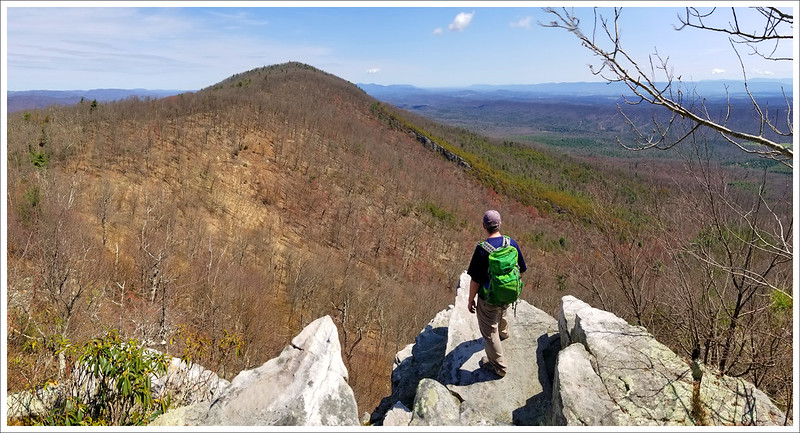
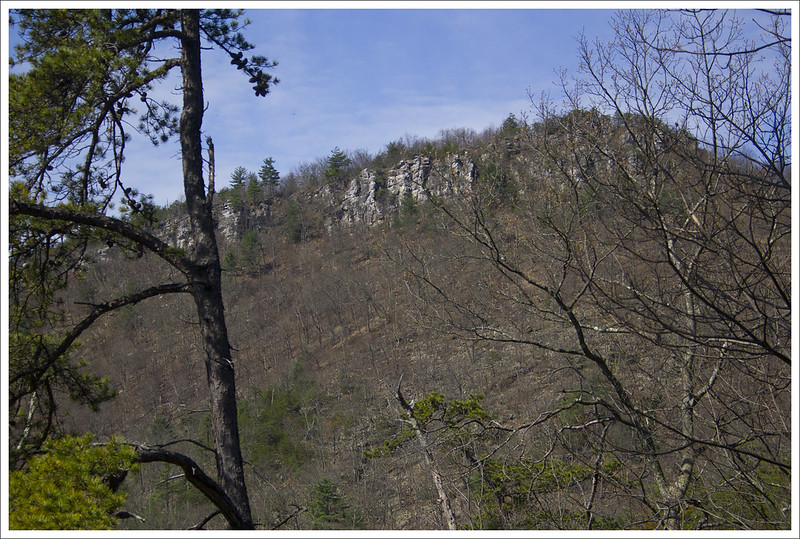
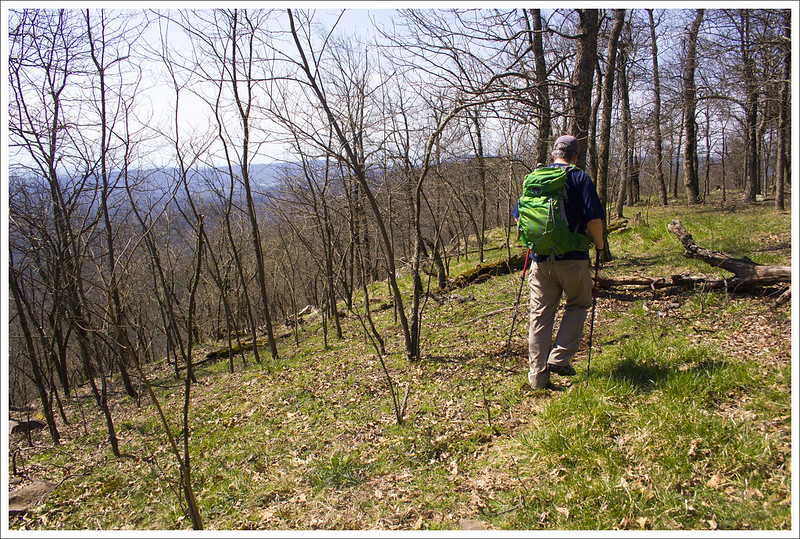
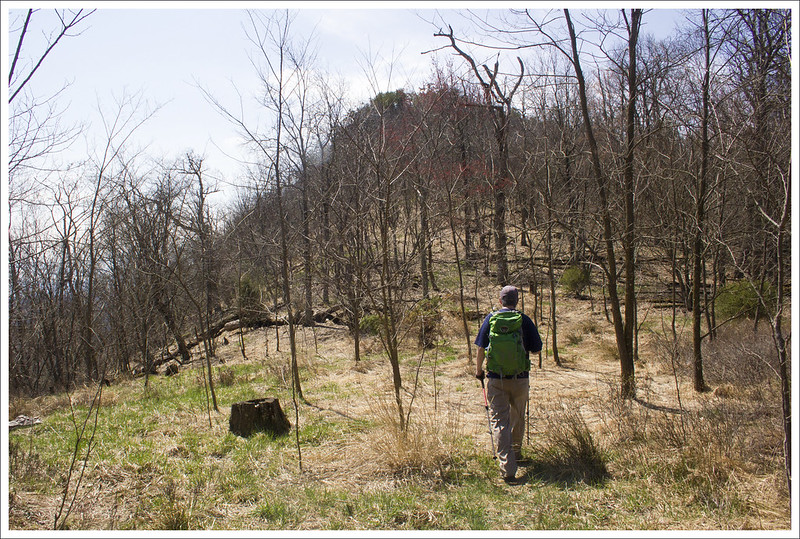
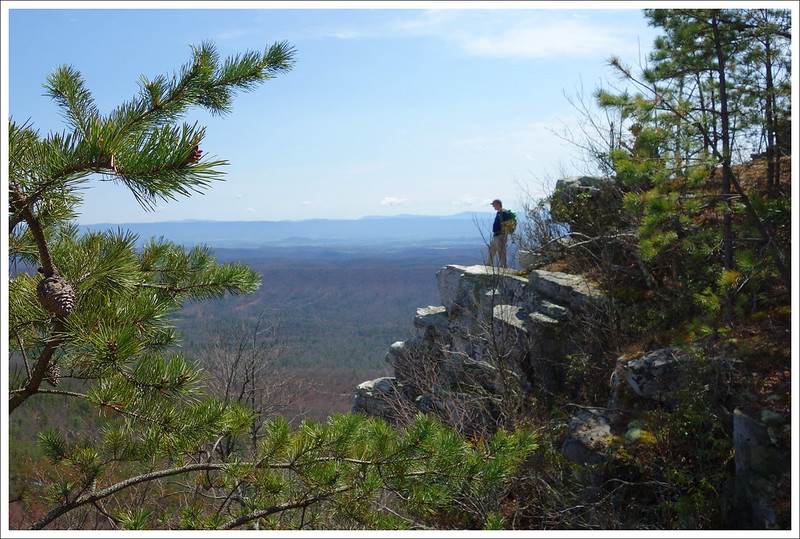
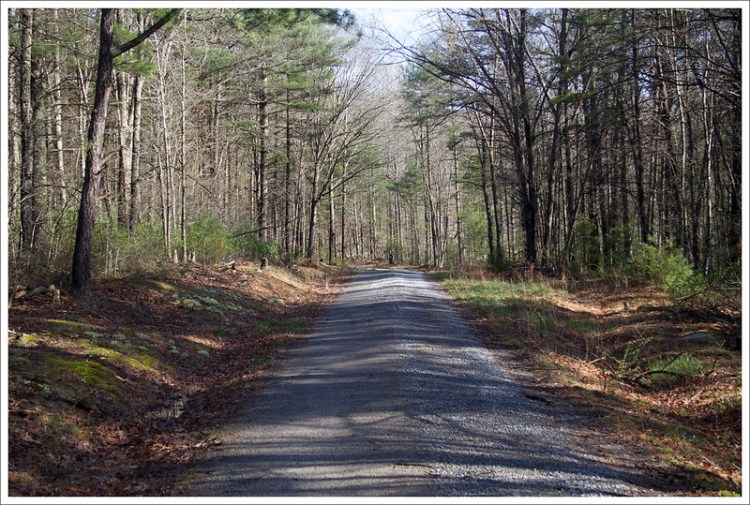
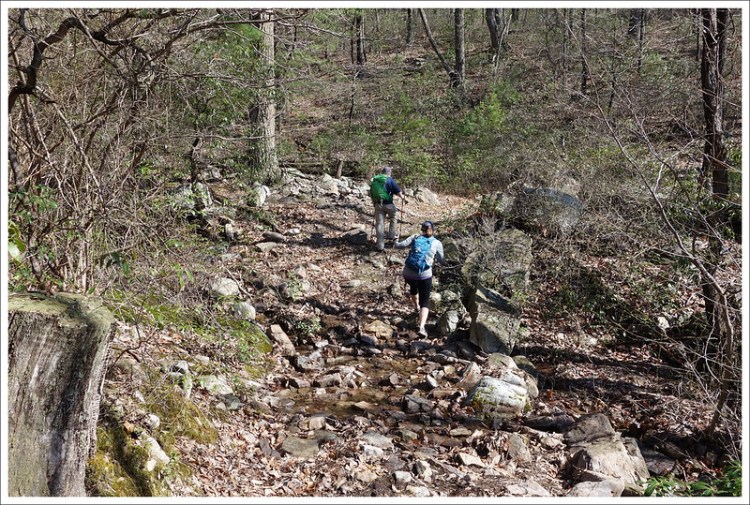

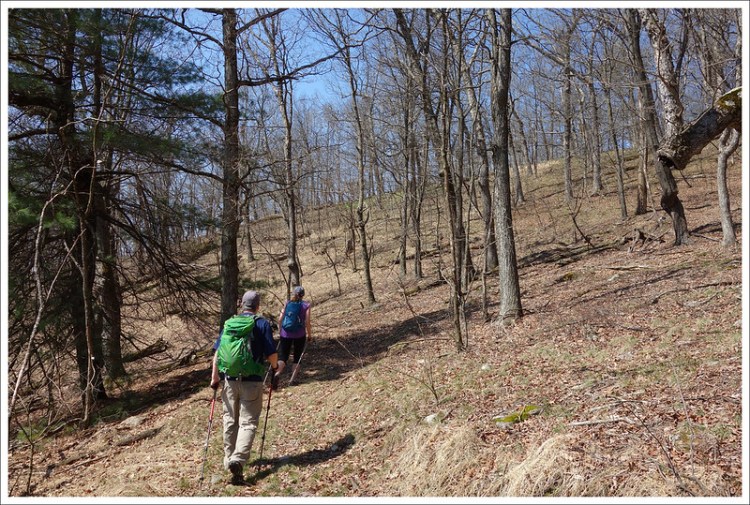


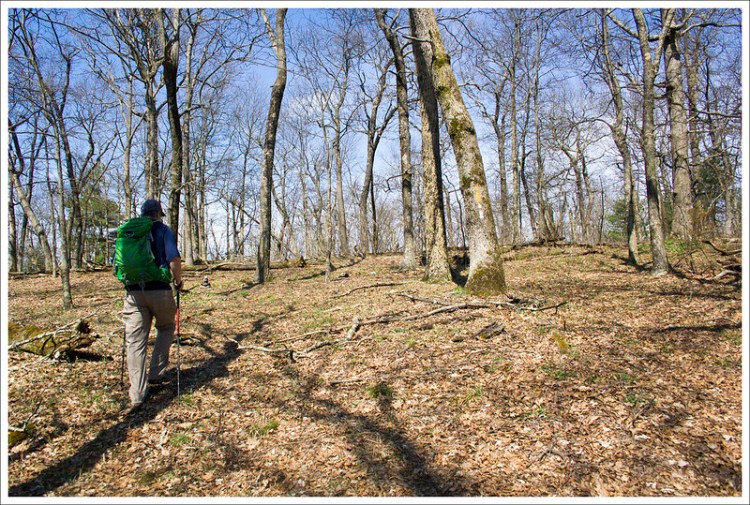

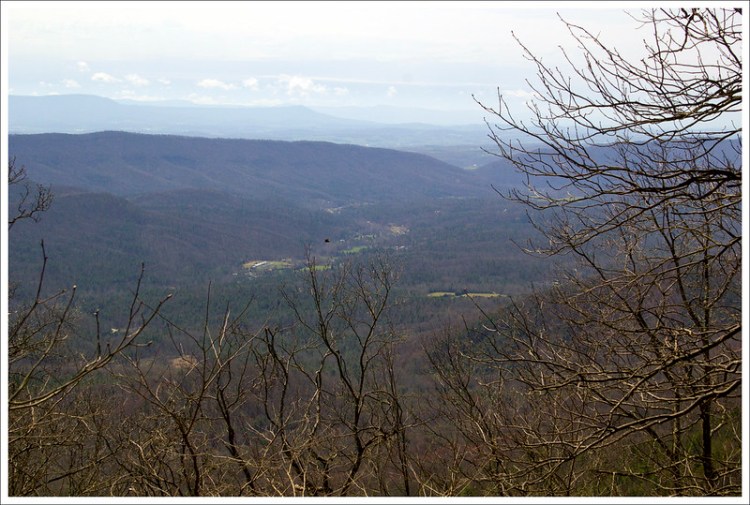
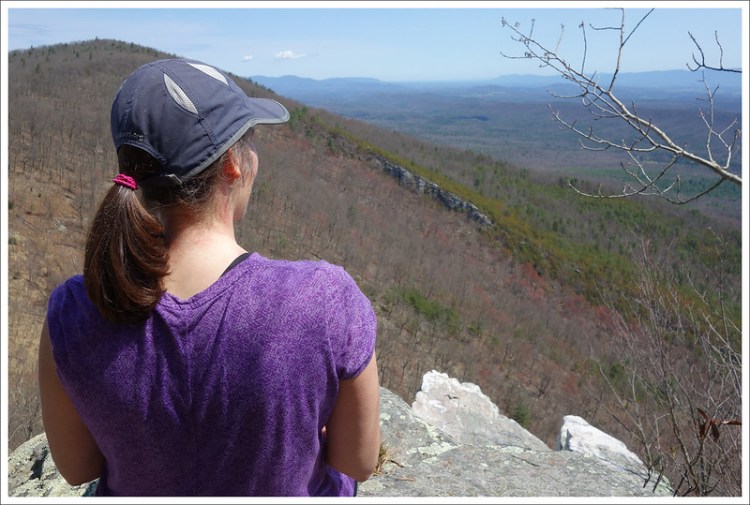
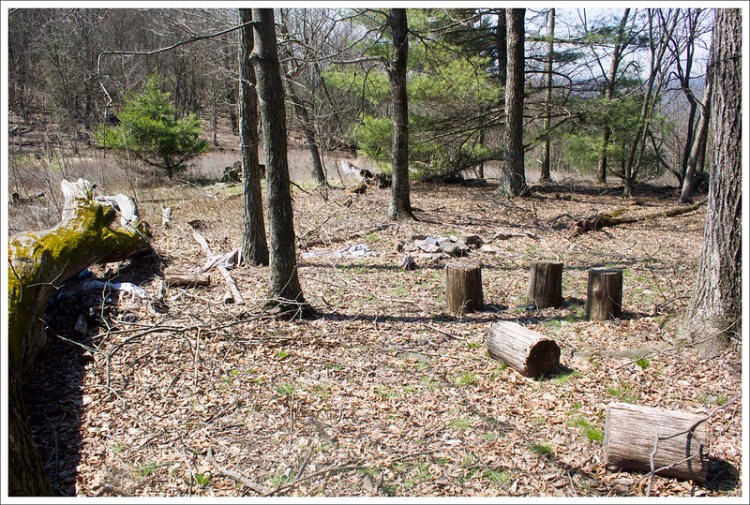

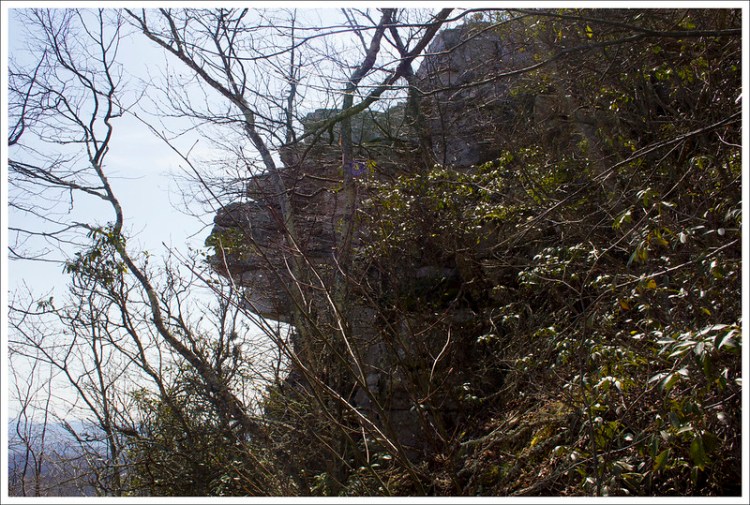
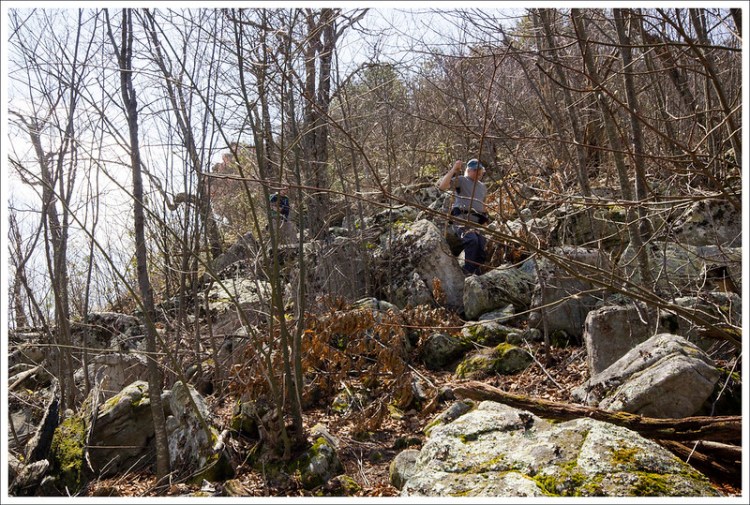
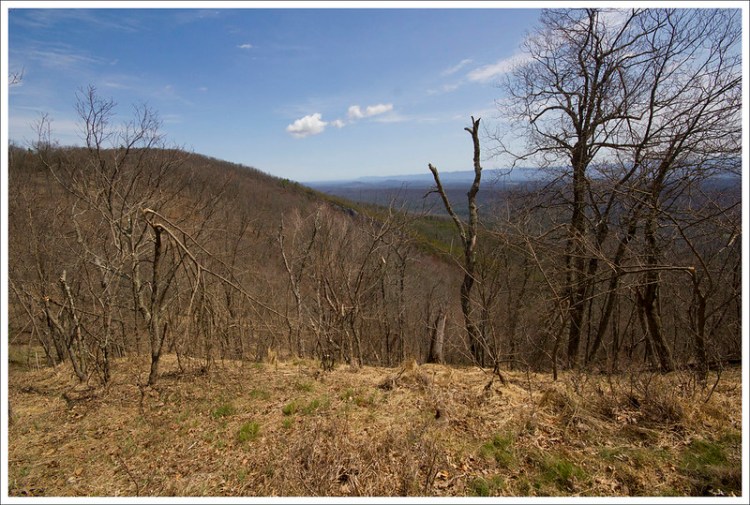
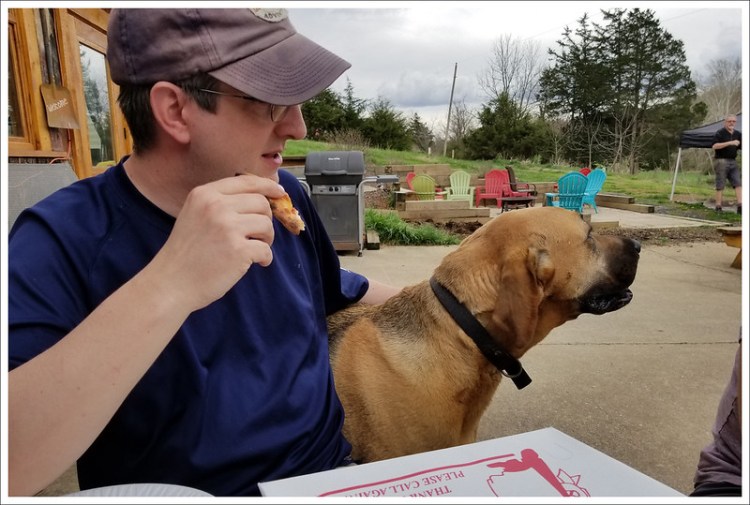

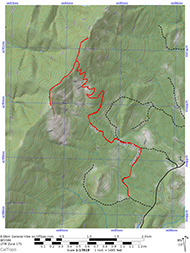

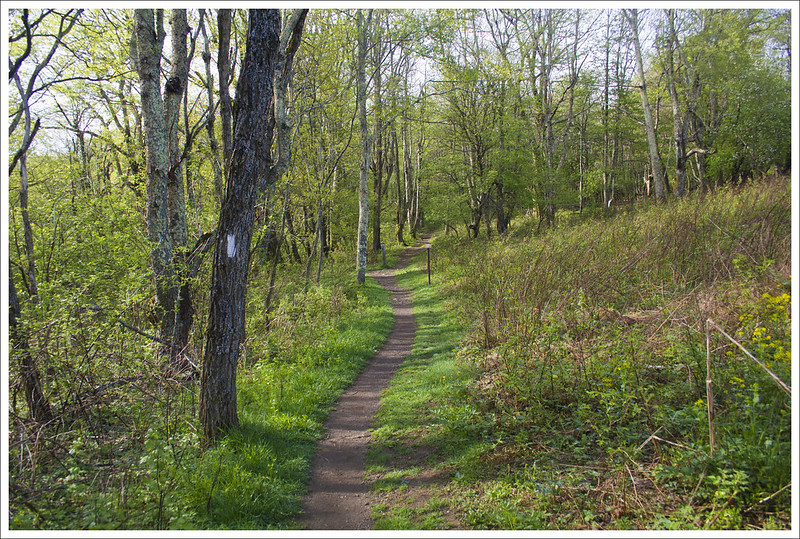
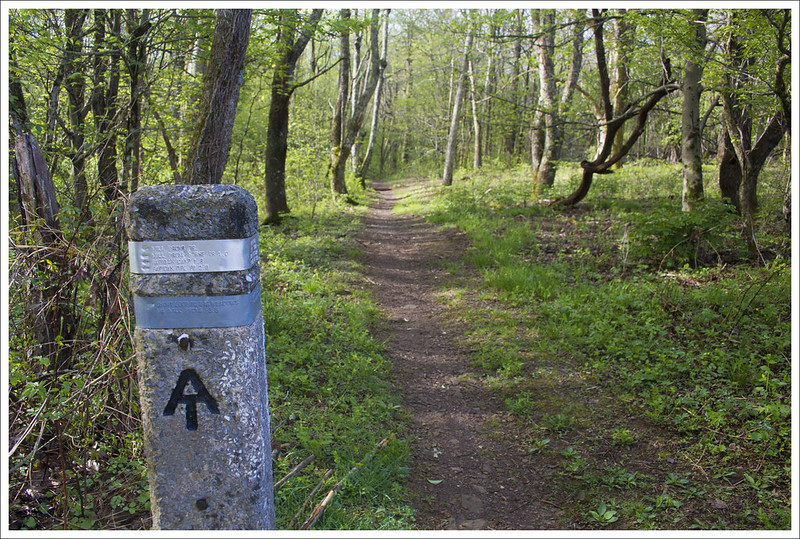
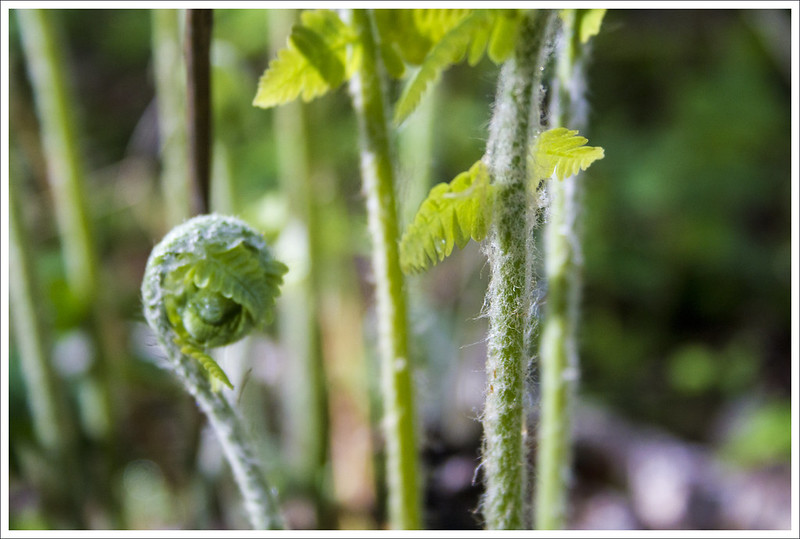
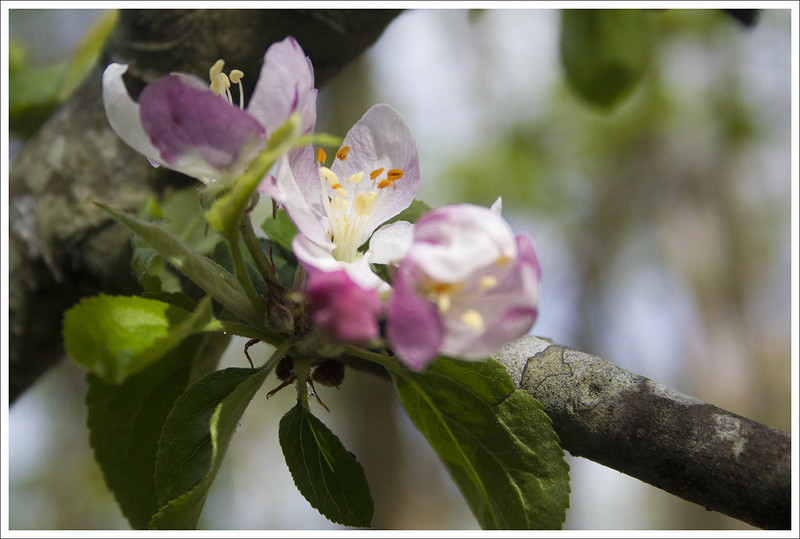
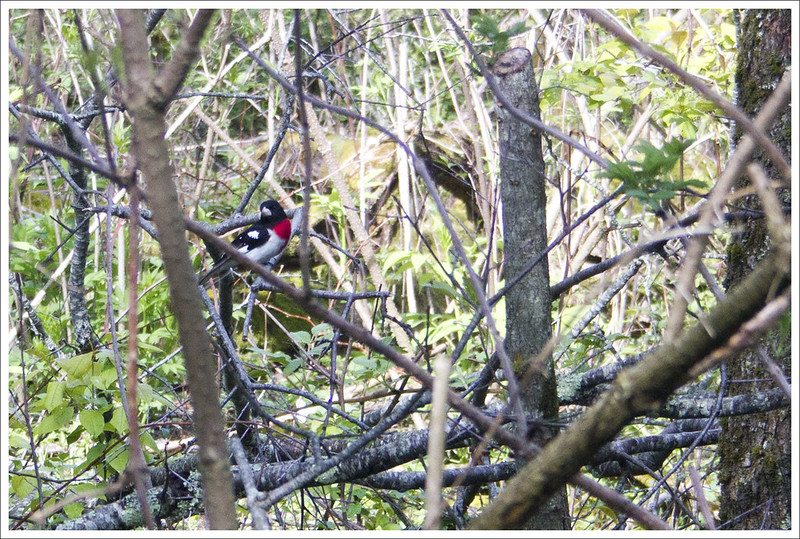
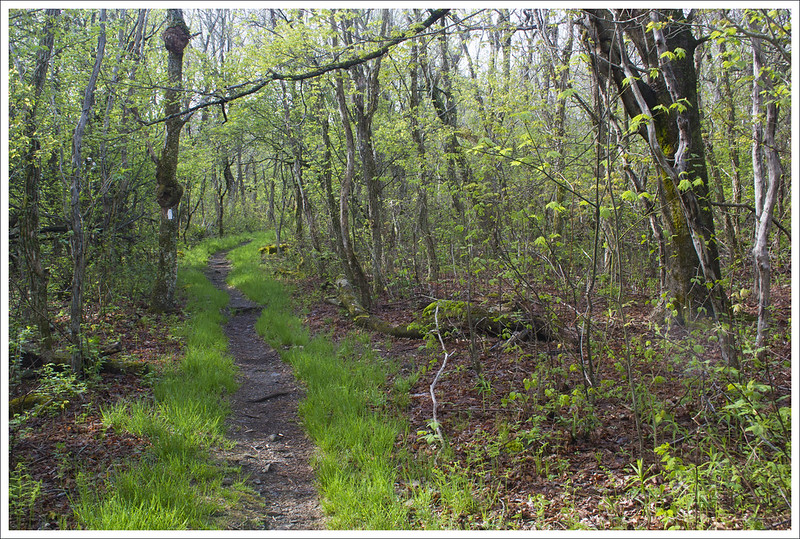
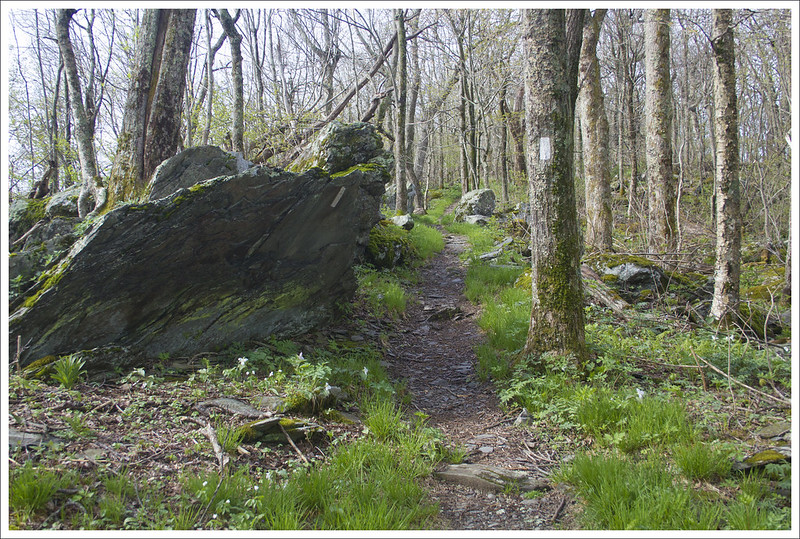


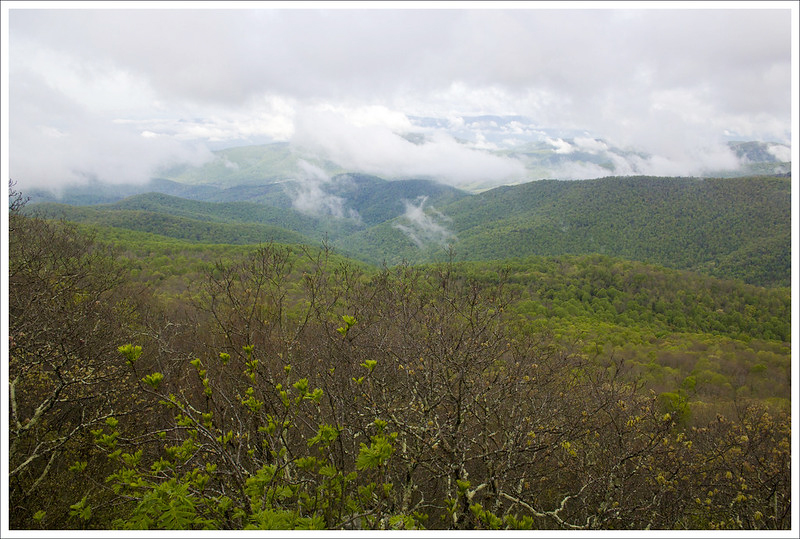



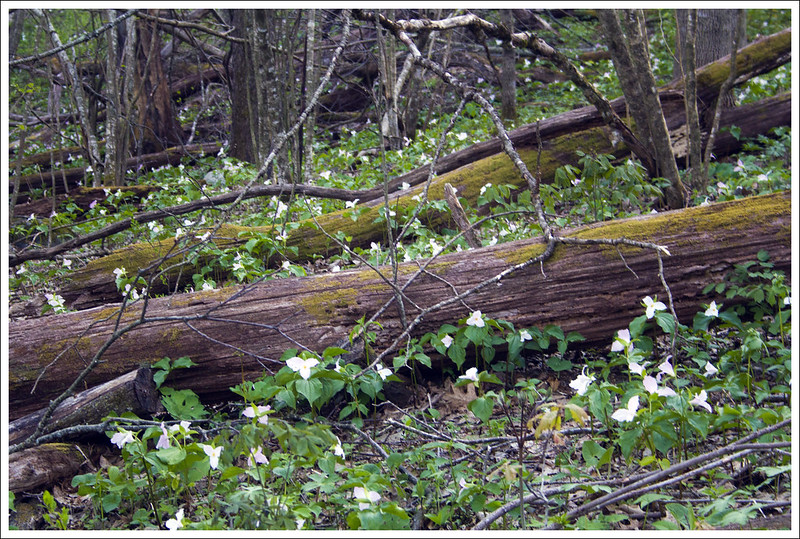
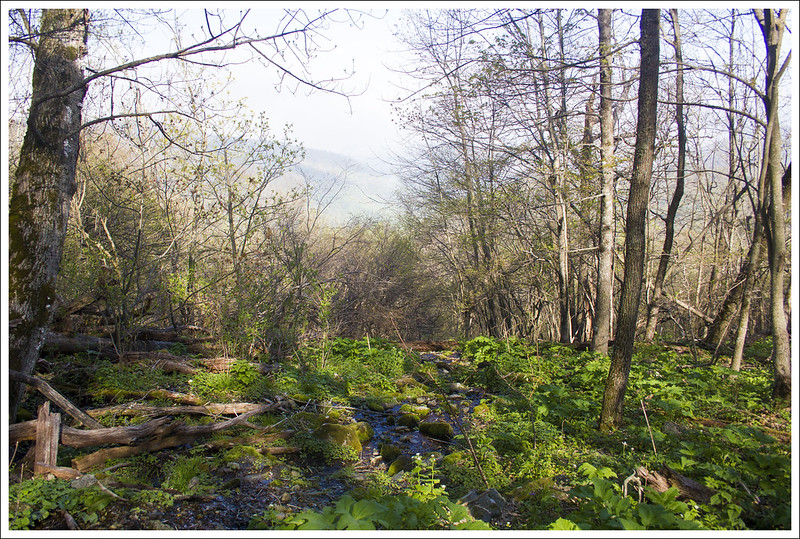
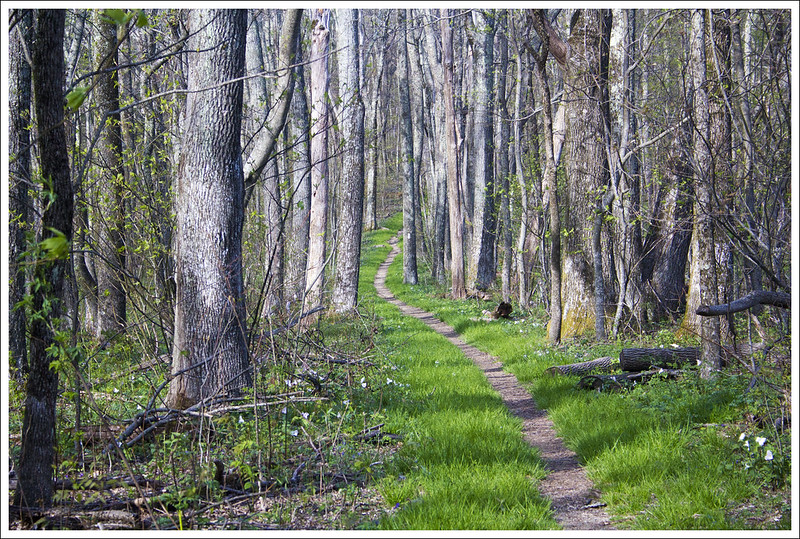

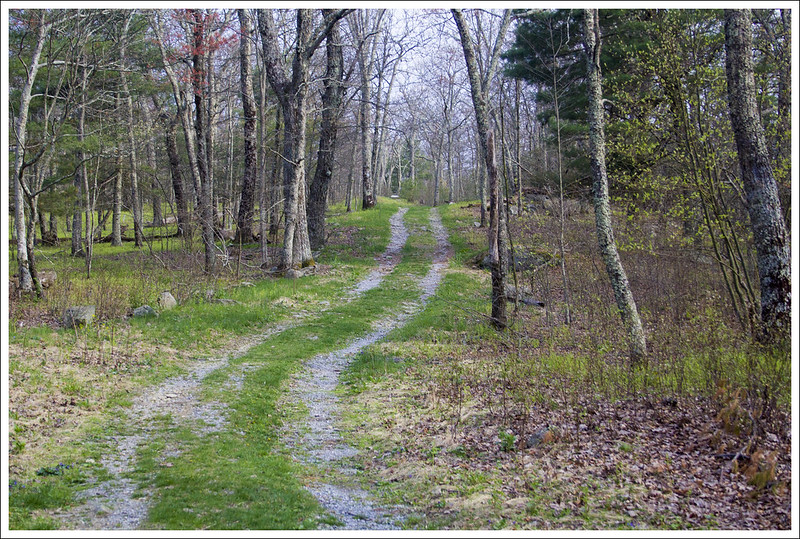
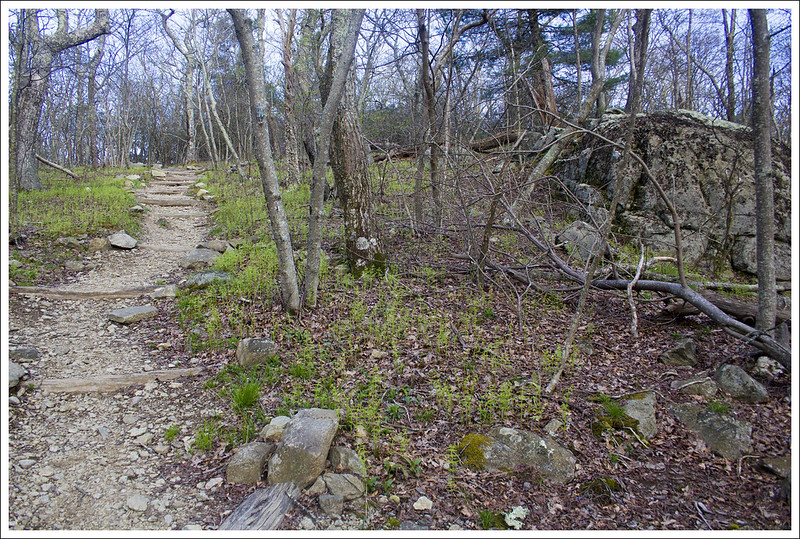
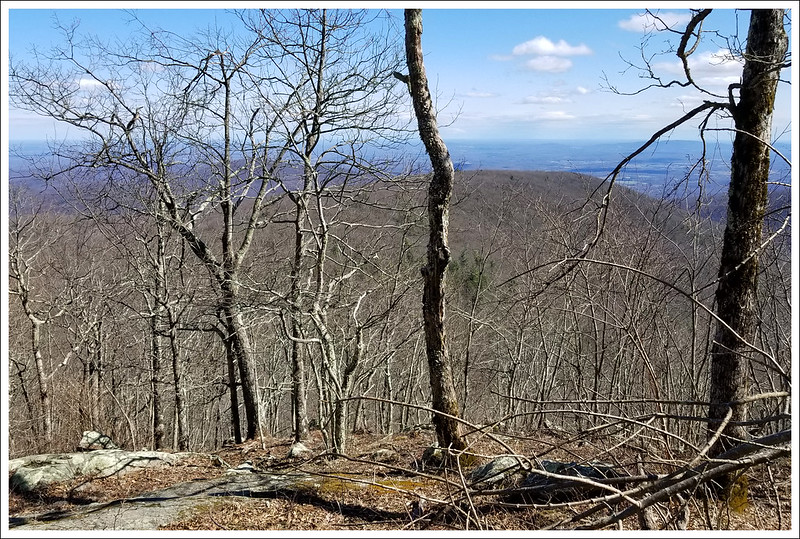

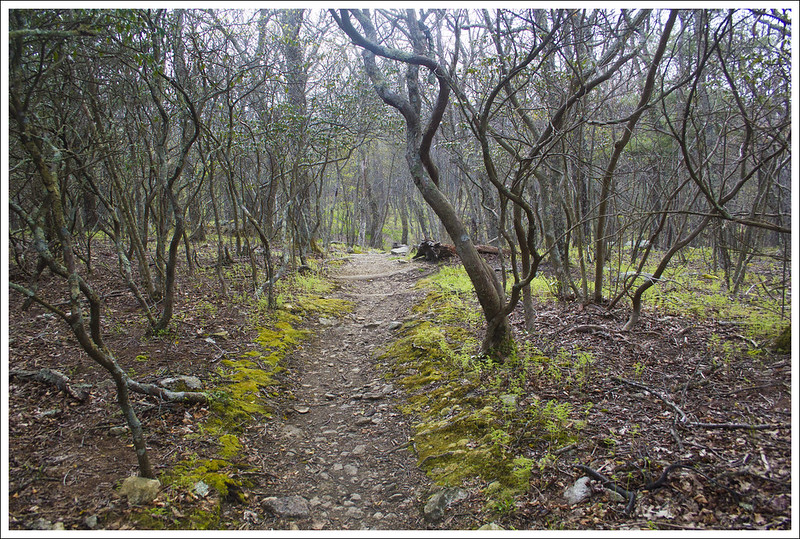
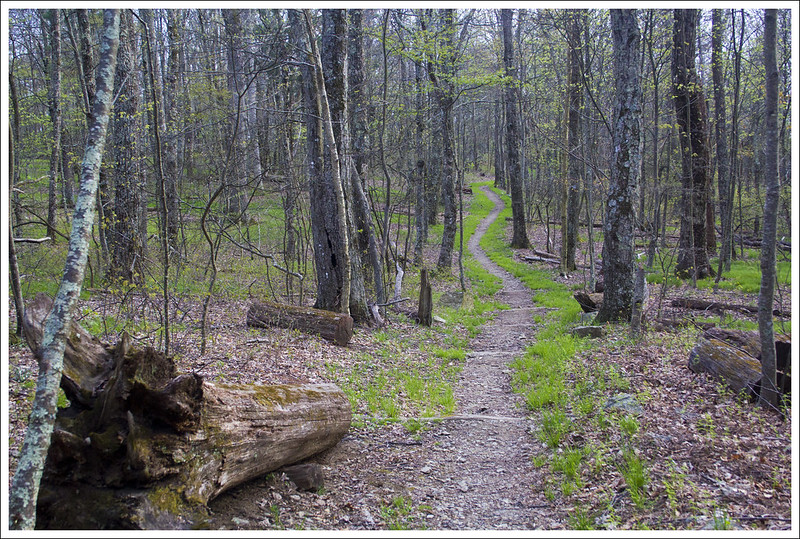

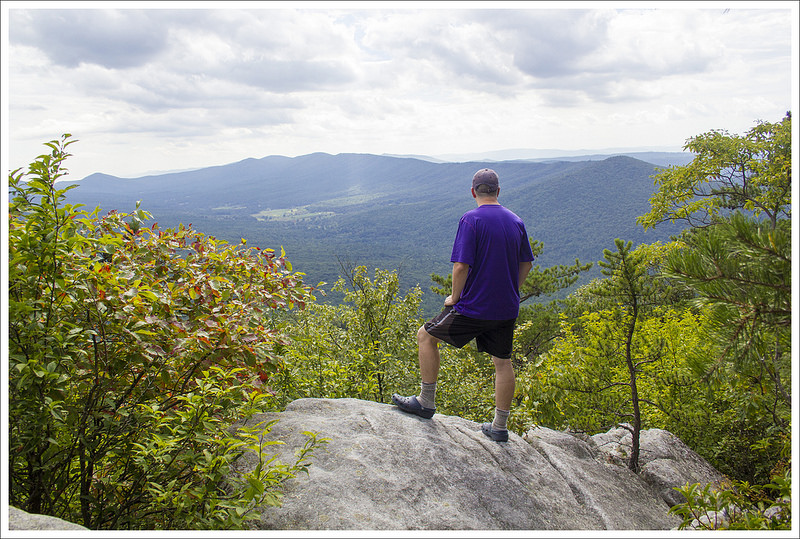
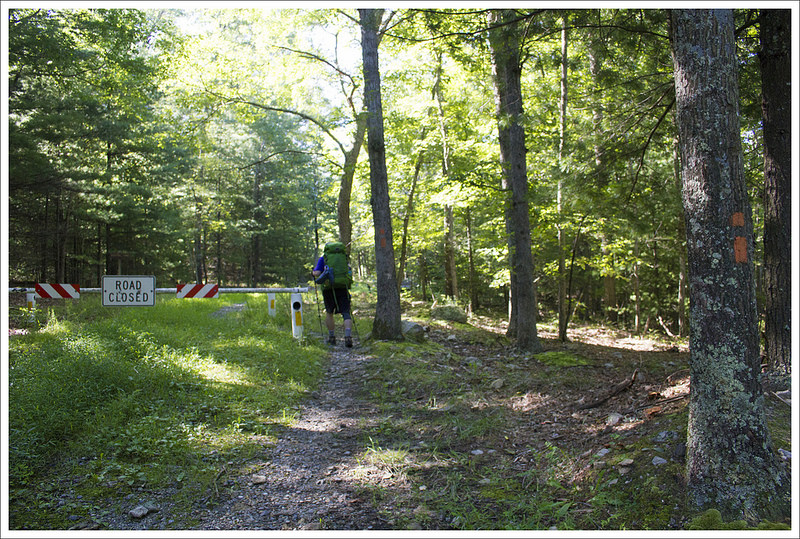
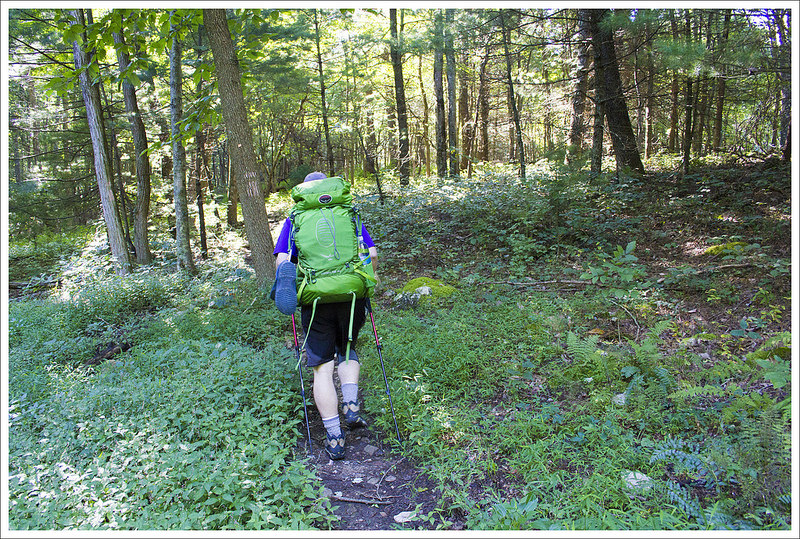


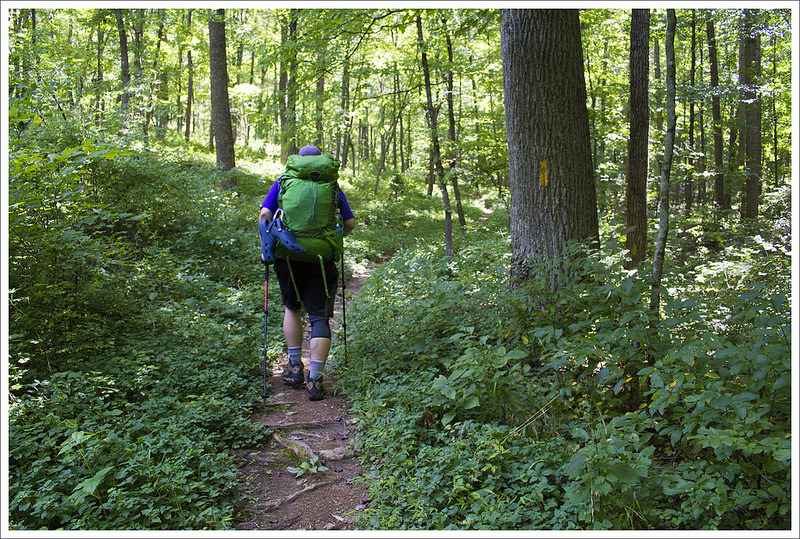


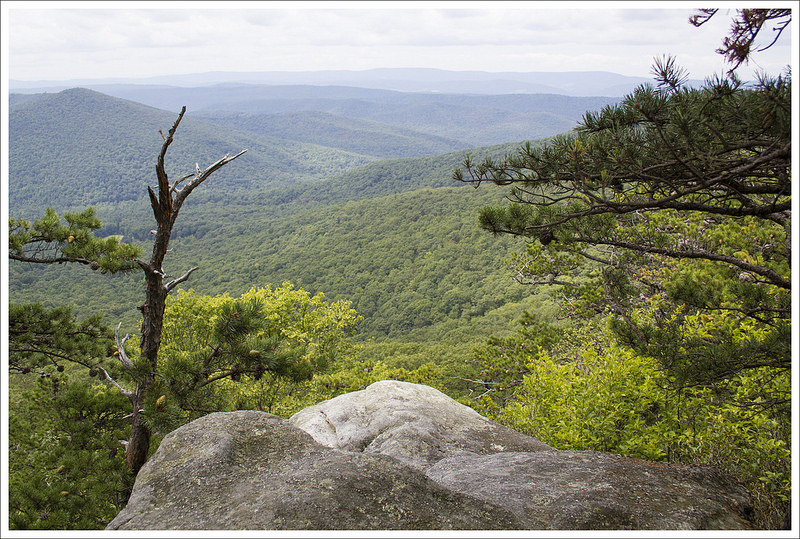
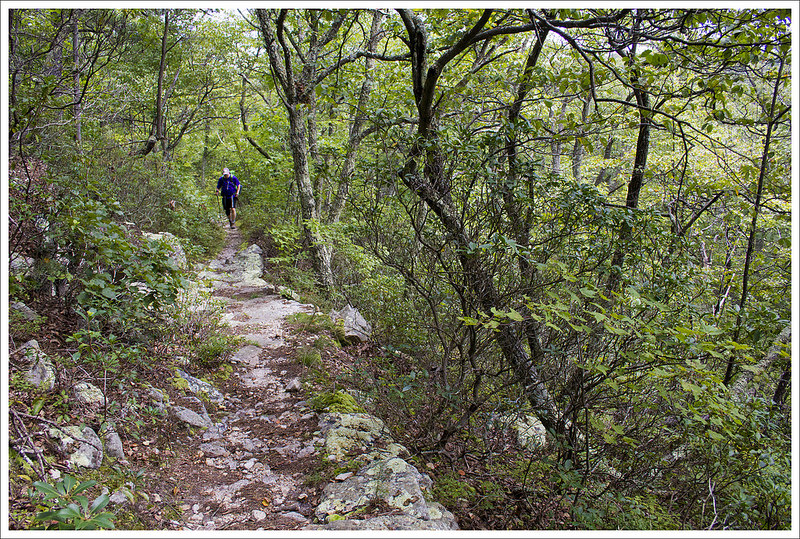
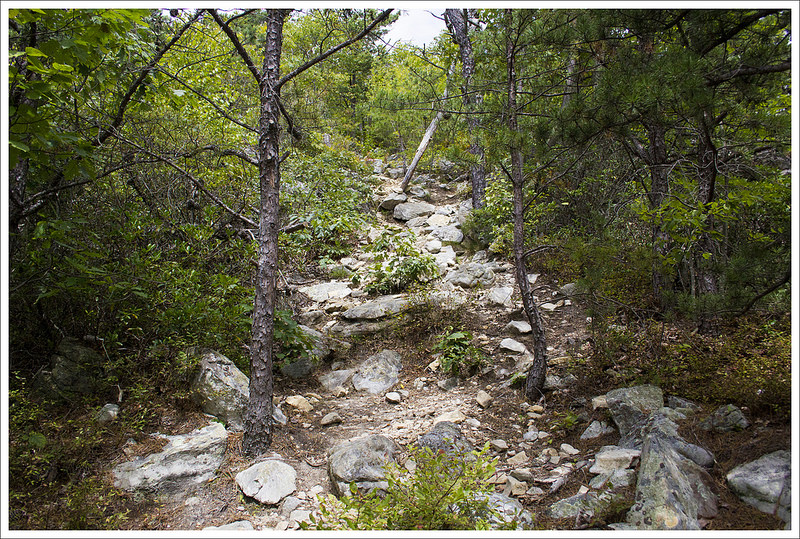
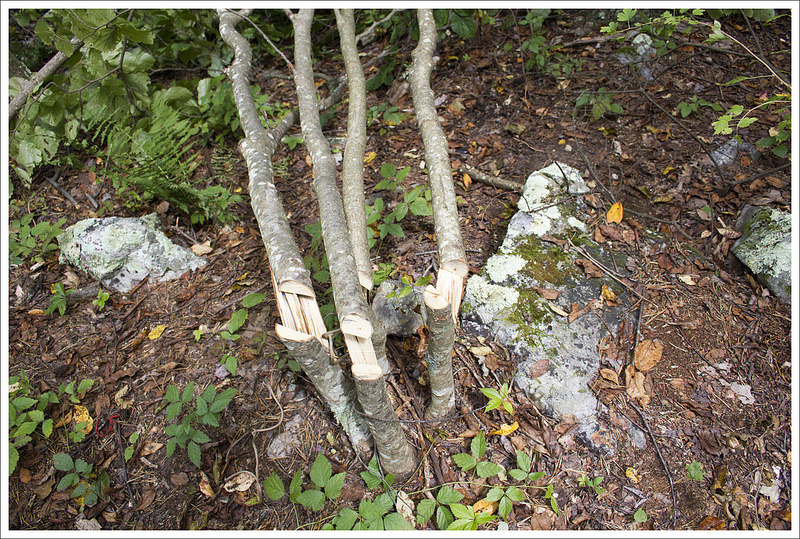

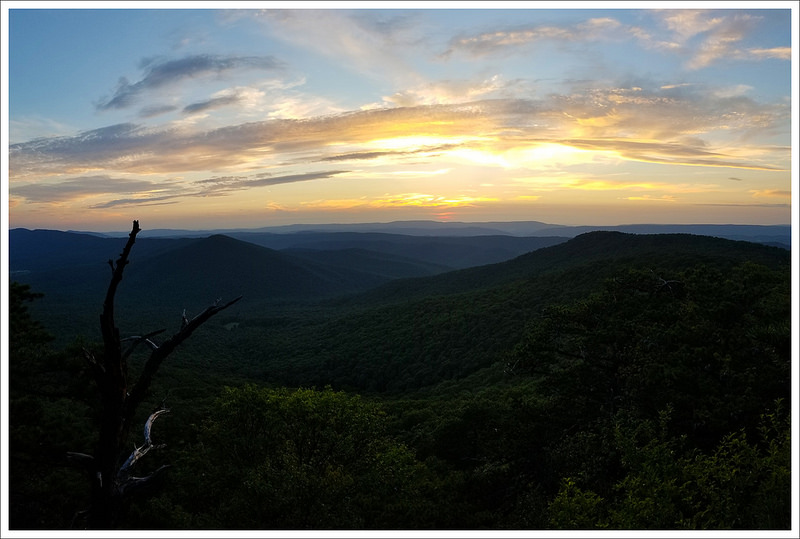
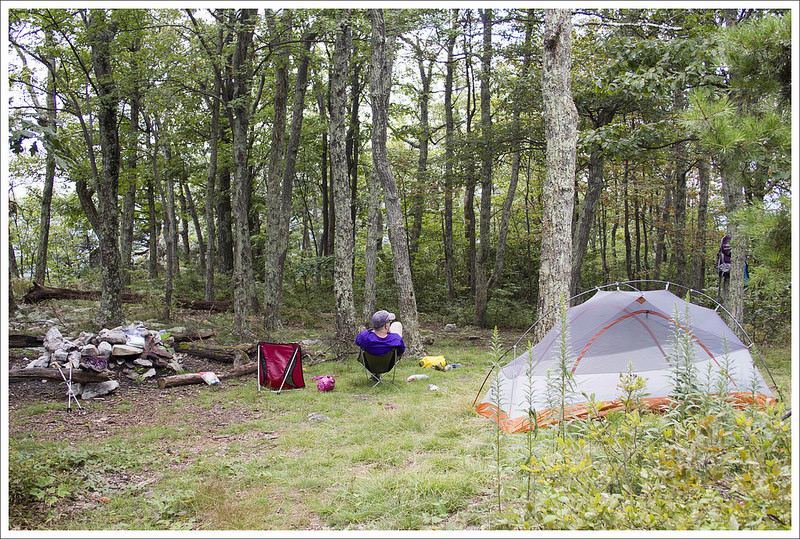
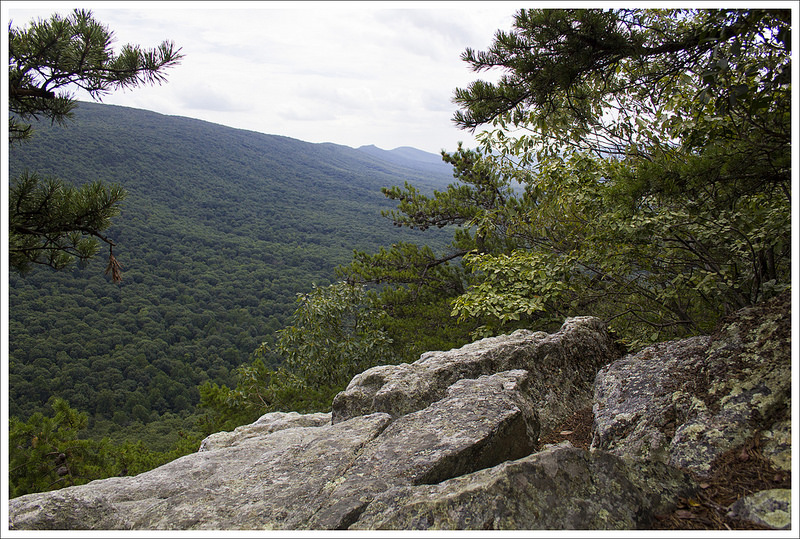
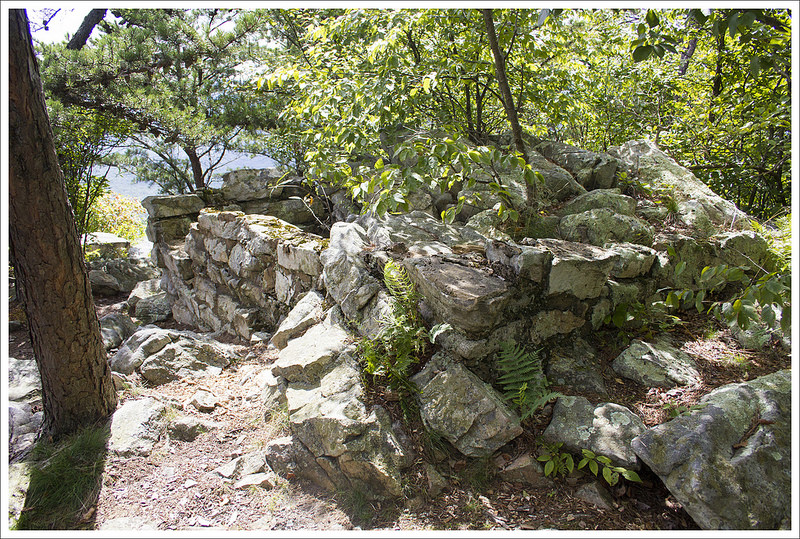

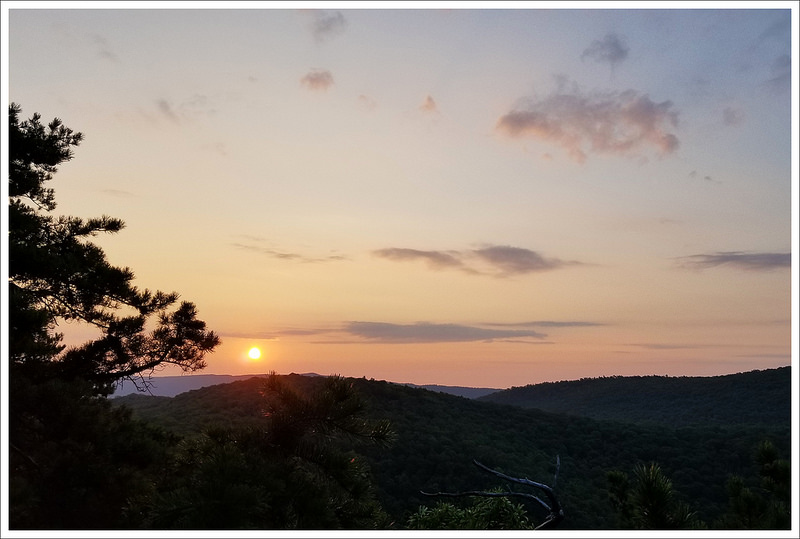
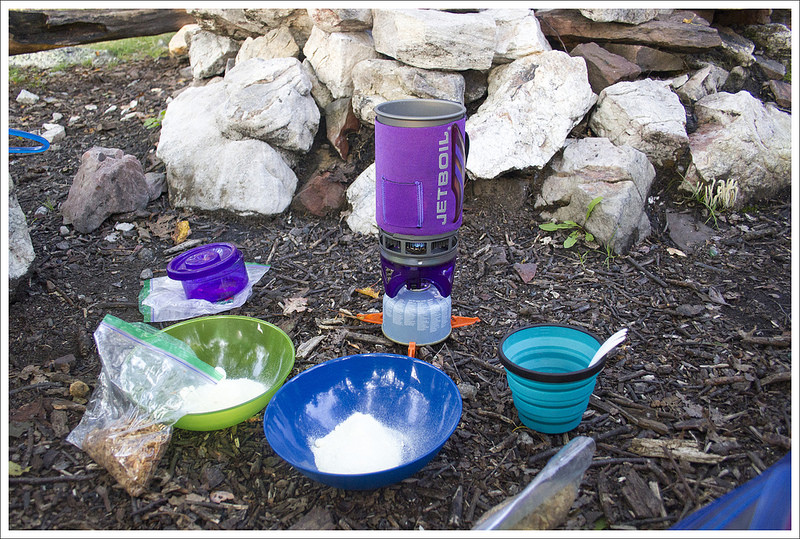


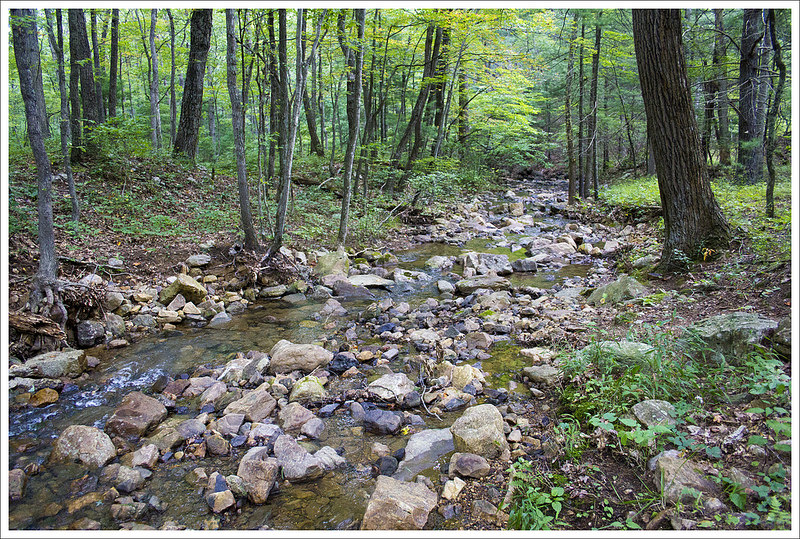


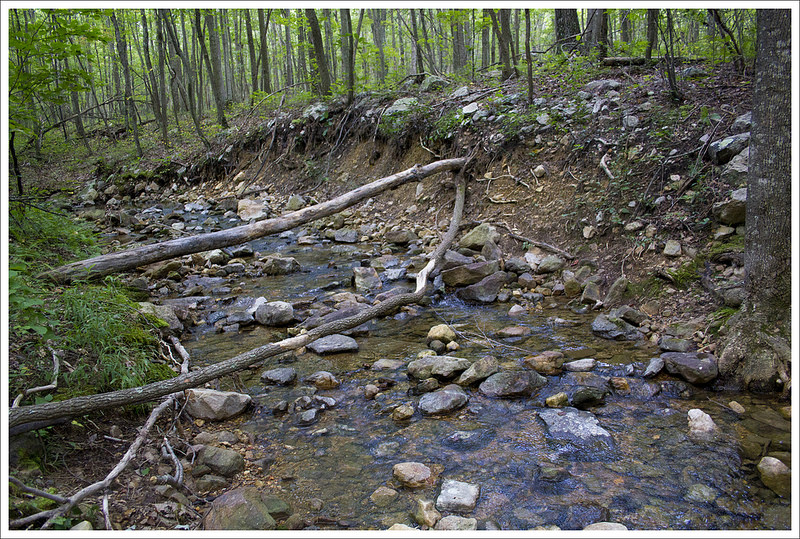

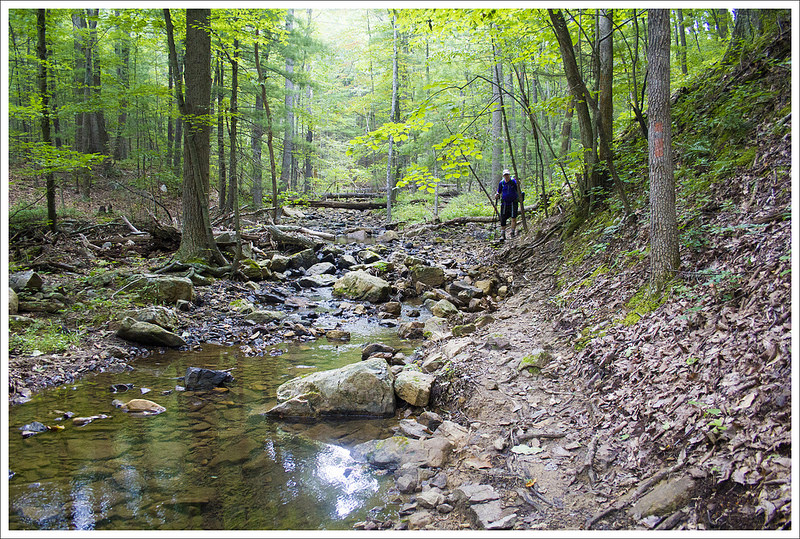
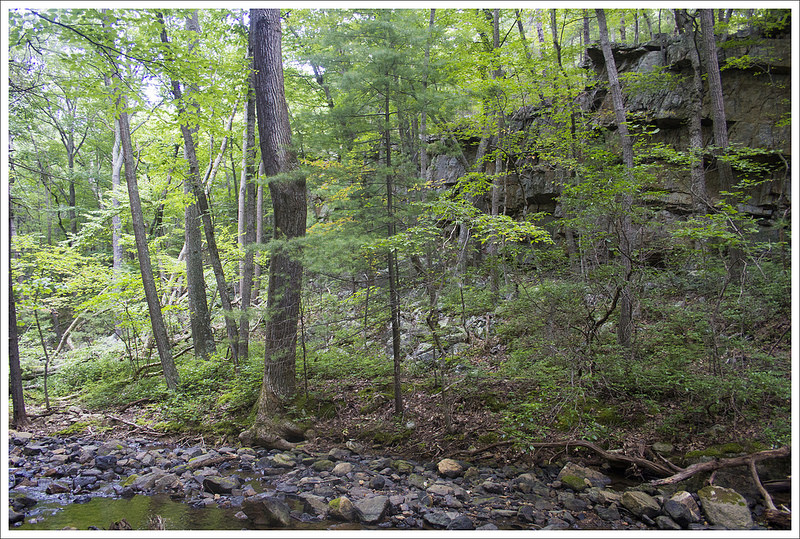
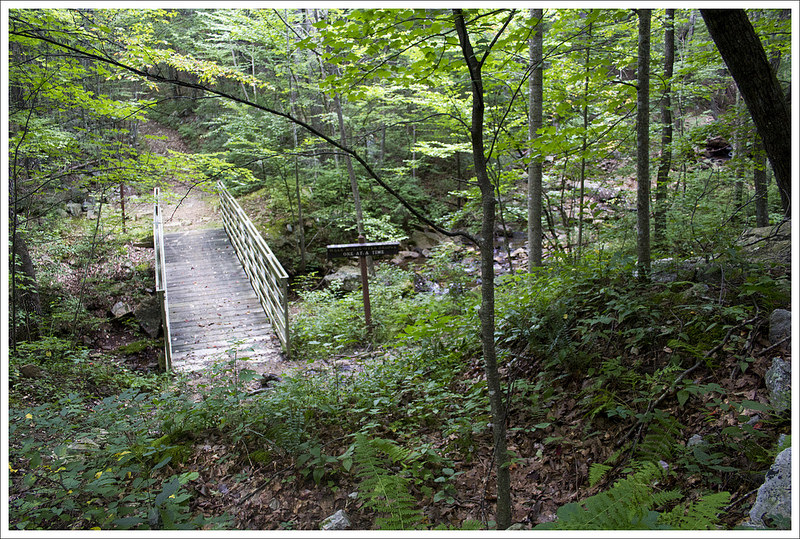
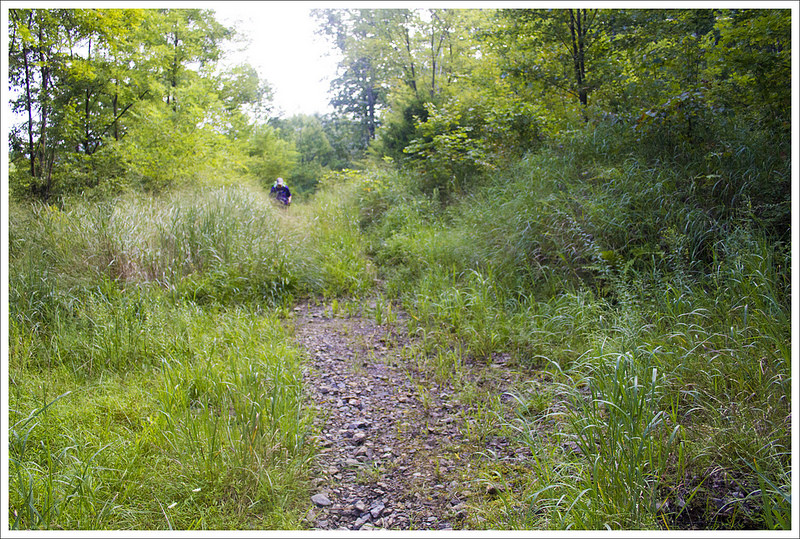
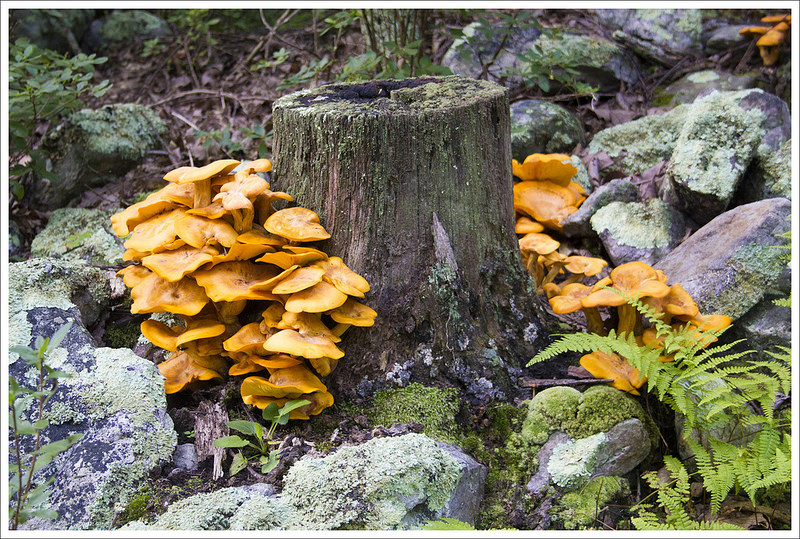
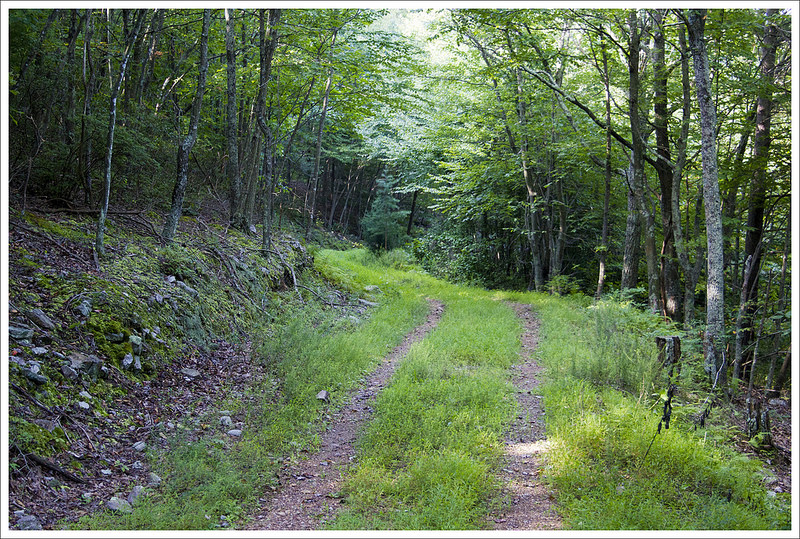
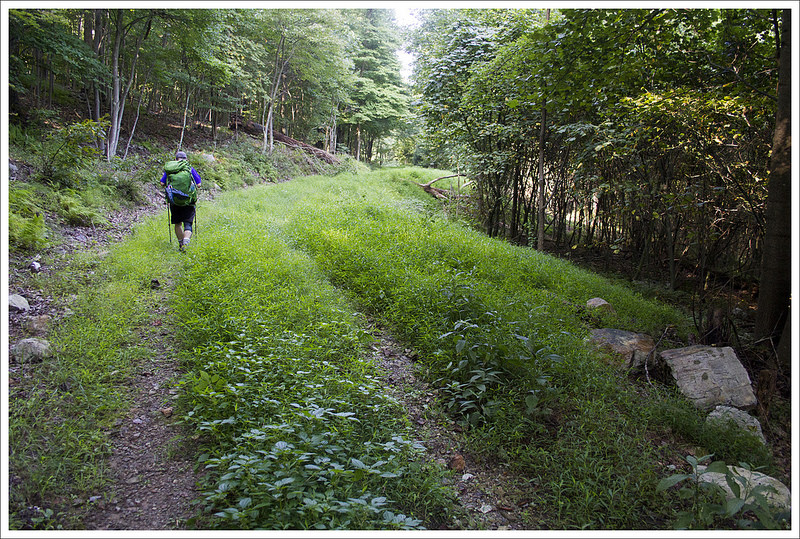







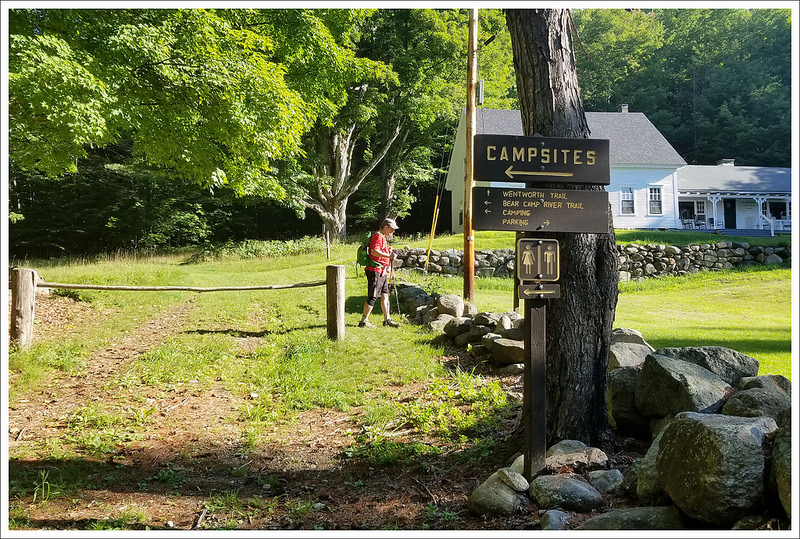
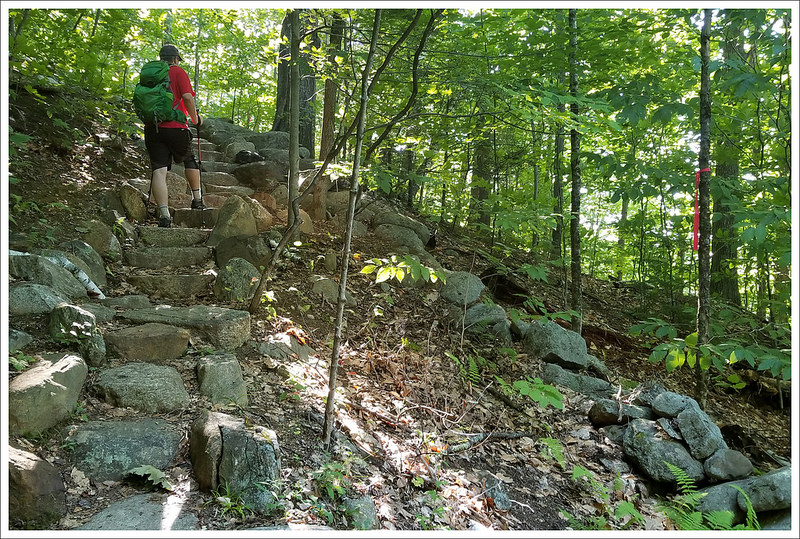

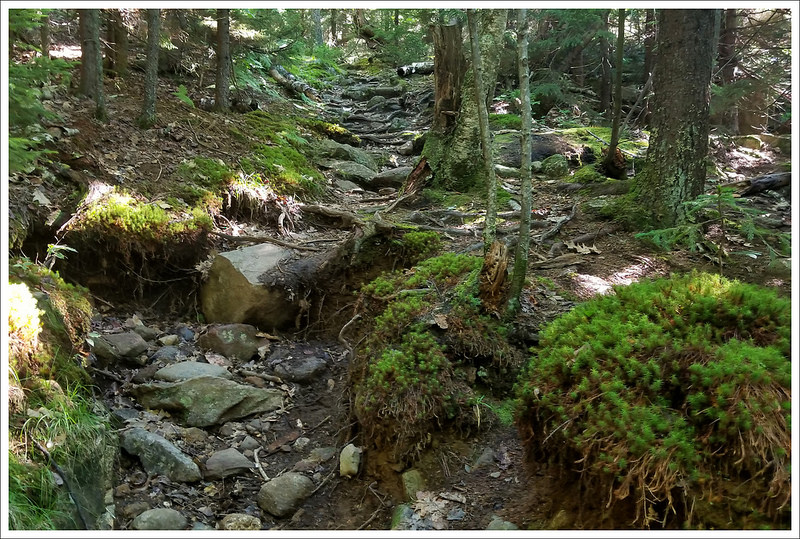
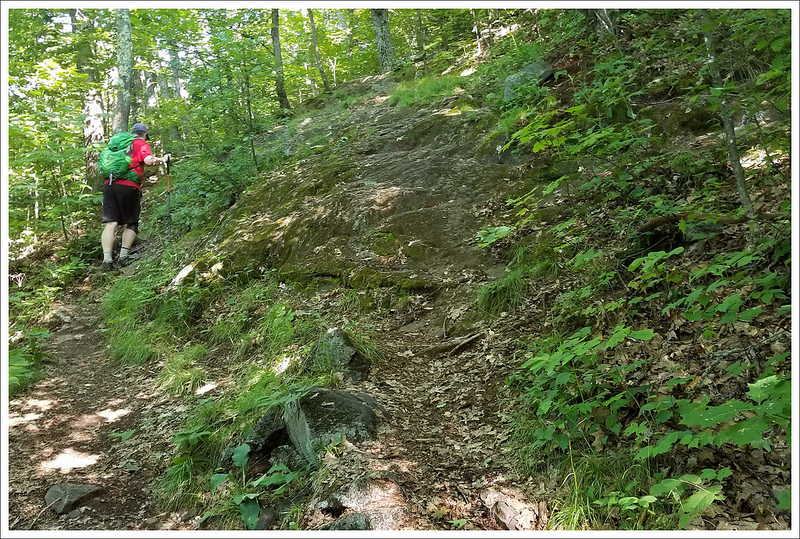


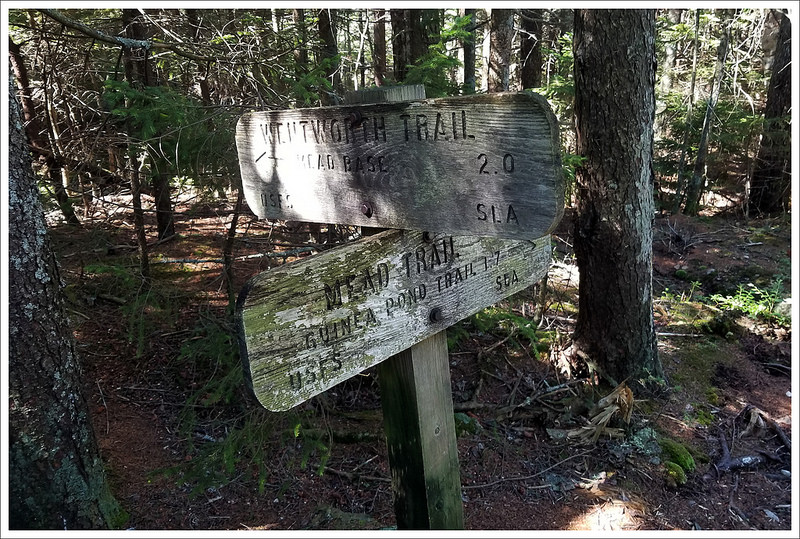




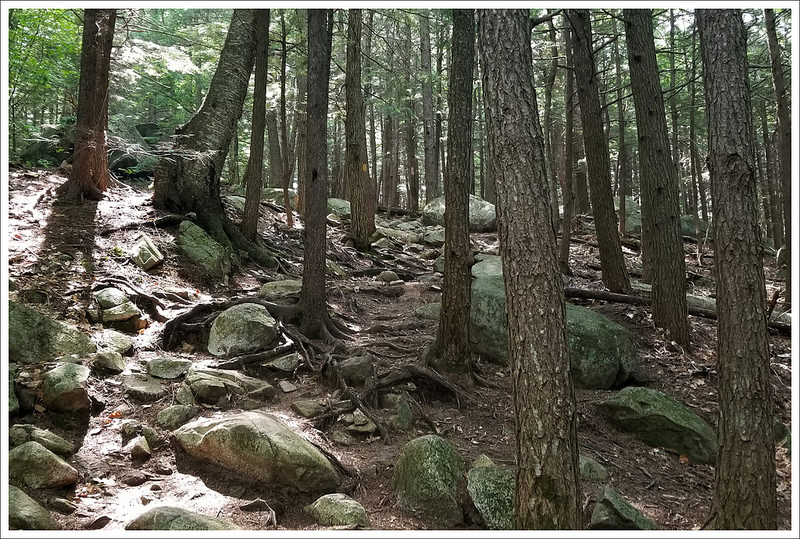

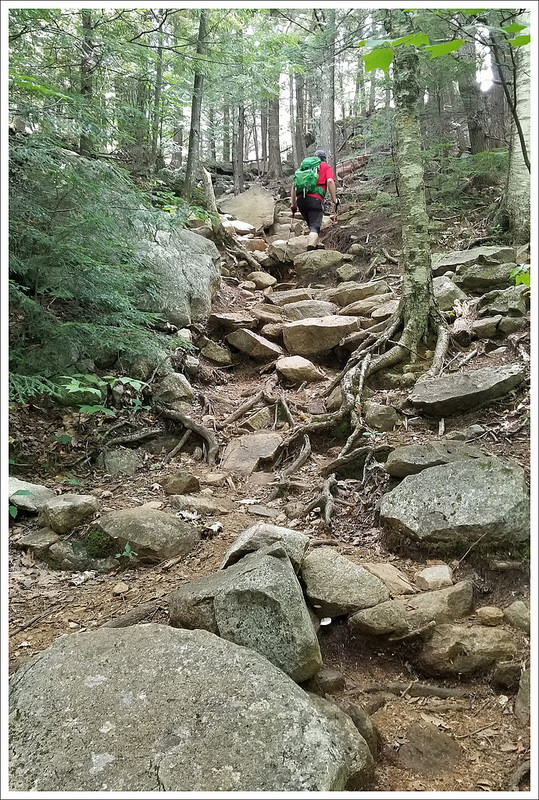


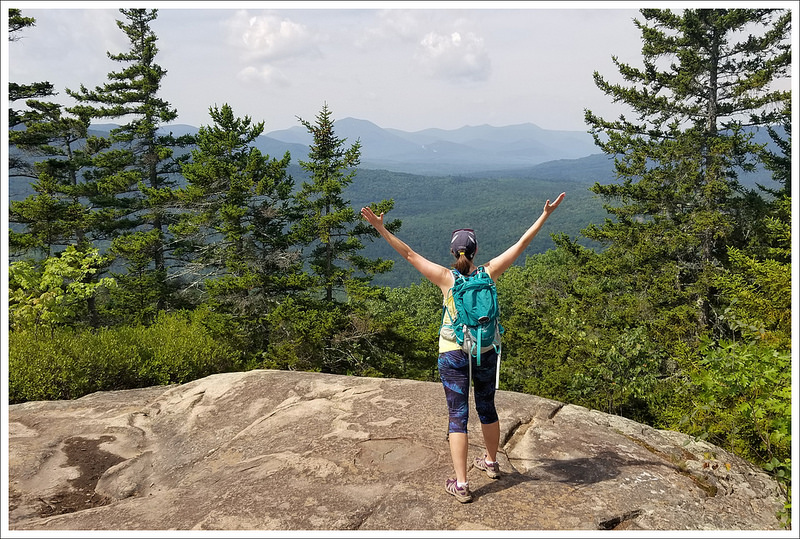


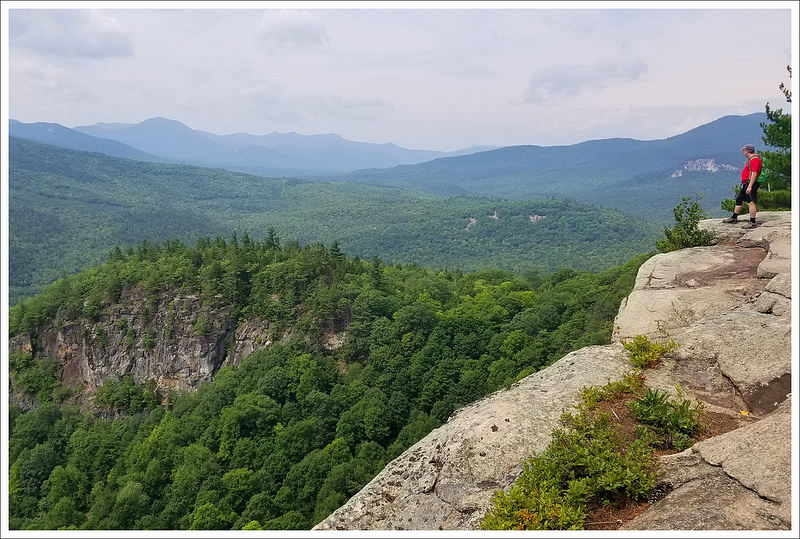

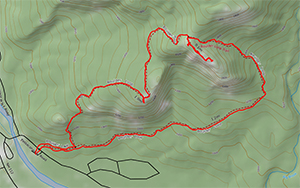

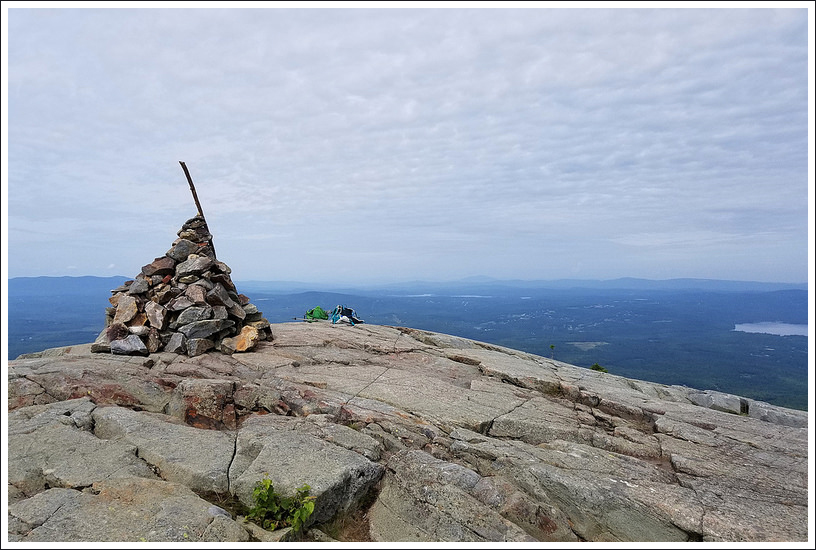


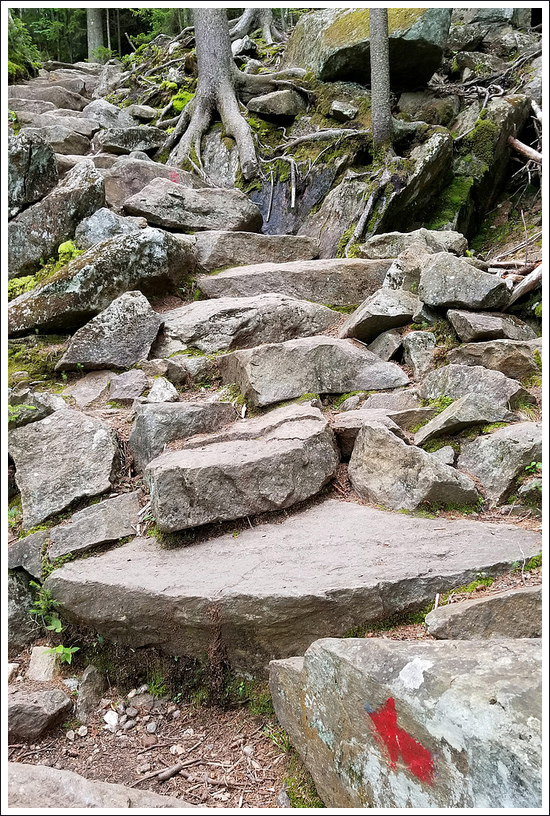


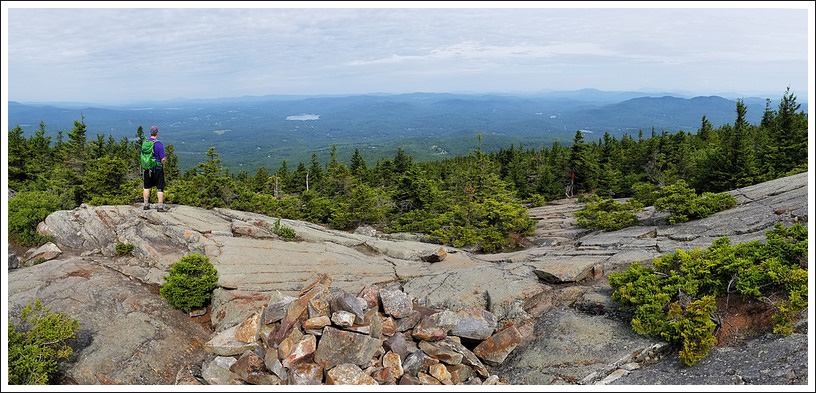

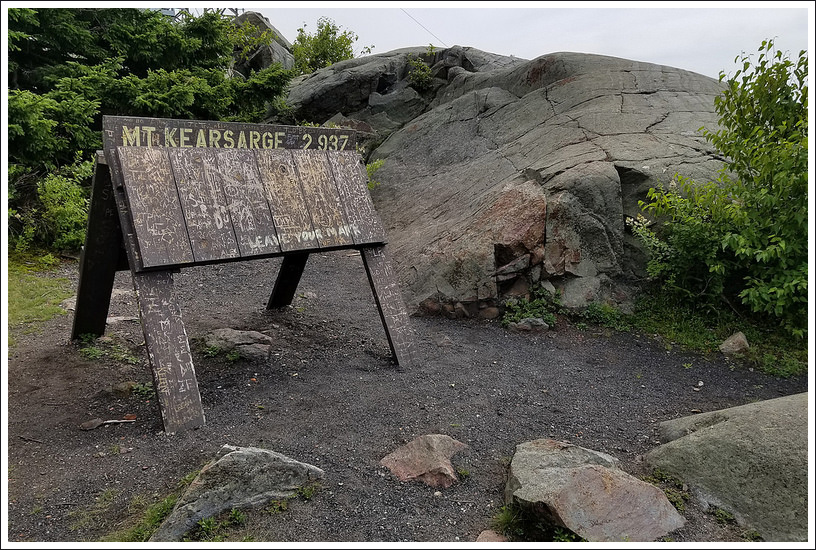





 Virginia Trail Guide